
Species Library
Every identification made in the Fauna app grows this library. Get the app, and what you find in the wild lands here for the next person looking it up.
Browse the database
Search animals, plants, fungi, and more.
Editorial field guides.
Each profile carries field marks, lookalike notes, credited photography, and named sources, so you can check every claim.
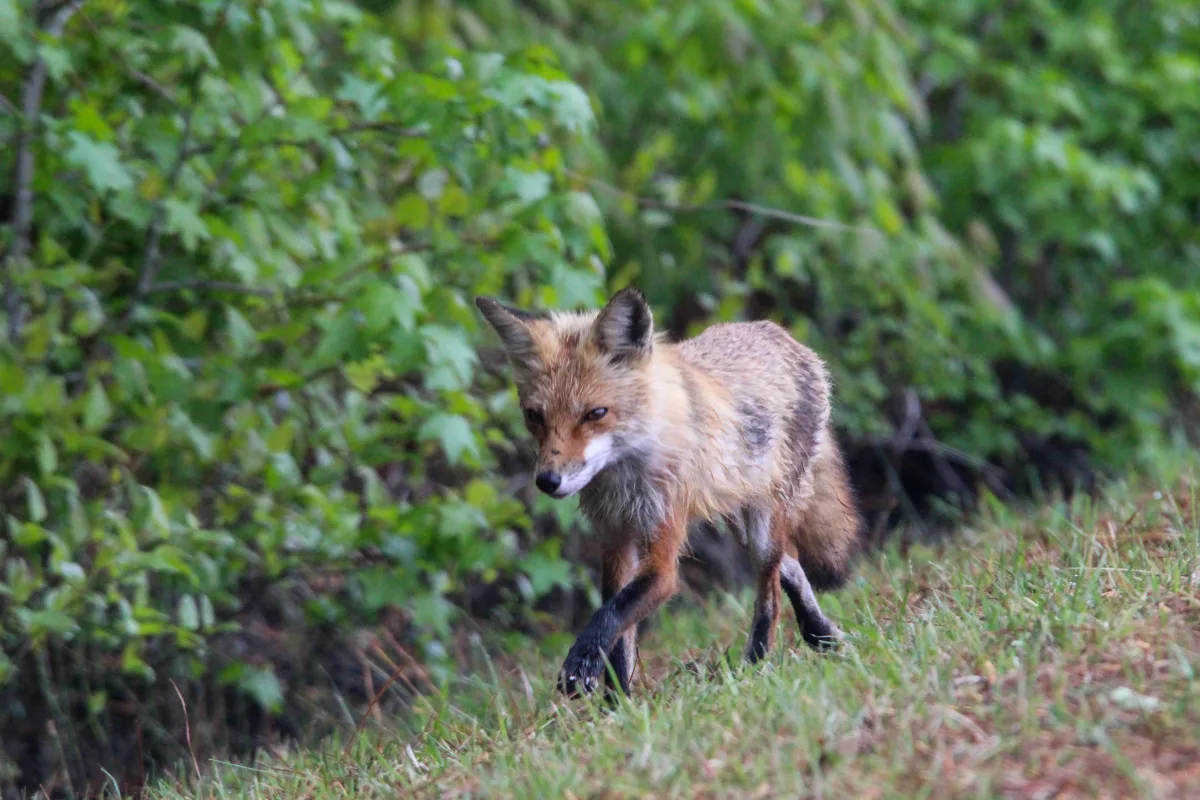
Red Fox
Vulpes vulpes
A slim, adaptable fox whose white-tipped tail is often the quickest field mark.
Open field guide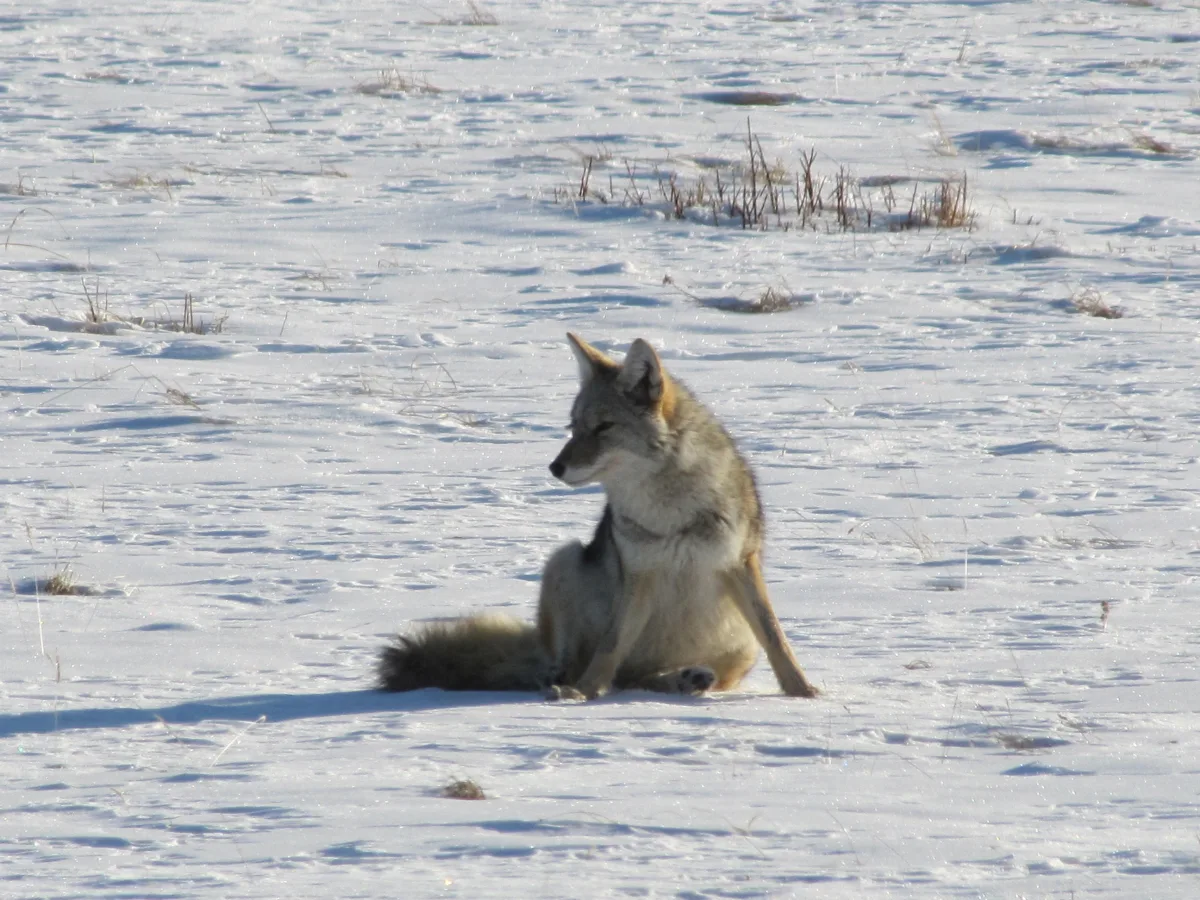
Coyote
Canis latrans
A lean, long-legged canid found across North America, including many cities.
Open field guide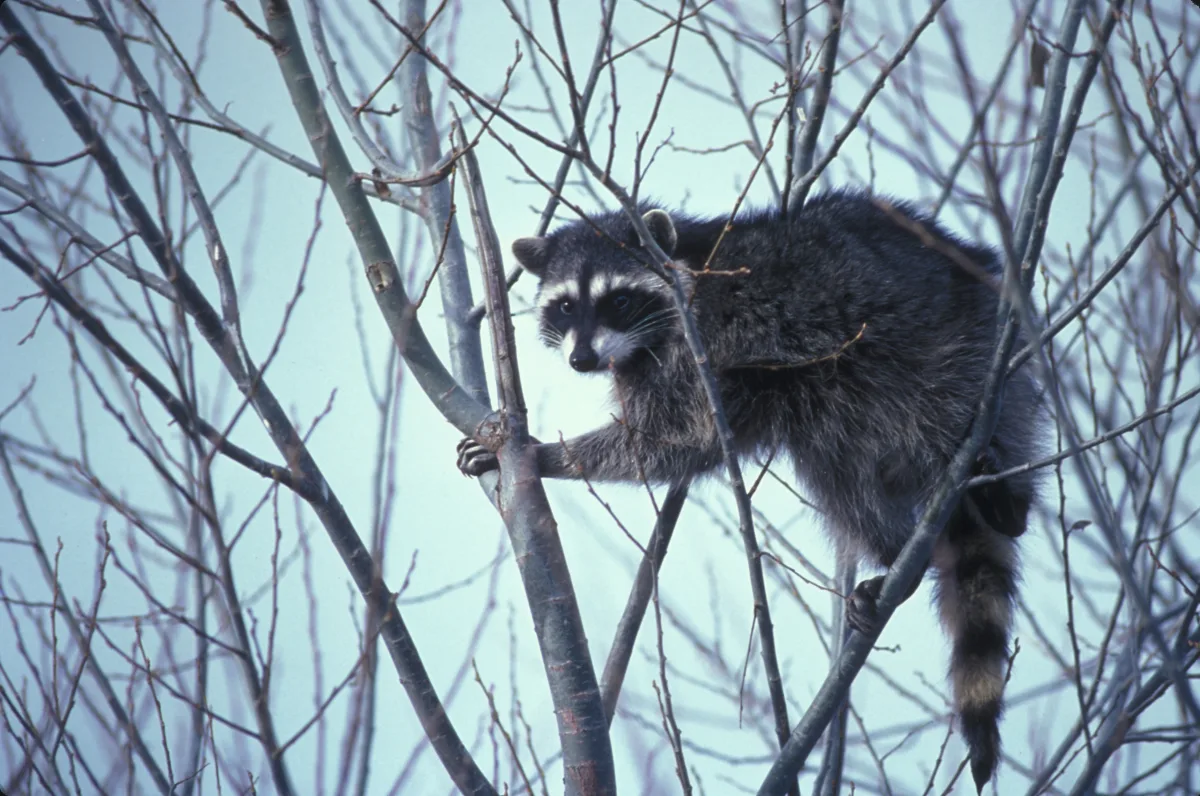
Common Raccoon
Procyon lotor
A dexterous, mostly nocturnal mammal with a black mask and a ringed tail.
Open field guide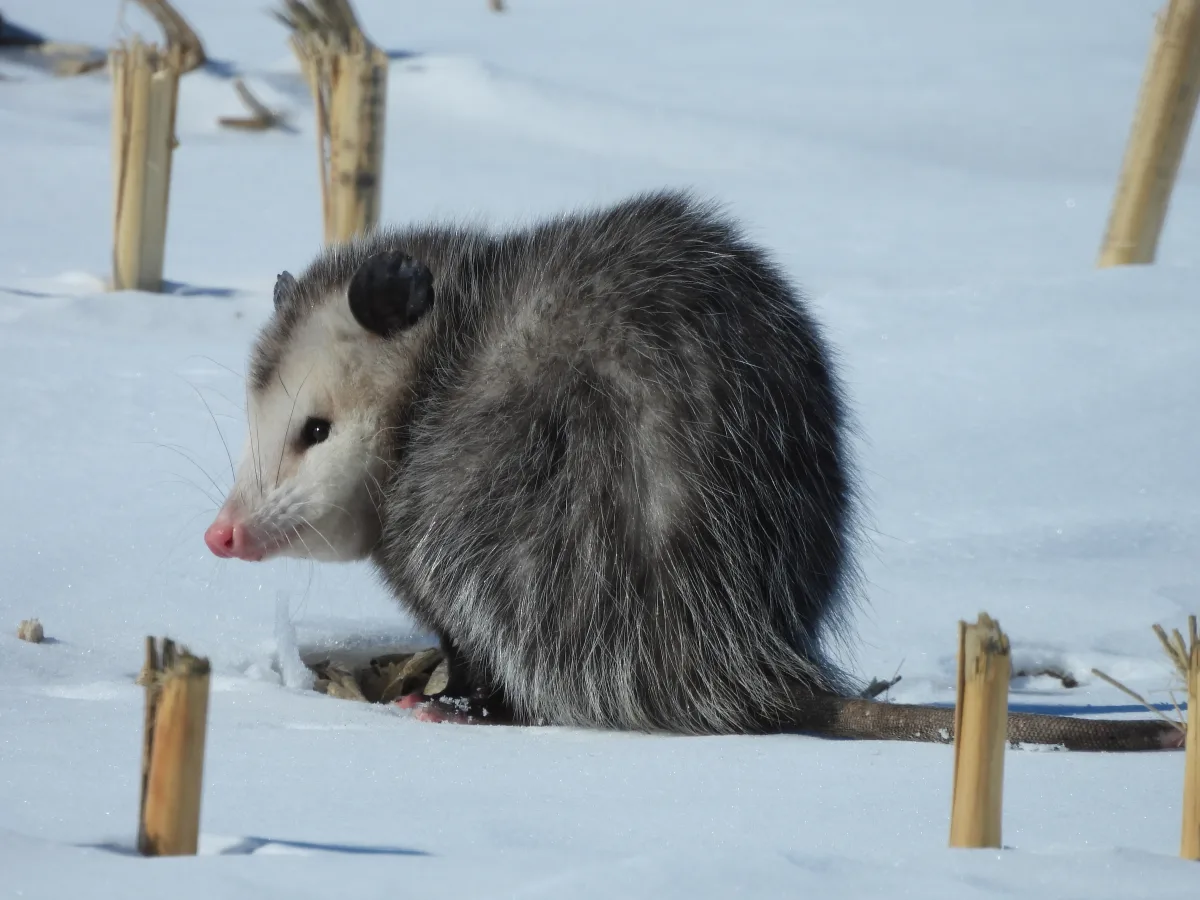
Virginia Opossum
Didelphis virginiana
North America’s familiar marsupial, recognizable by a pale face and nearly bare tail.
Open field guide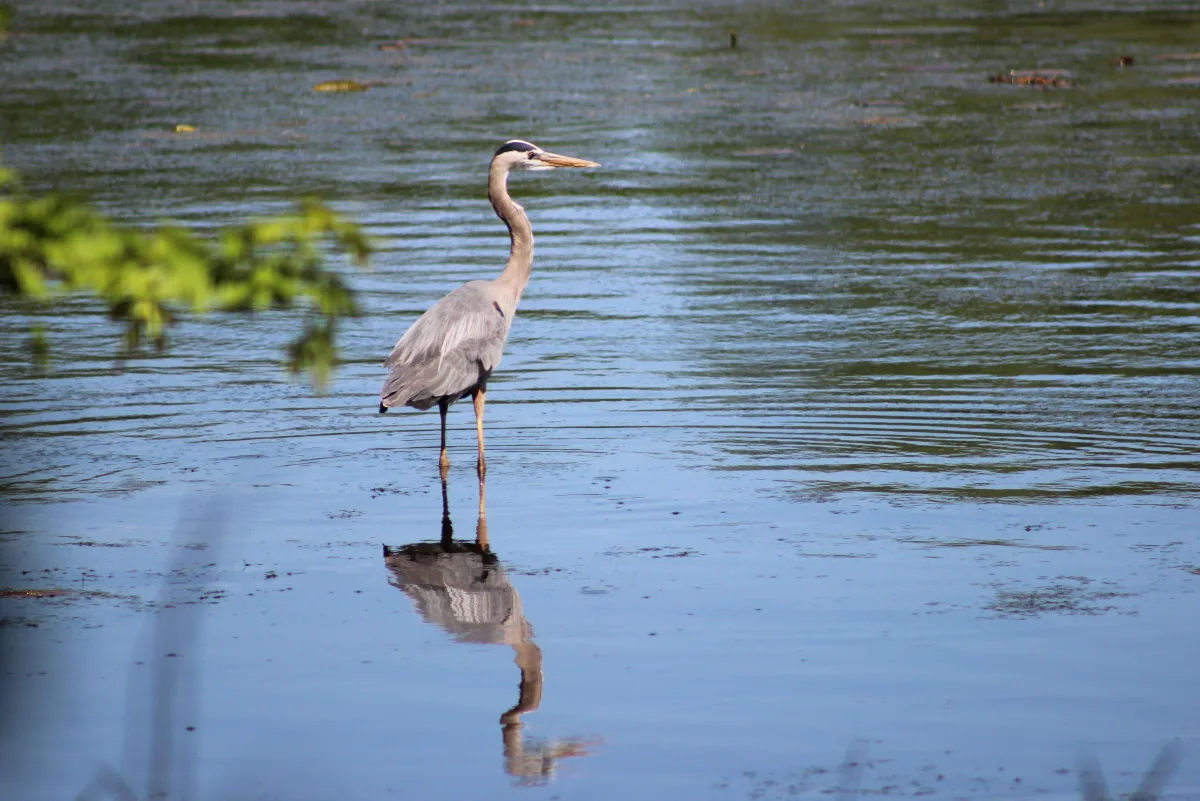
Great Blue Heron
Ardea herodias
North America’s largest heron, a patient hunter with broad wings and a daggerlike bill.
Open field guide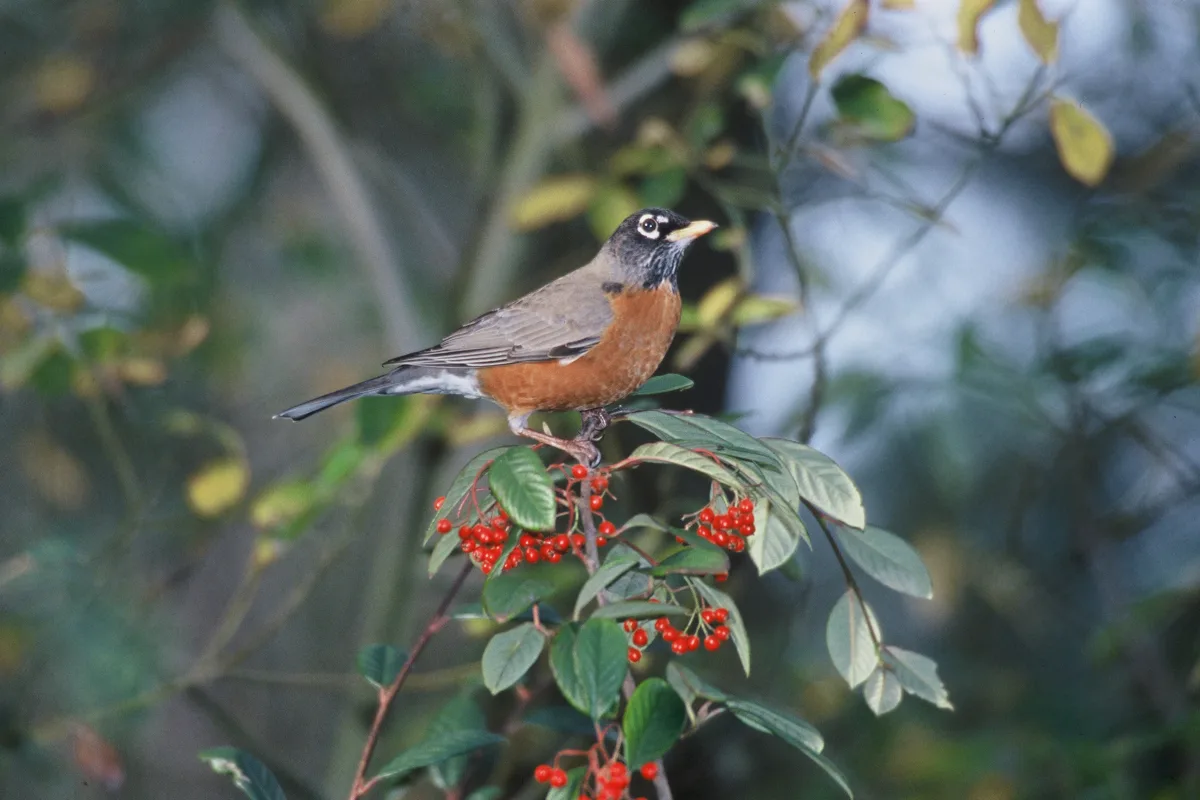
American Robin
Turdus migratorius
A familiar thrush that hunts on lawns and sings clear, rising and falling phrases.
Open field guide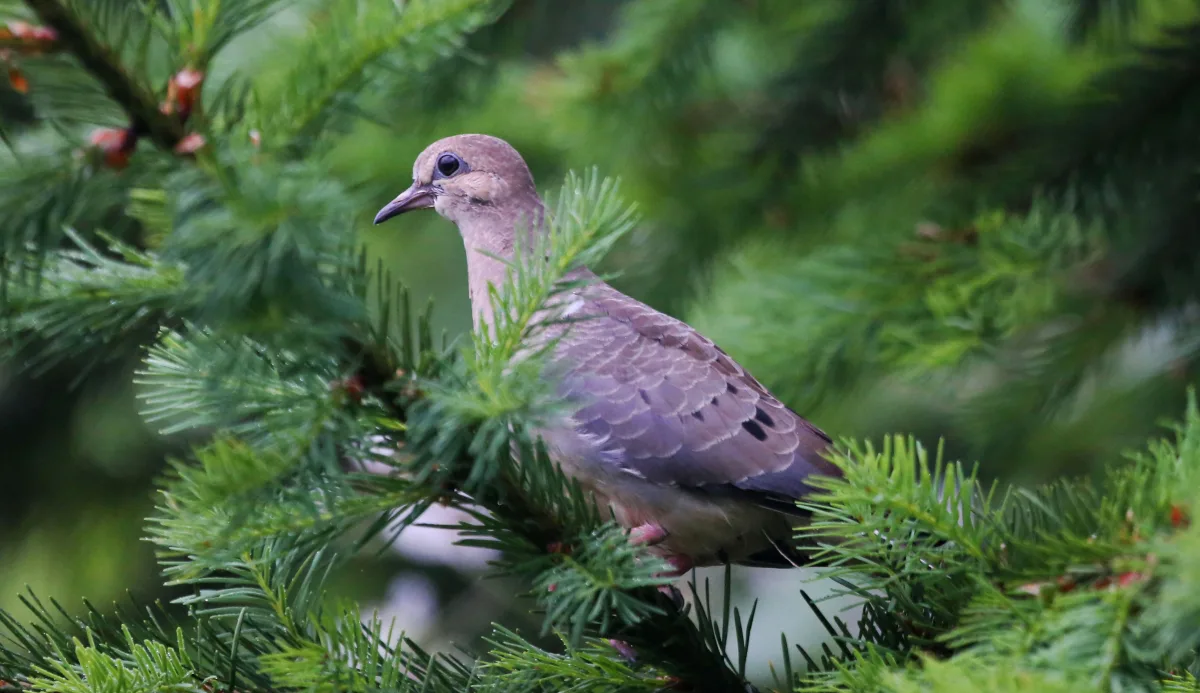
Mourning Dove
Zenaida macroura
A slender tan dove known for a long pointed tail, soft cooing, and whistling wings.
Open field guide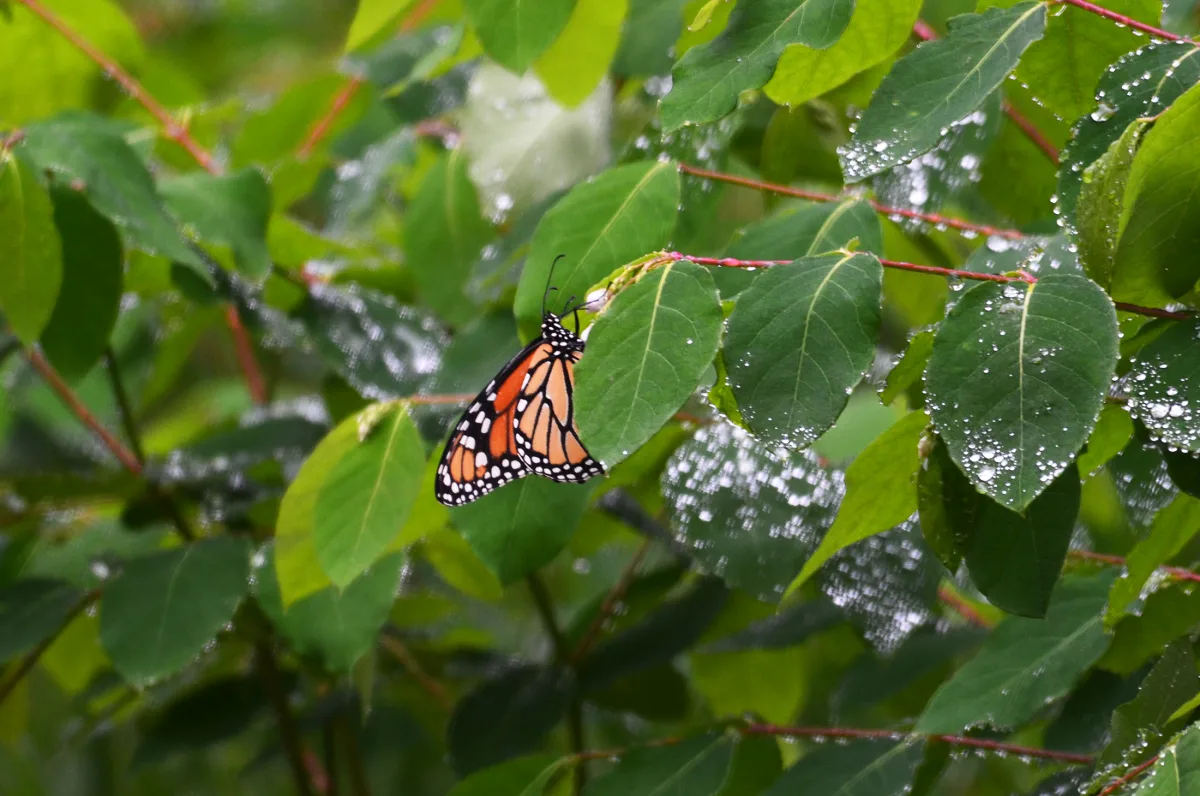
Monarch Butterfly
Danaus plexippus
An orange-and-black milkweed butterfly whose populations make extraordinary seasonal journeys.
Open field guide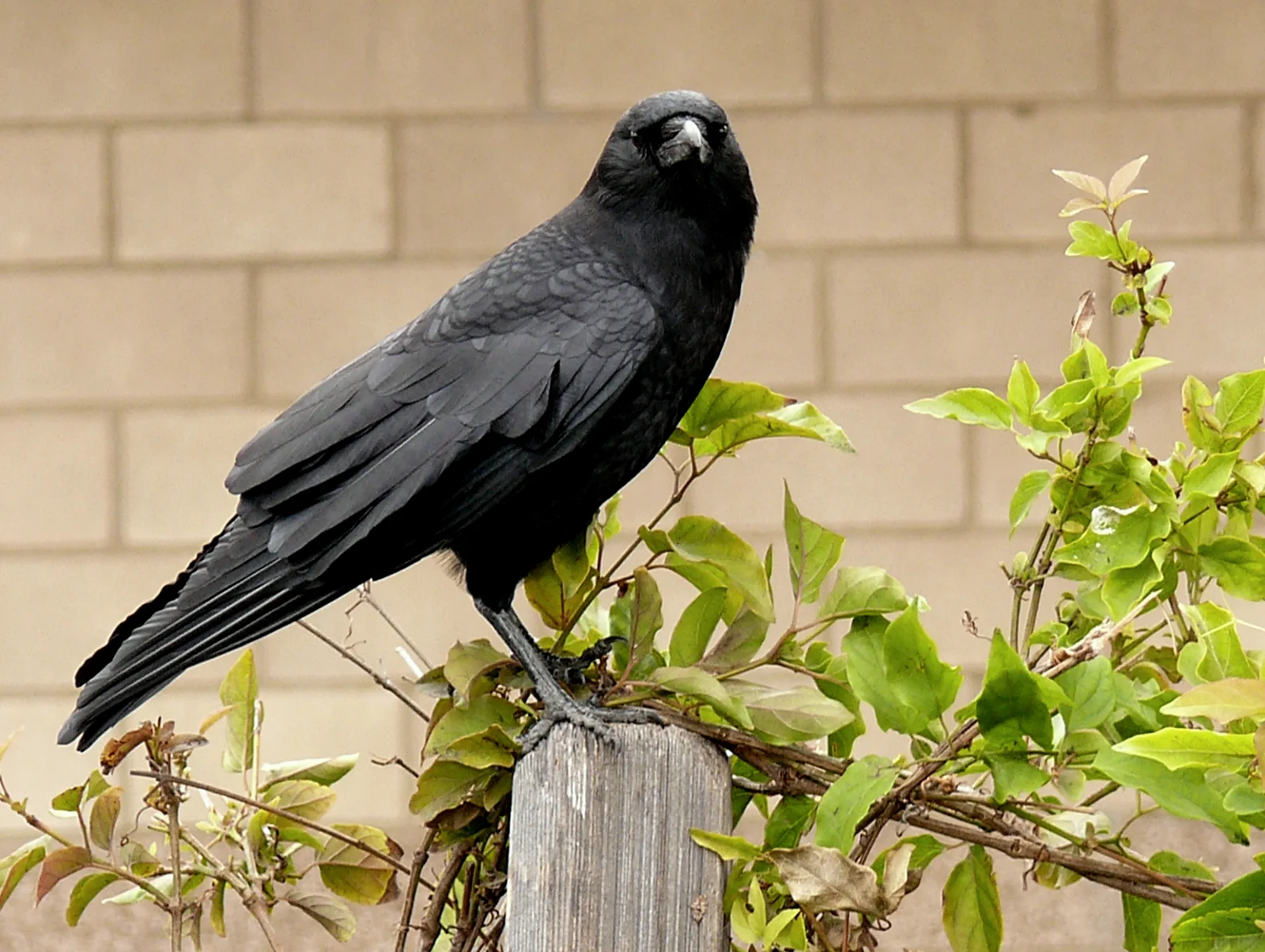
American Crow
Corvus brachyrhynchos
A glossy, pigeon-sized black bird whose rounded, fan-shaped tail is the quickest way to separate it from a raven.
Open field guide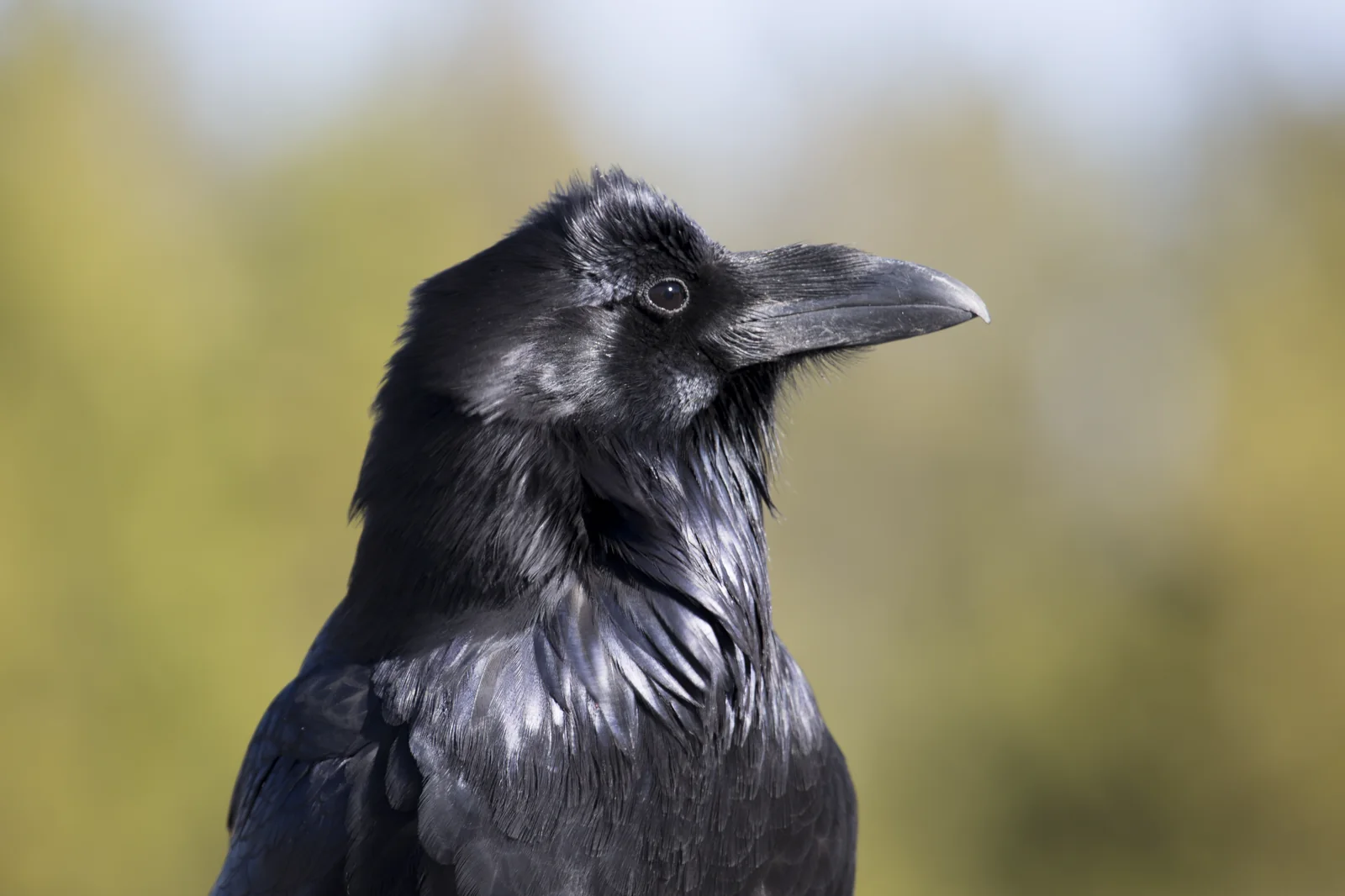
Common Raven
Corvus corax
A hawk-sized black corvid with a heavy bill, shaggy throat, and a wedge-shaped tail in flight.
Open field guide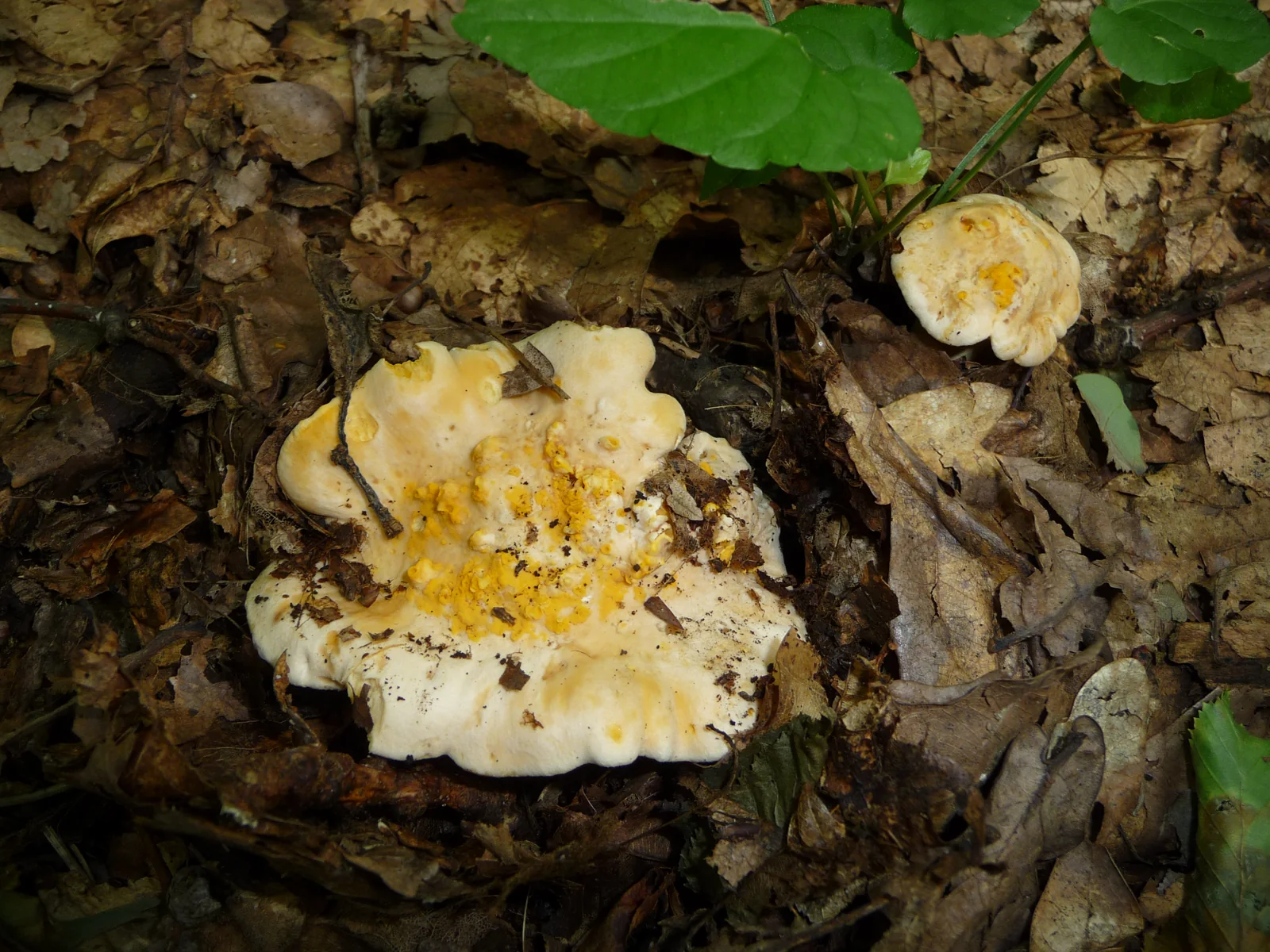
Golden Chanterelle
Cantharellus species
A prized golden mushroom whose underside has blunt, forked ridges known as false gills rather than true blades.
Open field guide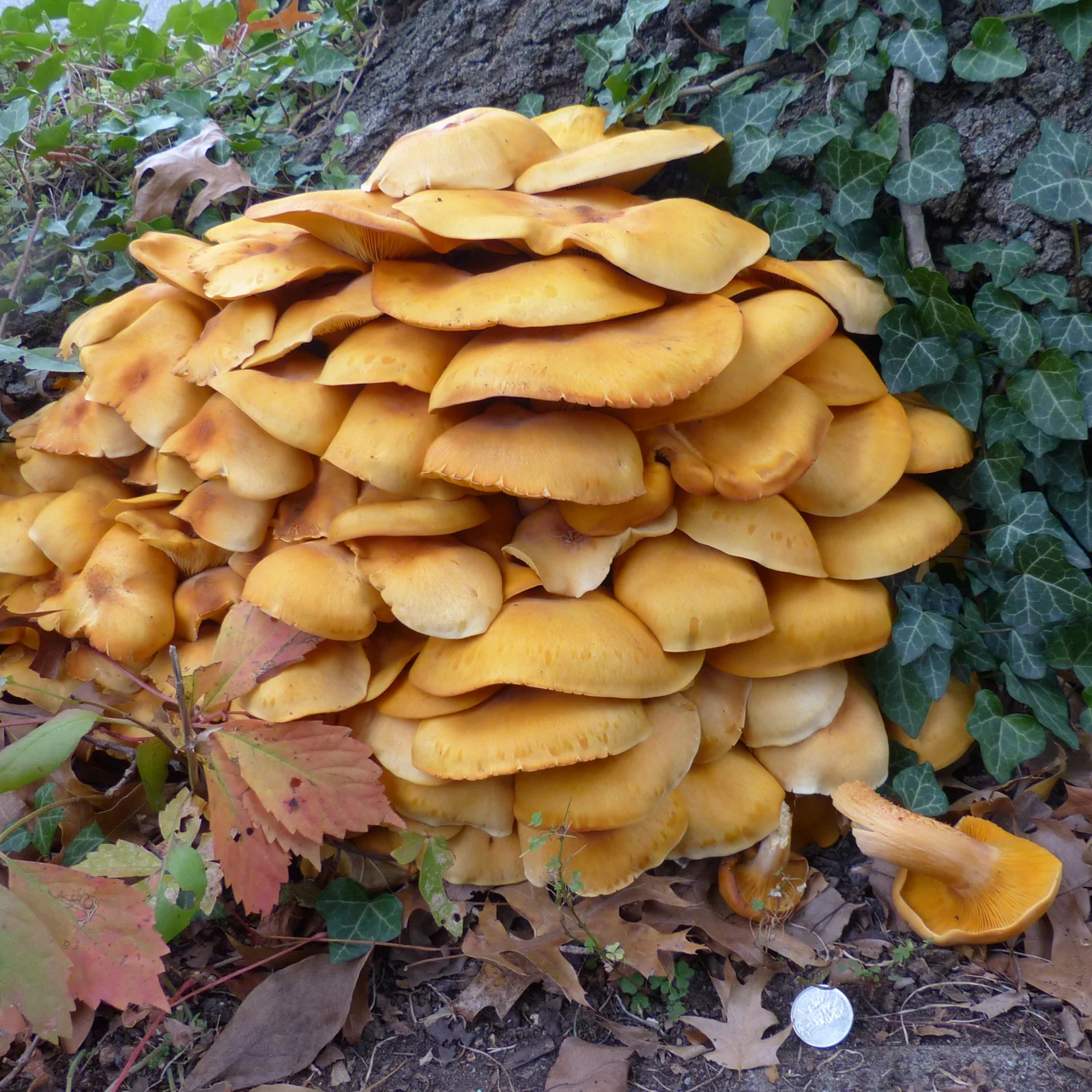
Jack-o'-lantern Mushroom
Omphalotus species
A vivid orange, toxic mushroom that grows in clusters on wood and has true, knife-edged gills. It is the classic chanterelle lookalike.
Open field guide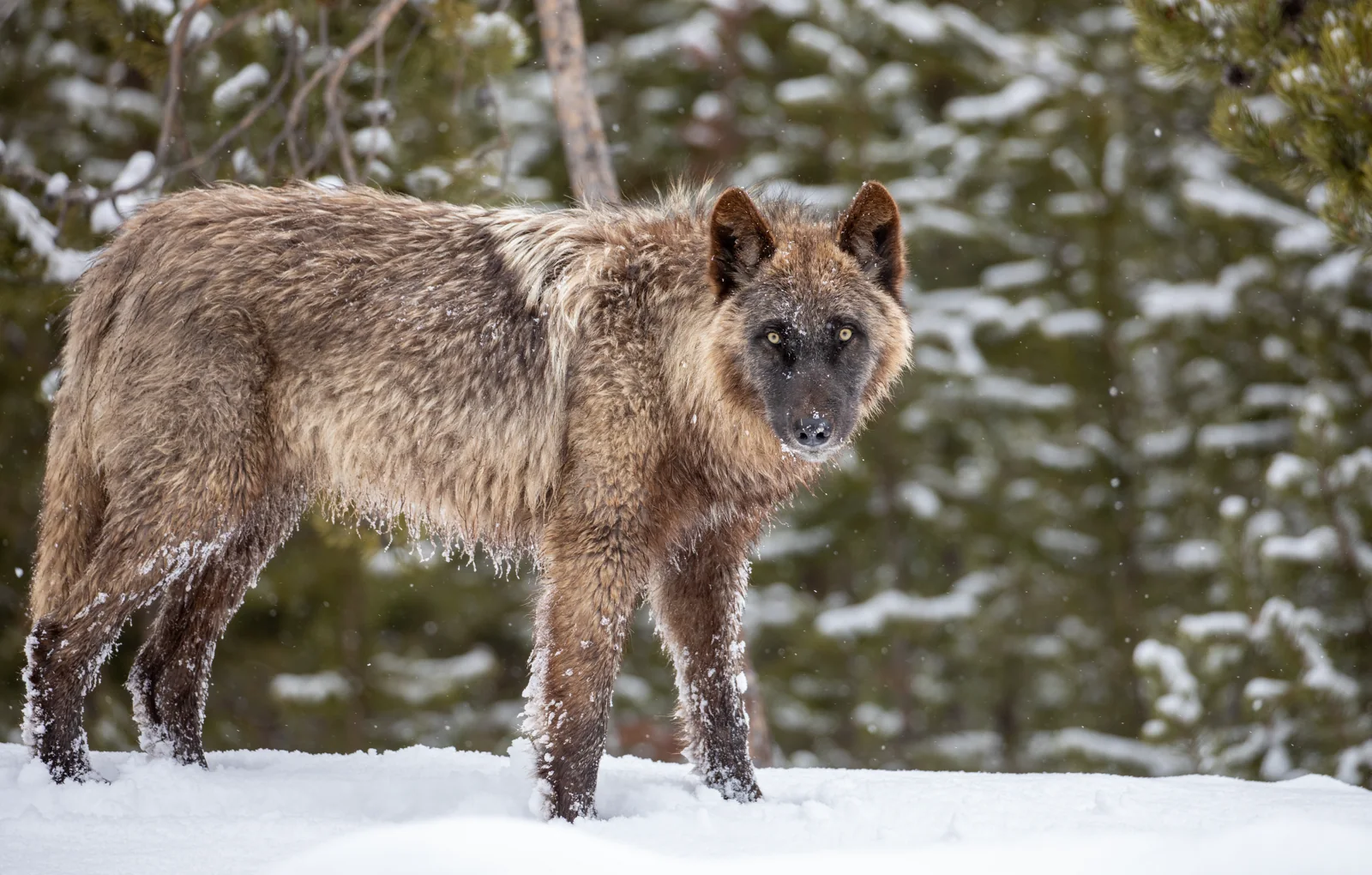
Gray Wolf
Canis lupus
North America's largest wild canid, with a broad head, short rounded ears, and a substantially heavier build than a typical coyote.
Open field guide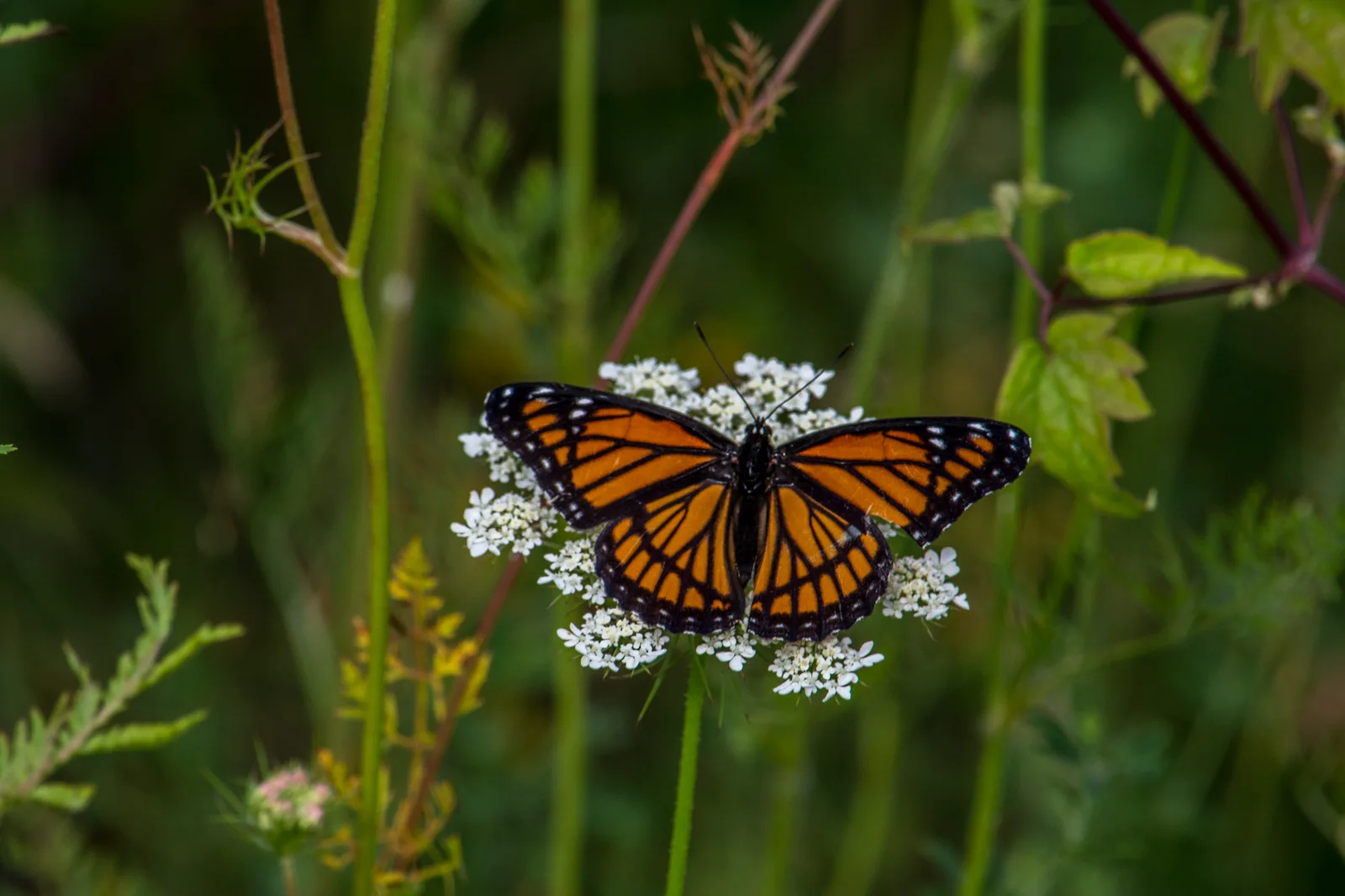
Viceroy
Limenitis archippus
A smaller monarch mimic, separated instantly by the black line that crosses each hindwing.
Open field guide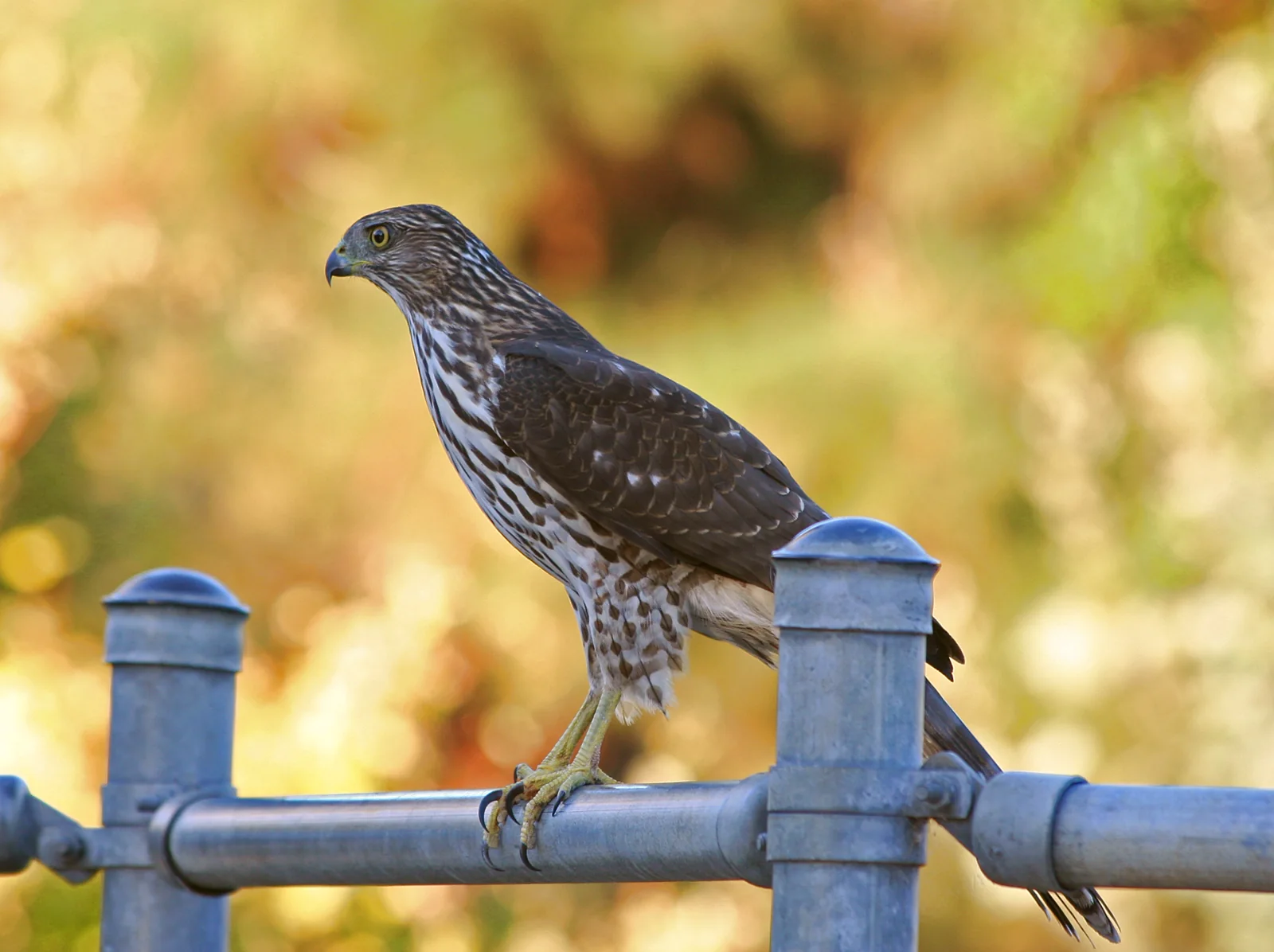
Cooper's Hawk
Astur cooperii
A crow-sized woodland hawk with a large, blocky head that projects well ahead of the wings in flight.
Open field guide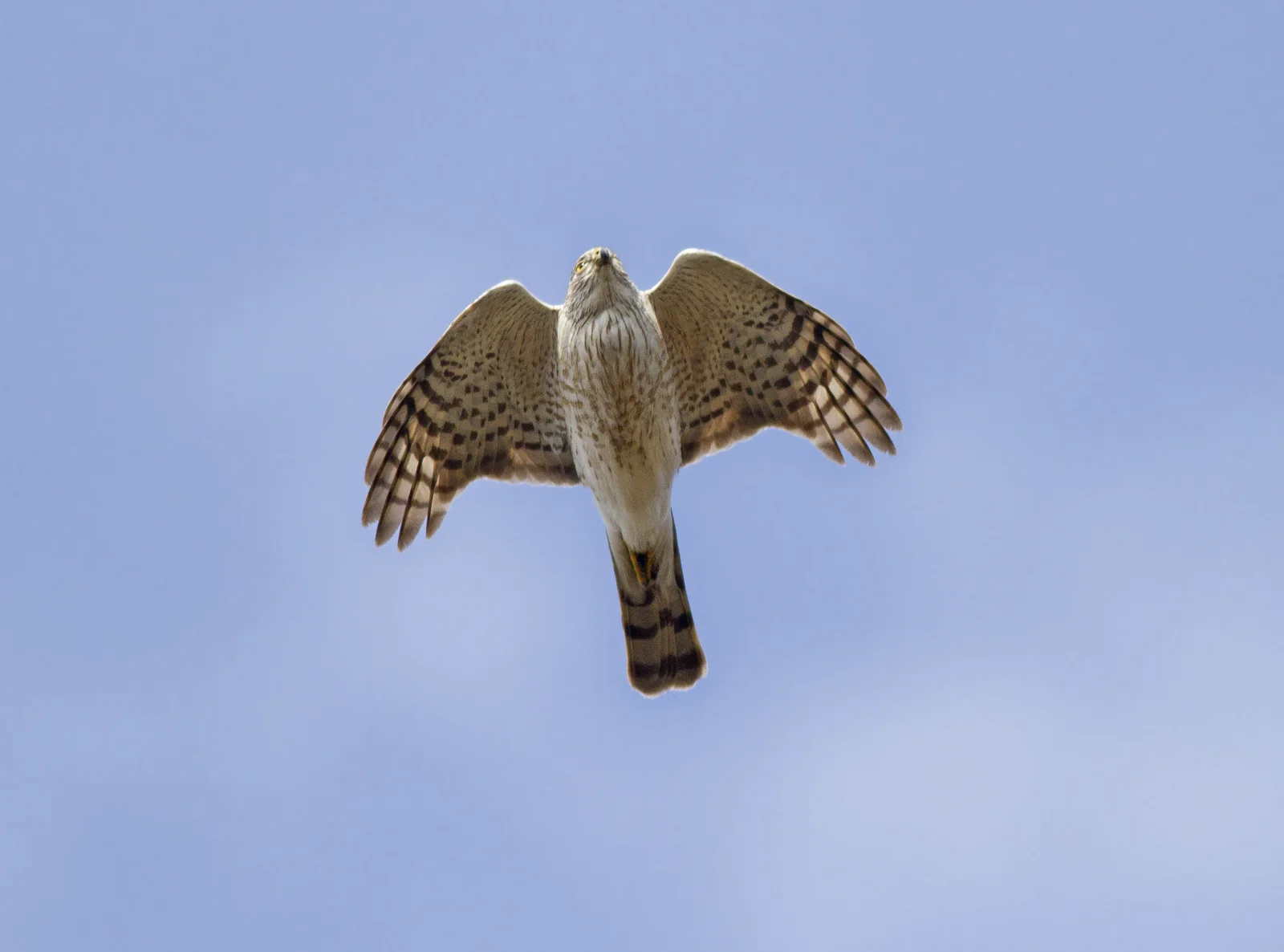
Sharp-shinned Hawk
Accipiter striatus
A jay-sized woodland hawk with a small head, squared tail, and pencil-thin legs.
Open field guide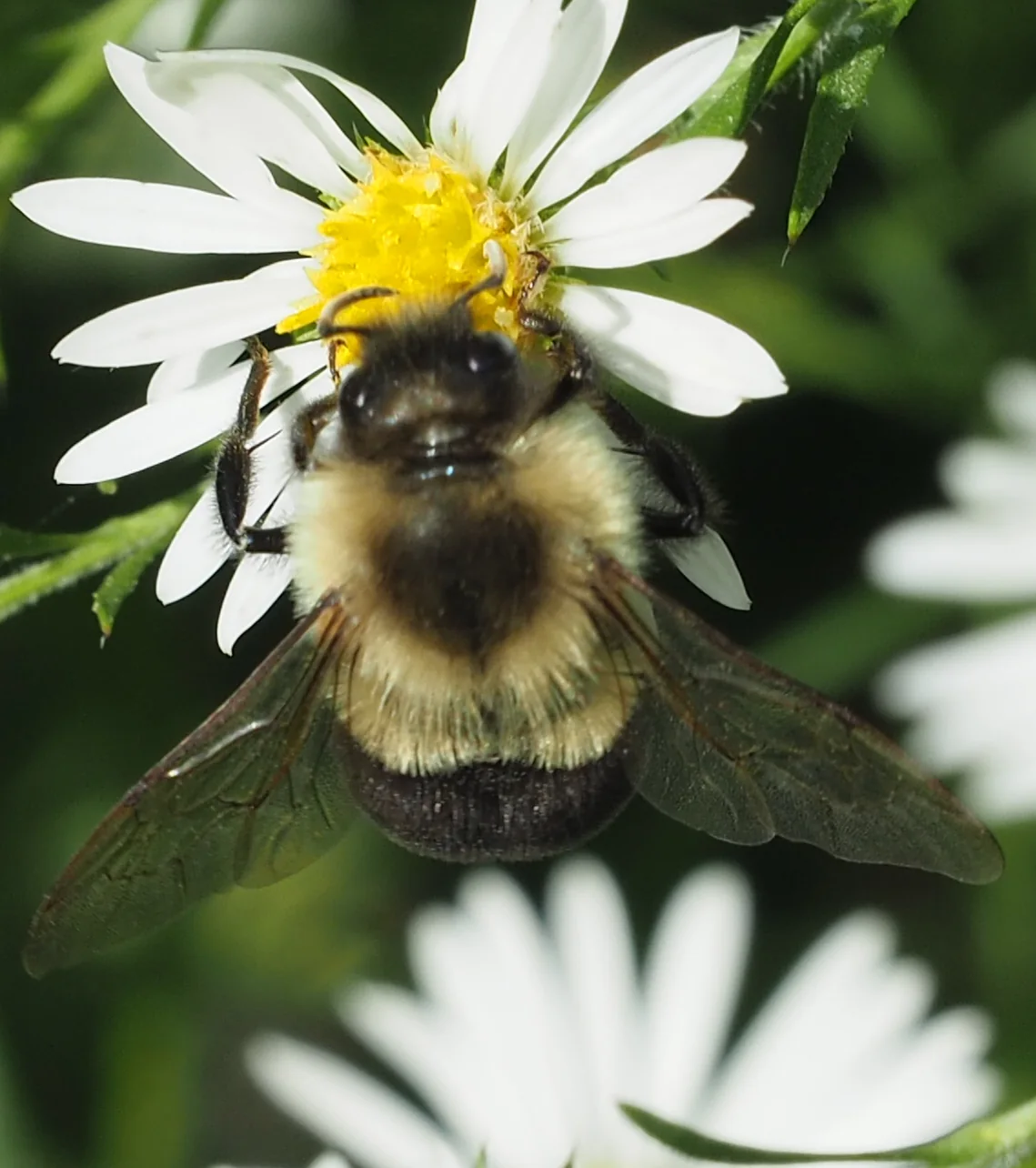
Bumble Bee
Bombus spp.
A round, thoroughly furry bee whose hairy abdomen separates it from the shiny-backed carpenter bee.
Open field guide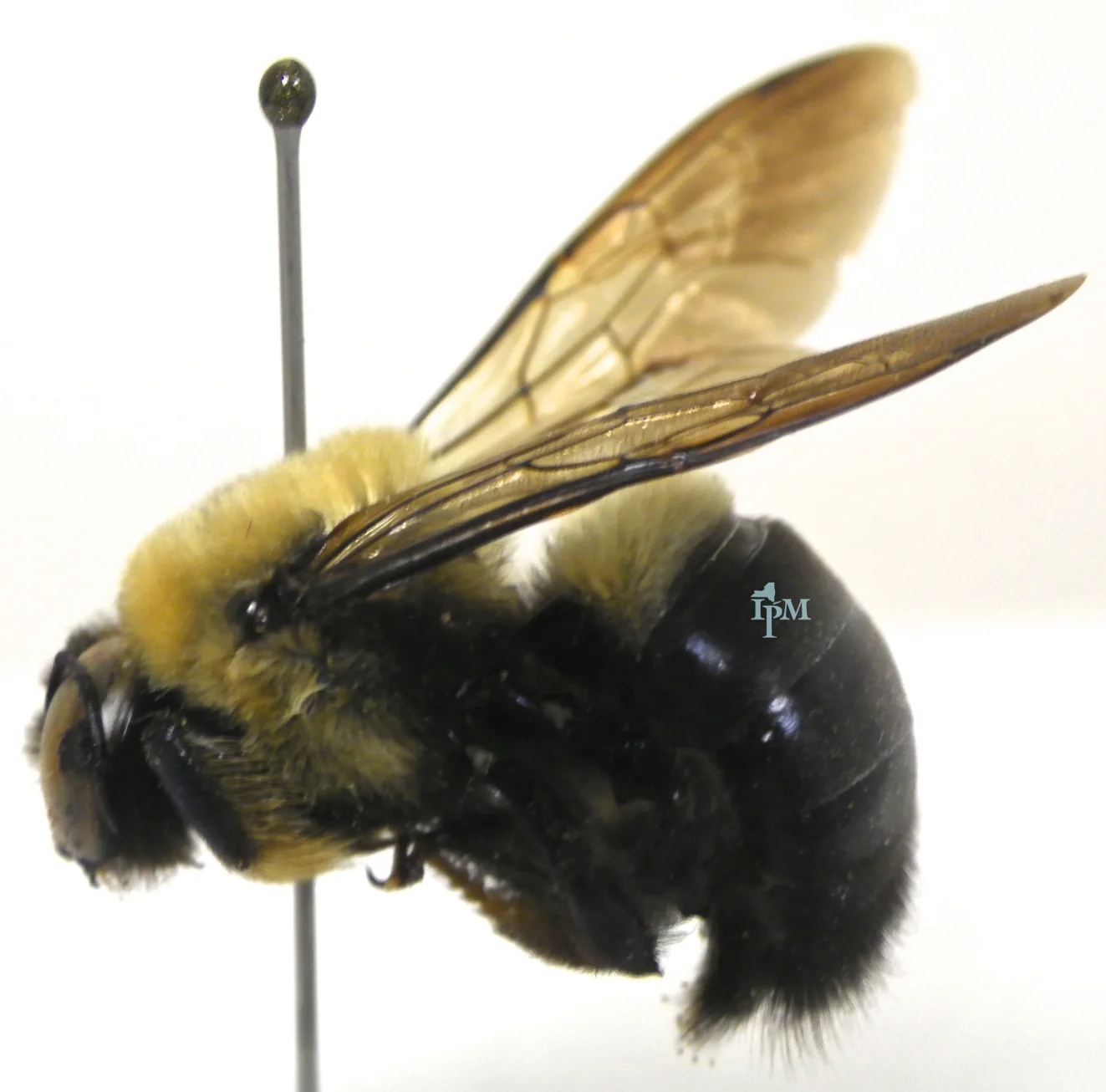
Eastern Carpenter Bee
Xylocopa virginica
A bumble-bee-sized bee with a bare, glossy black abdomen that tunnels its nest into wood.
Open field guide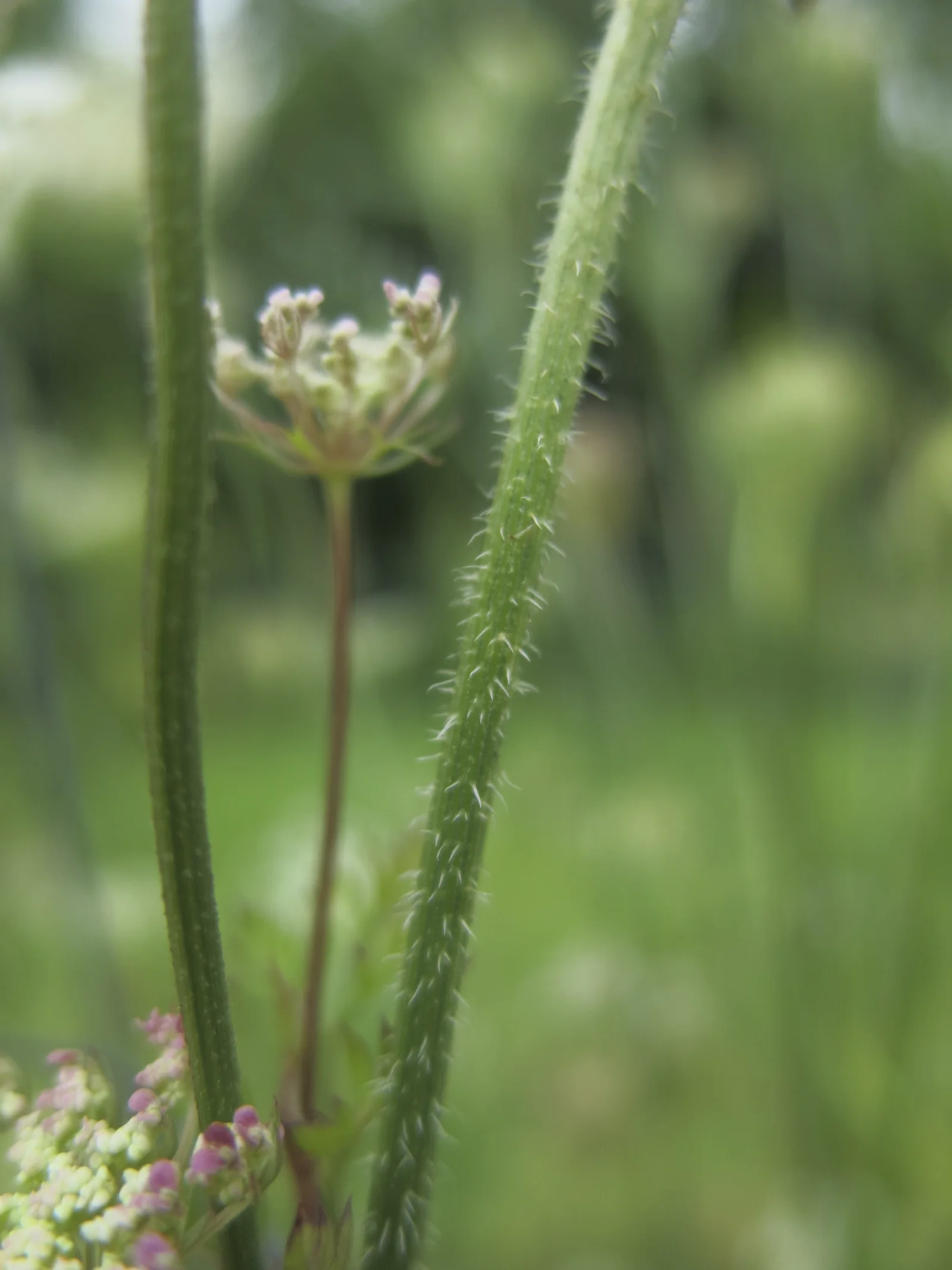
Queen Anne's Lace
Daucus carota
This hairy-stemmed roadside umbel is a wild carrot. Its deadly hemlock lookalike makes the stem worth checking every time.
Open field guide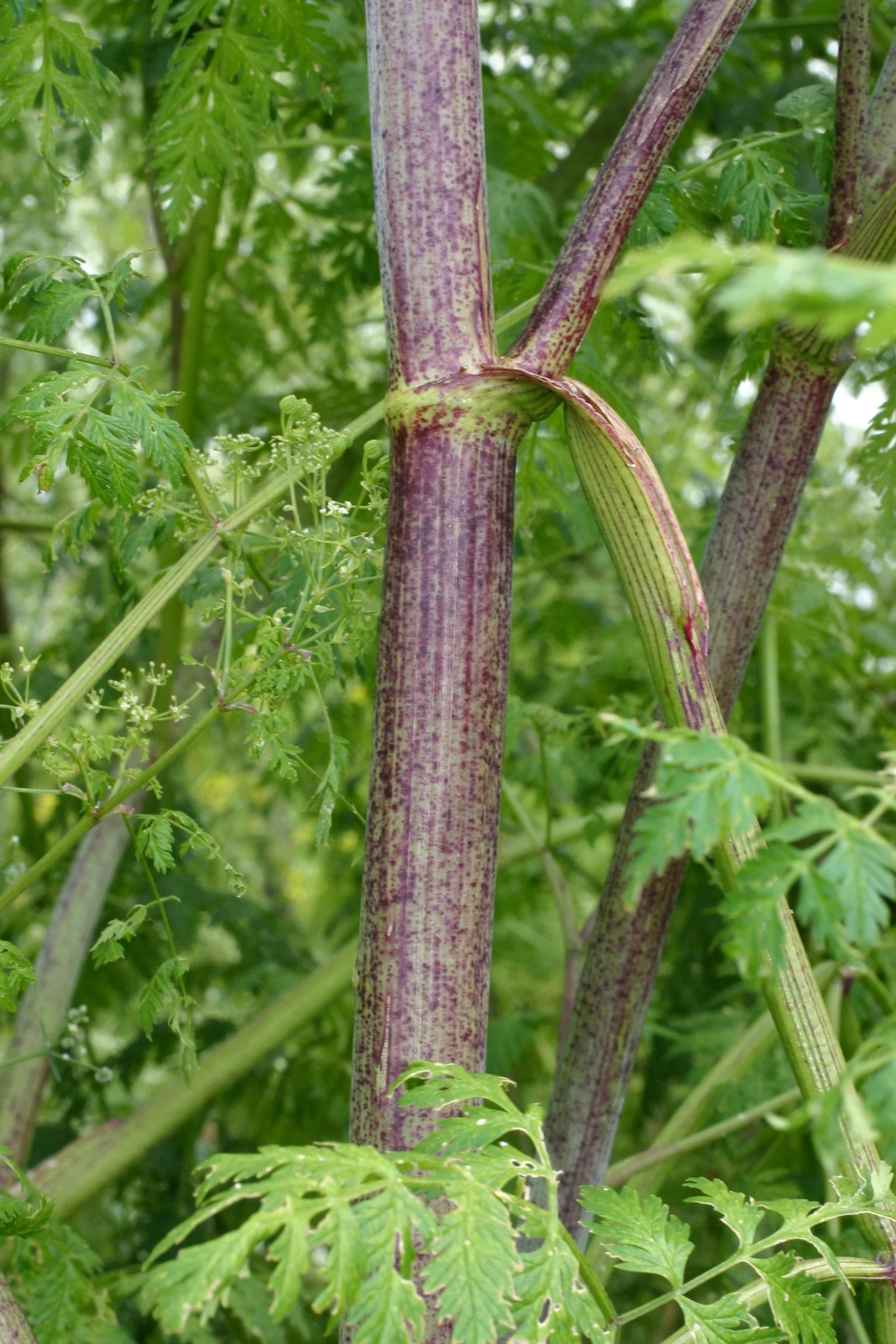
Poison Hemlock
Conium maculatum
One of North America's most poisonous plants, identifiable year-round by smooth stems blotched with purple.
Open field guide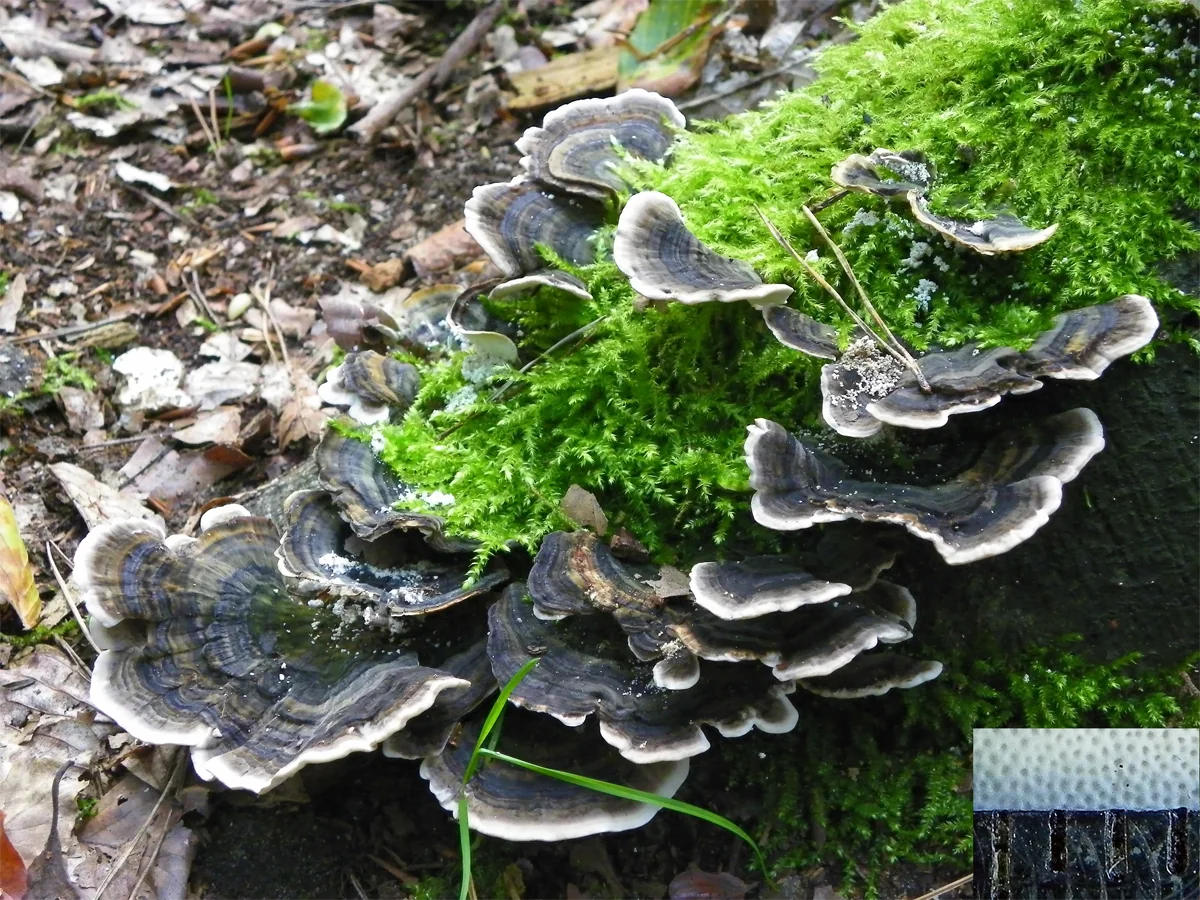
Turkey Tail
Trametes versicolor
A thin, banded bracket fungus identified with certainty by the fine pore surface on its underside.
Open field guide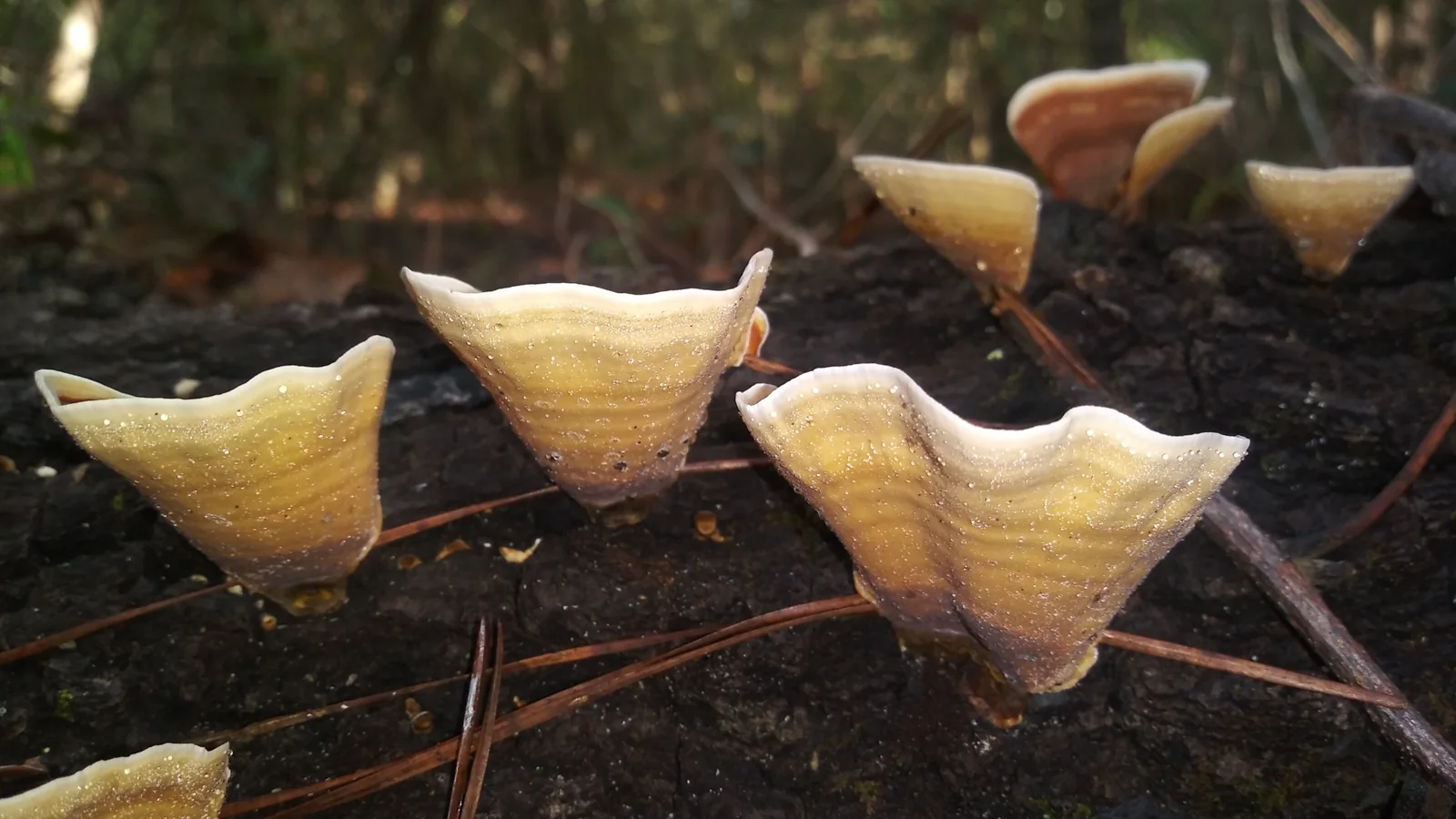
False Turkey Tail
Stereum ostrea
A banded lookalike bracket that gives itself away with a completely smooth, poreless underside.
Open field guide