
Species
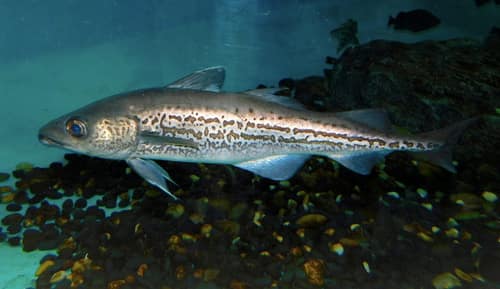
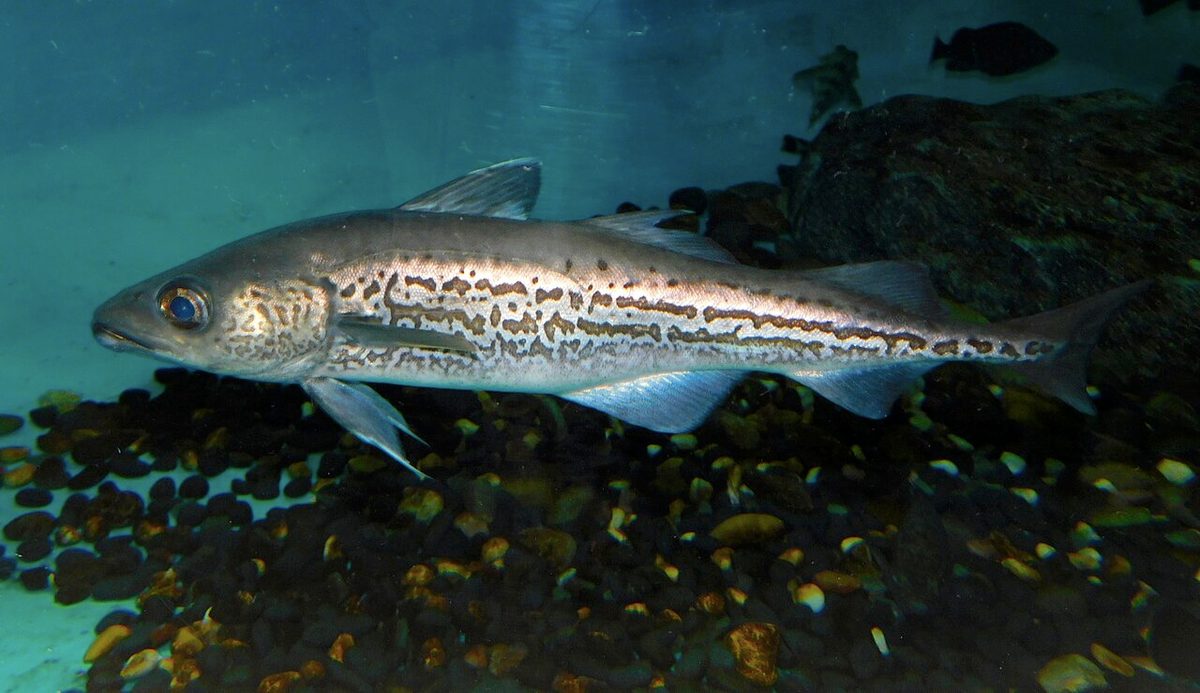
Alaska Pollock
Gadus chalcogrammusAlso known as Walleye Pollock, Pacific Pollock, Bigeye Pollock
Alaska pollock form vast, shimmering schools that dominate the pelagic waters of the North Pacific and Bering Sea, serving as the central hinge of the subarctic marine food web. Adults undertake seasonal migrations between deep overwintering shelf waters and shallow coastal spawning grounds, where females broadcast hundreds of thousands of eggs into the current. Their extraordinary biomass sustains apex predators across the region and fuels the largest single-species commercial fishery on the planet.
MarineSchoolingColdwater
—observations
—countries
—peak records
Least ConcernConservation statusIUCN Red List categoriesLCNTVUENCREWEXLeast ConcernRed List categories, explained →
Diet & preyKrill, Copepods, Pacific Herring
Predators
- Steller Sea Lion
- Pacific Halibut
- Harbor Seal
ThreatsClimate-driven ocean warming, shifting sea ice extent, and intensive commercial fishing
HabitatsContinental shelf and upper slope waters in the subarctic North Pacific
Life span12–15 years
Classification
- FamilyGadidae
- SpeciesGadus chalcogrammus
Range data is not available yet.
Interaction riskLow
- Low
- Moderate
- High
- Very high
- Why interaction risk is low
- Safe to observe at a normal distance.
Responsible observation
- Diving Encounters: Look for dense schools near subarctic drop-offs, moving calmly to avoid scattering the school.
- Sustainable Seafood: Check catch certification labels to ensure consumer products originate from sustainably managed fisheries.
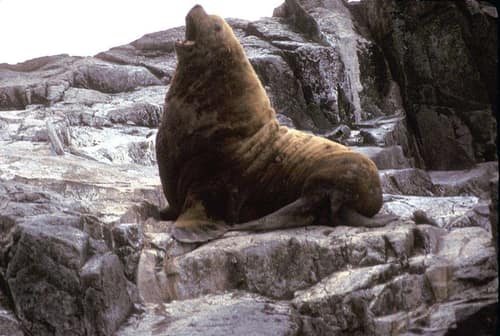
Predator Wikimedia Commons / Public domain · cc0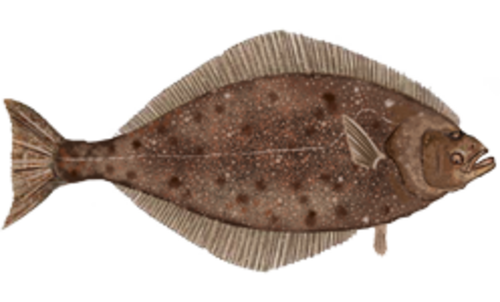
Predator Unknown authorUnknown author / Public domain · cc0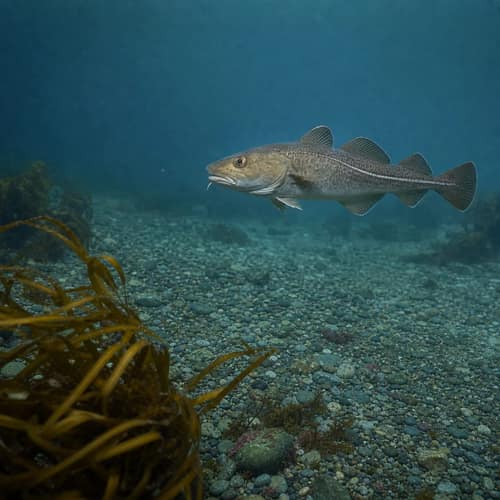
Close Relative David Csepp NMFS / Public Domain (NOAA) · Public Domain (NOAA)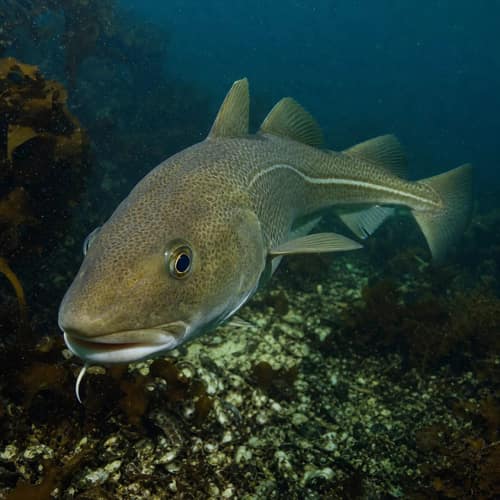
Close Relative NOAA / Public Domain (NOAA) · Public Domain (NOAA)
Help improve the field guideSomething wrong?
Checking your Fauna account…Report a name, category, or profile issue for review.