
Species
American Eel
Anguilla rostrataAlso known as Silver Eel, Glass Eel, Yellow Eel, Freshwater Eel
American eels undertake one of nature's most extraordinary journeys, hatching in the Sargasso Sea before riding ocean currents to transform into translucent glass eels along North American coasts. As adults, they spend decades hunting in freshwater rivers and estuaries before returning to the deep ocean to spawn once and die. Dams and river fragmentation present severe obstacles to these ancient nocturnal travelers during their upstream and downstream migrations.
MigratoryCatadromousNocturnal
—observations
—countries
—peak records
EndangeredConservation statusIUCN Red List categoriesLCNTVUENCREWEXEndangeredRed List categories, explained →
Diet & preyCrayfish, Aquatic Insects, Small Fish
Predators
- Osprey
- Striped Bass
- Great Blue Heron
ThreatsHydroelectric dams, habitat loss, overfishing, and parasites
HabitatsRivers, streams, lakes, estuaries, and the Atlantic Ocean
Life span15–30 years
Classification
- FamilyAnguillidae
- SpeciesAnguilla rostrata
Range data is not available yet.
Interaction riskLow
- Low
- Moderate
- High
- Very high
- Why interaction risk is low
- Slippery skin and strong jaws allow cornered adults to bite; handle gently if accidentally caught.
- What to notice
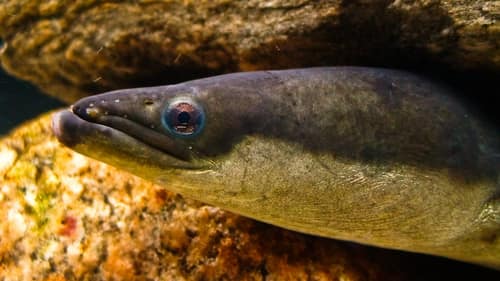
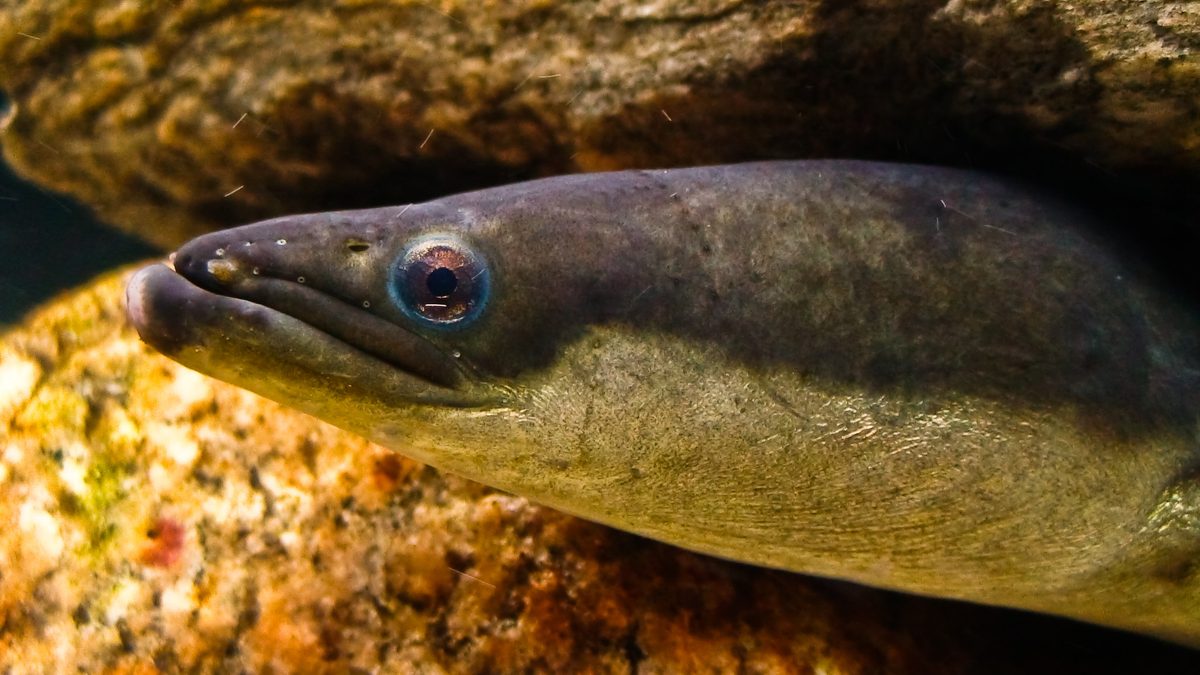
- Recognized by a long serpentine body, continuous fin fold along the back and belly, and greenish-yellow to dark brown coloring.
- Support conservation
- Maintain distance, avoid disturbing upstream glass eel migrations, and minimize handling time if incidentally hooked.
Responsible observation
- Nighttime Viewing: Scan shallow river margins and muddy bottoms with a red light after dusk when eels actively hunt.
- Angling Etiquette: Use barbless hooks and wet hands to minimize damage if caught accidentally, and release immediately.
- Observe Barriers: Look for specialized eel ladders near dams where migrating juveniles aggregate during spring upstream runs.
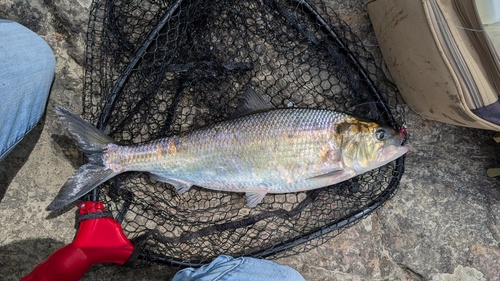
River Neighbor no rights reserved · cc0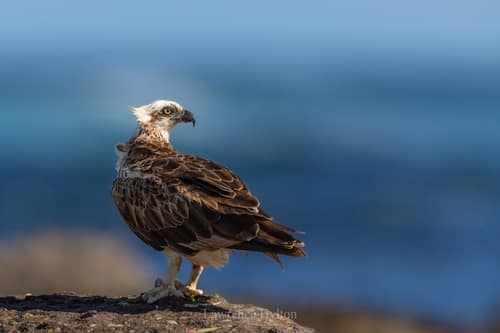
Predator (c) Lawrence Hylton, some rights reserved (CC BY), uploaded by Lawrence Hylton · cc-by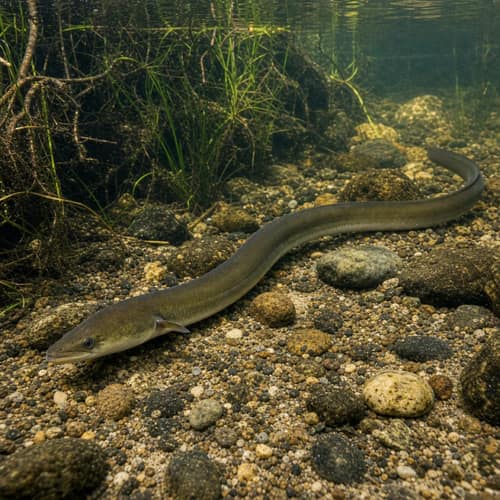
Close Relative Bernard Dupont / CC BY-SA 2.0 · CC BY-SA 2.0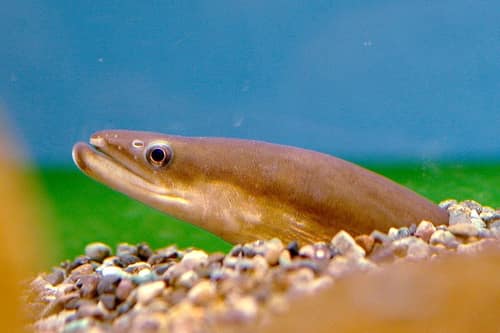
Close Relative opencage / CC BY-SA 2.5 · CC BY-SA 2.5
Help improve the field guideSomething wrong?
Checking your Fauna account…Report a name, category, or profile issue for review.