
Mammal
African Savanna Elephant
Loxodonta africanaAlso known as African Bush Elephant, Bush Elephant
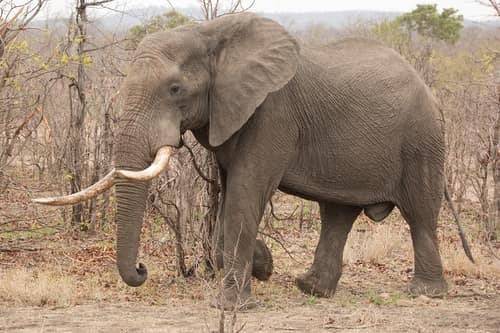
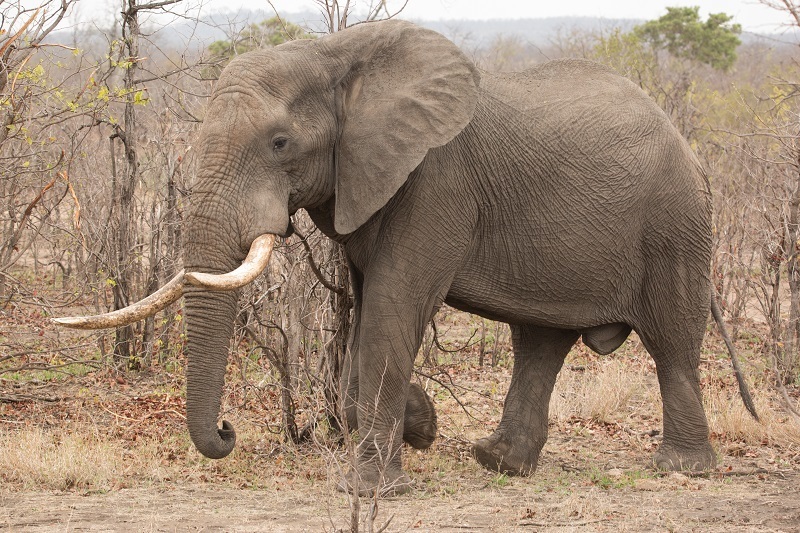
African savanna elephants navigate vast landscapes in matriarchal family units led by the oldest female, relying on deep memory networks to find seasonal waterholes. Communication ranges from soft contact rumbles to powerful low-frequency infrasound that travels miles through the soil. As ecosystem engineers, herds pull down trees, dig natural water basins, and disperse seeds that maintain the structure of African grasslands.
Keystone SpeciesSocialHerbivore
—observations
—countries
—peak records
EndangeredConservation statusIUCN Red List categoriesLCNTVUENCREWEXEndangeredRed List categories, explained →
Diet & preyGrasses, Tree Bark, Acacia Foliage
Predators
- Lion
ThreatsPoaching for ivory, habitat loss, and human-wildlife conflict
HabitatsSavannas, open woodlands, grasslands, and semi-deserts
Life span60–70 years
Classification
- OrderProboscidea
- FamilyElephantidae
- GenusLoxodonta
- SpeciesLoxodonta africana
Native
Interaction riskHigh
- Low
- Moderate
- High
- Very high
- Why interaction risk is high
- Extremely strong and dangerous when charging; observe quietly from a vehicle at a safe distance.
- Why it is dangerous
- Bulls in musth or protective matriarchs can charge at high speeds, using massive weight and tusks to crush threats.
- How to recognize a risky encounter
- Recognize massive frame, fan-shaped ears, long curved tusks, and distinct trunk with two finger-like tips.
- What to do
- Keep a wide berth, never block retreat paths, and remain inside a locked vehicle at all times.
- What to notice
- Identified by large continent-shaped ears, concave back, and grey wrinkled hide.
- Support conservation
- Disable geotags on photos before publishing online to protect wild herds from illegal hunting networks.
Responsible observation
- Safe Distance: Always stay inside your safari vehicle and keep at least fifty meters away from herds.
- Respect Demeanor: Back away immediately if a bull in musth or a mother with a calf flap ears aggressively or trumpets.
- Quiet Viewing: Keep vehicle engines off and speak softly to avoid alarming nearby family groups.
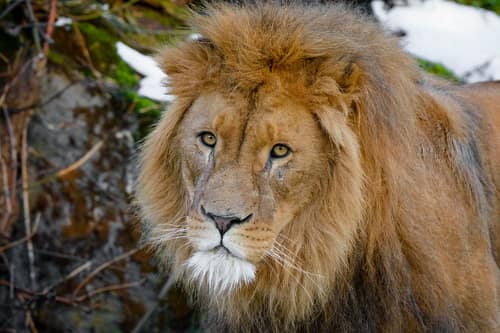
Predator "African Lion" by Mathias Appel is marked with CC0 1.0. To view the terms, visit https://creativecommons.org/publicdomain/zero/1.0/. · cc0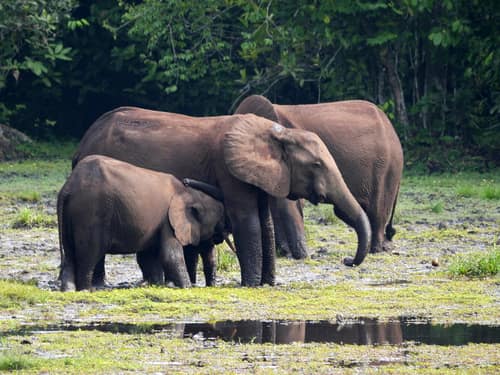
Close Relative (c) Matt Muir, some rights reserved (CC BY), uploaded by Matt Muir · cc-by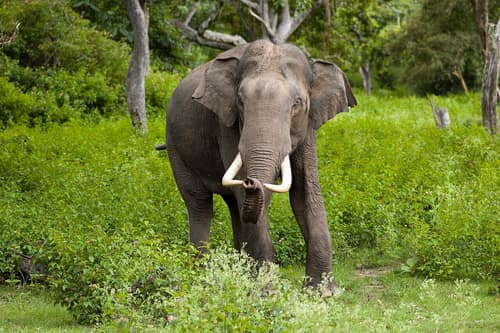
Close Relative Yathin S Krishnappa / CC BY-SA 3.0 · cc-by-sa
Distant Relative (c) dhfischer, some rights reserved (CC BY) · cc-by
Keep collecting in Fauna
Found in Collections
Species set Pro
Safari Ranger
African Savanna Elephant is found in this collection. Identify it in Fauna to fill this slot and continue your progress.
Unlock to track progress
Help improve the field guideSomething wrong?
Checking your Fauna account…Report a name, category, or profile issue for review.