
Plant
Century Plant
Agave americanaAlso known as Maguey, American Aloe
Century plants spend decades as massive, slow-growing rosettes of thick blue-green leaves lined with sharp prickles. At the end of its life, the plant produces a massive flowering stalk that shoots up over eight meters tall in just a few weeks. After blooming and setting seed, the primary rosette dies, leaving behind cloned offset pups around its base to continue the cycle.
SucculentFloweringDrought-Tolerant
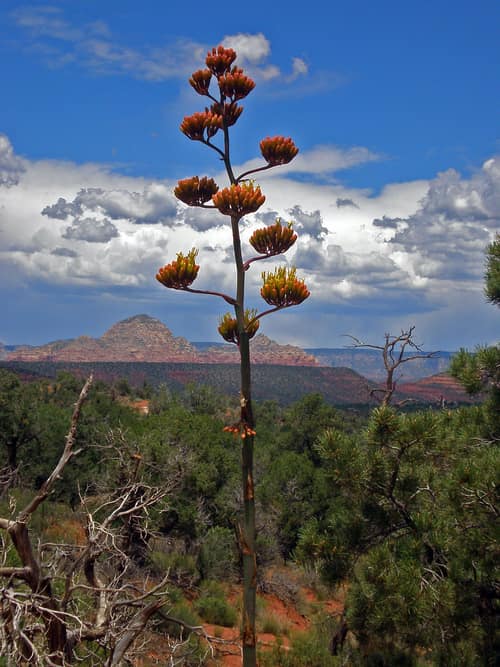
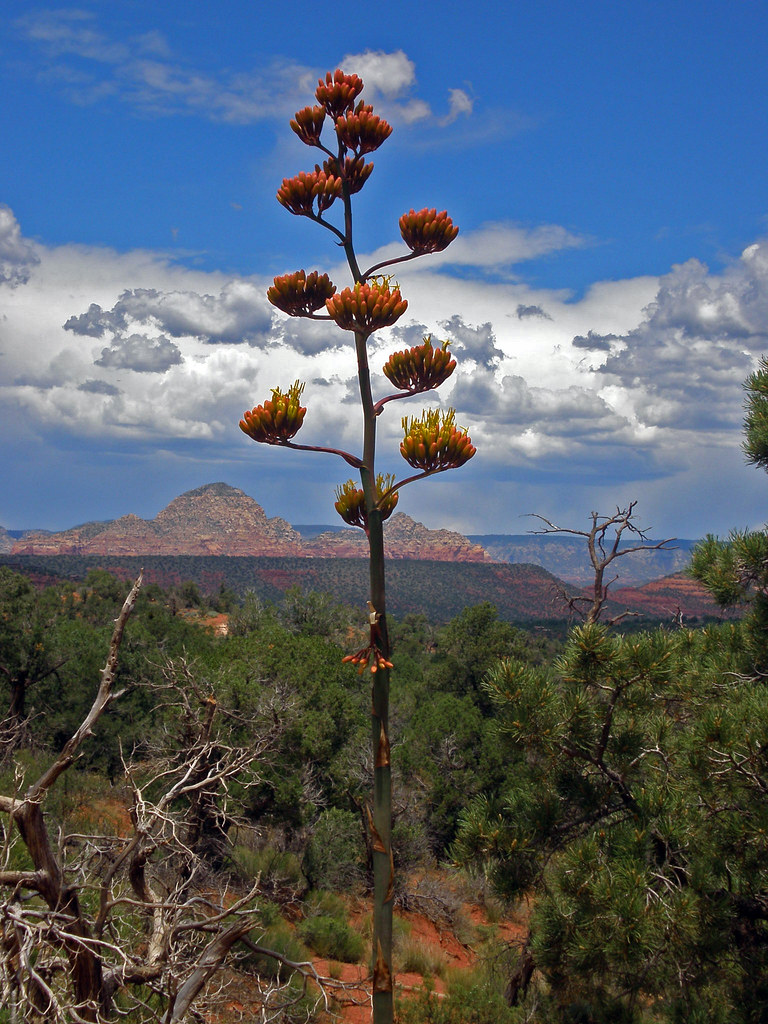
—observations
—countries
—peak records
Least ConcernConservation statusIUCN Red List categoriesLCNTVUENCREWEXLeast ConcernRed List categories, explained →
Diet & preyAutotrophic (Photosynthetic)
Predators
- Agave Snout Weevil
- Browsing Livestock
- Rodents
ThreatsHabitat Loss, Agave Snout Weevil Infestation
HabitatsArid Scrublands, Deserts, Rocky Slopes, Coastal Dunes
Life span10–30 years
Classification
- OrderAsparagales
- FamilyAsparagaceae
- GenusAgave
- SpeciesAgave americana
Range data is not available yet.
Interaction riskHigh
- Low
- Moderate
- High
- Very high
- Why interaction risk is high
- Sap contains irritating oxalate crystals; wear gloves and avoid contact with cut leaves.
- Why it is dangerous
- Sap contains calcium oxalate raphe crystals and saponins that cause painful skin irritation, rashes, and blistering upon contact.
- How to recognize a risky encounter
- Recognized by massive blue-green leaves with hooked marginal spines and a dark, rigid terminal spine.
- What to do
- Avoid touching cut or crushed foliage, and wear thick protective gear when pruning or moving plants.
Responsible observation
- Sap Caution: Wear heavy gloves and eye protection when trimming leaves to prevent contact with irritant sap.
- Safe Placement: Position away from high-traffic footpaths due to the needle-sharp terminal spines.
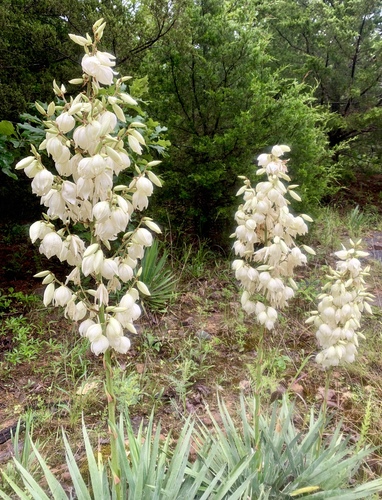
Related Succulent (c) Conway Hawn, some rights reserved (CC BY) · cc-by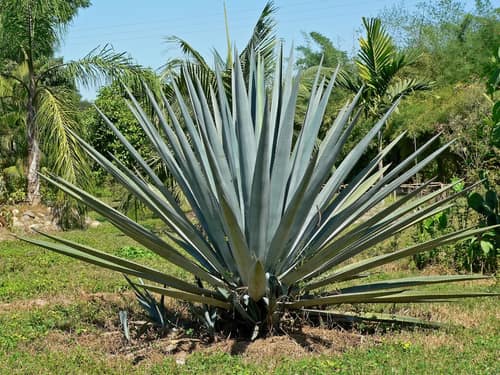
Close Relative (c) Stan Shebs, some rights reserved (CC BY-SA) · cc-by-sa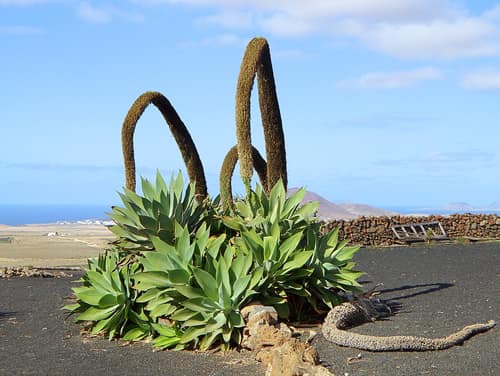
Close Relative H. Zell / CC BY-SA 3.0 · cc-by-sa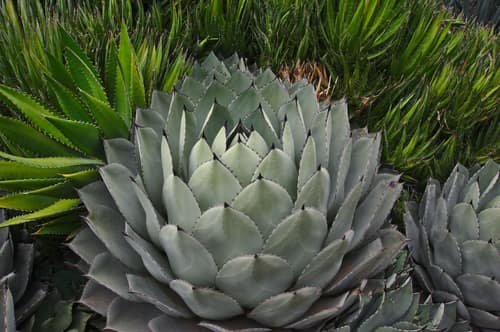
Close Relative (c) Andrew Toskin, some rights reserved (CC BY-SA) · cc-by-sa
Keep collecting in Fauna
Found in Collections
Ecosystem chain Pro
Desert Sands
Century Plant is found in this collection. Identify it in Fauna to fill this slot and continue your progress.
Unlock to track progress
Help improve the field guideSomething wrong?
Checking your Fauna account…Report a name, category, or profile issue for review.