Common Raccoon
Procyon lotor
A dexterous, mostly nocturnal mammal with a black mask and a ringed tail.
What to look for
- 01
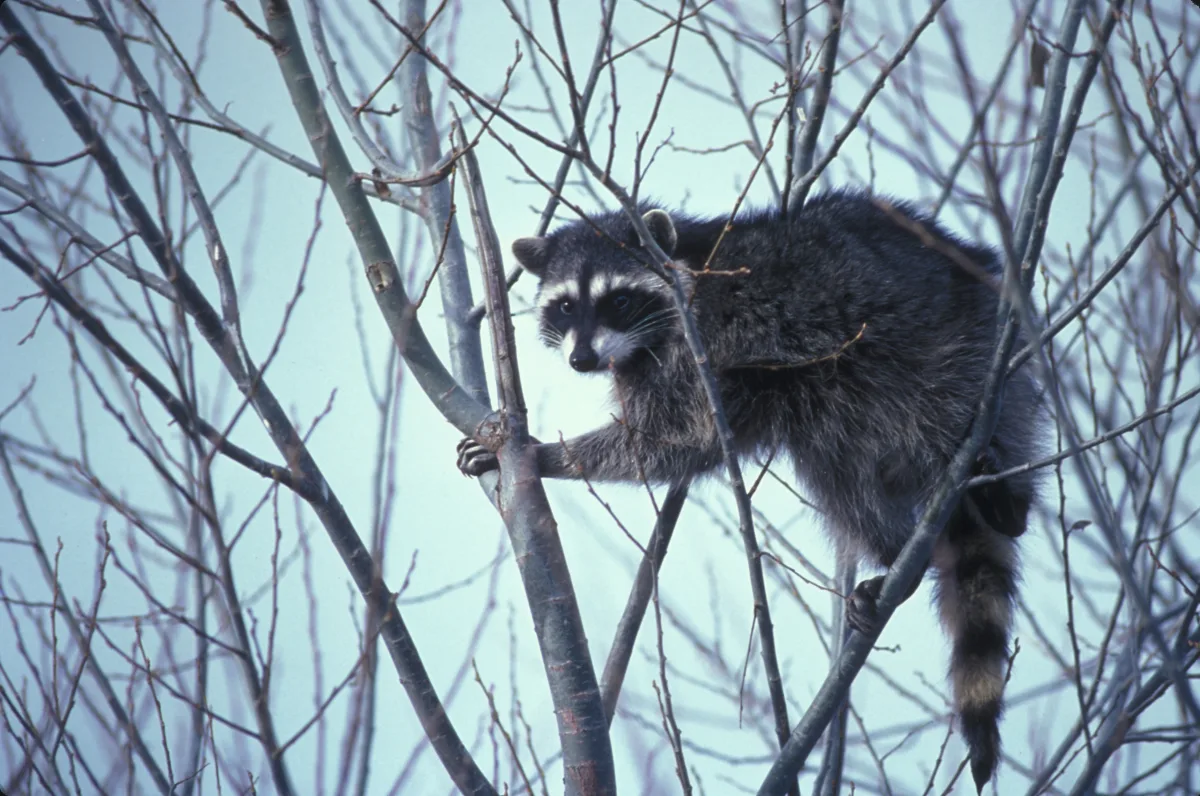
Black face mask edged with pale fur
- 02
Four to six dark rings around a bushy tail
- 03
Long, sensitive toes that leave hand-like tracks
Where it lives
Wooded areas near water, wetlands, suburbs, city parks, and other places with food, water, and shelter.
How it moves
Usually active at night, raccoons investigate food with highly sensitive front paws and readily adapt to human neighborhoods.
Common lookalikes
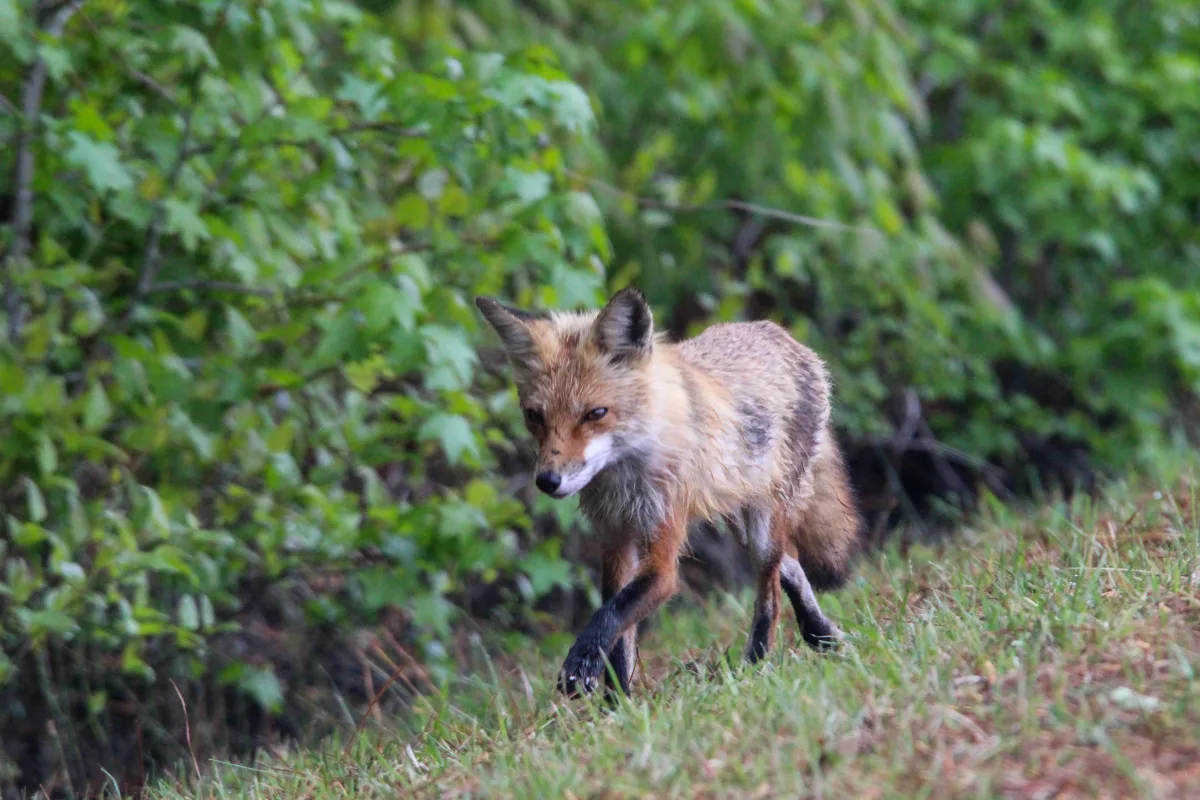
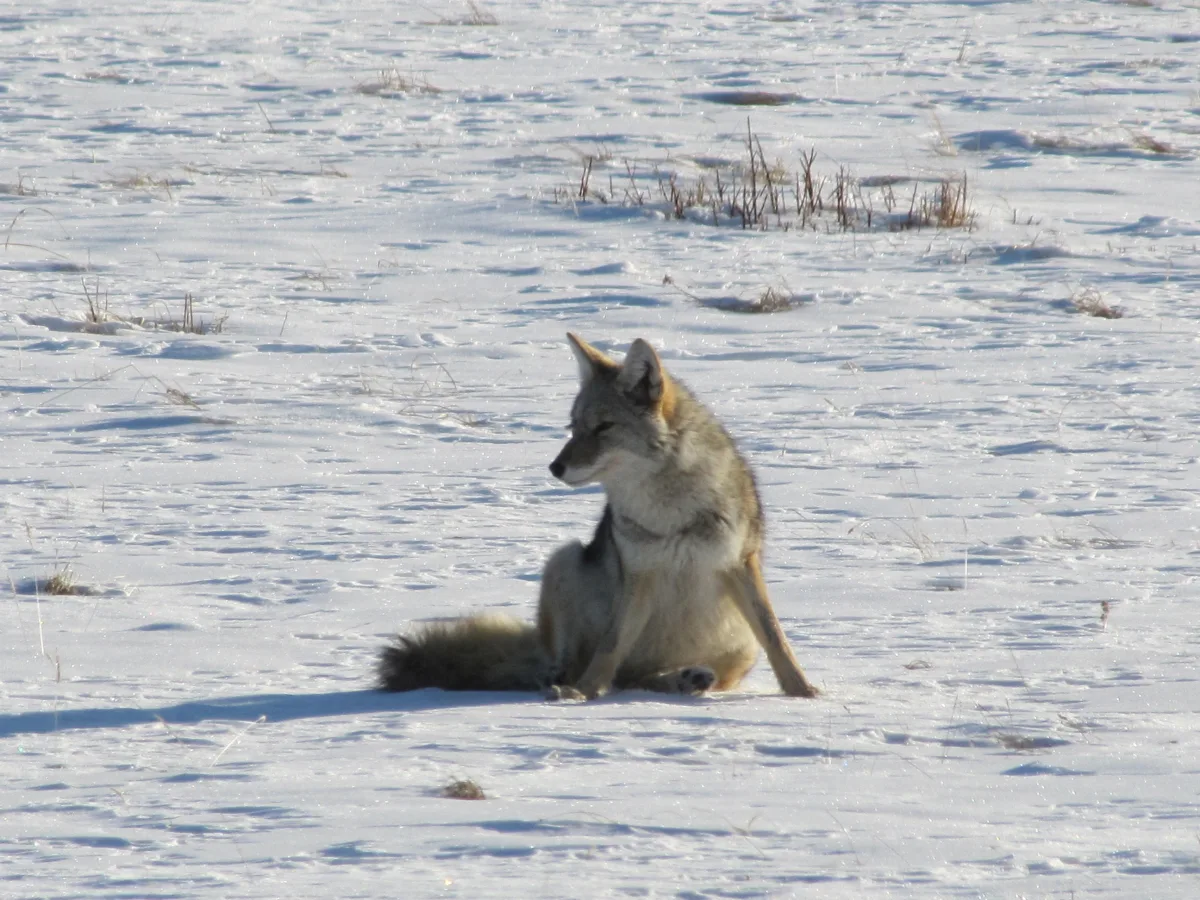
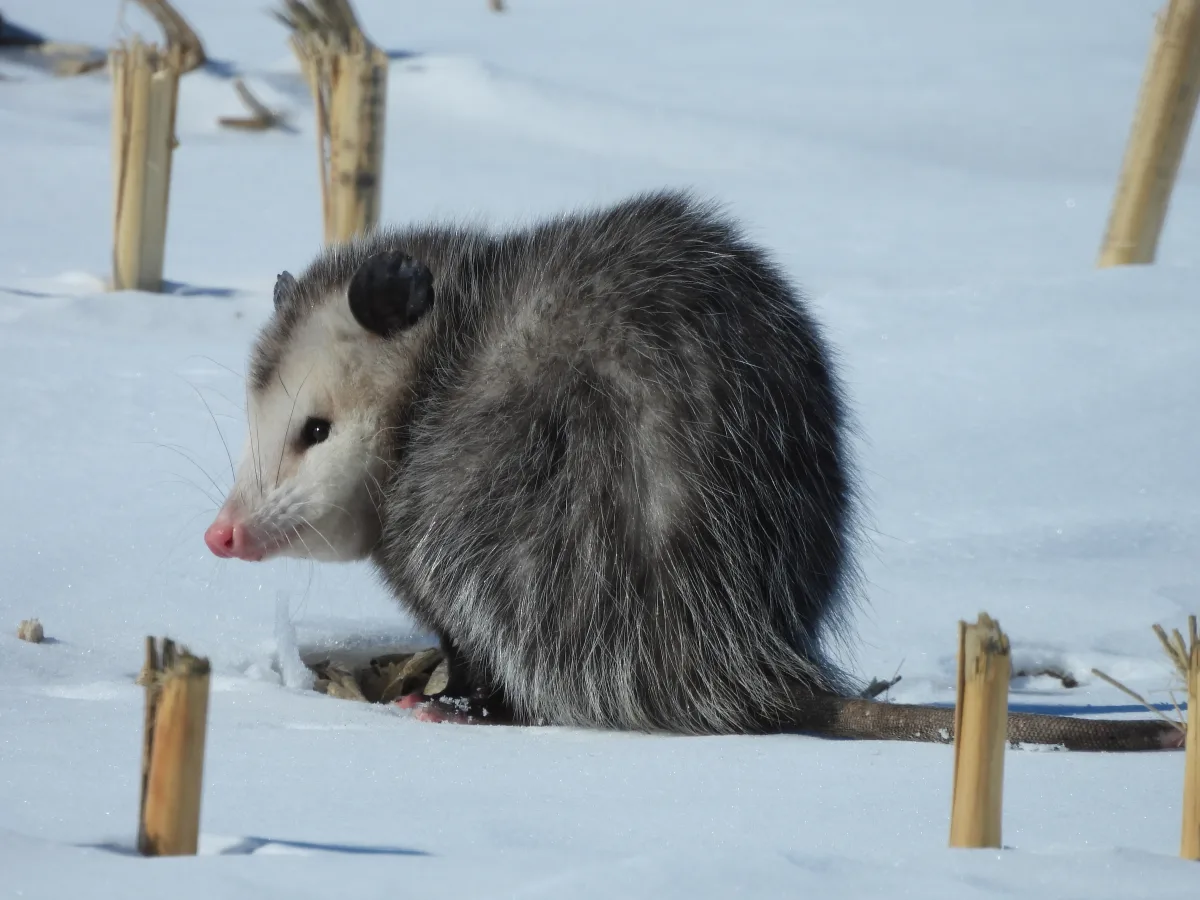
The facial mask and fully ringed tail separate raccoons from opossums, skunks, and ringtails in most views.
Observe responsibly
Watch from a distance and never corner one. Keep pets away and remove access to food, compost, and unsecured garbage.
Avoid feces and den sites; raccoon roundworm can be hazardous. Contact animal control for an injured or unusually behaving raccoon.
Common raccoons are widespread and have adapted well to many human-altered landscapes.
Get Fauna and identify it in the field.
Where this guide comes from
Sources are linked below. Field marks vary with age, sex, season, region, light, and viewing distance.