
Mammal
American Bison
Bison bisonAlso known as American Buffalo, Prairie Bison, Buffalo
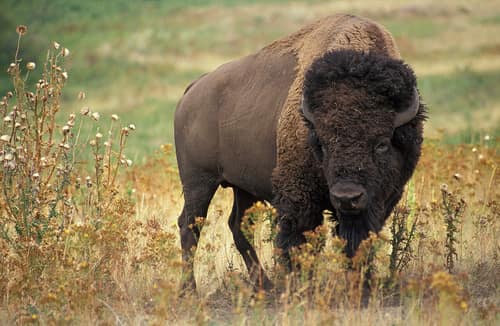
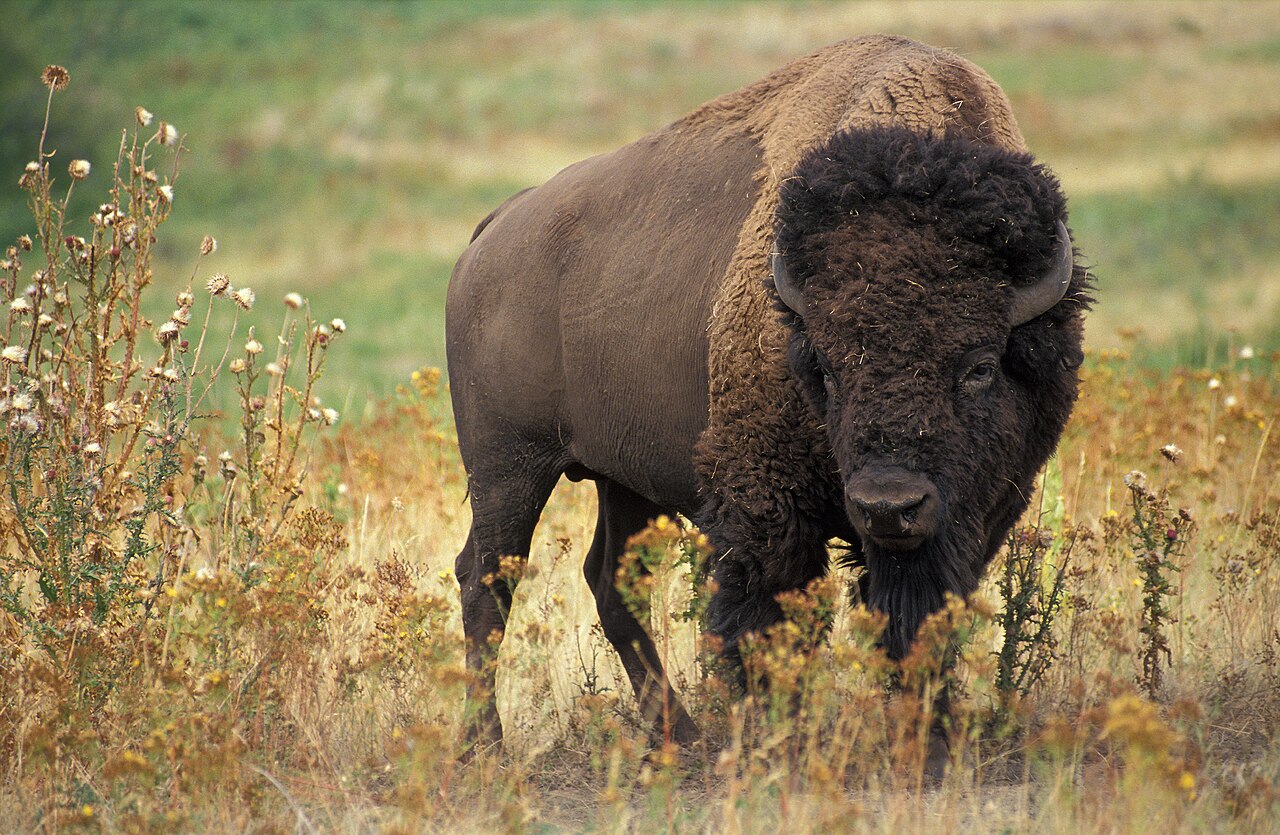
American bison dominate North American grasslands, forming tight-knit herds that shape prairie ecology through grazing and wallowing. Dense winter coats and massive head musculature enable them to plow through deep snow to reach buried grasses. During the late summer rut, bulls engage in thunderous head-butting contests and deep guttural bellows to establish dominance.
HerbivoreMigratoryGrassland
—observations
—countries
—peak records
Near ThreatenedConservation statusIUCN Red List categoriesLCNTVUENCREWEXNear ThreatenedRed List categories, explained →
Diet & preyGrasses, sedges, rushes, and woody browse
Predators
- Grey Wolf
- Grizzly Bear
- Cougar
ThreatsHabitat loss, genetic isolation, disease transmission, and restricted movement
HabitatsTallgrass, mixed-grass, and shortgrass prairies, sagebrush steppes, and open river valleys
Life span15–20 years
Classification
- OrderArtiodactyla
- FamilyBovidae
- GenusBison
- SpeciesBison bison
Native
Interaction riskHigh
- Low
- Moderate
- High
- Very high
- Why interaction risk is high
- Maintain a distance of at least 25 meters, as bison can charge unpredictably at high speeds.
- Why it is dangerous
- Massive body mass combined with running speeds up to 55 km/h makes charges lethal through goring and trampling.
- How to recognize a risky encounter
- Recognized by a high shoulder hump, dark shaggy front fur, short curved horns, and a low head carriage.
- What to do
- Give herds a wide berth of at least 25 meters and back away immediately if a bison paws the ground or raises its tail.
- What to notice
- Found in protected national parks, wildlife refuges, and tribal lands across western grasslands.
- Support conservation
- Observe from designated pull-outs or trails, avoid blocking movement paths, and keep pets strictly leashed.
Responsible observation
- Observe Safety Distance: Keep at least 25 meters away at all times, especially near calves or during the summer rut.
- Recognize Warning Signs: Watch for raised tails, pawing dirt, or grunting, which signal irritation before a charge.
- Use Telephoto Gear: Enjoy clear views of herd dynamics and grooming wallows without causing stress.
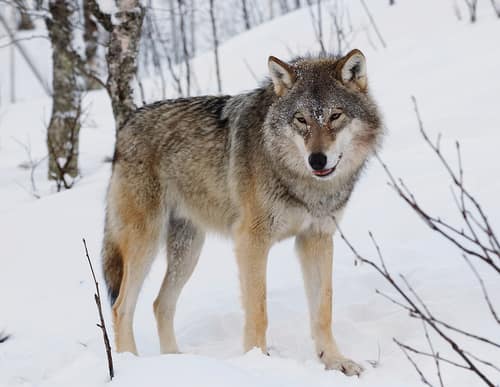
Predator User:Mas3cf / CC BY-SA 4.0 · cc-by-sa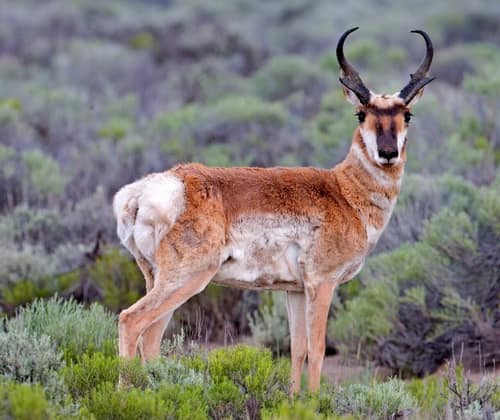
Frequent Companion www.naturespicsonline.com / CC BY-SA 3.0 · cc-by-sa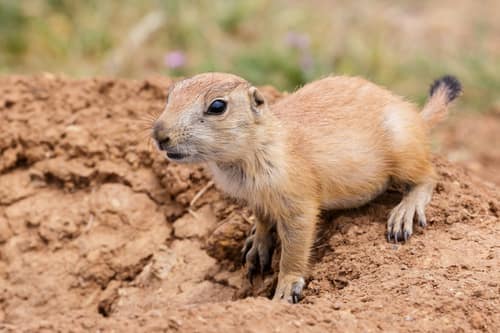
Symbiont (c) Meghan Cassidy, some rights reserved (CC BY-SA), uploaded by Meghan Cassidy · cc-by-sa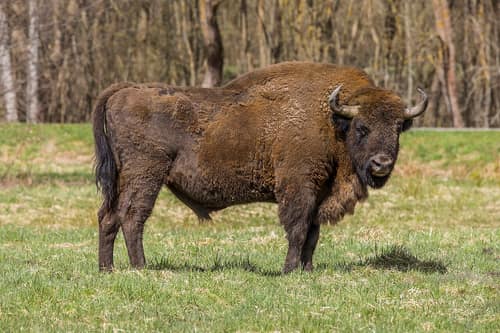
Close Relative Charles J. Sharp / CC BY-SA 4.0 · cc-by-sa
Keep collecting in Fauna
Found in Collections
Ecosystem chain Pro
Prairie Plains
American Bison is found in this collection. Identify it in Fauna to fill this slot and continue your progress.
Unlock to track progress
Help improve the field guideSomething wrong?
Checking your Fauna account…Report a name, category, or profile issue for review.