Reading weather for wildlife watching
Check a forecast, record conditions locally at the start and end, predict which detection channel weather will affect, compare similar effort, and treat a quiet survey in poor conditions as low detectability rather than absence.
Last updated
Start with variables you can observe
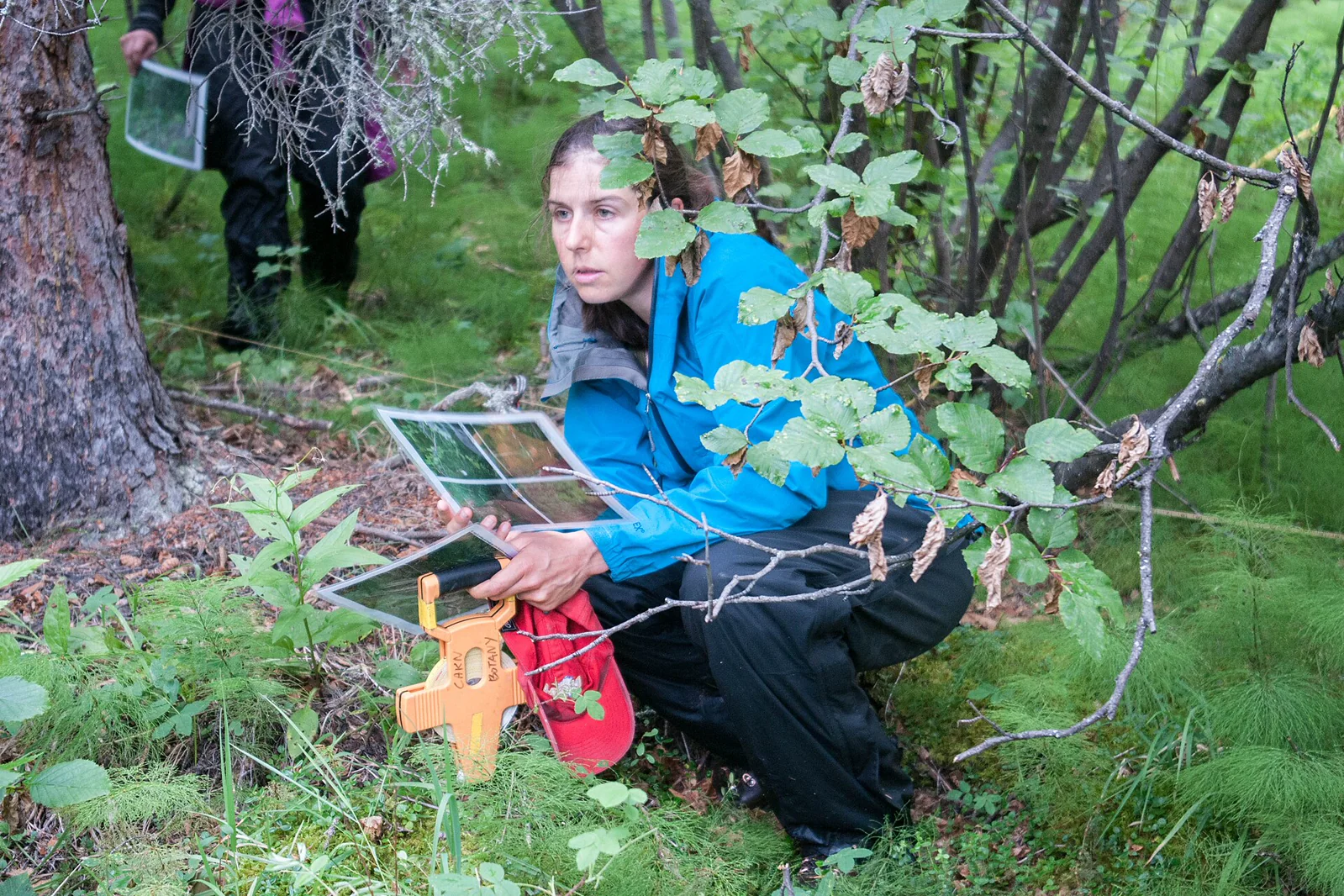
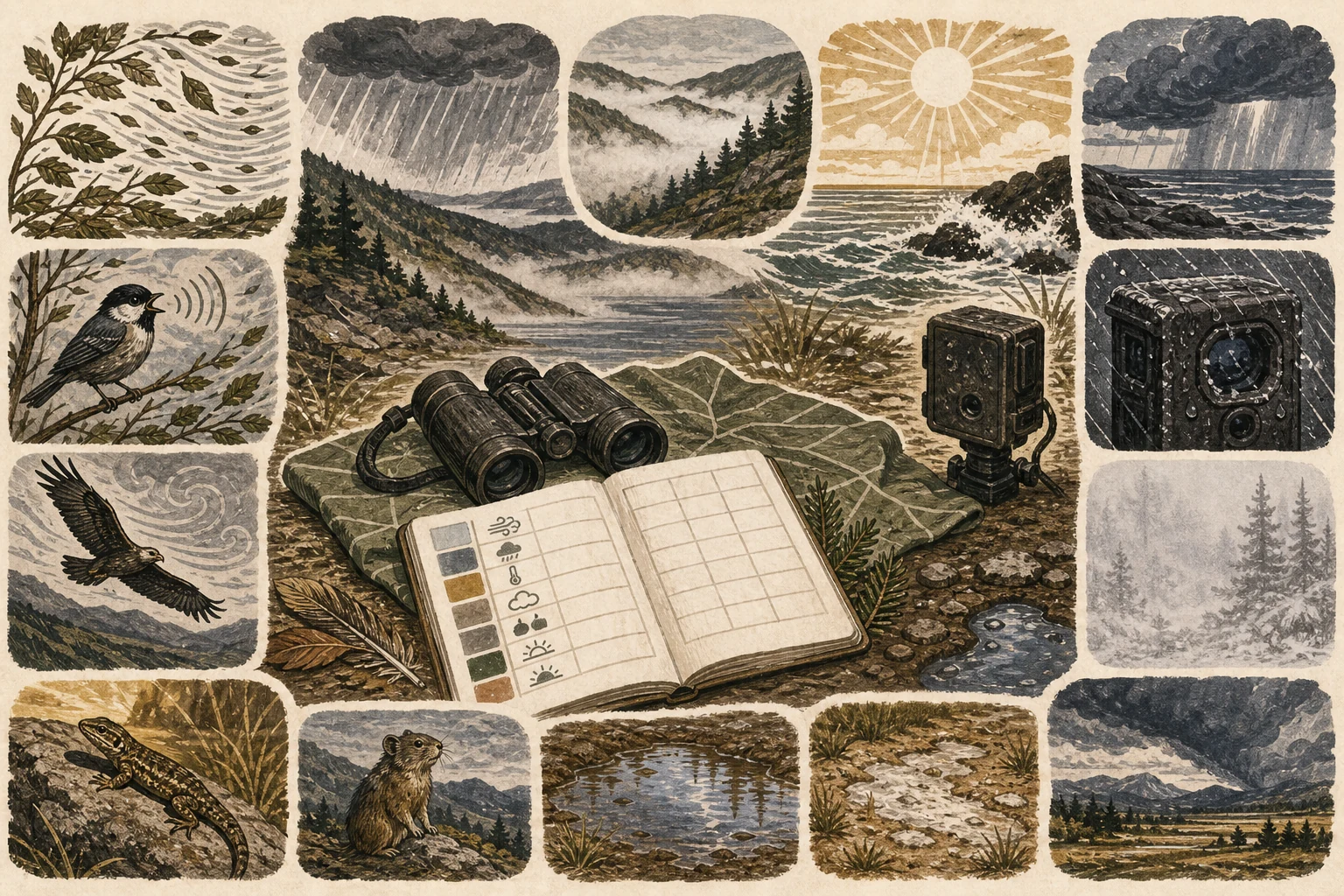
Regional airport weather reports are useful for trip planning, but a sheltered ravine, frost pocket, or windswept headland often experiences a completely different microclimate. When you open a field checklist or point count, log on-site conditions at both the start and finish of the watch using standardized visual and physical scales: estimate wind speed with the Beaufort scale (from smoke drift and rustling leaves up to swaying small trees), score sky cover in quarters or oktas, note precipitation type and intensity, and record air temperature and horizontal visibility. Brief notes on passing squalls, lifting valley fog, or snow depth preserve local context that an automated station twenty kilometers away never registers. [1][2]
- Record wind Beaufort code, sky cover, temperature, and precipitation at both the start and end of your observation window.
- Use visual Beaufort indicators—leaf rustle, twig motion, whitecaps—so wind estimates stay consistent without an anemometer.
- Note local terrain effects such as ridge updrafts, valley fog, or leeward wind shadows that differ from regional weather stations.
Weather changes the detection channel
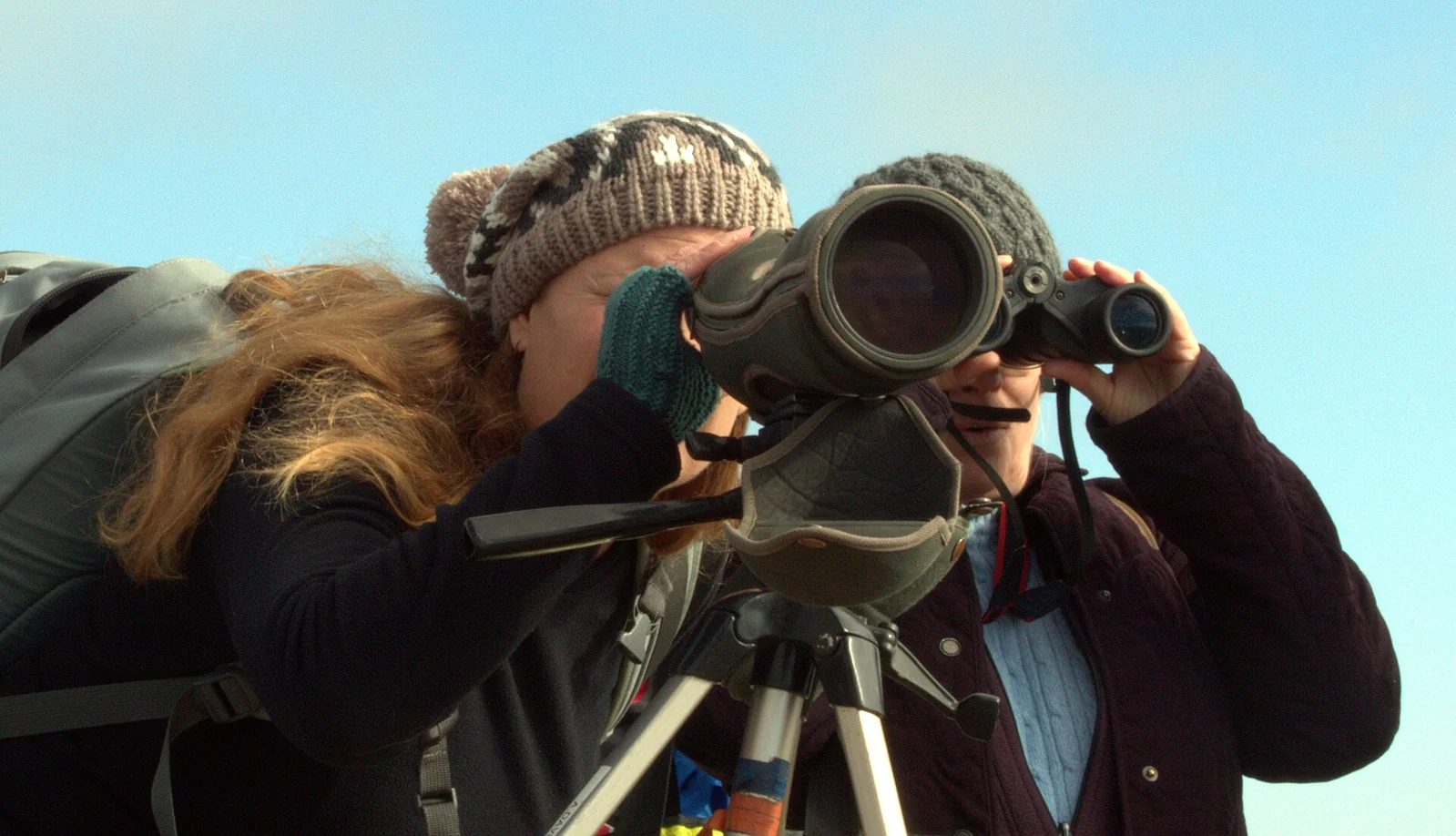
Before concluding that wildlife is inactive on a blustery or drizzly morning, ask how the weather is filtering your own sensory and optical channels. Wind above a gentle breeze rustles canopy foliage, vibrates tripod legs, and masks high-pitched warbler songs and frog calls; falling rain patters on jacket hoods and fogs binocular lenses; whitecap chop and low sun glare conceal surfacing porpoises, loons, and sea ducks that are easily spotted on calm, overcast water. Conversely, brisk ridge winds can lift migrating hawks into clear view above the trees. Always separate changes in true animal activity from changes in acoustic or visual detectability. [2][3]
- Separate acoustic masking (wind in leaves, rain on hoods) from actual silence when songbird or frog tallies drop.
- Account for water state and glare when scanning lakes or ocean swells for diving birds and marine mammals.
- Position yourself on the leeward side of woodlots or hedgerows on breezy days to improve both hearing and bird visibility.
Animals respond on different time scales
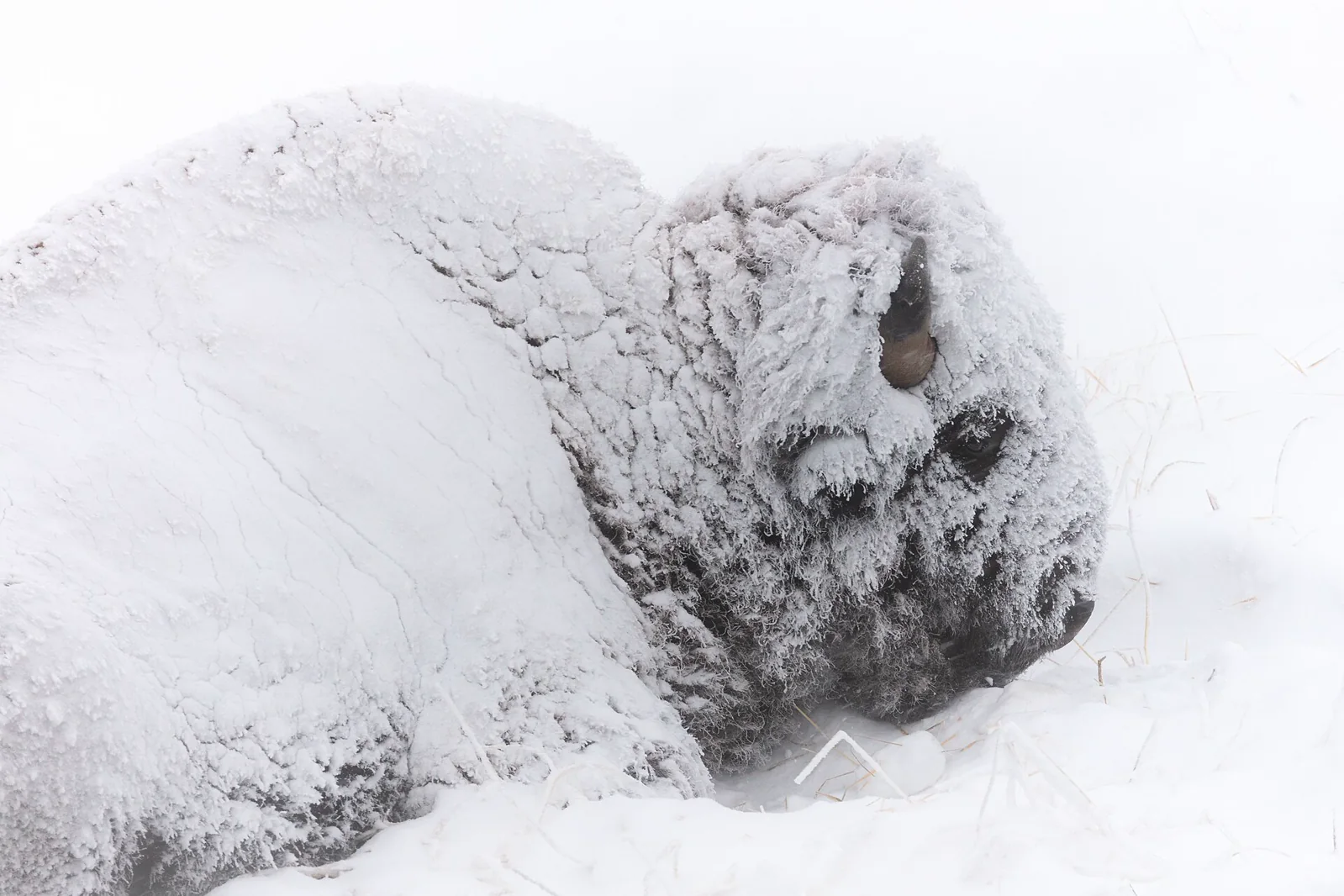
Wildlife responds not only to the thermometer reading at the moment you arrive, but to the trajectory of weather over the preceding days. A sun-warmed break after three cold, wet days triggers intense basking in snakes, turtles, and butterflies and sends insectivorous birds into sheltered leeward edges; warm evening rains in early spring draw salamanders and frogs across forest floors; approaching winter storms prompt bison, deer, and ground-foraging sparrows to feed heavily before seeking thermal cover. Because ectotherms, soaring birds, and large mammals have vastly different thermal budgets, treat weather patterns as testable hypotheses for which microhabitats animals will occupy. [3][4]
- Log the previous 24 to 48 hours of rainfall, frost, or frontal passage alongside current conditions.
- Check sunlit south-facing banks and wind-sheltered forest edges when cold air follows a cloudy or wet spell.
- Watch how shifts in barometric fronts and snow crust alter where ungulates and ground-foraging birds concentrate.
Standardize comparisons and know when to stop
Because detectability plummets in high wind, heavy precipitation, or thick fog, standardized monitoring programs such as the Breeding Bird Survey restrict formal counts to a defined weather envelope—typically light winds, no more than a brief drizzle, and clear visibility. If you are tracking seasonal arrival dates or year-to-year abundance along a route, hold your weather criteria within similarly narrow bounds so a windy morning does not masquerade as a population decline. Above all, no checklist is worth courting lightning on an open ridge, hypothermia, flash floods, or wildfire smoke; when severe weather threatens, abort the watch and log the session honestly as weather-canceled effort. [1][4]
- Keep repeat surveys within a consistent weather window—low wind, good visibility, no steady rain—when comparing trends.
- Flag counts disrupted by sudden gusts or showers so lowered detection is not mistaken for biological absence.
- Prioritize lightning, heat, flood, and storm warnings over fieldwork, recording aborted outings as canceled effort.
Related guides
Get Fauna and identify it in the field.
Where this guide comes from
Source-checked editorial guide. Last updated . This guide teaches identification and field skills; it is not a substitute for expert verification when it matters.