Watching bats at dusk
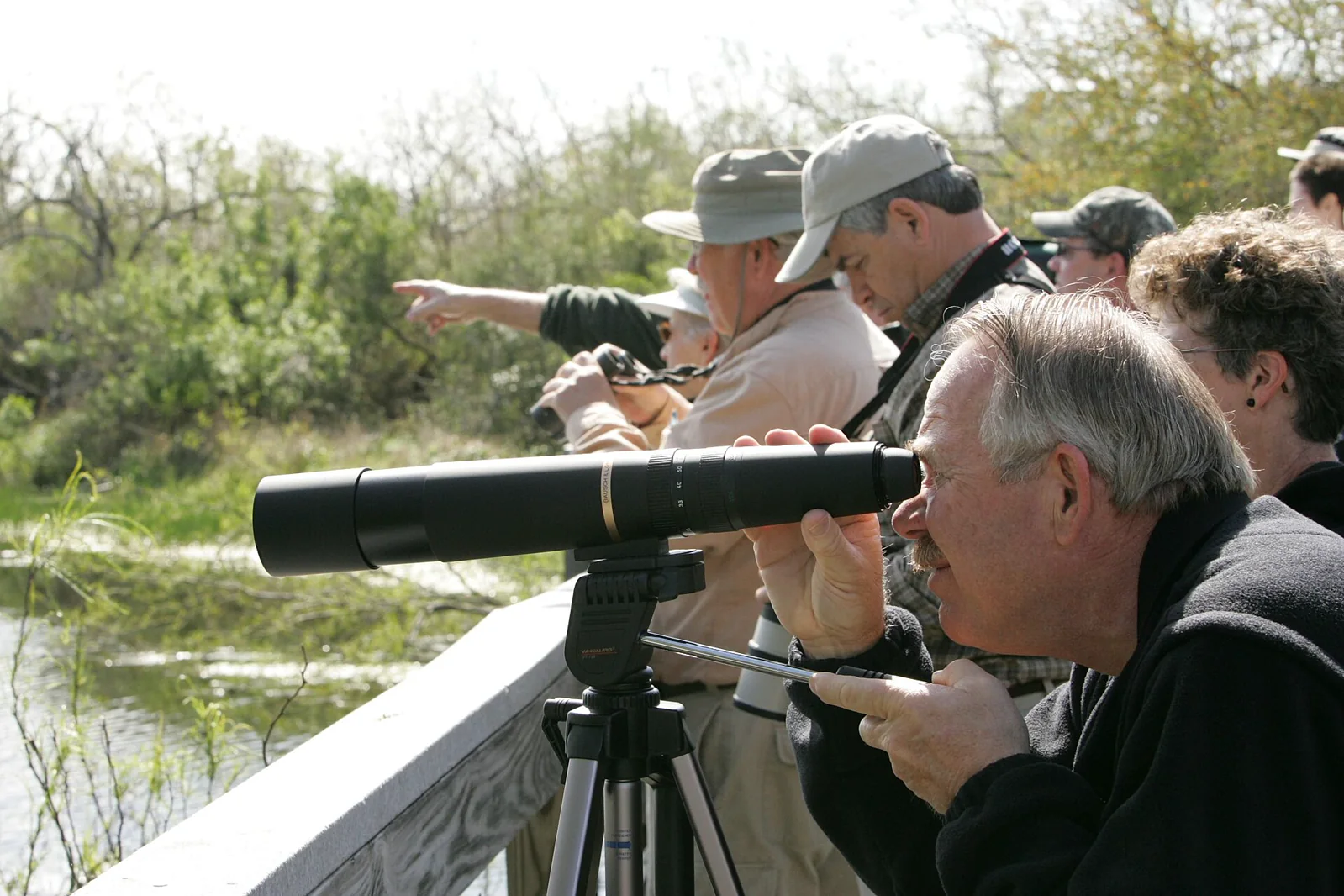
Arrive before sunset, choose an open view of sky near water or insect-rich habitat, and watch silhouettes and repeated flight paths from lawful public ground. Count with a defined rule and keep light, noise, and movement low.
Last updated
Choose an open dusk view
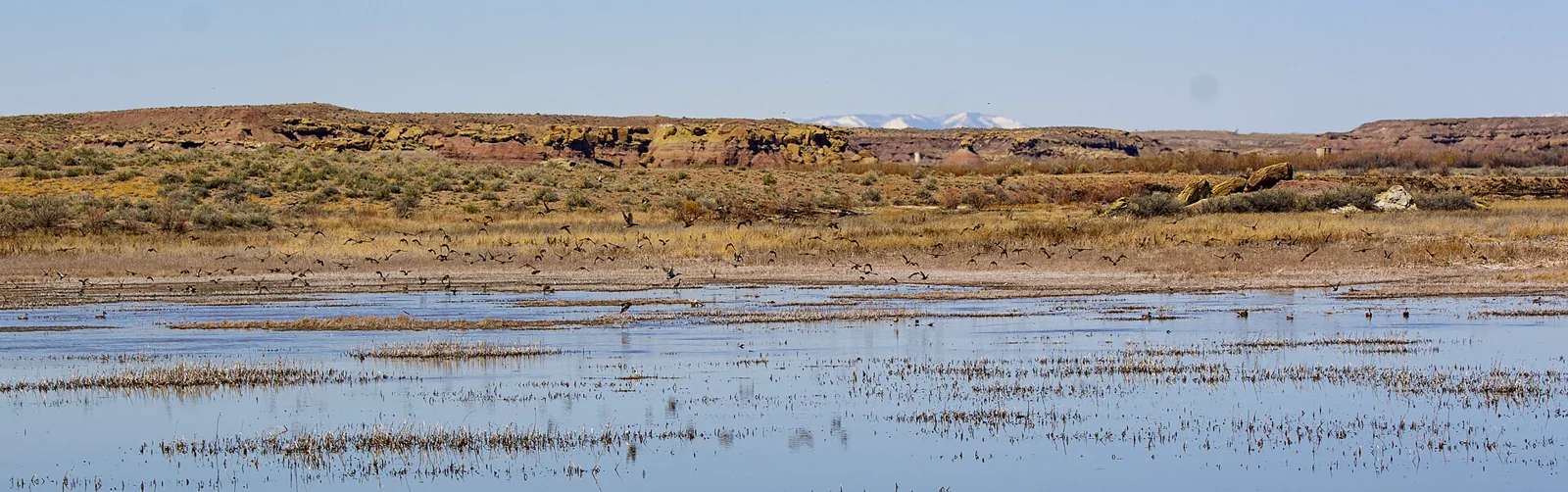
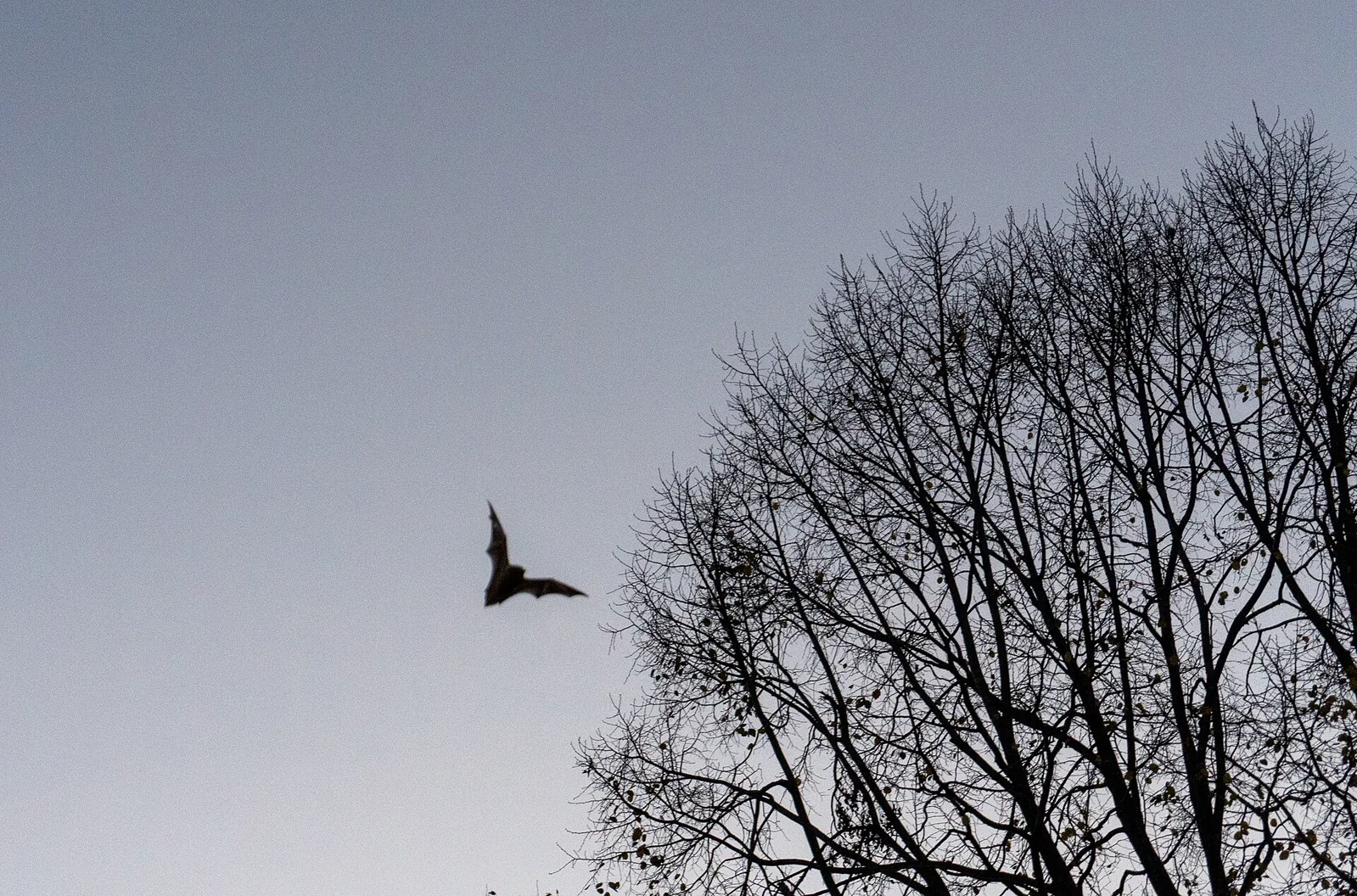
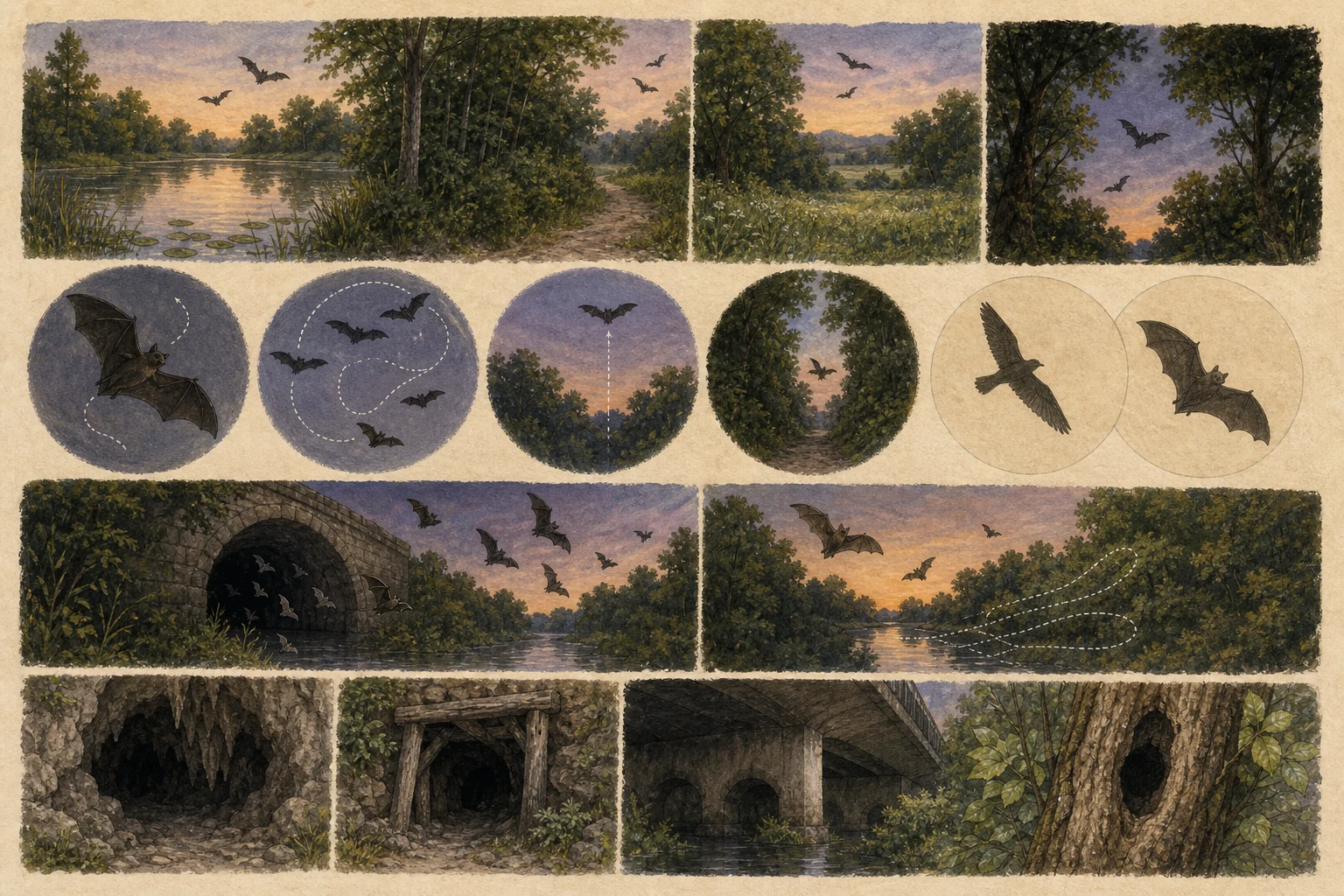
Insectivorous bats concentrate after sunset where midges, caddisflies, and moths rise from calm pond surfaces, slow river bends, sheltered woodland rides, and hedgerow gaps. Scout your viewing spot in daylight so you know the footing and legal paths, then arrive 15 to 20 minutes before sunset to let your eyes adapt without switching on a flashlight. Position yourself on a low bank or clearing edge facing the brightest western or northern glow of twilight sky, where dark, fluttering silhouettes will stand out sharply as they commute from tree lines or skim just inches above the water. [1][2][5]
- Select a calm pond margin, slow stream, or sheltered woodland gap where dusk insects swarm.
- Arrive 15 to 20 minutes before sunset to check footing in daylight and let your night vision adjust.
- Face the palest band of twilight sky or open water surface so dark wings appear in crisp silhouette.
Separate flight clues cautiously
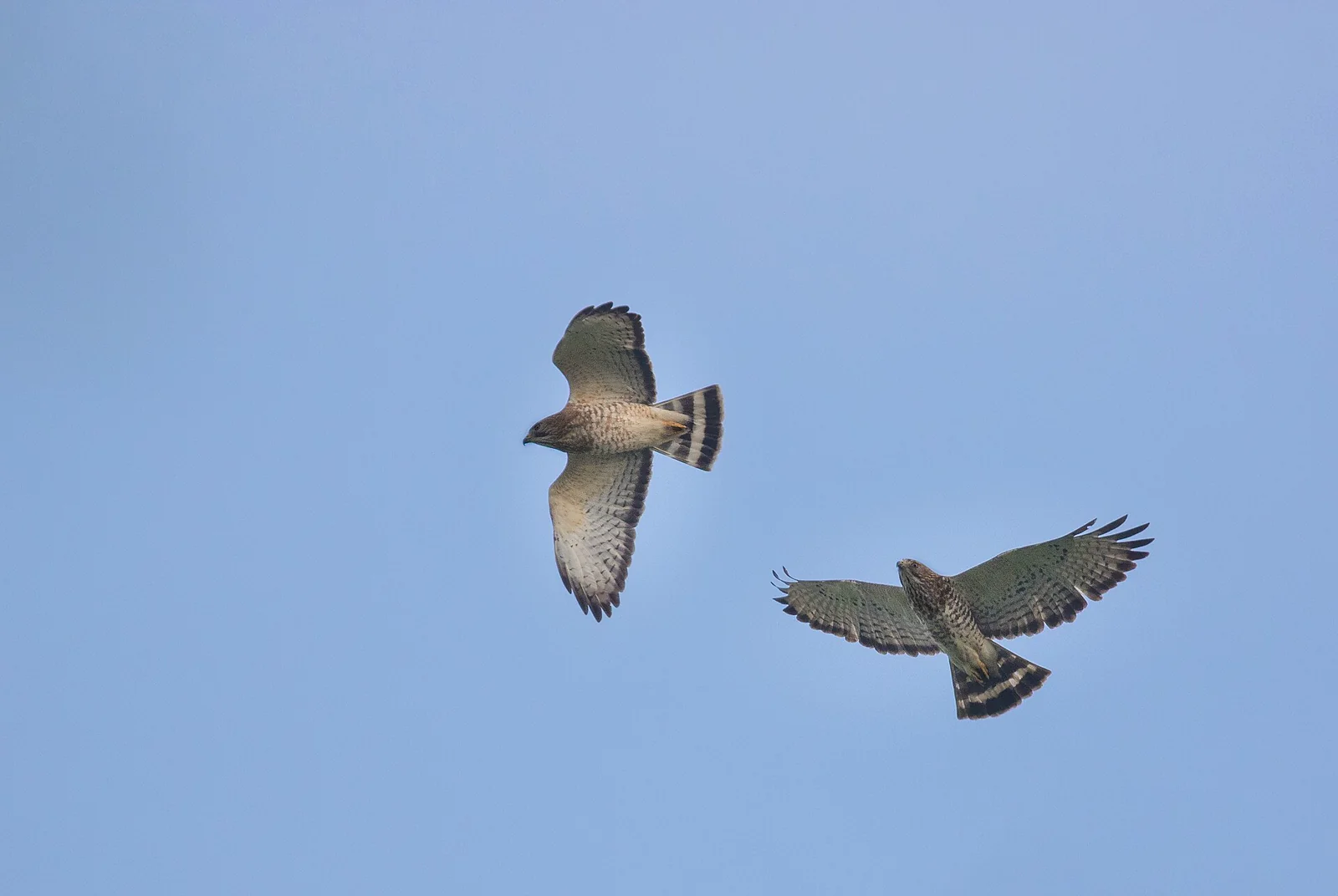
Watch how each animal uses the airspace: some bats patrol back and forth along a regular beat between tree crowns, others dip repeatedly to drink or snatch emerging insects off a pond surface, and high-flying species cruise straight across open sky with deep, steady strokes. In early dusk, swallows, swifts, and nightjars often share the same insect clouds, but birds periodically set their wings in stiff glides and show a distinct feathered tail profile, whereas bats flick and camber their flexible finger-supported wing membranes continuously. Because twilight silhouettes hide ear and fur details, log visual sightings as bat species or size class unless confirmed by an appropriate acoustic or regional study. [1][4][5]
- Note flight height, turn agility, water-skimming behavior, and whether the bat follows a fixed tree-line beat.
- Distinguish bats from twilight swallows and nightjars by continuous membrane flexing rather than stiff-winged glides.
- Record sightings at the general bat or size-group level when silhouette views cannot separate similar species.
Count crossings by a stated rule
Without a clear counting rule, a single bat looping twenty times around a pond clearing looks like a crowd. If you are watching a commuter corridor or tree-line gap, fix your eyes on one imaginary line between two landmarks and tally how many times bats cross in each direction during a set 15- or 30-minute window. If you are watching over water or a meadow where bats circle and forage, record your count explicitly as foraging passes or minutes of activity rather than individual animals, and log exact sunset time, first detection time, air temperature, wind speed, and cloud cover. [2][3][4]
- Count directional crossings across a fixed landmark gap when bats are commuting along a linear corridor.
- Label repeated loops over a pond or clearing as foraging passes rather than a headcount of individuals.
- Write down sunset time, first appearance time, temperature, wind, and cloud cover for every session.
Keep roosts dark and undisturbed
Bats emerging from day roosts—whether beneath bridge expansion joints, inside hollow snags, behind loose bark, or at cave and mine entrances—are highly sensitive to light, noise, and blocked flight paths. Shining a torch beam or firing a camera flash at an exit point can cause mothers and young to abort their evening foraging flight or abandon a maternity site entirely. Always watch from well back on public ground, respect seasonal cave and mine closures that prevent disturbance and white-nose syndrome spread, and keep your headlamp switched off until you are walking away from the viewing area. [3][4][5]
- Stay well back from caves, mines, bridges, buildings, and hollow trees so emergence routes remain clear.
- Never shine flashlights, headlamps, or camera flashes toward roost exits or low-flying bats.
- Obey all cave closures and public outflight viewing boundaries to protect colonies from disturbance.
Related guides
Get Fauna and identify it in the field.
Where this guide comes from
Source-checked editorial guide. Last updated . This guide teaches identification and field skills; it is not a substitute for expert verification when it matters.