Fieldcraft: getting closer without disturbing
Fieldcraft is patience and controlled movement, used only where quiet observation is safe. The goal is to avoid disrupting the animal, not to approach unseen.
Last updated
Move like you are not in a hurry
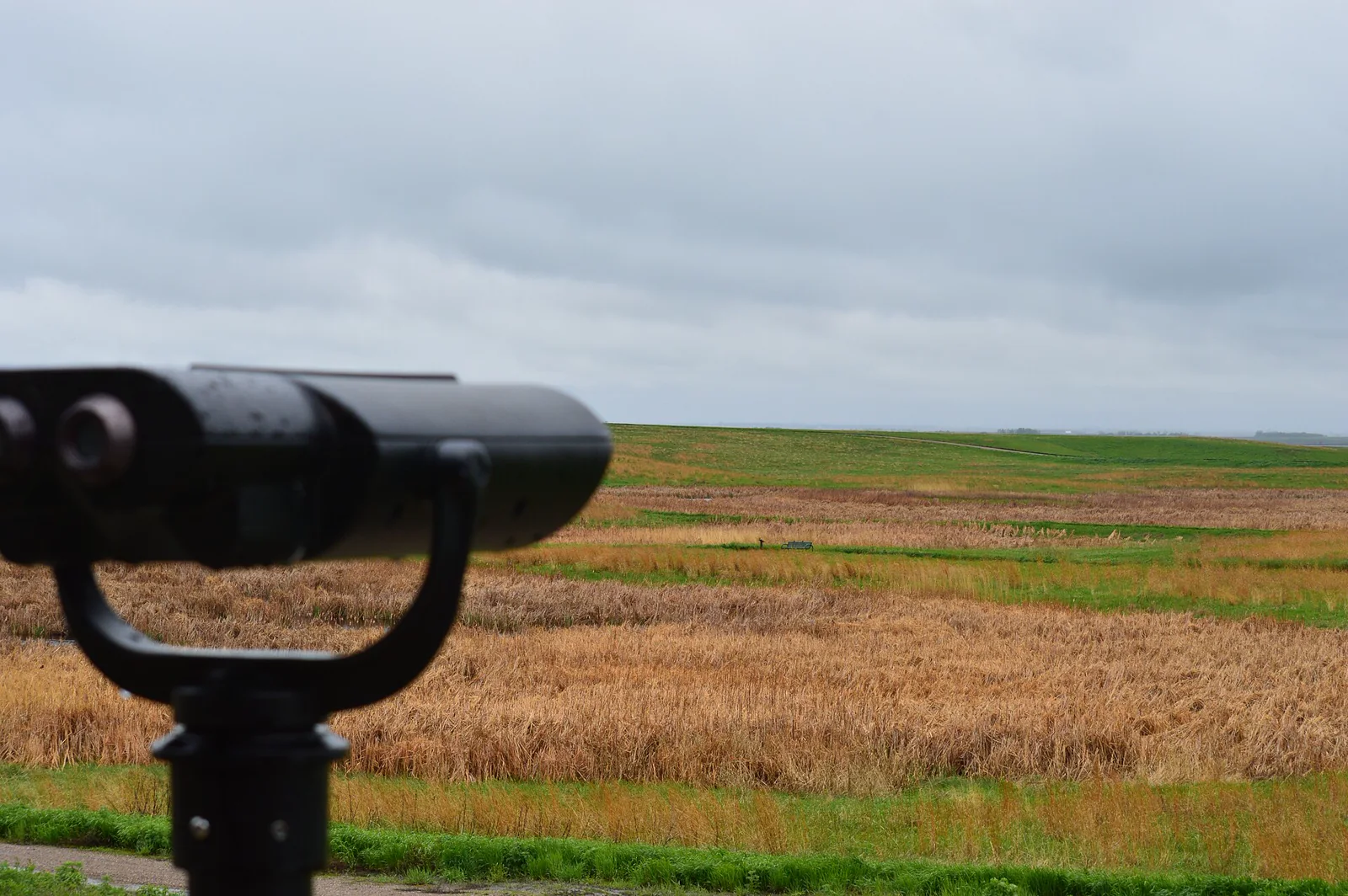
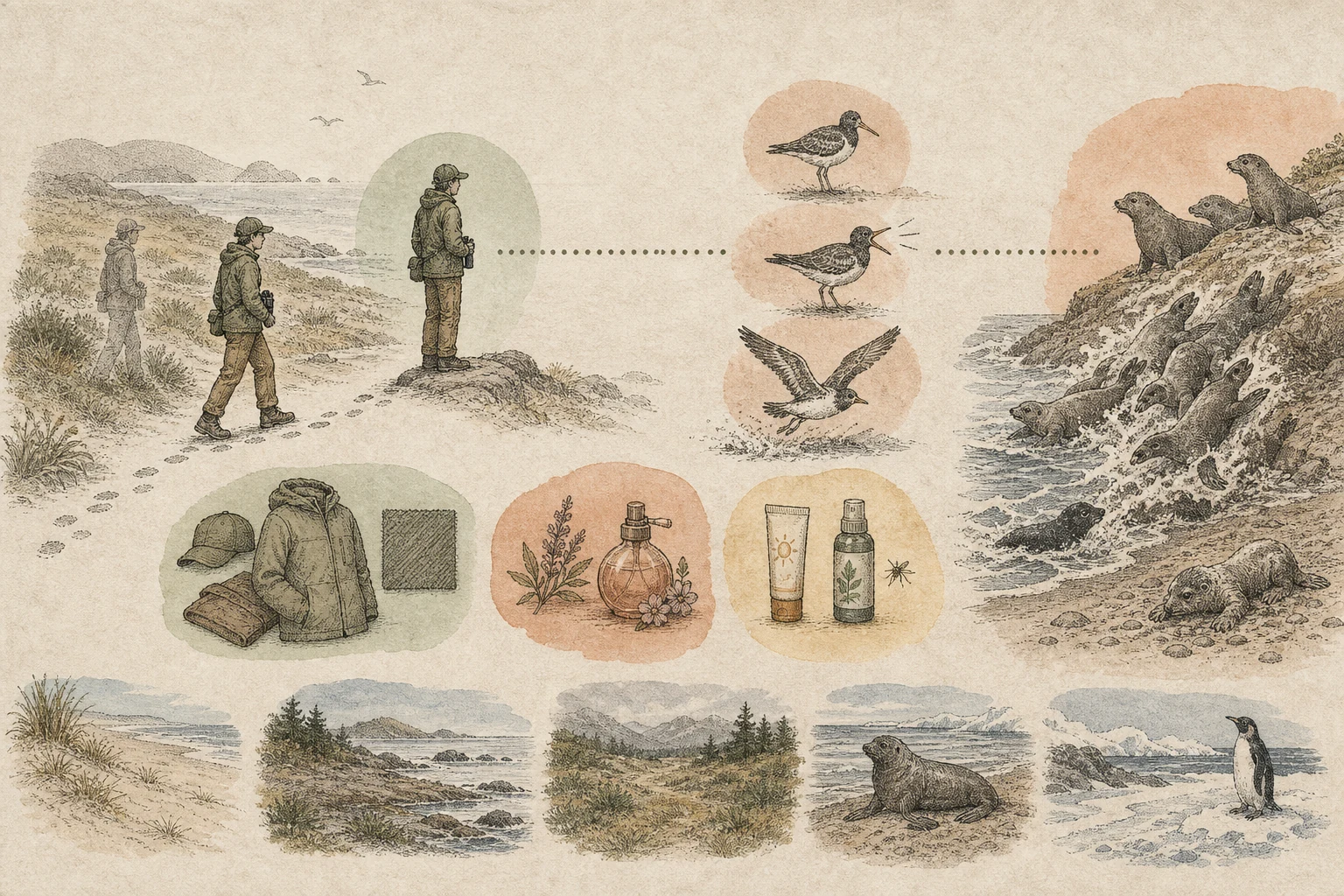
Where quiet observation is appropriate, slow, deliberate movement and frequent pauses can reduce disturbance. Do not use stealth to close distance; choose a fixed point outside local minimums and let the wildlife decide whether to approach. [1]
- Use these techniques only for non-dangerous wildlife from lawful distances
- Do not stalk, conceal yourself from, or approach dangerous animals
- Follow current local encounter guidance; personal safety overrides quiet observation
What you wear is part of it
Muted clothing that blends with bark, dry grass, or stone and soft, quiet fabrics that do not swish with every step make an observer far less conspicuous to low-risk birds and mammals. Avoid strong perfumes or scented soaps when practical, but never omit necessary sunscreen, high-visibility gear where required, or insect repellent; personal health and local safety guidance always come first. [3]
The animal tells you the distance
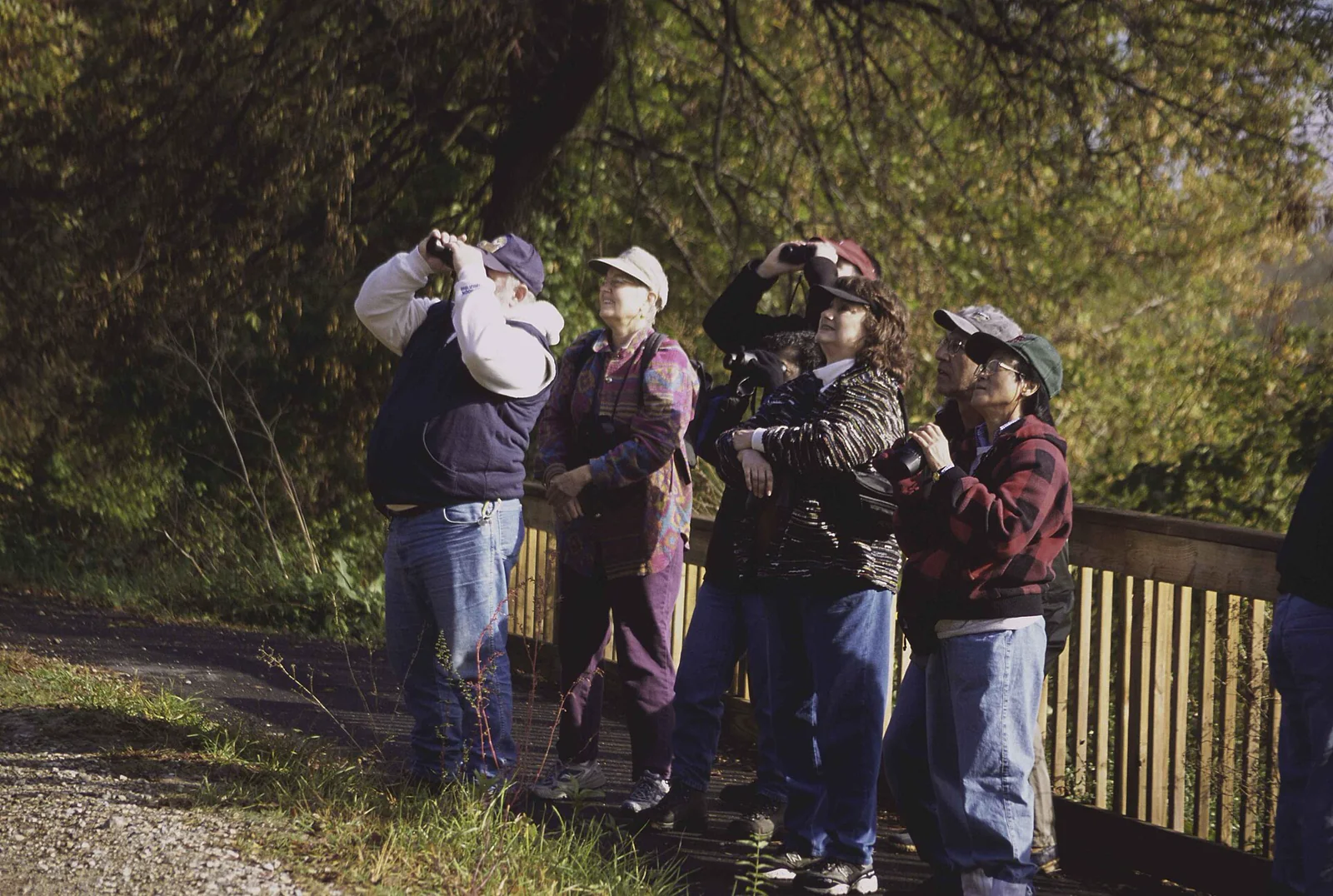
Behavior is an immediate warning that complements, but never replaces, local distance rules. The Birdwatchers' Code states it directly: if a bird flies away or makes repeated alarm calls, you are too close. Disturbance is not only about proximity; an exposed silhouette can alarm birds from well beyond a stated buffer. [2]
- Alarm calls, a lifted head that tracks you, a stopped feed — back off
- Repeated flushing costs an animal energy it budgeted for something else
- Skyline and silhouette can disturb from far outside any stated distance
There is no universal number
Rules and agency recommendations are set by jurisdiction, place, and species. New Zealand's Department of Conservation advises at least 20 meters from seals and sea lions where possible. Parks Canada guidance uses 30 meters from deer, elk, moose, and other large animals, and 100 meters from bears, wolves, coyotes, and cougars. Check the current status for the place you are standing in, treat any minimum as a floor rather than a target, and use your zoom rather than your feet. [4][5][7]
- NZ (DOC): 20 m from seals and sea lions
- Canada (Parks Canada): 30 m from deer, elk, moose; 100 m from bears, wolves, coyotes, cougars
- Great Britain: intentionally or recklessly disturbing a Schedule 1 bird at or near an active nest, or its dependent young, can be an offense; check the exact jurisdiction and species
Why it matters beyond the sighting
The cost is not abstract. DOC describes panicked seals stampeding for water, where one frightened animal starts a chain reaction that can crush pups. That is the whole argument against getting the closer look: the animal pays for it, sometimes catastrophically, and you gain a photograph you could have taken with a longer lens. As the Wildlife Trusts put it, enjoying wildlife is a privilege and should not be done at their expense. [4]
- One flushed shorebird flock or hauled-out seal can trigger a group panic across an entire beach or colony
- Parents kept off a nest or pup by lingering observers leave eggs and young exposed to chilling, overheating, and predators
- Respecting buffers ensures the animal survives and keeps the site open for future observers
Then stop, and let it come to you
One effective technique is also the least active: pick a lawful spot against a tree trunk, boulder, or shrub border that breaks up your outline, get comfortable, put the phone on silent, and stay still — what naturalists call a sit spot. Wildlife often resumes foraging and calling once your movement stops, though there is no guaranteed return time. Repeating the same sit spot across weeks makes subtle seasonal shifts much easier to notice. [6]
- Sit or lean against a tree trunk or rock so your silhouette does not stand out against the sky
- Give the surrounding cover at least fifteen minutes of stillness to settle after you arrive
- Let curious birds or small mammals approach your stationary position on their own terms without reaching toward them
Related guides
Get Fauna and identify it in the field.
Where this guide comes from
Source-checked editorial guide. Last updated . This guide teaches identification and field skills; it is not a substitute for expert verification when it matters.
- The Wildlife Trusts — Seven top tips for amazing wildlife experiences: the art of fieldcraft ↗
- Scottish Ornithologists' Club — The Birdwatchers' Code ↗
- National Trust — Wildlife-spotting tips ↗
- New Zealand Department of Conservation — Give wildlife space ↗
- Parks Canada — Top tips to respect wildlife and stay safe ↗
- Sensory Trust — Sit spot ↗
- GOV.UK — Licences concerning Schedule 1 wild birds ↗