Night wildlife watching
At night, a bright beam can erase your own vision and change the scene you came to watch. Prepare the route in daylight, use very little light, and let sound and patient silhouettes do most of the work.
Last updated
Make the route predictable
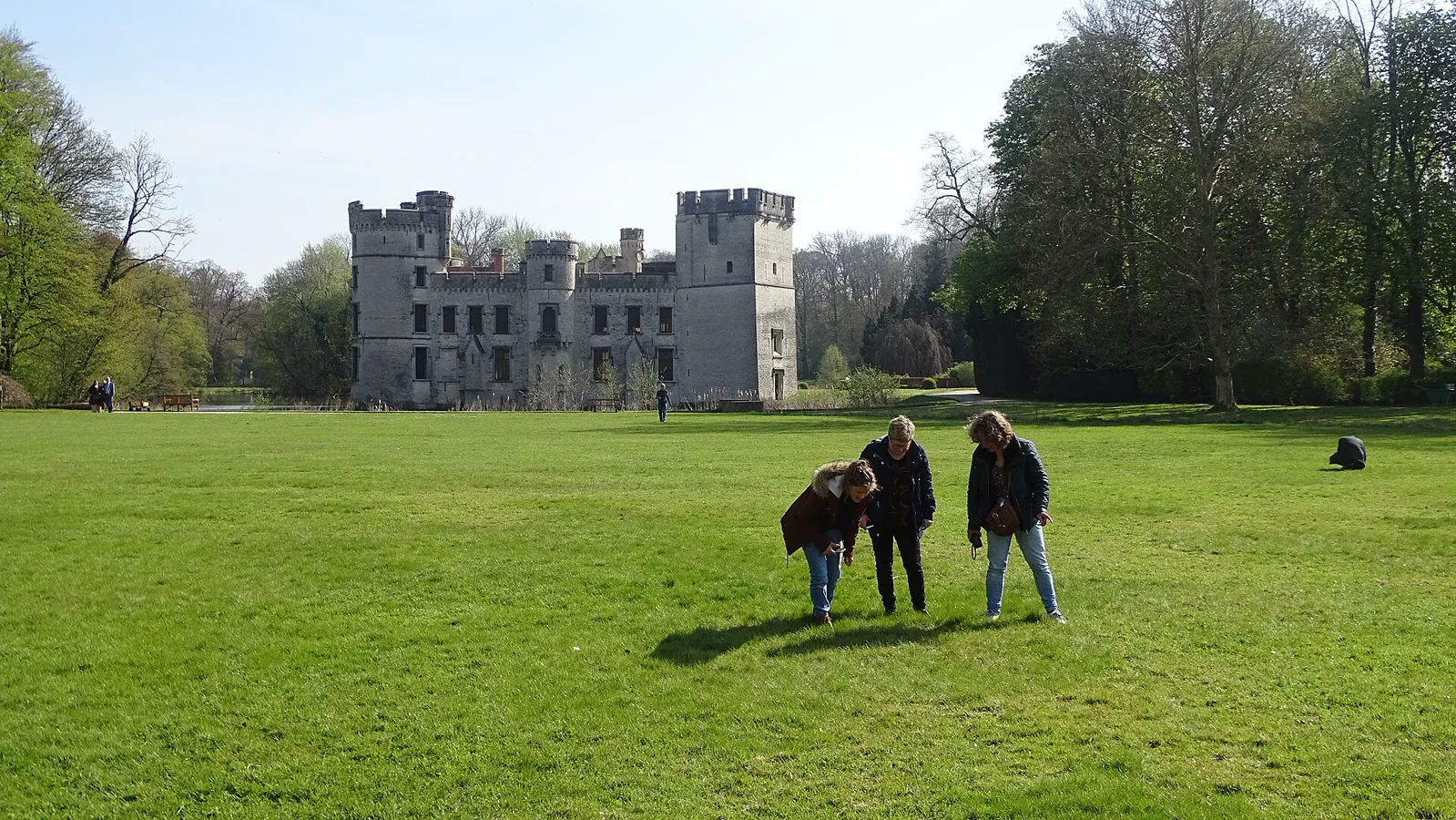
Select a short, open trail or park loop that is legally open after sunset and walk it in daylight first to note trail junctions, exposed roots, footing changes, water margins, and a clear turnaround landmark. Check the forecast and park advisories, pack extra warm layers, navigation, and a reliable backup light, and leave your route and return time with a contact at home. Keeping the route short and familiar lets you spend most of your outing standing quietly in one or two good listening spots rather than hurrying through the dark. [3]
- Walk the exact route in daylight first to note footing hazards, water edges, junctions, and listening stops
- Leave your planned trail and expected return time with someone before heading out after sunset
- Verify local night-access rules and any seasonal advisories for large predators, tides, or closures
Use less light than you think
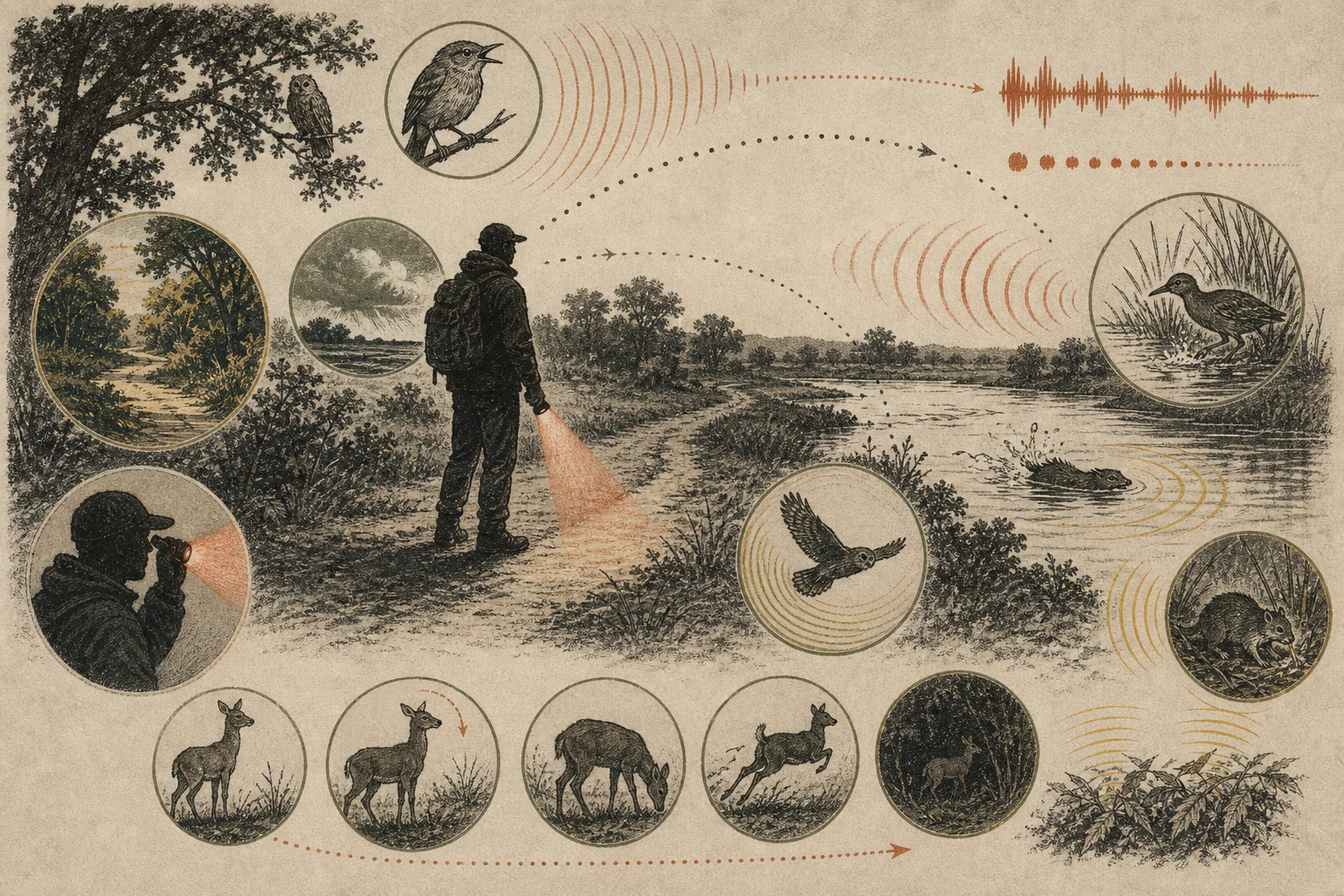
Human rod photoreceptors need roughly 20 to 30 minutes of darkness to build full rhodopsin sensitivity, and a single glance at a bright white flashlight beam or phone screen resets much of that adaptation. Stand still for several minutes at the trailhead so natural starlight or moonlight begins to resolve shapes, and use a low-lumen red light aimed strictly at your boots only when stepping over uneven ground. Preserving natural darkness also protects the visual sensitivity, foraging cover, and orientation cues that nocturnal mammals, amphibians, and migrating birds depend on. [1][2][6]
- Allow 20 to 30 minutes away from white light and glowing screens for your eyes to reach full dark adaptation
- Aim a dim red light down at the trail surface only when moving, never up into tree canopies or animal eyes
- Switch lights completely off during stationary listening stops so silhouettes and sky backdrops become visible
Build the sighting from sound
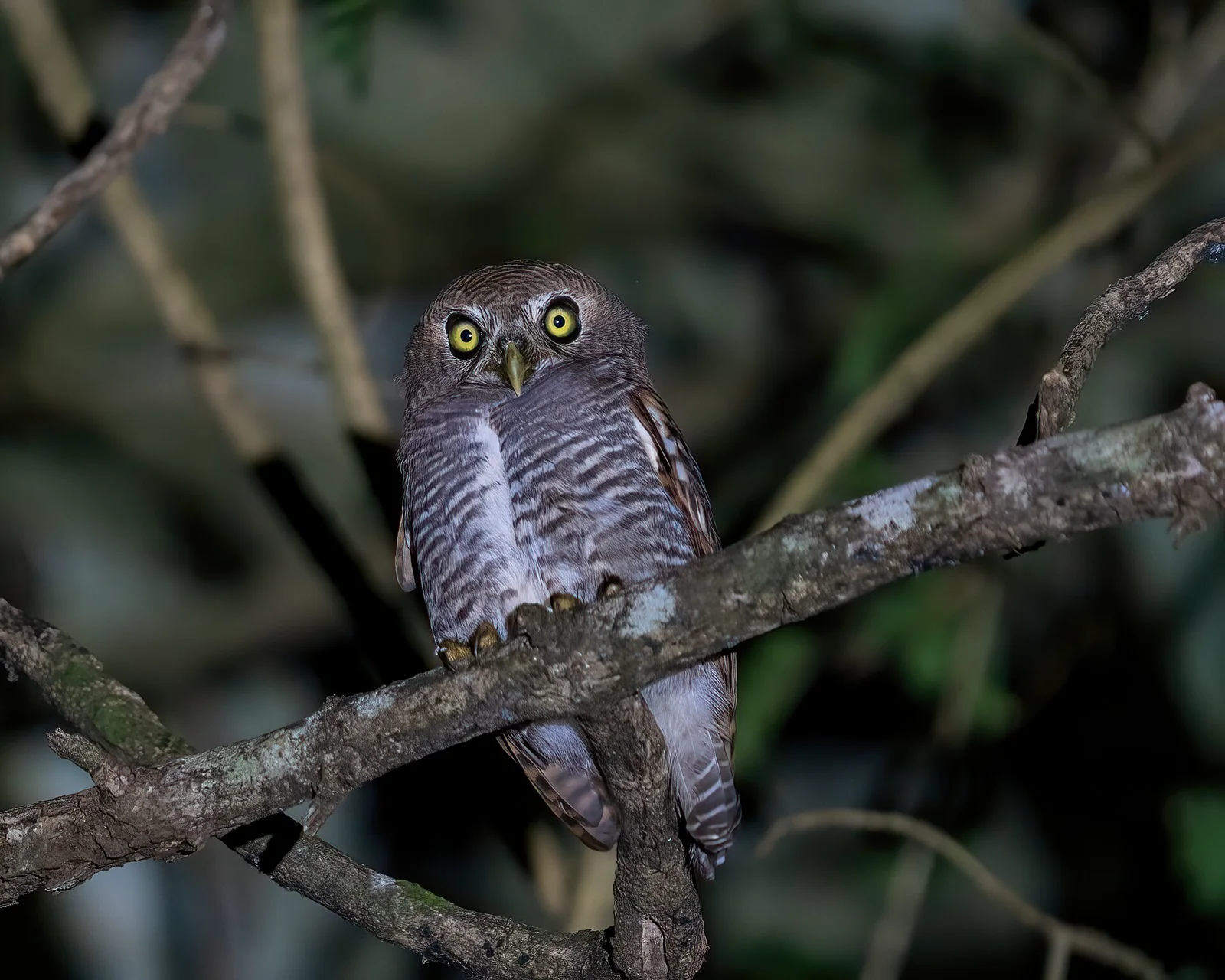
After dark, ears detect wildlife long before eyes do. Pause for five to ten minutes at habitat edges and separate the soundscape layer by layer: steady insect stridulation, frog calls from damp ground, rustling leaf litter, wing whistles, or the spaced territorial hoots of an owl. Cup your hands behind your ears to narrow direction, note call cadence and pitch, and look for silhouettes against the paler sky rather than switching on a beam. A brief ambient voice memo on a dimmed phone can preserve a mystery call for daylight study. [4][5]
- Sort night sounds by cadence, pitch, and height—steady insect chorus, wetland frog calls, leaf-litter rustles, or canopy hoots
- Scan open sky gaps and branch tips for silhouettes rather than sweeping vegetation with a flashlight
- Keep the soundscape natural by listening quietly instead of broadcasting recorded calls to lure nocturnal birds
Watch for behavior changing
Nocturnal animals rely on darkness for security, and subtle shifts in behavior warn when your presence is intruding. An owl that stiffens, stares downward, or flushes from its hunting perch, a mammal that freezes mid-step or retreats into brush, or frogs that abruptly fall silent have all been pushed off their normal routine. Step back immediately, keep camera flashes and spotlights off nightjars and owls whose dark-adapted retinas are easily startled, never set out food or bait to stage an encounter, and keep sensitive roost or nest locations confidential. [1][5][6]
Related guides
Get Fauna and identify it in the field.
Where this guide comes from
Source-checked editorial guide. Last updated . This guide teaches identification and field skills; it is not a substitute for expert verification when it matters.
- National Park Service — Animals need the dark ↗
- National Park Service — Dark adaptation and dim red light ↗
- National Park Service — Hiking safety ↗
- Cornell Lab of Ornithology — Learning bird sounds ↗
- National Audubon Society — Ethical bird photography and videography ↗
- U.S. Fish & Wildlife Service — Nighttime lighting and birds ↗