Observing insects without collecting
You can build an informative insect record with patient watching, careful photography, habitat notes, and repeatable effort—without capturing the insect.
Last updated
Search behavior and microhabitats
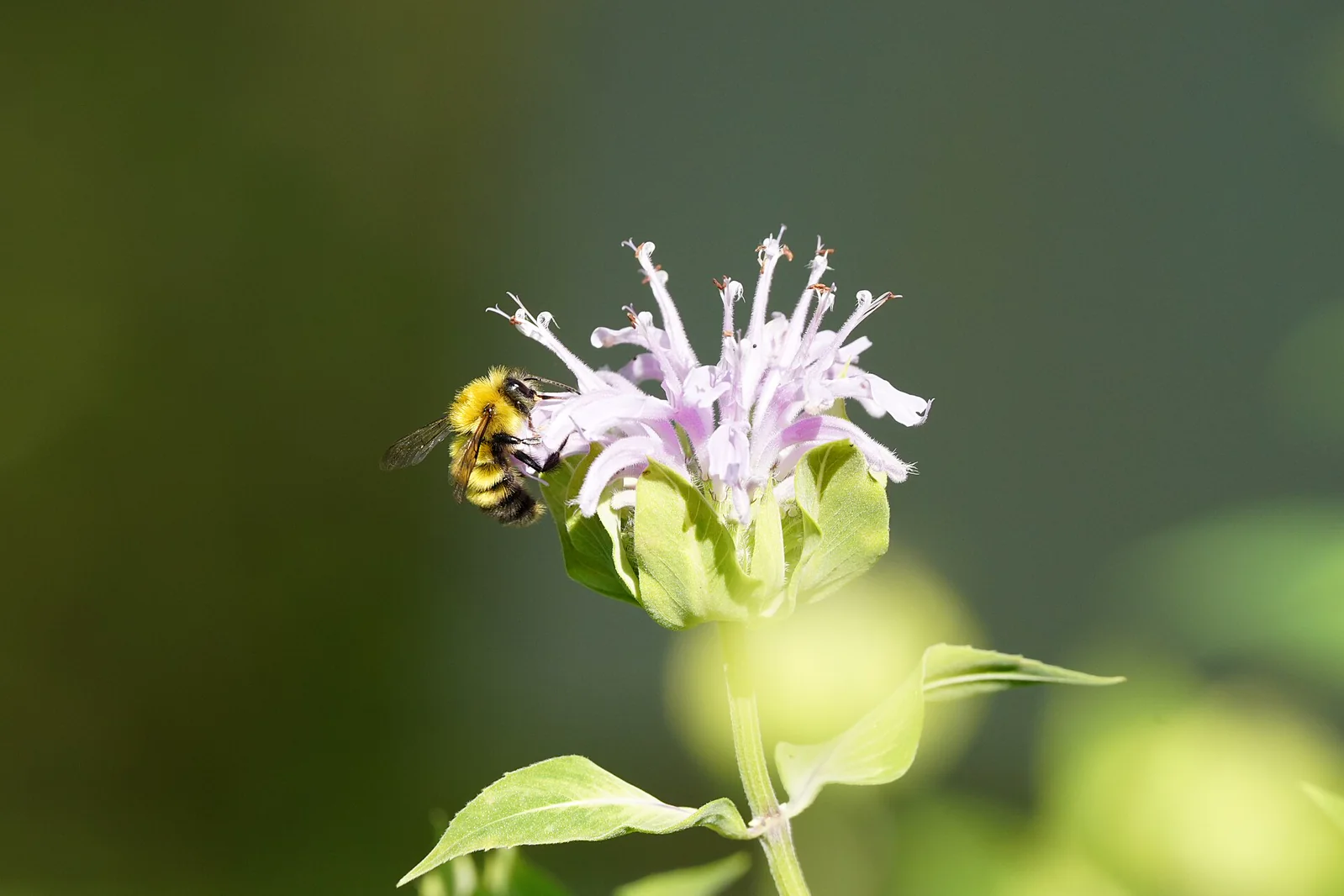
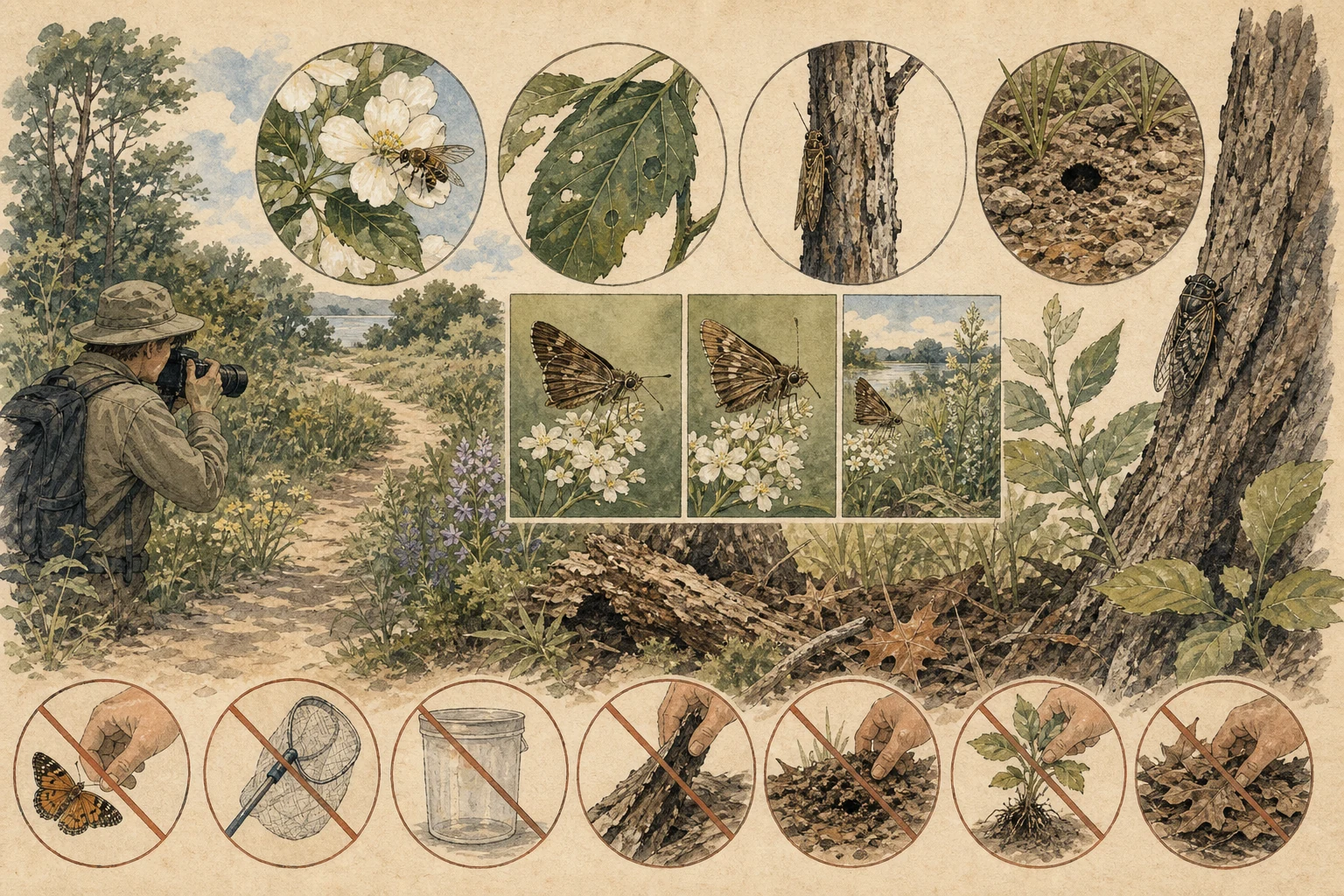
Instead of sweeping vegetation blindly, slow your pace and search distinct microhabitats from durable footing. Watch open flower heads such as wild bergamot, goldenrod, or willow catkins for foraging bees, hoverflies, and ambush bugs; inspect the undersides of leaves for caterpillar feeding notches, aphids, or lacewing eggs; scan sun-warmed tree trunks for bark beetles and resting moths; and check bare sunny soil along trail edges for ground-nesting bee burrows and tiger beetles. Pausing quietly at a single flowering patch for several minutes reveals natural foraging sequences, prey capture, and host-plant links that a net sweep immediately destroys. [1][2]
- Field check: watch one sunlit flower patch or bare-soil bank for five quiet minutes before moving along the trail.
- Inspect both leaf surfaces, stem axils, and bark crevices visually without snapping twigs or stripping bark.
- Note the exact flower species, host plant, or prey item—ecological associations often narrow an identification immediately.
Photograph evidence, not just beauty
A single artistic portrait of a butterfly's upperwing or a bumble bee's face often hides the exact characters needed to separate close relatives. Build each observation as a multi-angle evidence set of the same individual: capture a sharp dorsal view showing thorax, abdomen, and wing venation, a lateral profile showing leg structure, face, or underside markings, and a wider frame documenting the host flower or substrate. Check that your date, time, and location metadata are accurate, and limit image editing to honest cropping and exposure adjustments that clarify real anatomy without altering colors or scene elements. [3][6]
- Combine a dorsal shot, a side profile, and a host-plant context frame of the same insect into one observation record.
- For bumble bees, try to capture the head, thorax, and abdominal hair bands clearly from above and the side.
- Keep image processing strictly documentary—crop for clarity, but never clone, recolor, or alter diagnostic markings.
Leave the subject in place
Hands-off insect observation protects both the individual arthropod and the microhabitat shelter it depends on. Do not pinch, jar, chill in a cooler, net, or relocate a bee, beetle, or caterpillar to stage a cleaner background, and resist the urge to peel loose bark off rotting logs, dig into ground-bee turrets, or tear open folded leaf shelters. When an insect rests deep inside a thorny shrub or flushes before you can focus, take a distant record shot or simply let the sighting go—preserving intact refuge cover matters far more than securing a close macro frame. [3][4]
- Never chill, jar, or handle wild insects to slow them down for photography; use early-morning cool air or patient approach instead.
- Leave loose bark, rotting wood, leaf-roller shelters, and ground-nesting bee entrances completely intact.
- Keep your shadow behind you as you approach a basking insect so a sudden drop in light does not flush it.
Use a protocol when comparing visits
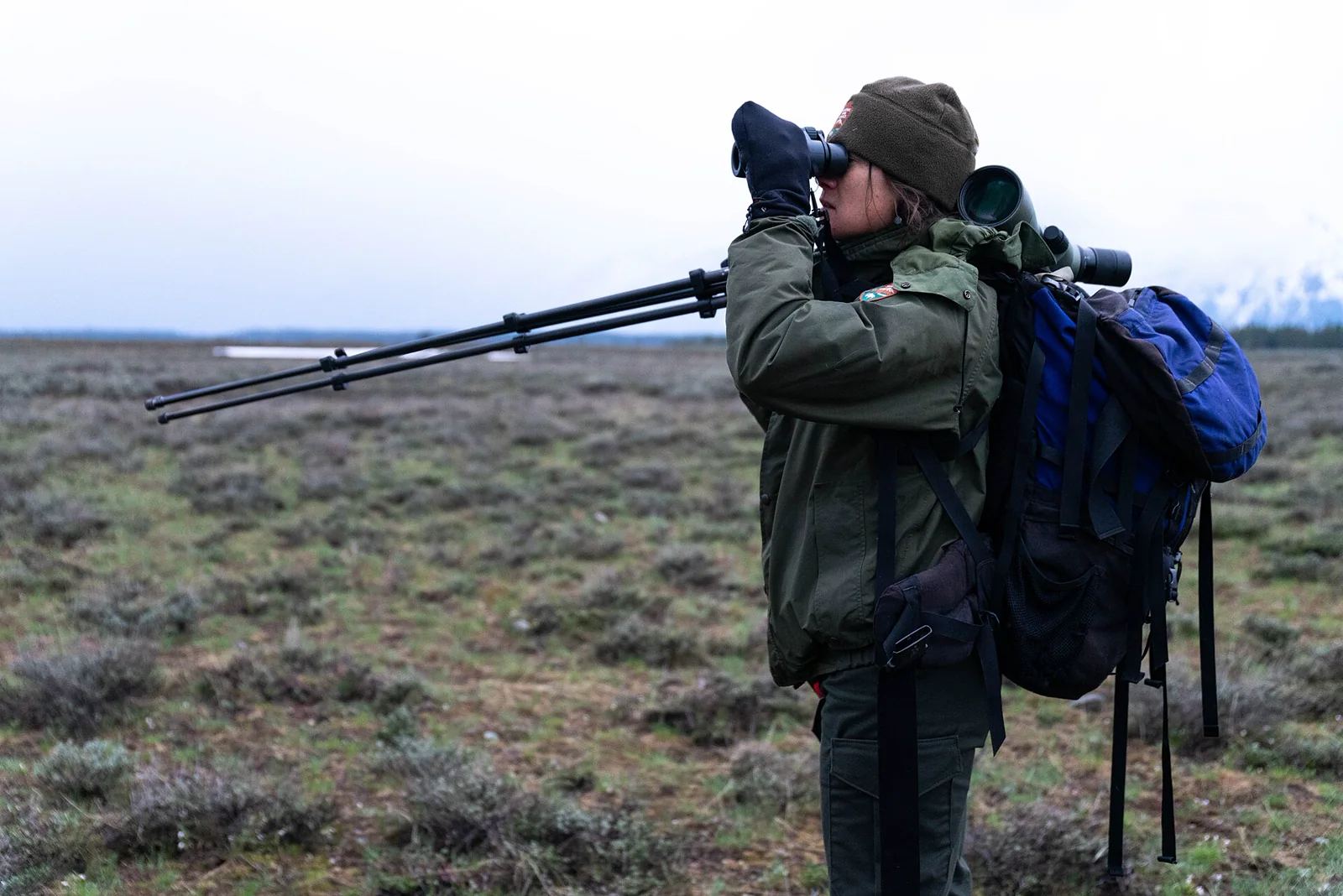
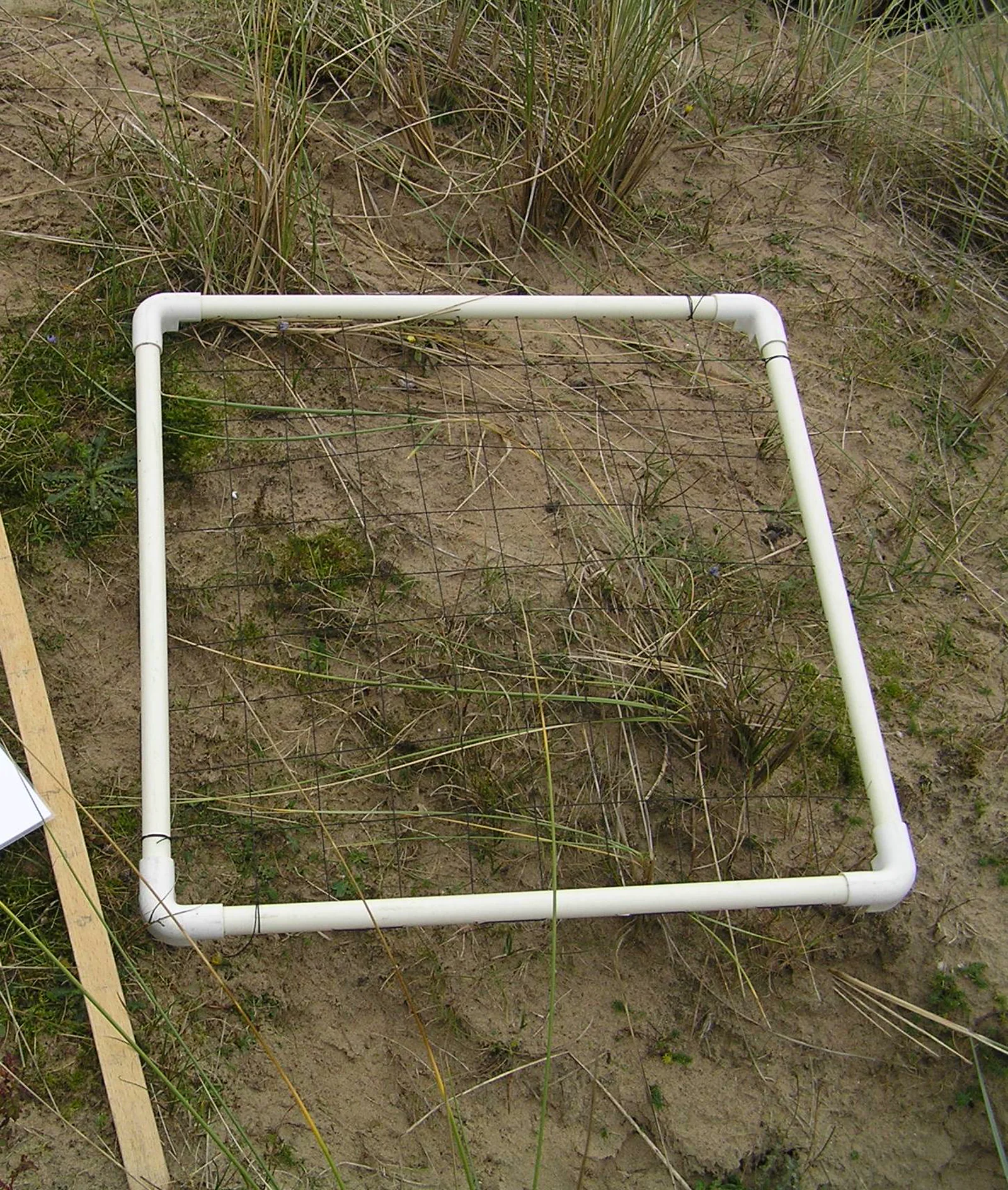
When your goal shifts from casual natural history to tracking pollinator activity across a season or comparing restored meadow plots, standardize how you look. Follow a structured non-lethal method—such as the Xerces Society's streamlined bee monitoring protocol—by walking a fixed transect or watching a defined floral patch for a set number of minutes within stated temperature, wind, and cloud thresholds. Train yourself to record only the taxonomic groupings that can be reliably separated on the wing or in photos, and remember that any study involving capture or specimen collection in U.S. national parks or protected reserves requires an official permit. [1][2][5]
- Standardize plot size, walk duration, time of day, and minimum temperature and wind limits when comparing visits over time.
- Group visually inseparable species into honest morphogroups (such as tiny dark sweat bees) when working without specimens.
- Verify land-manager rules before starting a formal survey; specimen collection in U.S. national parks requires an NPS research permit.
Related guides
Get Fauna and identify it in the field.
Where this guide comes from
Source-checked editorial guide. Last updated . This guide teaches identification and field skills; it is not a substitute for expert verification when it matters.
- Xerces Society — Beneficial Insect Scouting Guide ↗
- Xerces Society — Streamlined Bee Monitoring Protocol ↗
- iNaturalist Help — What Is an Observation? ↗
- National Park Service — Leave What You Find ↗
- National Park Service — Research Policy and Collecting Permits ↗
- iNaturalist Help — Acceptable Image and Sound Editing ↗