Making useful citizen-science records
A useful record preserves what you encountered, where and when you encountered it, and honest evidence that another person can evaluate.
Last updated
Define one encounter clearly
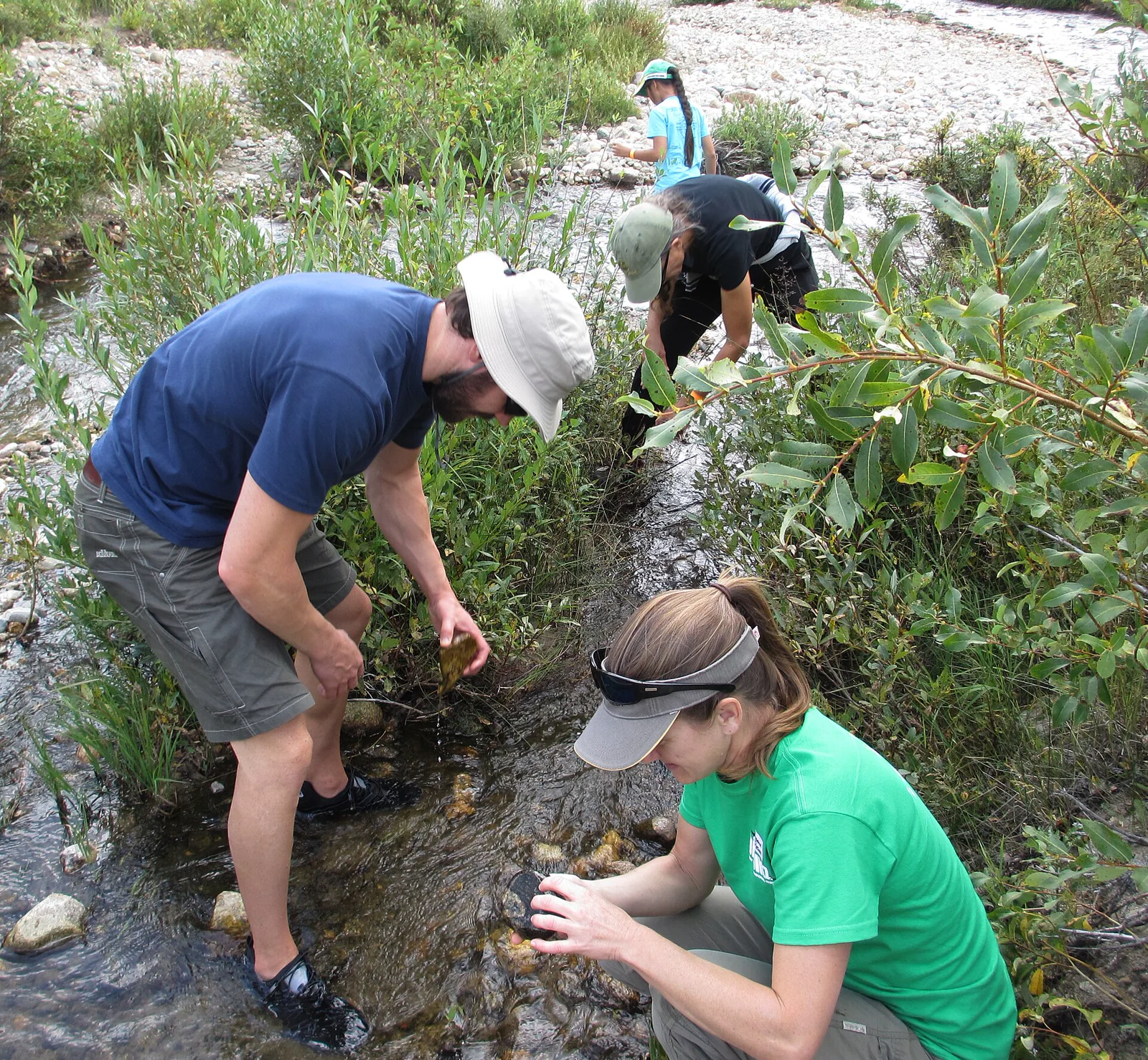
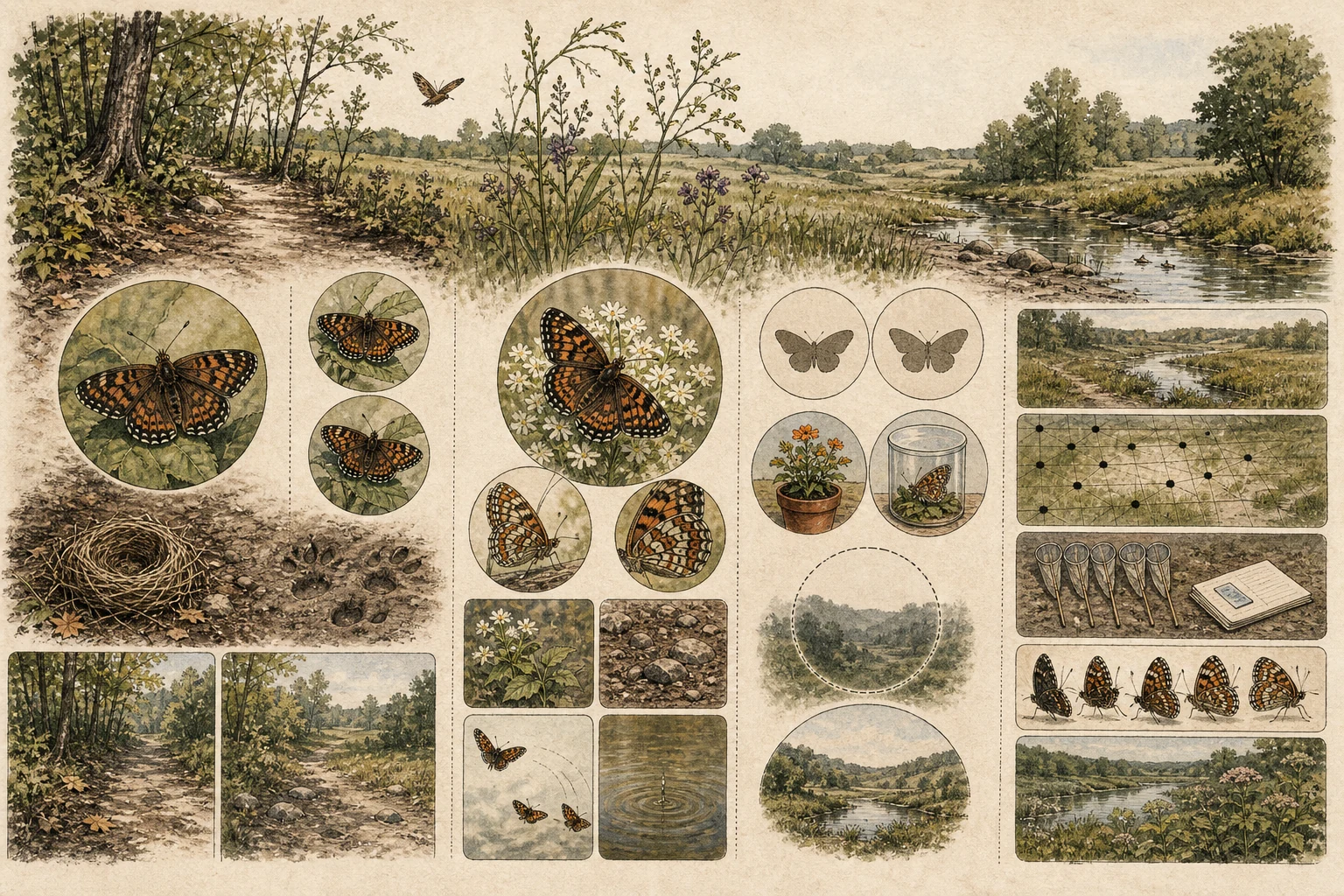
On biodiversity platforms like iNaturalist, one observation records a single encounter with an individual organism—or recent physical evidence of one, such as mammal tracks in mud, a shed snakeskin, or an active bird nest—at a particular time and place. When a beetle crawls across a milkweed leaf beside a crab spider, log two separate observations rather than bundling both species into one upload. Conversely, if you take four photos of the same mushroom cap, gills, stem base, and forest floor during one visit, group all four frames inside a single record. Always verify the captured date, time, coordinates, and accuracy circle before submitting. [1][2]
- Field check: group multiple angles of the same individual organism from one visit into a single observation record.
- Create a separate observation for a second species in the same frame, or if you return to photograph the same plant days later.
- Inspect the map pin and location-accuracy circle before uploading so drifted phone GPS points do not place a terrestrial species offshore.
Make the evidence inspectable
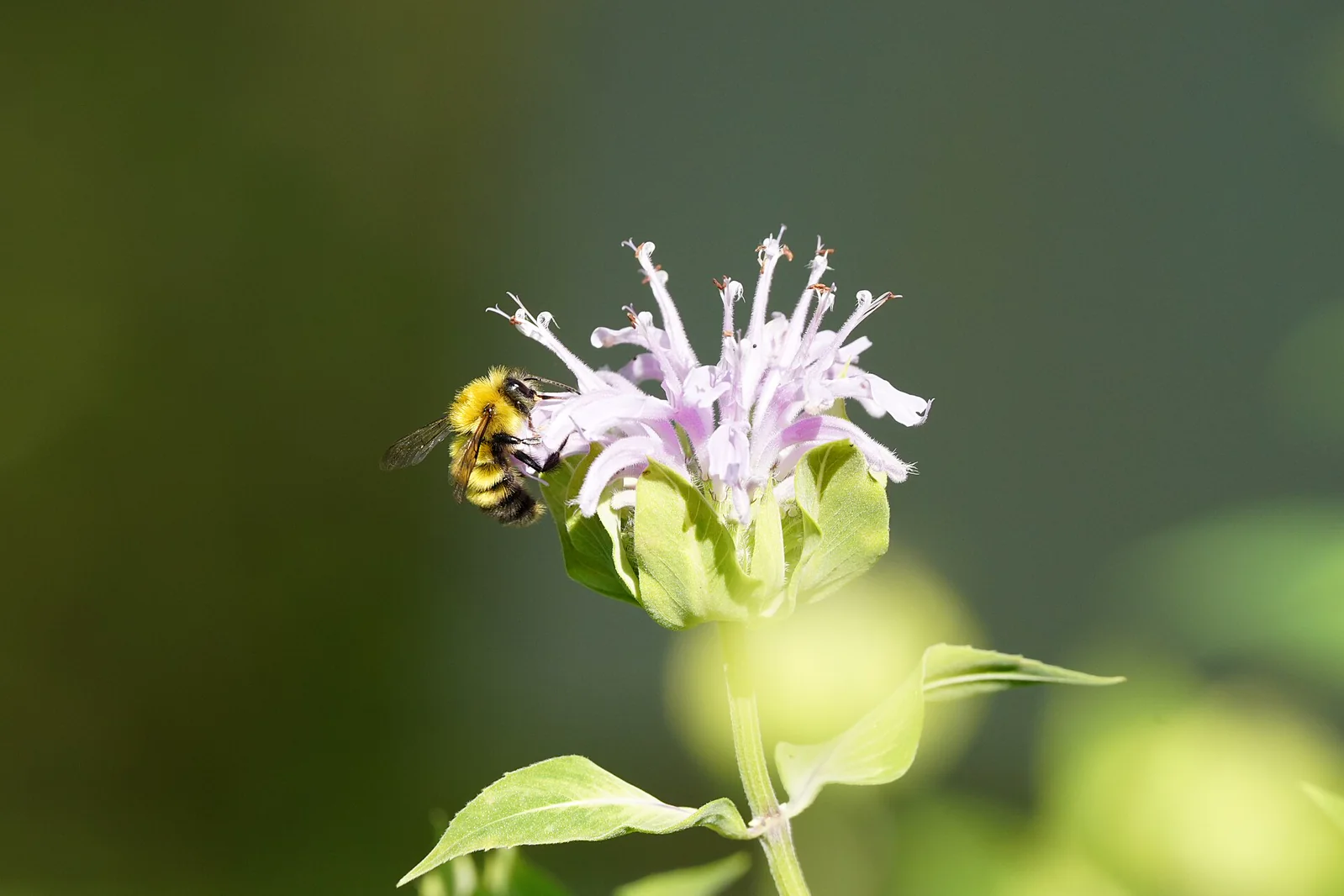
Community identifiers and museum curators can only verify what your media actually shows. Photograph or record the wild organism and immediate scene you encountered, pairing a sharp whole-body portrait with complementary views of diagnostic anatomy—such as leaf attachment, gill spacing, wing venation, or frog call phrases—alongside host plant, substrate, or scale context. Standard cropping, rotation, and brightness adjustments that make field marks easier to inspect are welcome on iNaturalist, whereas composite images, heavy generative retouching, or adding and erasing scene elements break the evidentiary chain connecting the file to a real wild organism. [2][3]
- Capture at least two angles plus a context frame showing host plant, substrate, or a physical scale beside the organism.
- Crop and adjust exposure conservatively to clarify real structures without erasing or fabricating biological details.
- Common trap: uploading a distant single frame where the target animal is a tiny speck in the center of complex foliage.
Preserve uncertainty and privacy
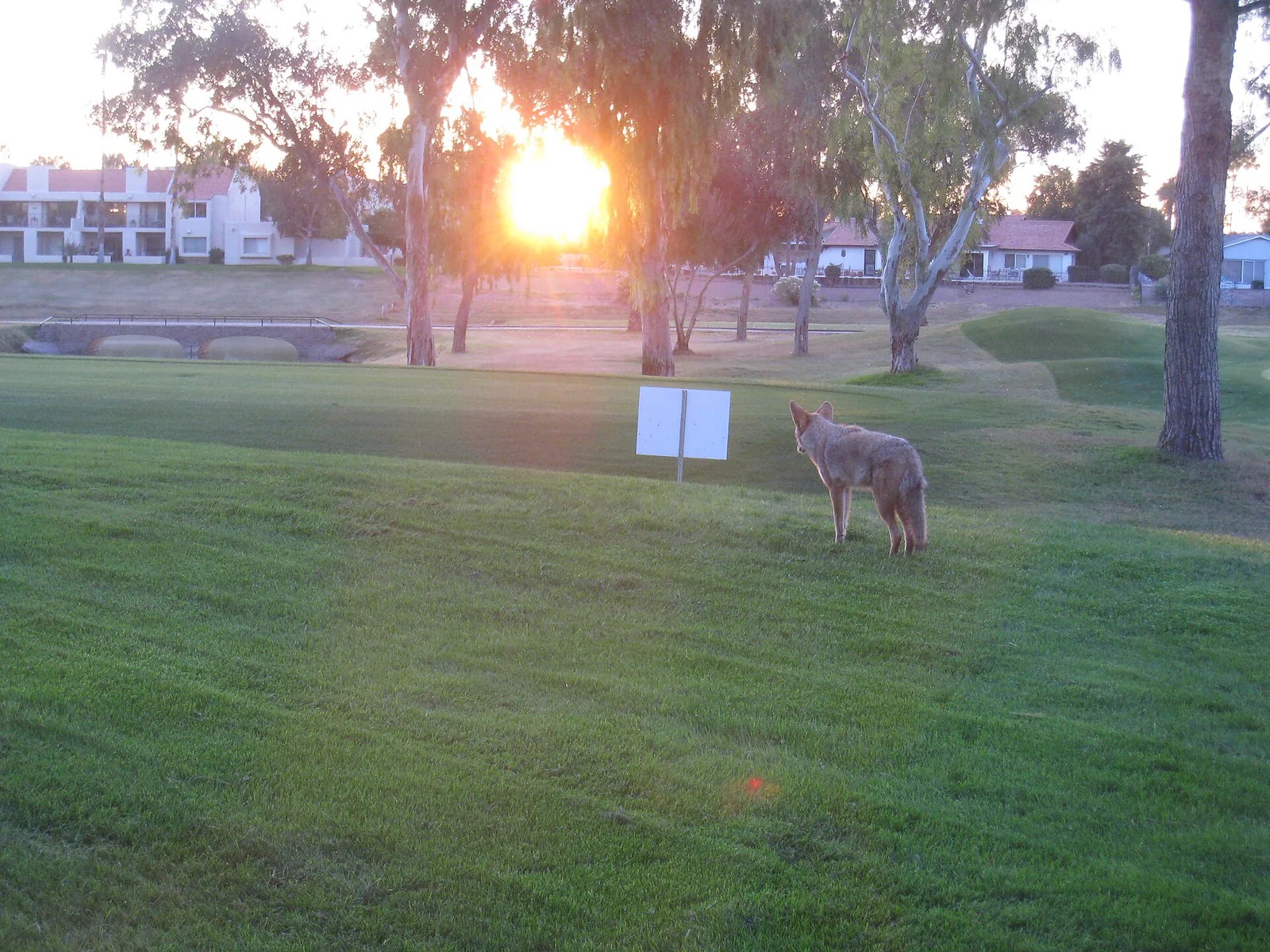
Honest uncertainty makes a biodiversity database stronger, not weaker. When a sedge, juvenile gull, or nocturnal moth lacks the diagnostic characters needed for a species-level name, enter the broadest rank your evidence solidly supports—such as genus, family, or order—and explain what you saw in the notes. Always mark garden plantings, street trees, zoo animals, and household pets as captive or cultivated so range models are not distorted. Finally, consider whether exact public coordinates could expose a rare orchid, timber rattlesnake den, or nesting raptor to poaching or trampling, and apply obscured or private geoprivacy settings when needed. [2][4][5]
- Stop at genus or family when species-level characters are hidden, rather than blindly accepting a top computer-vision suggestion.
- Flag planted shrubs, agricultural crops, and captive animals so automated data pipelines exclude them from wild range maps.
- Use obscured or private geoprivacy settings whenever exact coordinates could attract collectors or crowd a vulnerable nest or roost.
Match the record to the question
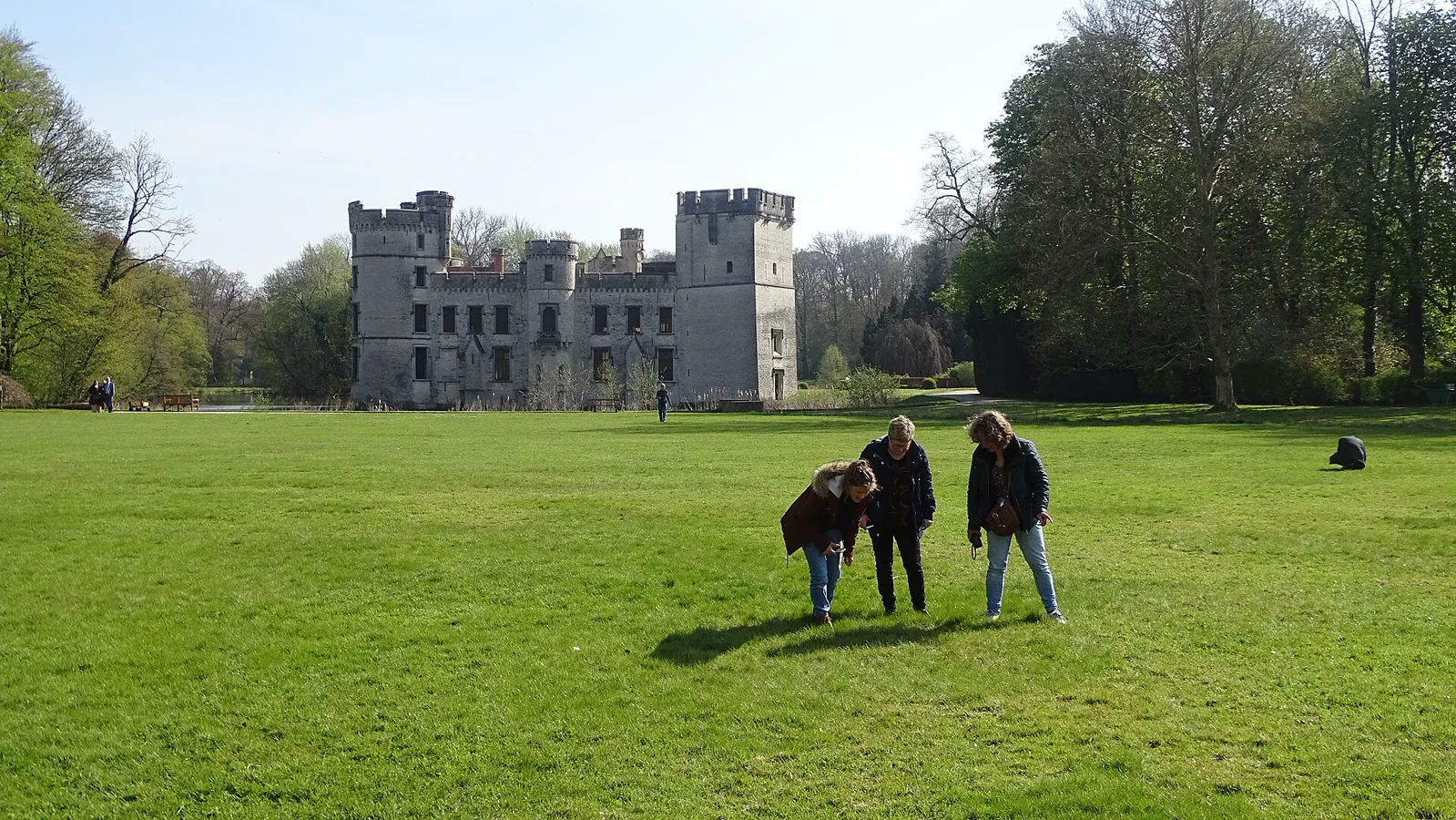
Casual encounter records excel at documenting species presence, seasonal phenology, host associations, and newly arriving non-native organisms, yet a pile of opportunistic pins is not an unbiased census of abundance. Observers naturally visit trails, parks, and roadsides on pleasant weekends and photograph charismatic flowers or butterflies more often than soil mites. When a study or local monitoring project needs to measure population trends or true absence, it defines clear sampling objectives, standardized search effort, observer training, and quality checks up front—supported by thorough metadata explaining who recorded what, where, when, why, and how. [5][6]
- Opportunistic sightings confirm presence and phenology, while abundance and trend questions require standardized search effort.
- Record clear notes on habitat, search method, and weather so future researchers can judge whether your record fits their study.
- Follow project-specific protocols whenever contributing to a structured monitoring survey rather than a casual walk.
Related guides
Get Fauna and identify it in the field.
Where this guide comes from
Source-checked editorial guide. Last updated . This guide teaches identification and field skills; it is not a substitute for expert verification when it matters.
- iNaturalist Help — What Is an Observation? ↗
- iNaturalist Help — Data Quality Assessment ↗
- iNaturalist Help — Acceptable Image and Sound Editing ↗
- iNaturalist Help — Protecting Sensitive-Species Locations ↗
- U.S. Geological Survey — Metadata Creation ↗
- Brown and Williams — Reliability and Usefulness of Citizen Science in Ecology ↗