Observing frogs and salamanders
Amphibians are easiest to learn through calls, habitat, season, and photographs made in place. Hands-off observation also avoids damaging sensitive skin or carrying organisms between animals and wetlands.
Last updated
Let season, moisture, and sound narrow the search
Because amphibians exchange water and oxygen across permeable skin, their surface activity tracks moisture and temperature closely. Male frogs and toads advertise from vernal pools, marshes, and pond margins during species-specific seasonal windows, while mole salamanders and woodland plethodontids emerge on rainy nights to migrate to breeding pools or forage across damp leaf litter. Consult your state or national wildlife agency's phenology calendar to learn which species call in early spring thaws versus warm summer rains, and focus outings on humid twilights or wet evenings along established trails. [1][2][6]
- Warm spring rains and humid evenings trigger the highest surface activity in both frogs and salamanders
- Species partition the calendar from early snowmelt chorus frogs and wood frogs to midsummer treefrogs and true frogs
- Scan wet trail surfaces and roadside ditches carefully on rainy nights when migrating amphibians cross on foot
Observe frogs from the edge
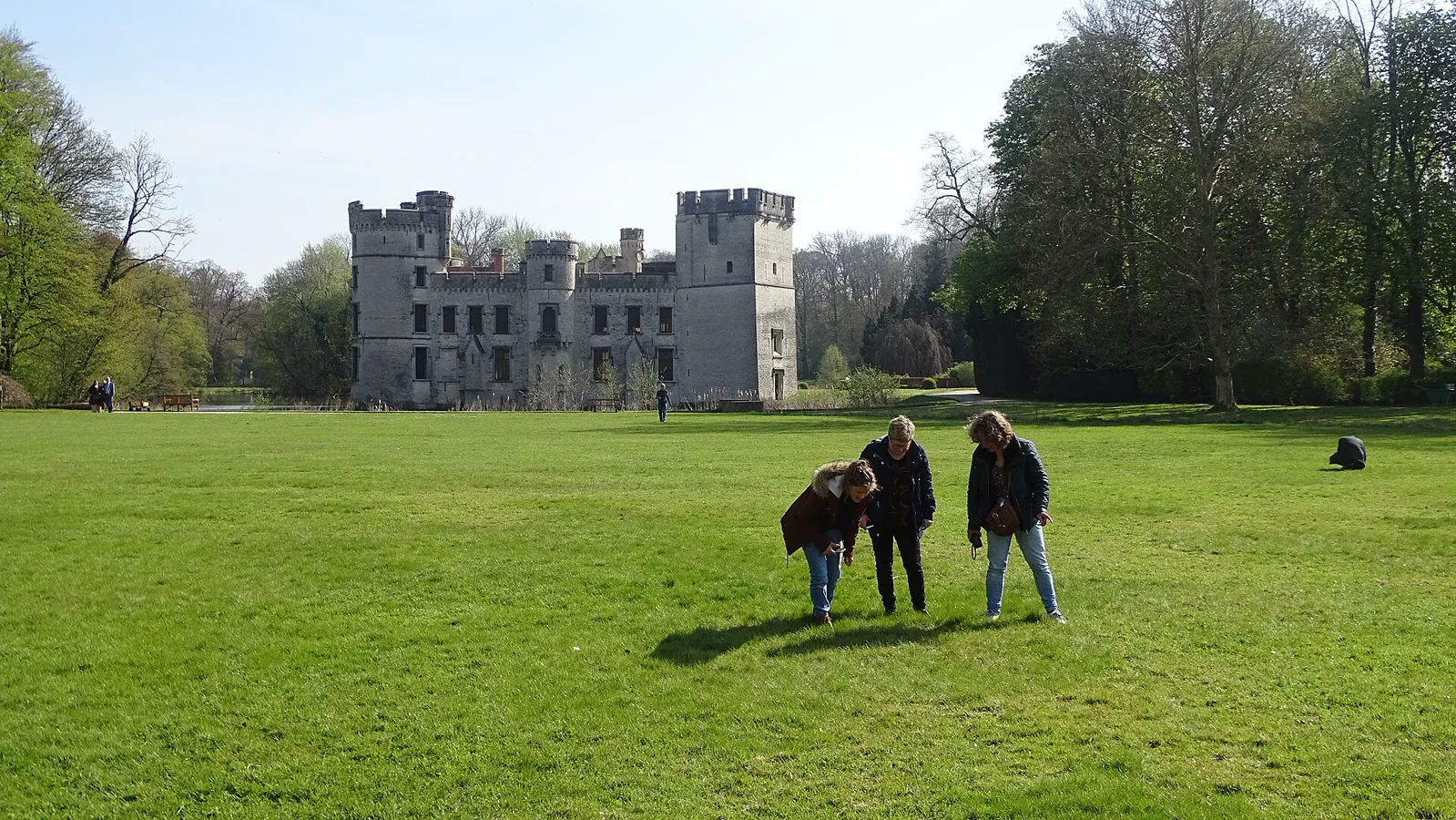
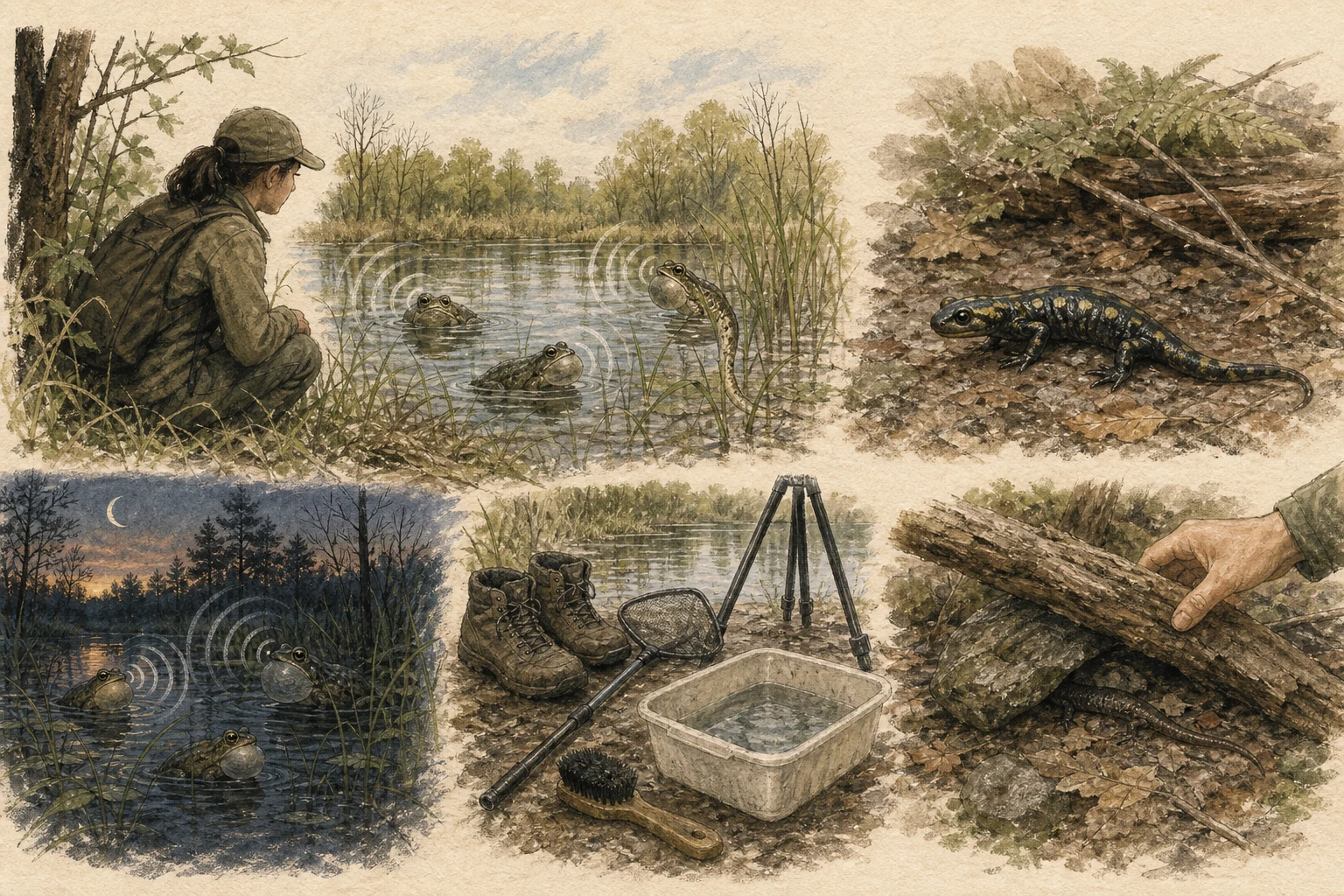
Pause well back from the shoreline when approaching a calling wetland so your footsteps do not send vibrations through soft mud and silence the nearest bank. Listen for several minutes to separate high-pitched peeps, trills, and low jug-o-rum grunts, noting whether each call comes from open water, emergent sedges, or overhanging shrubs. Use close-focus binoculars or a telephoto lens from dry ground to spot inflated vocal sacs and eye ridges without wading into the shallows, where boots crush submerged egg masses and stir silt over gill-breathing larvae. [1][3]
- Stop several paces back from the bank because ground vibrations silence nearby callers before you see them
- Triangulate a calling frog by matching its rhythm to tiny ripples or a gleaming vocal sac among reeds
- Stay on dry paths rather than wading into vernal pools where gelatinous egg clusters cling to submerged twigs
Leave salamanders and shelter where they are
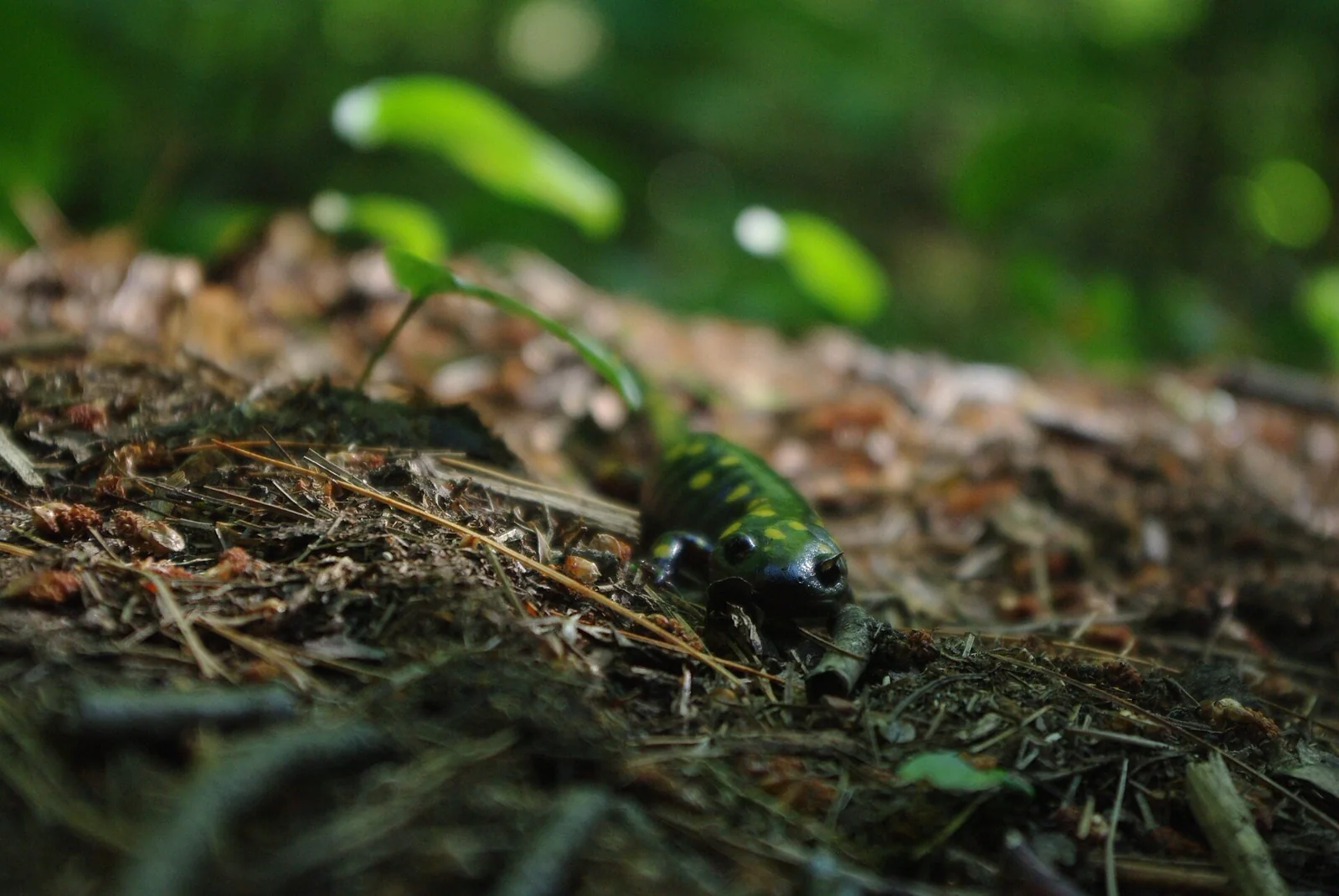
Many terrestrial and stream-side salamanders lack lungs entirely, breathing through thin, moist skin and mouth membranes that are easily damaged by dry human fingers, skin salts, insect repellent, or sunscreen. Photograph salamanders and frogs in place without picking them up, and resist the urge to roll rotting logs, peel bark, or flip flat stones in search of hidden animals. Lifting cover destroys the cool, humid microclimate underneath, collapses burrows, and frequently crushes amphibians when heavy wood or rock settles back down. [2][3][4]
- Never handle amphibians with bare hands—lotions, bug sprays, salts, and dry skin damage permeable respiratory membranes
- Leave rotting logs, bark, and flat creek stones undisturbed to preserve humid microclimates and prevent crushing
- Photograph dorsal spots, costal grooves, and toe structure in situ from trailside views
Treat every wetland as a separate site
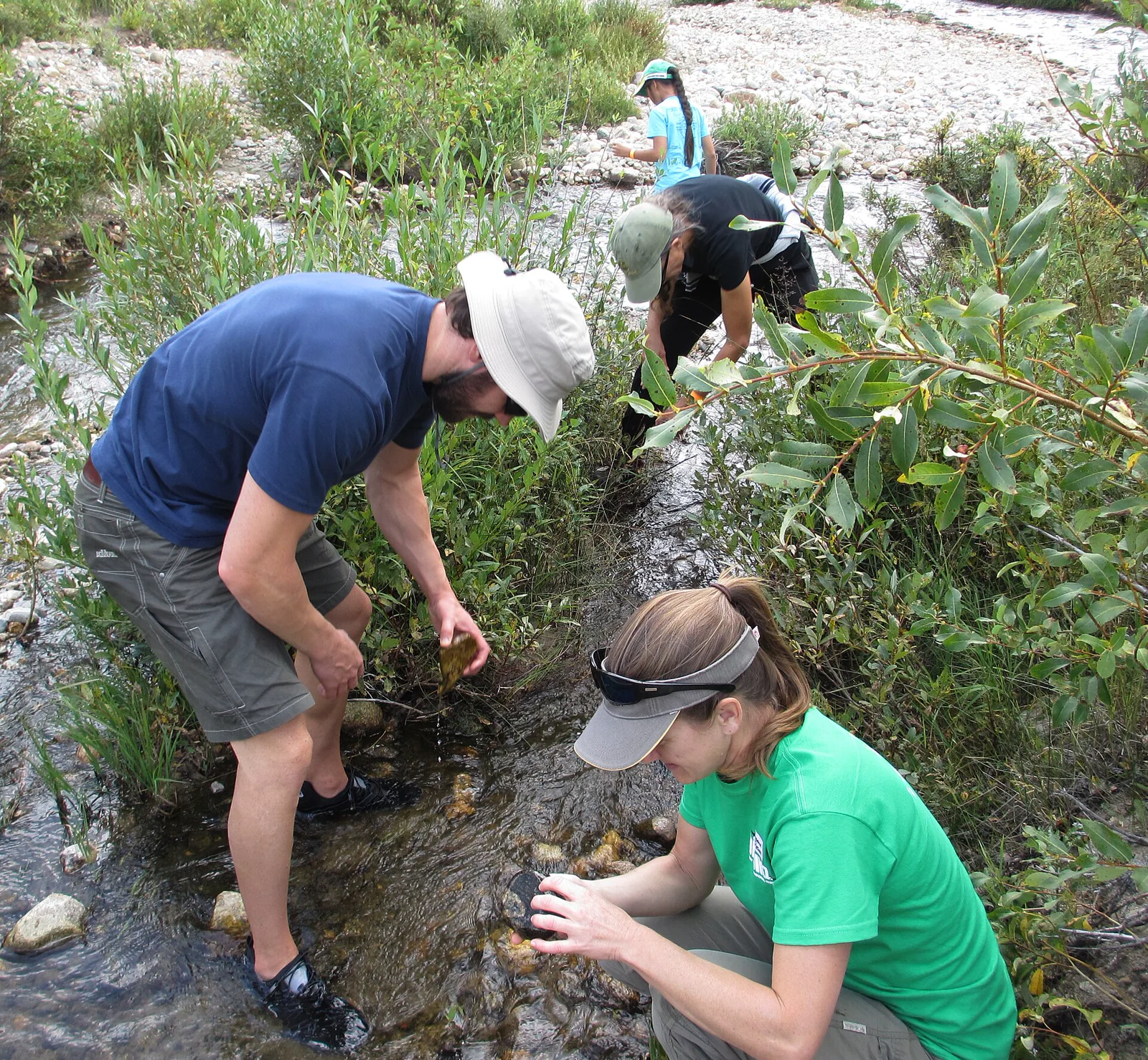
Damp mud, plant fragments, and water clinging to boot treads, tripod legs, or dip nets can transport lethal amphibian pathogens—including the chytrid fungi Batrachochytrium dendrobatidis and B. salamandrivorans as well as ranaviruses—between isolated ponds and streams. Brush and rinse all soil and organic debris off footwear and gear before leaving a site, let equipment dry thoroughly between outings, and apply the exact disinfection protocol recommended by your local wildlife agency. Never move water, plants, tadpoles, or adult amphibians from one wetland to another, and report unexplained die-offs promptly. [4][5][6]
- Scrub all mud, seeds, and plant debris off boot treads and tripod tips before moving between watersheds
- Chytrid fungi and ranaviruses survive in damp mud and water droplets, making thorough gear drying and disinfection vital
- Report any sighting of multiple dead, lethargic, or reddened amphibians to the state or regional wildlife agency
Related guides
Get Fauna and identify it in the field.
Where this guide comes from
Source-checked editorial guide. Last updated . This guide teaches identification and field skills; it is not a substitute for expert verification when it matters.
- National Park Service — Frogs at Katahdin Woods and Waters ↗
- National Park Service — Salamanders of the Upper Delaware ↗
- National Park Service — What you can do for amphibians and reptiles ↗
- Partners in Amphibian and Reptile Conservation — Ethical observation standards ↗
- U.S. Geological Survey — Disinfection protocols for herpetofaunal pathogens ↗
- National Park Service — Amphibian disease risk and field hygiene ↗