Observing wildlife from a blind
Prefer established hides, enter before animals arrive, keep openings and movement small, let wildlife approach on its own, watch for vigilance or avoidance, and leave when your presence changes behavior.
Last updated
A blind reduces cues rather than erasing you
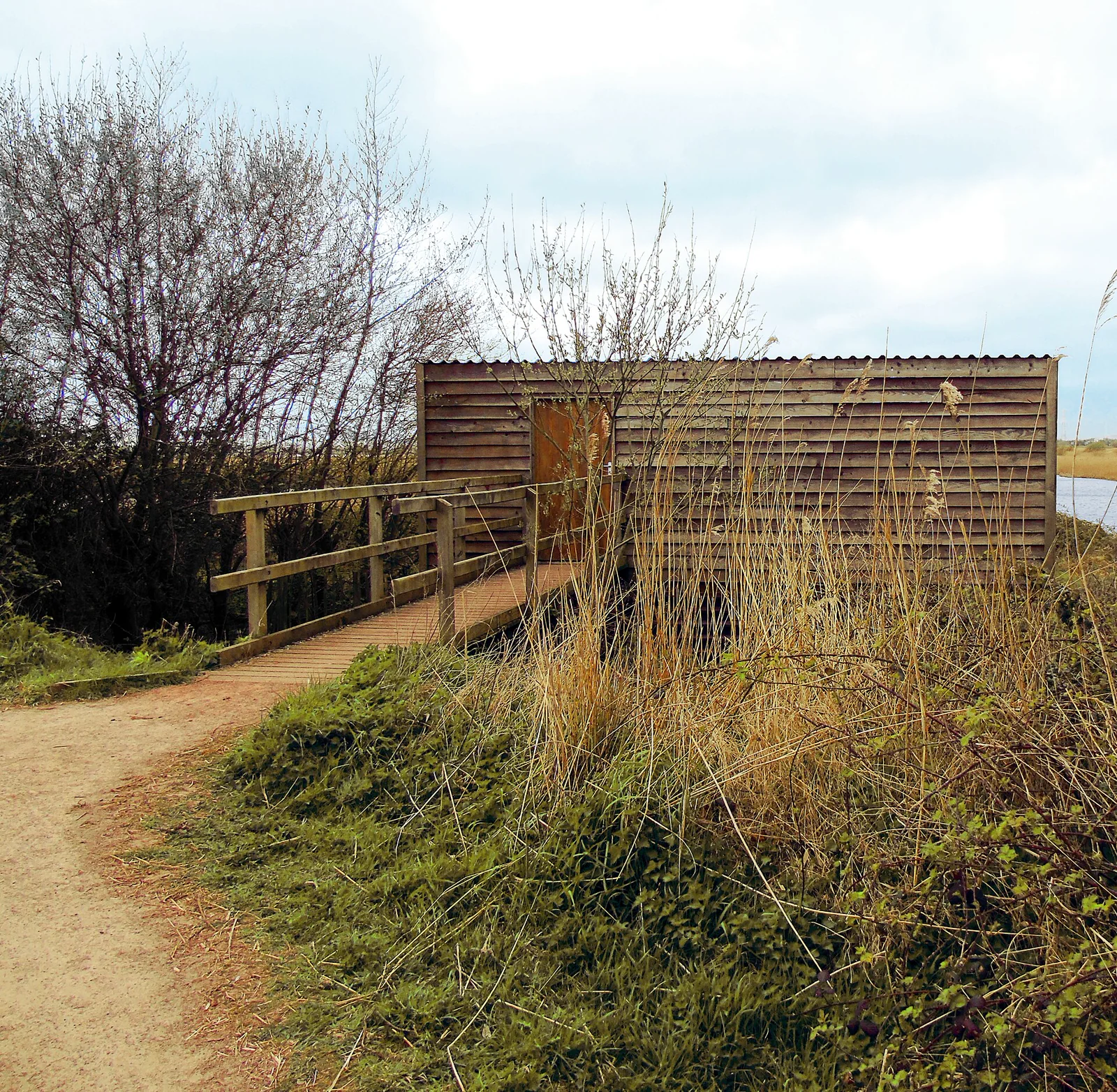
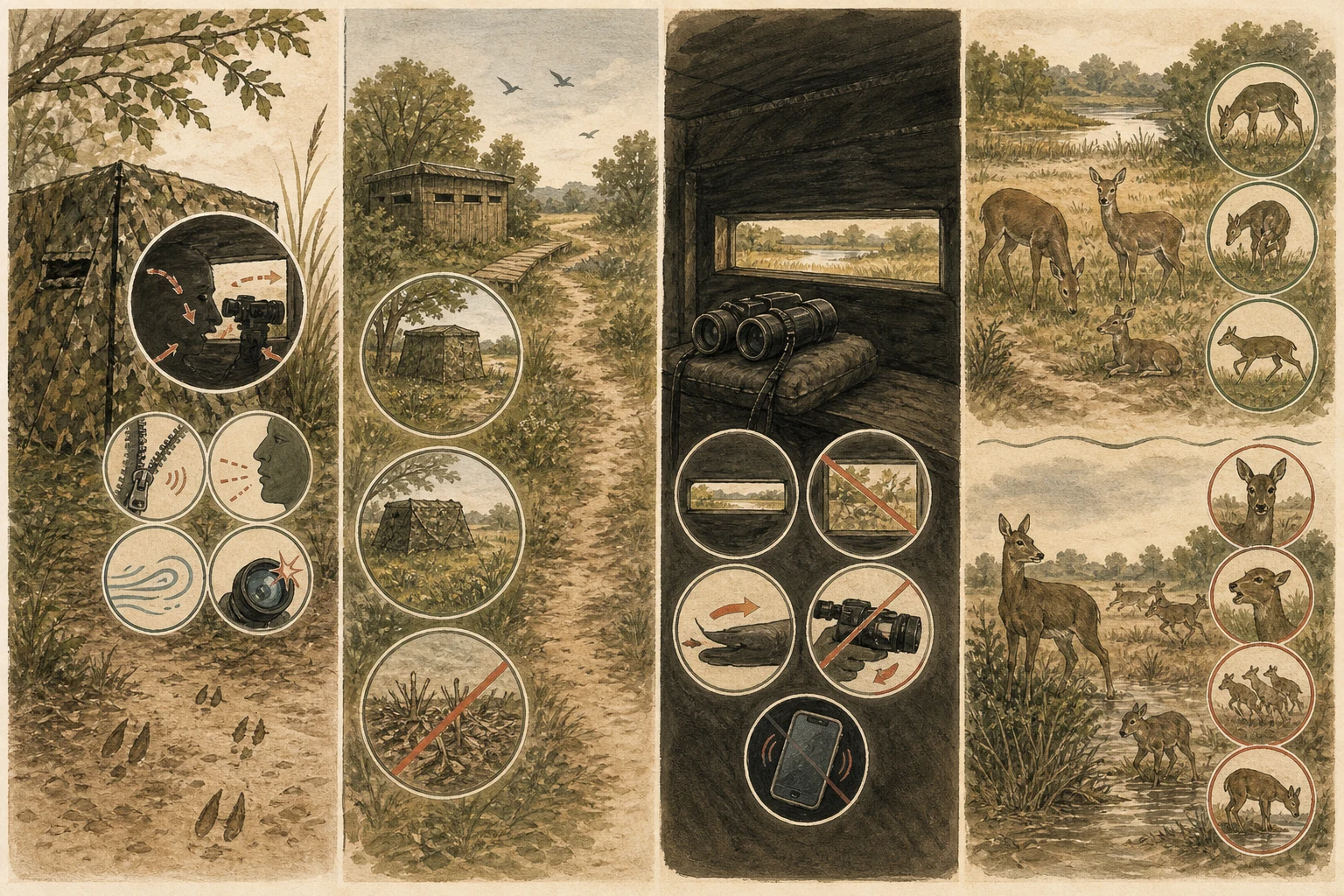
Wooden wetland hides, fabric pop-up tents, and parked vehicles along refuge drives work by breaking up the upright human head-and-shoulder silhouette and masking the small hand movements of raising binoculars or writing notes. However, walls and mesh do nothing to block human scent drifting downwind toward a coyote or deer, nor do they muffle metallic tripod clinks, nylon jacket rustles, camera shutters, or whispered conversation. A gleaming front lens element or pale face framed in a sunlit viewing slot can still startle wary waterfowl. Treat a blind as an aid to stillness and patience at a respectful distance, never as a cloak of invisibility. [1][2]
- Check wind direction before settling so your scent does not blow directly across mammal trails or waterbird loafing bars.
- Wear dark, quiet clothing inside the blind so your face and hands do not glow in the viewing slot.
- Keep all Park Service and refuge viewing-distance rules in force even when sitting behind a barrier or inside a vehicle.
Choose the least disruptive setup
Permanent public observation hides along boardwalks and marsh dikes are almost always the lowest-impact choice, because local birds and mammals are already habituated to the structure and its screened approach path. Where portable blinds are explicitly permitted by land managers, pitch them well back from active nests, dens, display leks, and tight watering corridors, set them on durable bare soil or gravel without snapping branches or trampling reedbeds, and never put out seed, suet, or carcasses to lure subjects into view. Walk in quietly and get settled before dawn or before a tide pushes shorebirds onto a high-water roost, rather than marching through an already gathered flock. [2][3]
- Use permanent reserve hides or stay inside a parked car on designated wildlife drives whenever available.
- Arrive and settle before peak activity windows so animals enter the area on their own terms.
- Never trim branches, flatten marsh vegetation, or place food or audio lures outside a blind to improve sightlines.
Make the observation opening boring
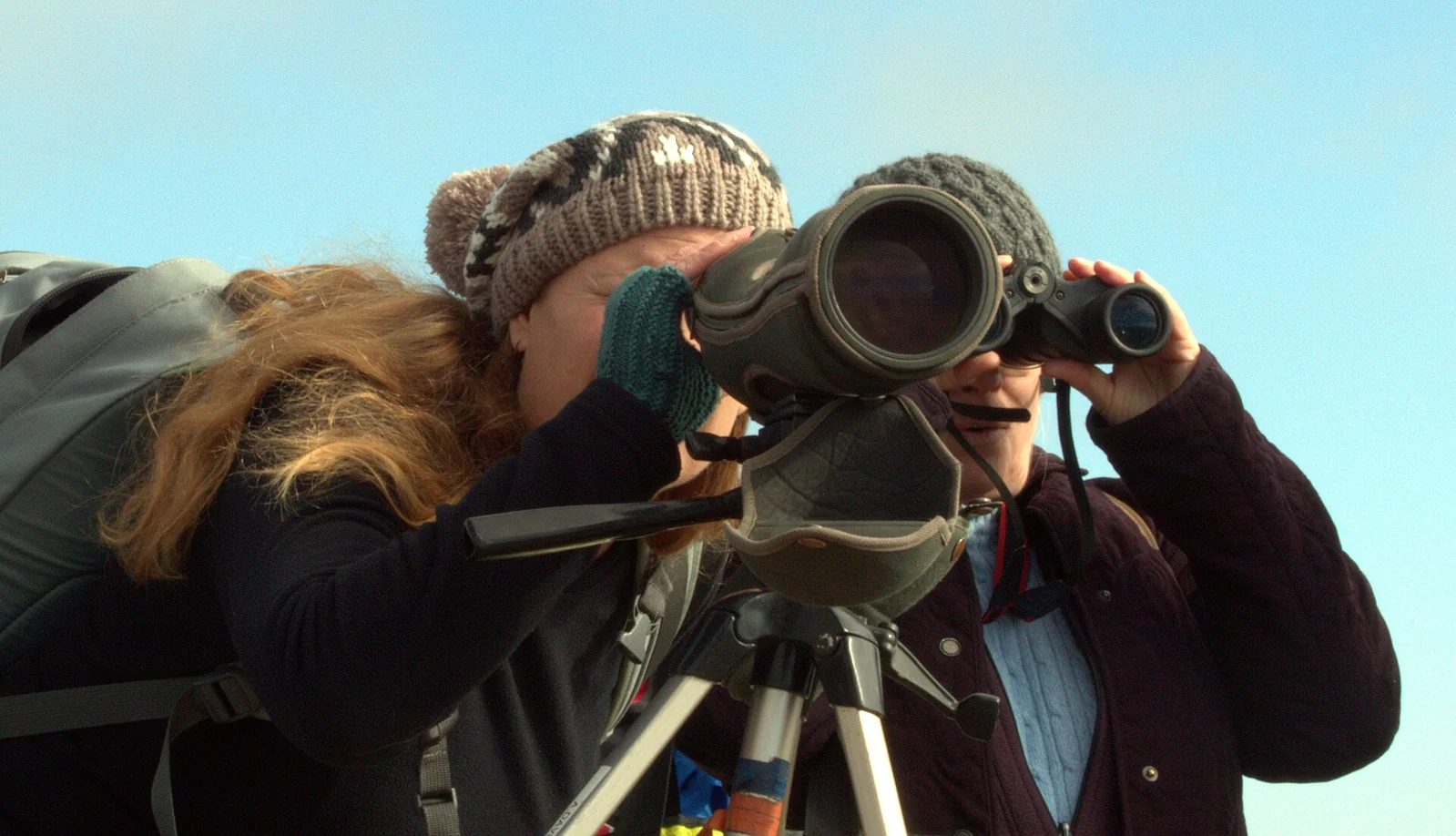
To an animal scanning the shoreline, sudden changes at a dark slit are far more alarming than the static structure itself. Open only the single narrow viewing port you actually need, and keep rear or side windows closed so backlighting does not silhouette your head and shoulders inside the shelter. Mount your spotting scope or telephoto lens on a tripod or beanbag with the front hood positioned flush with—rather than protruding far outside—the port, and pan smoothly instead of swinging the barrel rapidly from target to target. Silence phone vibrations, switch cameras to silent electronic shutter, and step back into the shadow of the interior before consulting a field guide. [1][4]
- Close unused windows behind you so sunlight cannot backlight your silhouette through the front viewing slot.
- Rest optics on a beanbag or tripod with the lens hood flush to the port rather than poking barrels in and out.
- Use silent electronic camera shutters and slow, deliberate panning motions when animals are close to the hide.
Let behavior set the stopping rule
Being inside a structure never guarantees zero disturbance, so monitor your subjects' body language continuously throughout the watch. Relaxed preening, head-tucked resting, steady probing, and unhurried social interactions suggest the blind is being tolerated. By contrast, repeated head-up staring toward the viewing slot, nervous tail-flicking, alarm calling, tight bunching, detouring around the shoreline in front of the hide, or parents hesitating with food near young are clear signals that your presence is altering behavior. Freeze immediately if an animal locks onto the port; if tension persists, close the shutter slowly and wait until the animals move away naturally before packing up or exiting. [3][4]
- Watch for subtle tension cues such as repeated stares at the port, stiff necks, alarm notes, or detours around the blind.
- Wait until nearby wildlife moves off on its own before stepping out of a portable blind or noisy boardwalk door.
- Record blind type, distance, wind direction, and any vigilance responses in your field notes alongside behavioral data.
Related guides
Get Fauna and identify it in the field.
Where this guide comes from
Source-checked editorial guide. Last updated . This guide teaches identification and field skills; it is not a substitute for expert verification when it matters.