How seeds travel
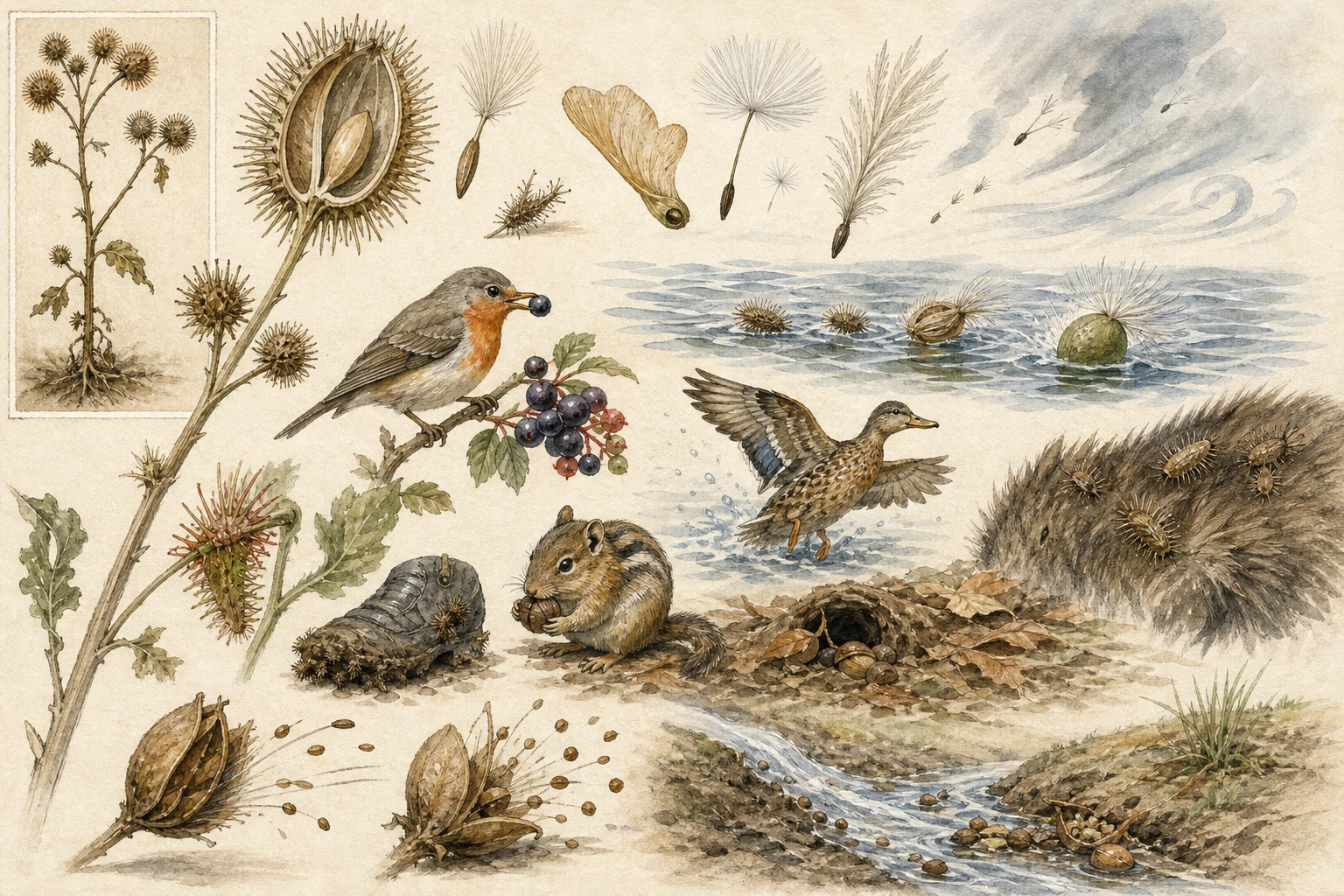
Plants disperse seeds through several physical and biological routes. Wings, plumes, buoyant tissues, hooks, fleshy fruits, and spring-loaded pods offer clues, but a structure shows potential rather than proving how far a particular seed traveled.
Last updated
Identify the traveling unit
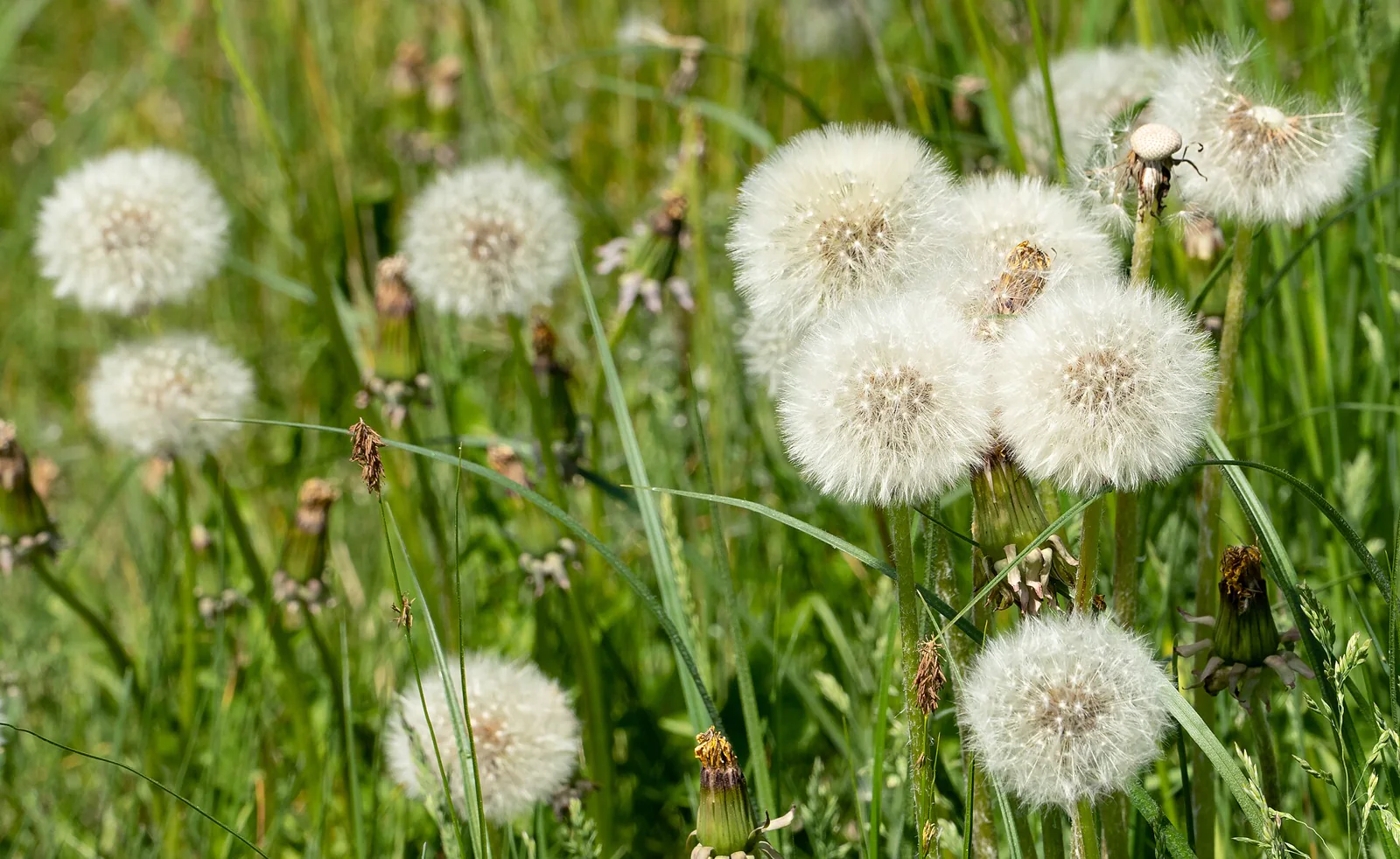
When you examine a dandelion 'clock,' a maple key, or a cocklebur in the field, what breaks free from the parent plant is often an entire one-seeded fruit (such as an achene or samara) rather than a naked botanical seed. Ecologists call this functional traveling package a diaspore, which can combine the seed itself with modified floral bracts, feathery pappus hairs, papery wings, corky flotation tissue, hooked spines, or fleshy pulp. Before touching anything, photograph the intact fruiting head on the stem so you can see how the diaspore detaches and which external structures interact with wind, water, or passing wildlife. [1][2]
- Field check: photograph the intact fruiting cluster attached to the stem alongside a single detached dispersal unit.
- Many familiar 'seeds'—including dandelion parachutes, maple keys, and oak acorns—are botanically whole one-seeded fruits.
- Look closely with a hand lens for plumes, wings, hooks, sticky mucilage, or pale lipid-rich ant food bodies (elaiosomes).
Read air and water adaptations
Feathery pappus plumes on broadleaf cattails and thistles increase air drag so updrafts can lift lightweight fruits, while asymmetric wings on ash, sycamore, and maple samaras spin like helicopter blades to slow descent in a breeze. Along streams, marshes, and shorelines, corky air-filled tissues and water-repellent hairs let sedge perigynia, alder cones, and cattail fruits float until high water strands them on fresh mudbanks. Even with showy aerodynamic structures, field measurements of species like musk thistle show that the vast majority of seeds settle within tens of meters of the parent plant, while a small fraction rides updrafts much farther. [2][3][4]
- Plumes and silky hairs ride rising warm air and gusts; stiff wings generate autorotation that slows a heavier fruit's fall.
- Many wetland plants combine wind-blown plumes with buoyant fruit coats that float along shorelines and floodwaters.
- Common trap: assuming every plumed fruit travels miles—most fall within the local seed shadow near the parent plant, and some plumes detach early.
Animals carry, swallow, and cache
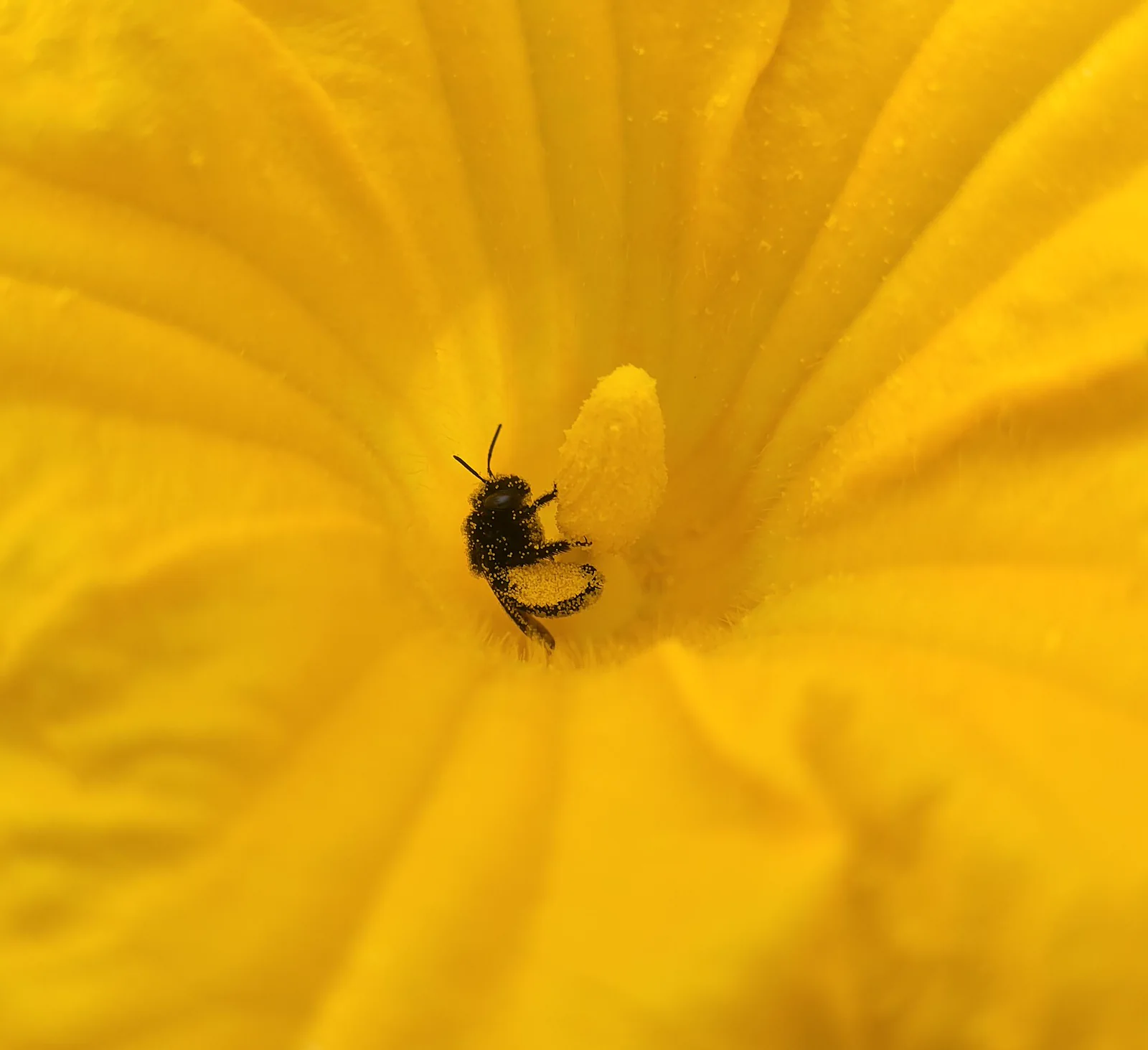
Wild animals move plant diaspores through three distinct behavioral pathways. First, hooked bracts and barbed awns on burdock, bidens, and houndstongue snag externally on mammal fur, waterbird feathers, and muddy hooves. Second, fleshy berries and drupes—such as hawthorn, yew arils, and blackberry—reward thrushes, waxwings, foxes, and bears with sugars and lipids while tough seed coats survive gut passage to be deposited in nutrient-rich droppings far from the parent crown. Third, jays, nutcrackers, and squirrels haul heavy acorns, beechnuts, and pine seeds to winter caches, where forgotten buried seeds germinate in spring. [1][3][4]
- External transport (epizoochory) uses hooks, spines, or sticky mucilage to hitchhike on fur, feathers, and muddy feet.
- Internal transport (endozoochory) trades fleshy fruit pulp for gut passage and deposition at perches, latrines, and trail edges.
- Scatter-hoarding birds and rodents act as both seed predators and effective dispersers when cached nuts go unrecovered.
Watch release without moving seeds
Many capsules and pods launch seeds through built-in mechanical tension before secondary movers take over. As cypress spurge, jewelweed, violet, or gorse pods dry or respond to touch, differential wall shrinkage snaps the valves open and flings seeds several feet, where rainwater runoff or seed-harvesting ants often carry them the rest of the way. In the field, note fruit maturity, humidity, sun exposure, and where fallen seeds collect on the ground below. Always leave wild fruit and seeds in place, and brush boot treads, cuffs, and tripod legs clean at trailheads so you do not accidentally spread invasive weeds into new habitats. [1][4][5]
- Ballistic fruits (such as spurges, witch-hazel, and touch-me-nots) often pair short explosive throws with secondary ant or water movement.
- Field check: inspect bootlaces, socks, and gear at the end of a walk so you do not transport burs or weed seeds between reserves.
- Record weather and humidity when observing seed release—warm, dry afternoons trigger both pappus opening and pod splitting.
Related guides
Get Fauna and identify it in the field.
Where this guide comes from
Source-checked editorial guide. Last updated . This guide teaches identification and field skills; it is not a substitute for expert verification when it matters.