Native, introduced, and invasive
These labels describe different things: where a species belongs, how it arrived, whether it persists, and whether an authority finds that it causes harm.
Last updated
Native is a relationship to place
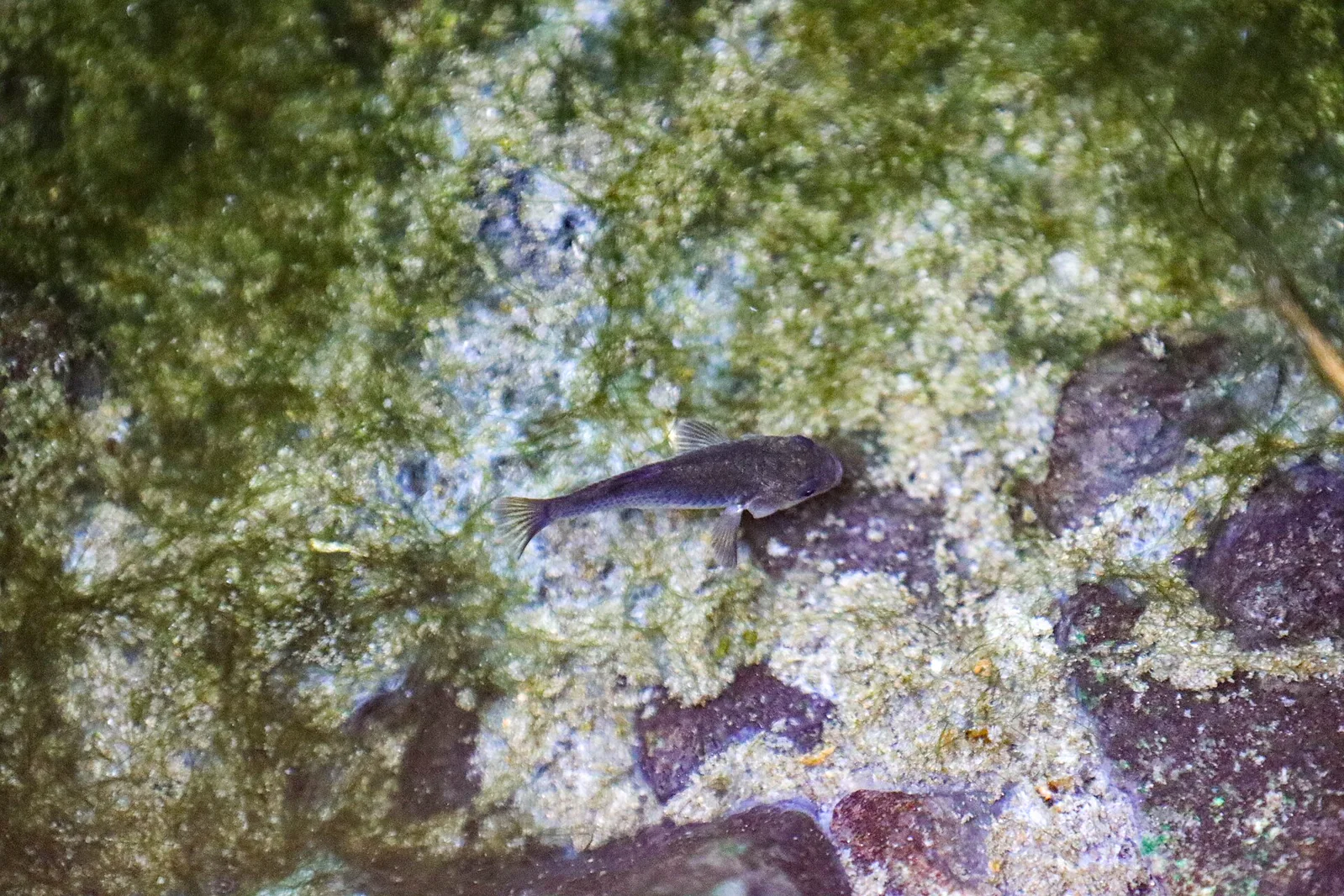
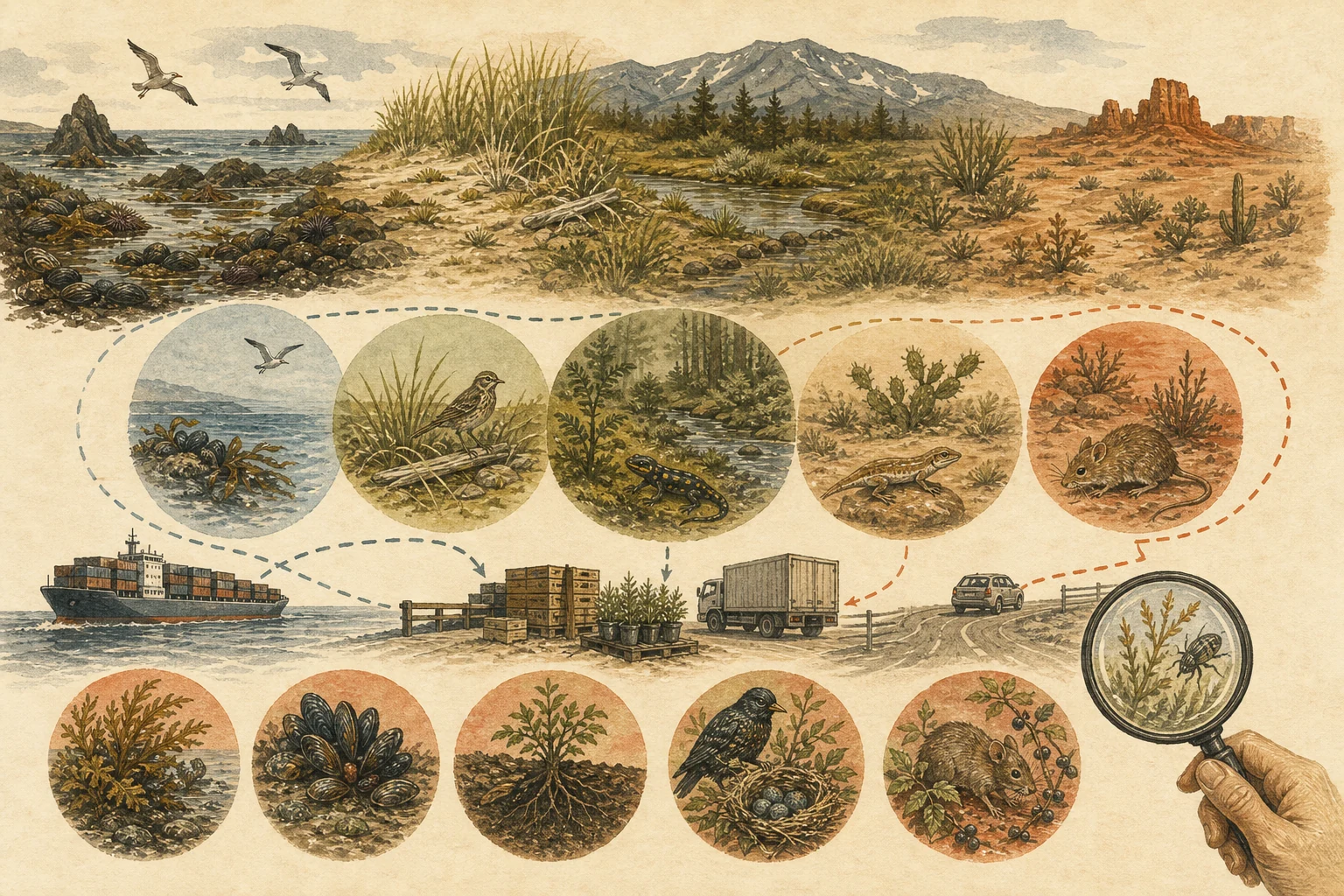
Calling a fish, grass, or turtle 'native' has no biological meaning until you name the specific ecosystem, watershed, or island under discussion. Ecological and U.S. federal definitions tie nativeness to historical and ongoing occurrence in a particular ecosystem through natural evolutionary and dispersal processes, rather than political borders. A freshwater fish or crayfish that is completely native in an eastern North American river basin can be a damaging nonindigenous arrival when released into a western drainage within the same country. Whenever you record or discuss nativeness in the field, anchor the statement to an ecological boundary rather than a national map. [1][5]
- Field check: specify the watershed, island, or ecoregion rather than calling a species 'native to the country' as a whole.
- Aquatic species frequently cross drainage divides via bait buckets or stocking, becoming non-native just a few miles from home waters.
- Common trap: assuming any native plant or animal found inside your state or country belongs in every local habitat.
Separate range from arrival pathway
Accurate field notes keep three distinct questions apart: where the species evolved, how it arrived at your site, and whether it now reproduces on its own. In U.S. federal usage, a non-native (or nonindigenous) species is one occurring outside its natural range, while an introduction is the intentional or unintentional escape, release, or movement of an organism into an ecosystem by human activity. Once an introduced population survives and reproduces as a self-sustaining wild population, ecologists describe it as established. A single escaped ornamental shrub or aquarium fish in a park pond is introduced, but it is not yet established—and neither label alone proves ecological harm. [1][3][4][5]
- Introduction describes human-assisted movement across a barrier, whether intentional (crop or game stocking) or accidental (ballast water, timber crates).
- Establishment means the introduced organisms are surviving and reproducing as a self-sustaining population in the new setting.
- Natural range shifts driven by bird dispersal or warming climates are distinct from human-caused introductions.
Invasive adds a harm test
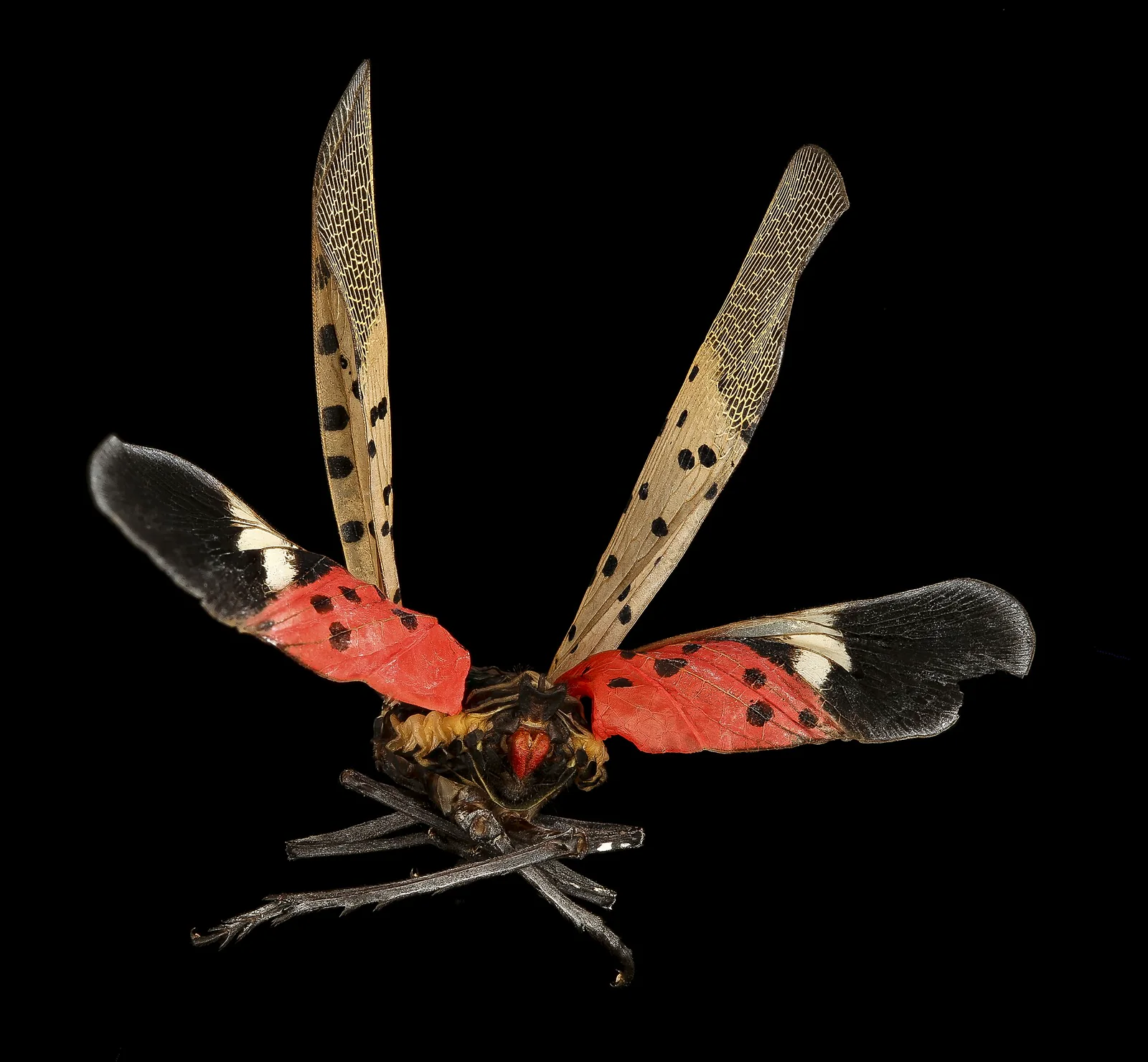
Not every non-native organism that appears along a trail or farm edge is invasive. Under current U.S. federal policy (Executive Order 13751), an invasive species is defined by two joint criteria: it is non-native to the ecosystem under consideration, and its introduction causes or is likely to cause economic or environmental harm, or harm to human, animal, or plant health. Many introduced garden plants, crops, and naturalized insects persist quietly without displacing native communities or damaging agriculture, whereas species like the spotted lanternfly or zebra mussel meet both criteria. Conversely, an aggressive native shrub or bark beetle outbreak can require management while remaining native, not invasive. [1][2][4]
- In U.S. federal usage, 'invasive' requires both non-native status in that ecosystem and documented or likely economic, environmental, or health harm.
- Common trap: calling a vigorous native pioneer plant or irruptive native insect 'invasive' simply because it spreads quickly.
- Many introduced species live in disturbed roadsides or gardens without causing the ecological or economic harm that defines an invasive.
Verify the label before repeating it
Before labeling an unfamiliar organism as invasive in a community-science log or pulling a plant in the field, pause to verify four facts: the exact geographic unit, whether human transport brought the organism there, whether a population is established, and which state, national, or scientific authority documents its harmful impact. Check regional registers such as the U.S. Register of Introduced and Invasive Species or your state department of agriculture's noxious and regulated pest lists. If you suspect a high-consequence arrival like a spotted lanternfly, photograph diagnostic views, note exact coordinates and host plants, and submit the report through official agency channels. [1][2][3][5]
- Field check: ask where you are, how the species arrived, whether it is established, and which agency lists it as harmful there.
- Photograph clear dorsal and side views, host substrate, and exact GPS coordinates before reporting a suspected regulated pest.
- Consult local land-manager and agricultural extension lists before taking any removal action in the field.
Related guides
Get Fauna and identify it in the field.
Where this guide comes from
Source-checked editorial guide. Last updated . This guide teaches identification and field skills; it is not a substitute for expert verification when it matters.
- National Park Service — What Are Invasive Species? ↗
- USDA National Invasive Species Information Center — What Are Invasive Species? ↗
- U.S. Geological Survey — United States Register of Introduced and Invasive Species ↗
- Executive Order 13751 — Current U.S. invasive-species definitions ↗
- U.S. Geological Survey — What Are Nonindigenous Aquatic Species? ↗