Foraging safety: the rules first
Every foraging guide worth reading begins with the same admission: looking right is not evidence. This is the rule the rest of the guides rest on.
Scope: Selected English-speaking jurisdictions; poison-response routes vary · Last updated
Why looking right proves nothing
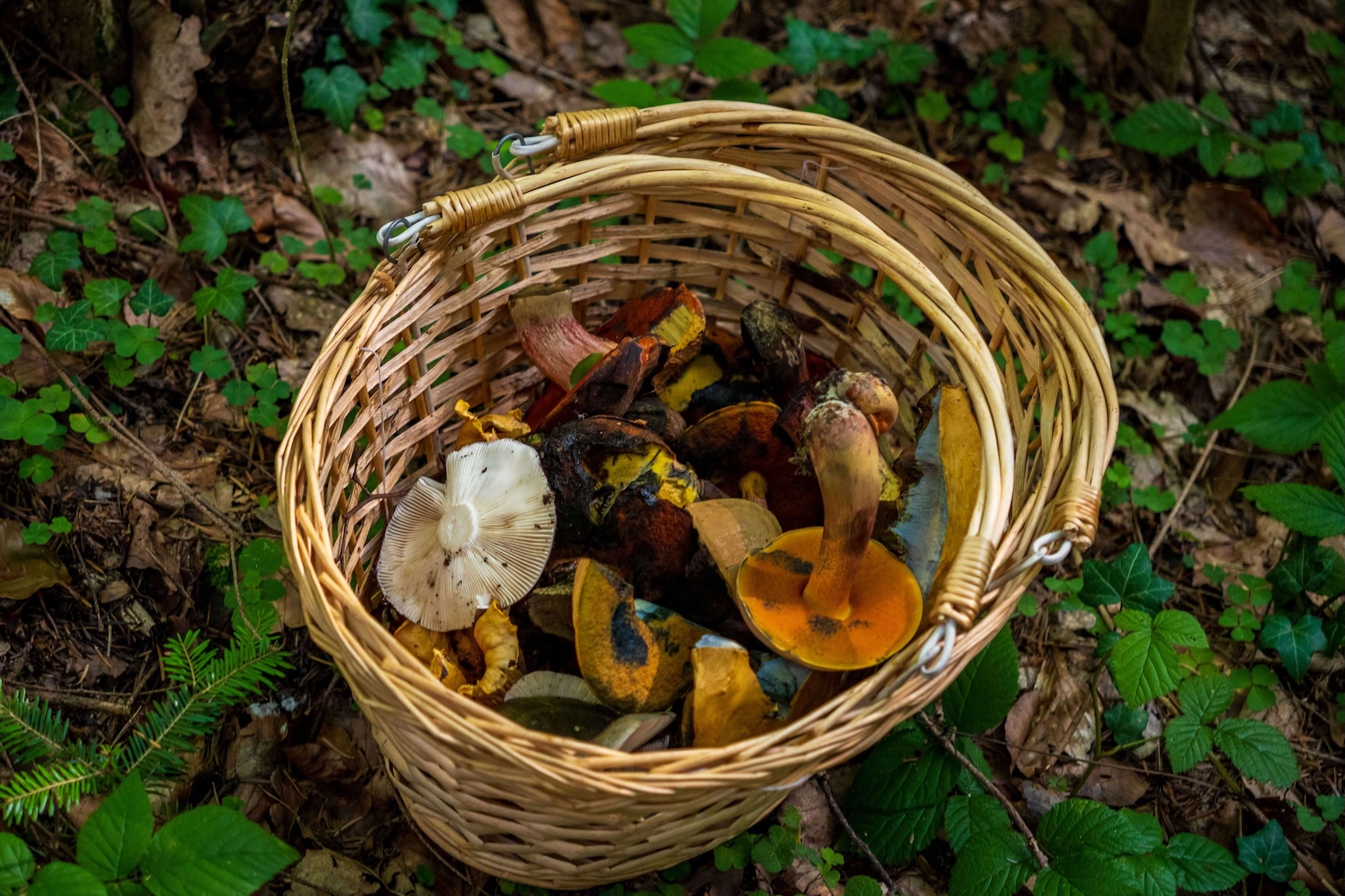
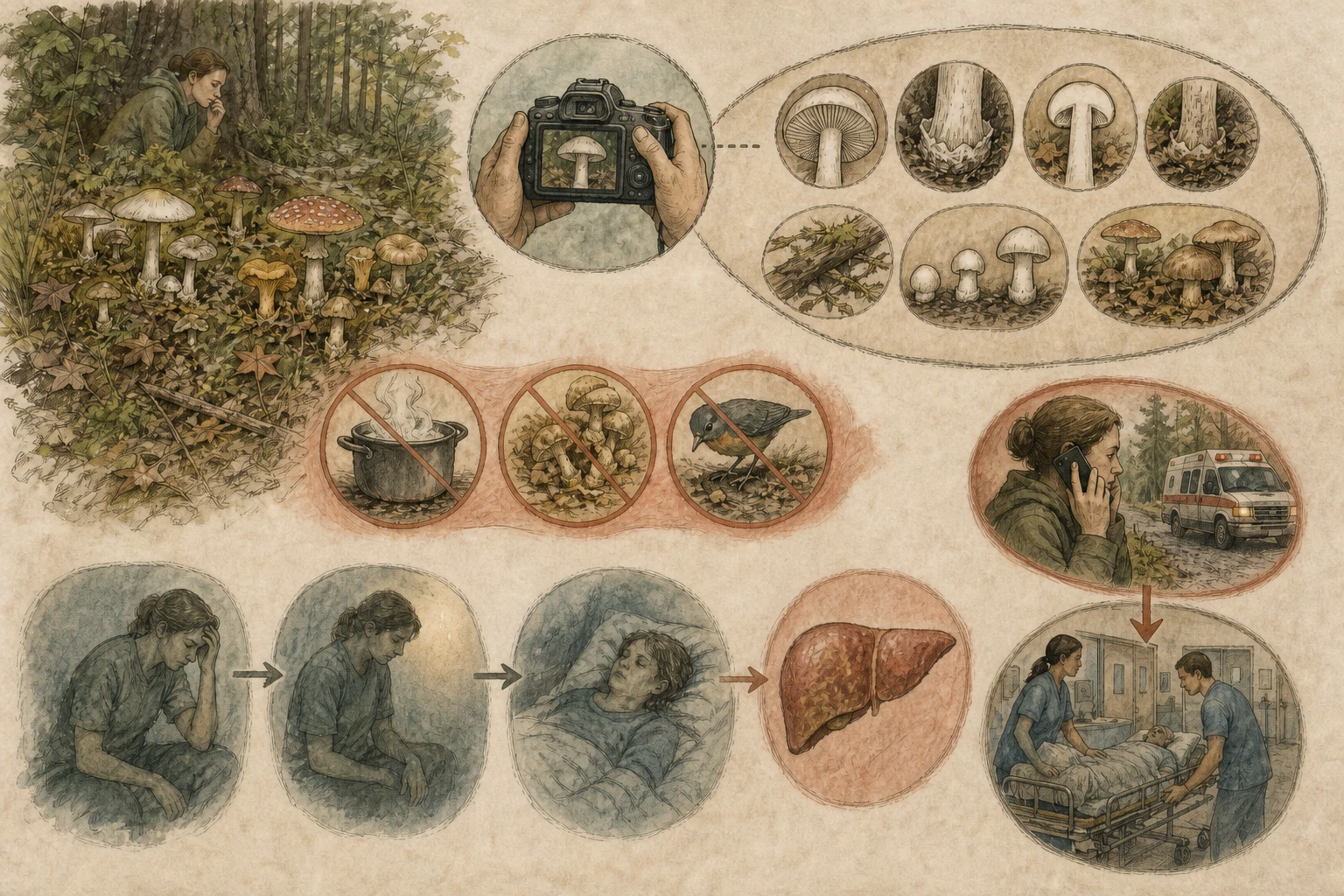
The toxic species are not obscure oddities hiding in remote places; they can grow in the same patch and season as sought-after species. Michigan State notes that of roughly 2,500 mushroom species in that state alone, only about 60 to 100 are considered safe — and some deadly species closely resemble popular edible ones. Resemblance is not an edible identification. [1][7]
How misidentification happens
Misidentification often starts with a photo match: someone sees resemblance and stops checking. A photograph may omit the underside, stem base, cut flesh, substrate, developmental stage, or nearby specimens. Treat an image or app result as a lead for observation, never as an edible identification. [2][7]
- A photo match is a hypothesis, not a verdict
- The deciding trait is often the one you cannot see from above
- Confidence cannot replace diagnostic evidence
What cooking does not do
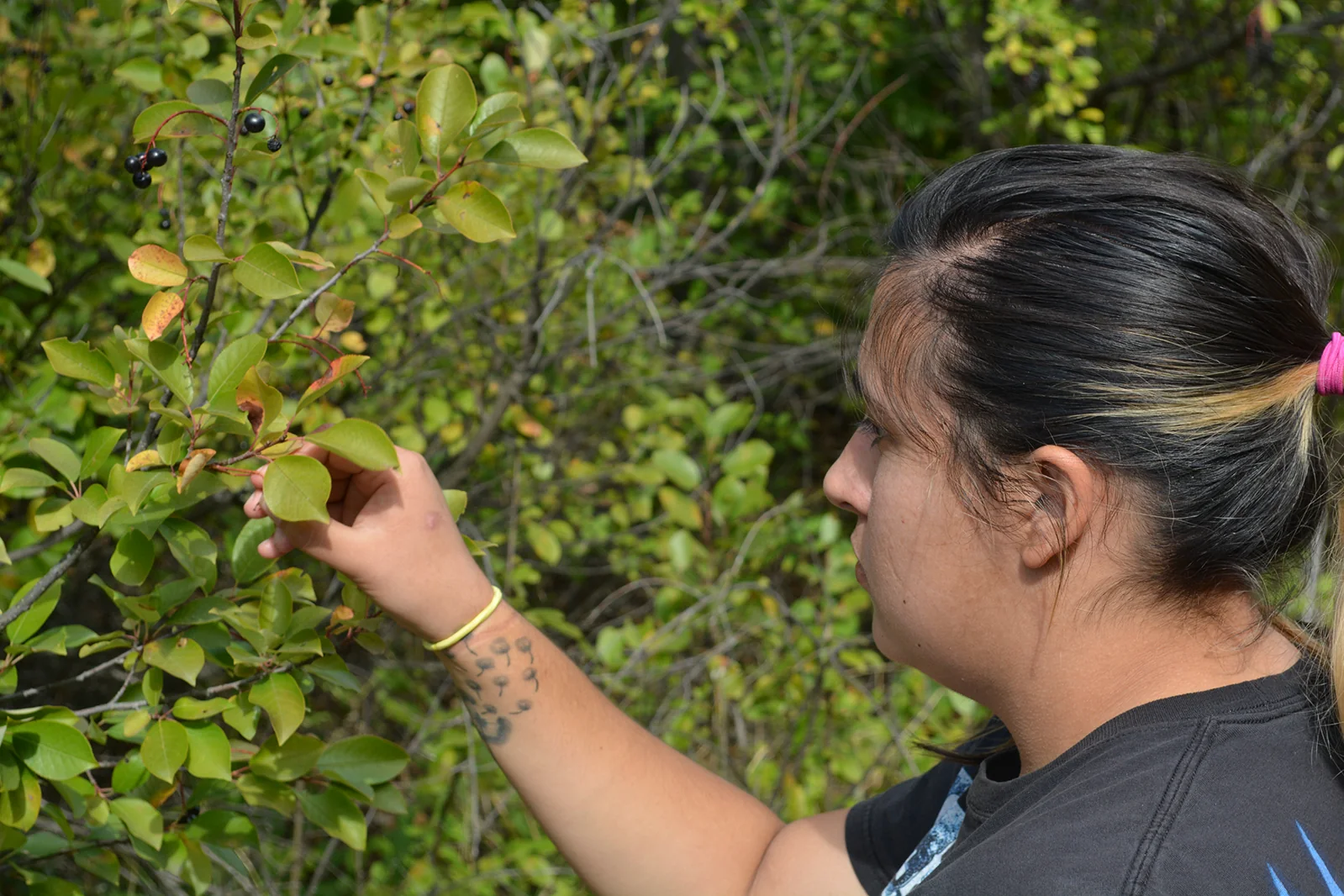
Do not assume cooking, peeling, drying, taste, folk tests, or evidence that an animal ate a mushroom makes it safe. Public-health guidance in Ireland and Victoria warns that poisonous mushrooms can remain poisonous after cooking. If identification is uncertain, do not eat it. [4][7]
Delayed symptoms are still an emergency
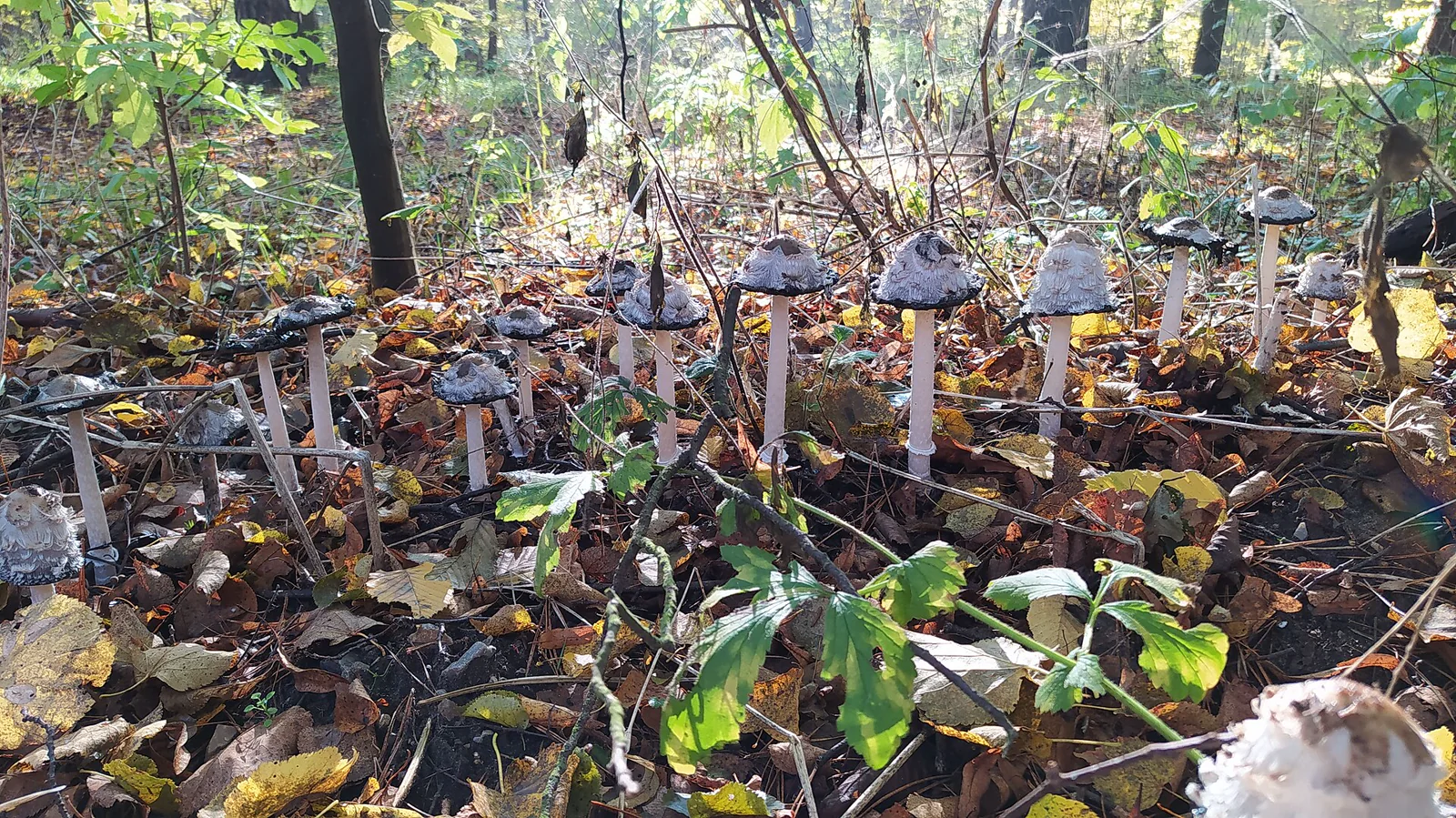
Some dangerous mushroom poisonings do not cause symptoms for hours. Death-cap poisoning may begin 6–24 hours after eating, appear to improve, then progress to liver failure days later. Feeling well — or briefly better — is not an all-clear. Contact the appropriate poison or medical service immediately after a suspected ingestion. [3][4][7]
Who to call
Poison advice is country-specific. Use a poison center or health service for a possible exposure; use an emergency number for collapse, seizure, breathing difficulty, loss of consciousness, or another life-threatening symptom. Do not wait for symptoms and do not induce vomiting unless a clinician tells you to. [3][6][8][9][10][11][12][13][14]
- UK: NHS 111 if you are unsure whether an exposure is harmful; 999 or A&E for known or suspected poisoning or severe symptoms. The National Poisons Information Service does not take public calls
- Ireland: Public Poisons Line 01 809 2166, daily 8am–10pm; outside those hours contact a GP or hospital; call 999 or 112 in an emergency
- Other EU countries: contact the country's poison center; 112 is for emergencies, not routine poison advice
- Canada: 1-844-POISON-X (1-844-764-7669); Québec 1-800-463-5060
- Australia: Poisons Information Centre 13 11 26, or 000 in an emergency
- New Zealand: National Poisons Centre 0800 POISON (0800 764 766)
- US: Poison Control 1-800-222-1222; call 911 for collapse, seizure, breathing difficulty, or unresponsiveness
- Do not induce vomiting. Photograph and safely retain leftovers or packaging only if advised; never delay the call
The standard for an edible identification
This app and these guides teach identification, not edibility. A photograph, app result, or one written guide cannot show every diagnostic character and must never be used as the decision to eat. Local training can improve identification skill, but uncertainty is a stop sign: if the specimen, its substrate, or any required character is uncertain, do not eat it. After a suspected ingestion, identification work belongs alongside — not before — immediate poison-center or medical advice. [2][5][7]
Related guides
Get Fauna and identify it in the field.
Where this guide comes from
Source-checked editorial guide. Last updated . This guide teaches identification and field skills; it is not a substitute for expert verification when it matters.
- Michigan State University Extension — Michigan wild mushroom safety ↗
- Iowa State University Extension — Tips for Collecting and Identifying Mushrooms ↗
- NHS — Poisoning ↗
- Victoria Department of Health — Poisonous mushrooms growing in Victoria ↗
- New Zealand National Poisons Centre — Poisonous mushrooms in New Zealand ↗
- Canadian Association for Poison Centres and Clinical Toxicology — Centres ↗
- National Poisons Information Centre Ireland — Mushroom safety ↗
- National Poisons Information Centre Ireland — First aid and public line ↗
- UK Health and Safety Executive — Public access to poison advice ↗
- European Commission — 112 emergency number ↗
- European Chemicals Agency — National poison-center bodies ↗
- healthdirect (Australia) — Poisoning ↗
- New Zealand National Poisons Centre ↗
- US Poison Control — Contact us ↗