How close is too close to wildlife?
Viewing distances vary by jurisdiction, species, activity, season, and site. Some are enforceable rules; others are official guidance. Check the place-specific requirement and back away whenever wildlife responds to you.
Scope: Examples from the US, Canada, UK, New Zealand, and Australia · Last updated
On land: check the park
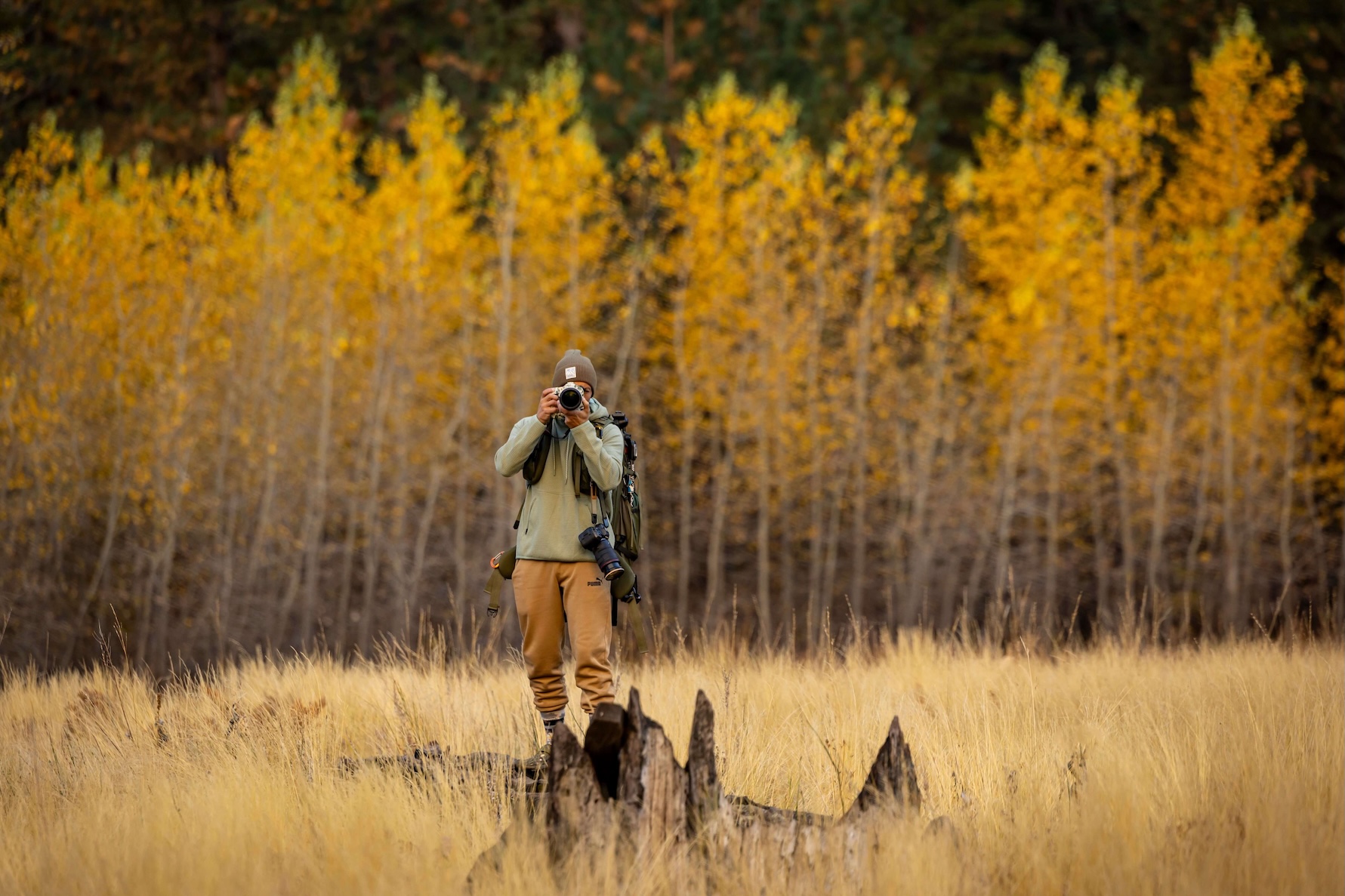
Rules are usually park-specific, not national baselines. The US National Park Service says many parks require at least 25 yards from most wildlife and 100 yards from predators, while some parks require more. Parks Canada's mountain parks use 30 meters from elk, deer, and other large animals and 100 meters from bears, wolves, and cougars, and prohibit approaching, feeding, or enticing wildlife there. Read the signs and current park page before relying on any number. [1][2]
At sea: separate law from guidance
Marine distances do not all have the same legal status. In New Zealand, whale-approach conditions such as 50 meters from a whale and 200 meters from a baleen or sperm-whale mother and calf are set under marine-mammal regulations; DOC's onshore advice says to stay at least 20 meters from seals and sea lions “if you can,” while harassment or disturbance itself is an offense. In England, Defra's 100-meter figure is official advice, not a blanket UK statutory distance. Canada and New South Wales publish enforceable, species- and activity-specific approach distances. Check the current source for the exact place before setting out. [3][4][5][6][7]
- New Zealand: regulated whale and vessel conditions; onshore 20 m seal guidance; harassment or disturbance is unlawful
- England: Defra advises trying to remain at least 100 m away; separate wildlife laws and local restrictions may still apply
- Canada: 100 m general; 200 m for resting whales or whales with calves; larger regional or species measures reach 1,000 m in specified southern British Columbia waters in 2026
- New South Wales: legal distances depend on whether the observer is swimming, in a vessel, or using a drone, as well as species and calf presence
Nesting birds: no single number
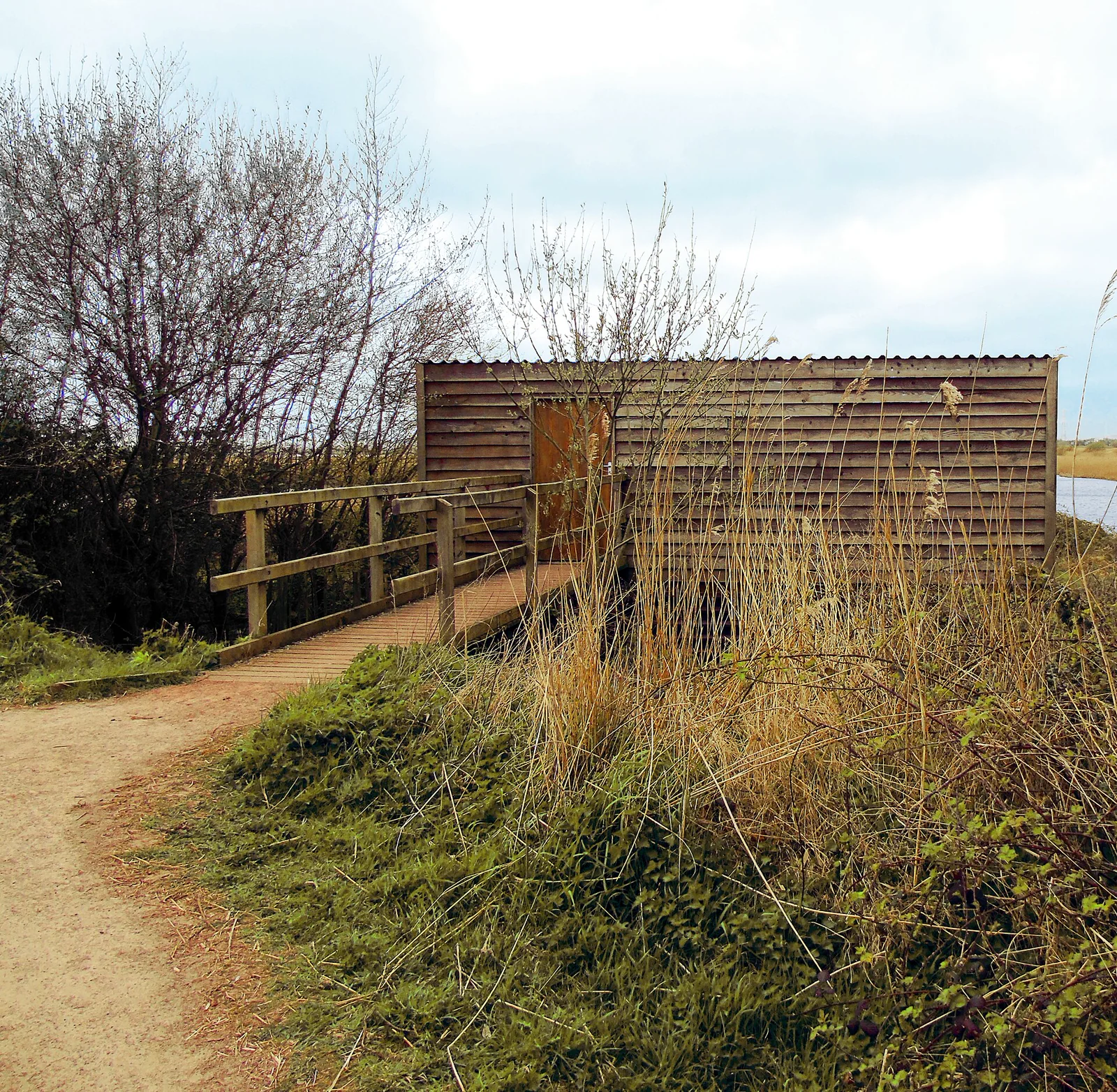
Nest buffers depend on species, activity, season, and law. Do not transpose one bald-eagle construction buffer to every bird or every visitor. Current USFWS guidance says activity more than 660 feet from a bald-eagle nest is generally unlikely to cause nest abandonment, while some activities closer to an in-use nest may require a disturbance permit. For any nest, follow site closures and species guidance and leave if the bird reacts. [8]
The rule that travels best
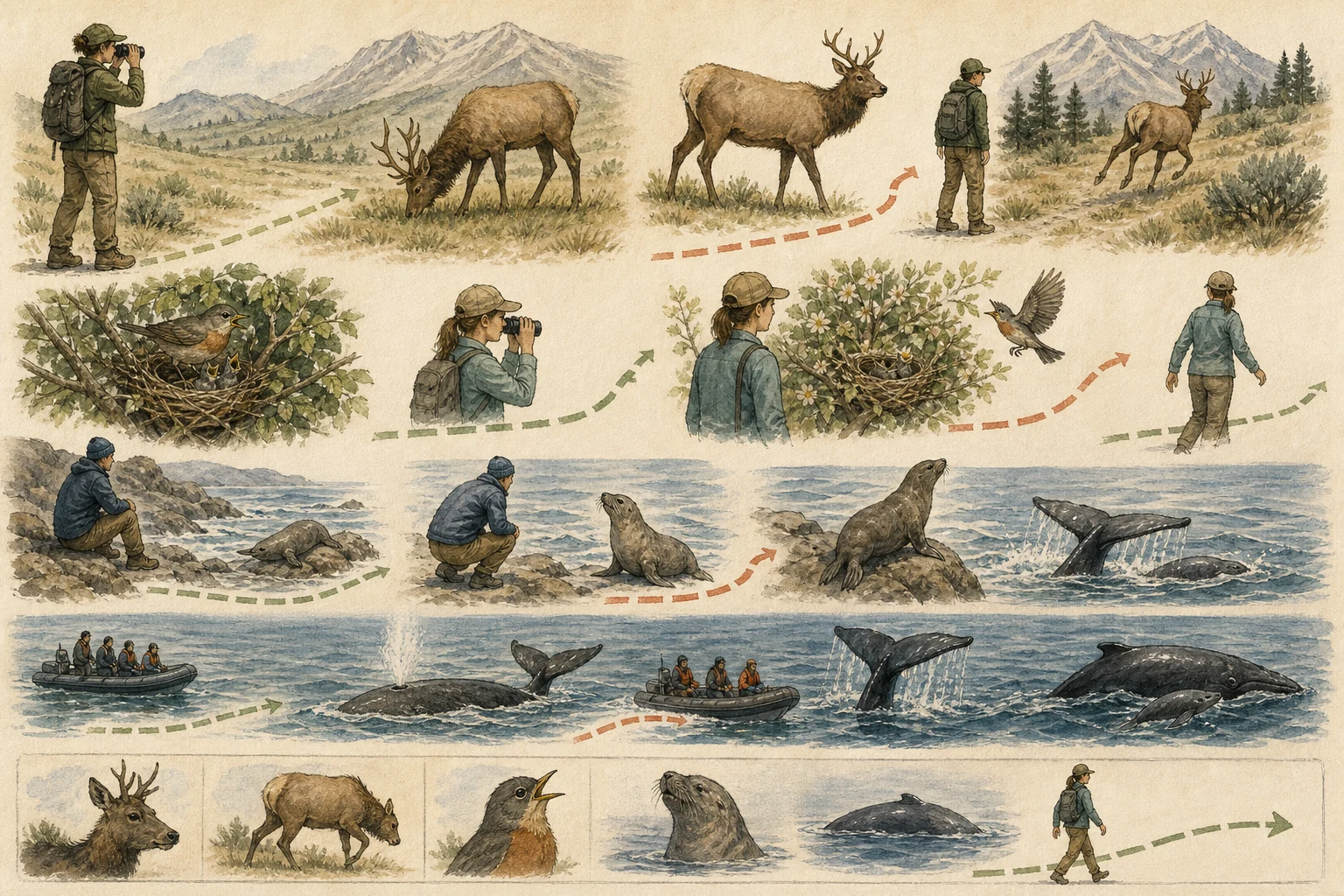
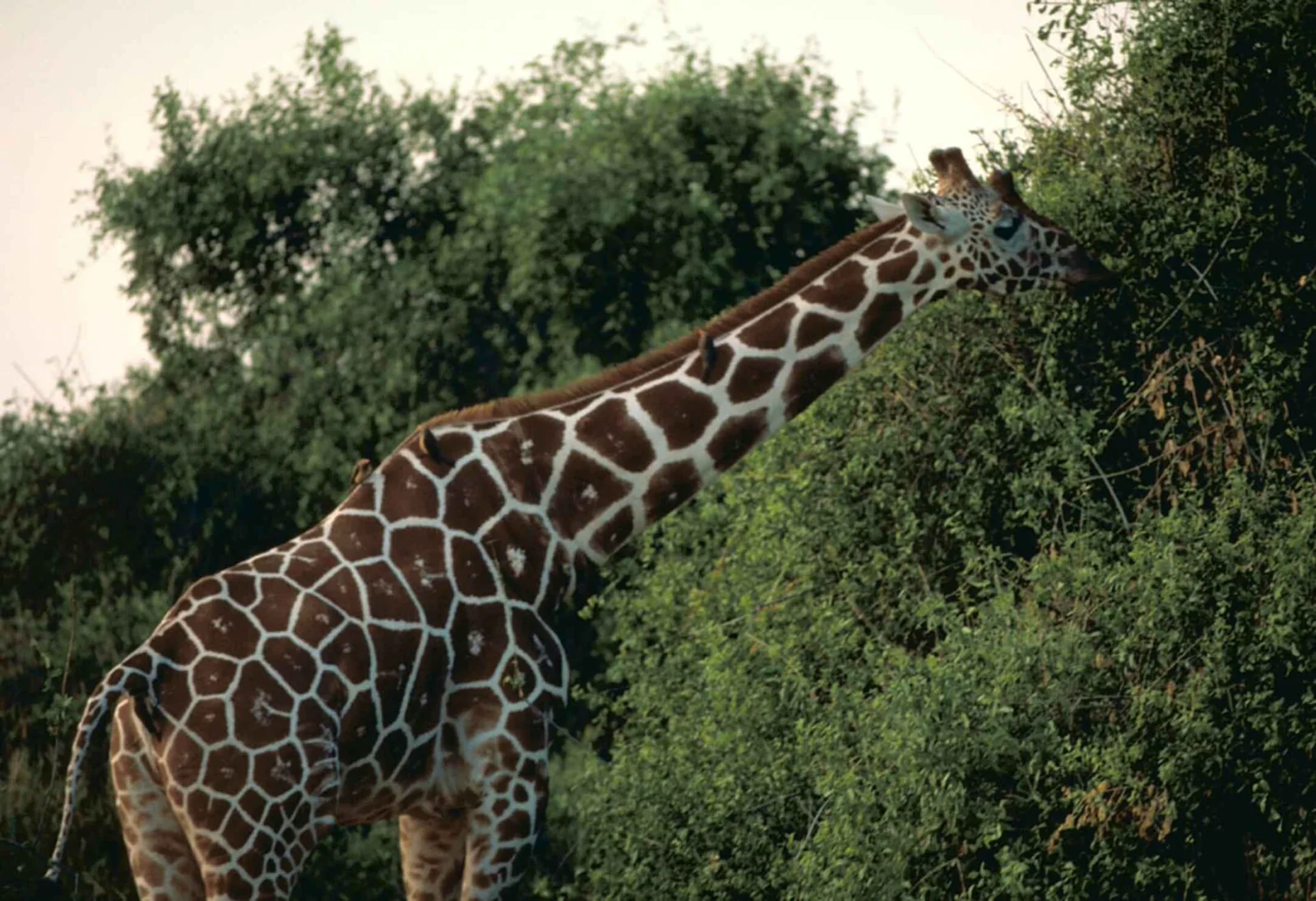
Across the official guidance summarized here, the portable instruction is to stop approaching and move away at the first sign of disturbance. It complements — and never replaces — the legal or recommended distance for the site. [3][4][5]
The animal decides, not the tape measure
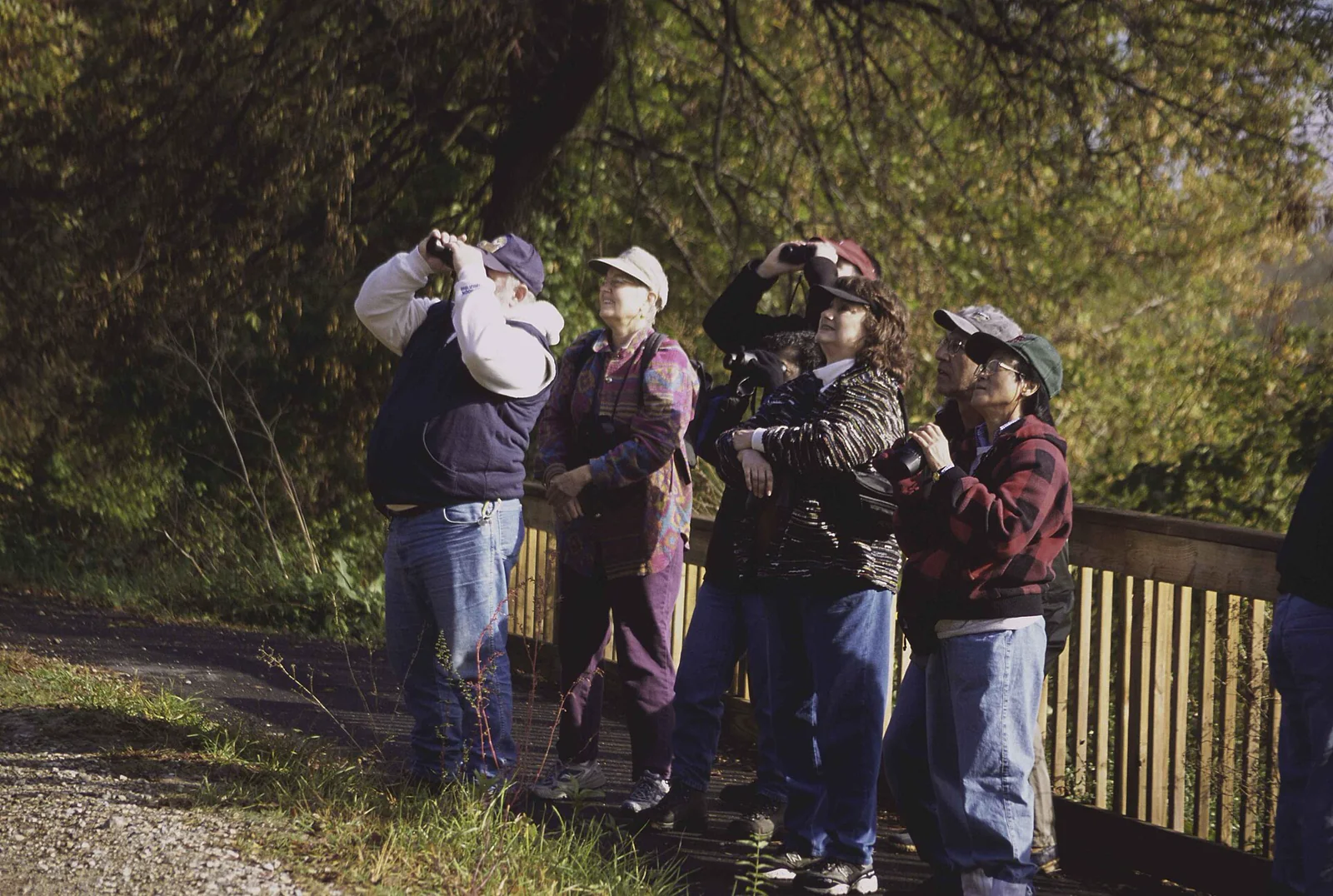
Every distance above is a lower bound, not a target. If an animal stops feeding or resting, lifts its head to track you, shifts away, calls, or postures, back off regardless of what the number says. A distance that is legal can still cause disturbance. [1][3][4][5]
Related guides
Get Fauna and identify it in the field.
Where this guide comes from
Source-checked editorial guide. Last updated . This guide teaches identification and field skills; it is not a substitute for expert verification when it matters.
- National Park Service — 7 Ways to Safely Watch Wildlife ↗
- Parks Canada — Mountain-park wildlife distances ↗
- New Zealand Department of Conservation — Sharing our coasts with marine mammals ↗
- Defra (GOV.UK) — Marine and coastal wildlife code: advice for visitors ↗
- Fisheries and Oceans Canada — Watching marine wildlife ↗
- Fisheries and Oceans Canada — 2026 Southern Resident killer-whale measures ↗
- NSW Environment and Heritage — Approach distances for whales, dolphins and dugongs ↗
- U.S. Fish & Wildlife Service — Eagle disturbance permits ↗