How wild apes treat their own wounds
In 2022, a male orangutan named Rakus repeatedly applied chewed leaves of a plant with known anti-inflammatory and antibacterial compounds to a cut on his face, and the wound closed within days. Chimpanzees in Uganda have since been recorded licking, dabbing, and pressing chewed plant material onto their own wounds and those of companions.
Last updated
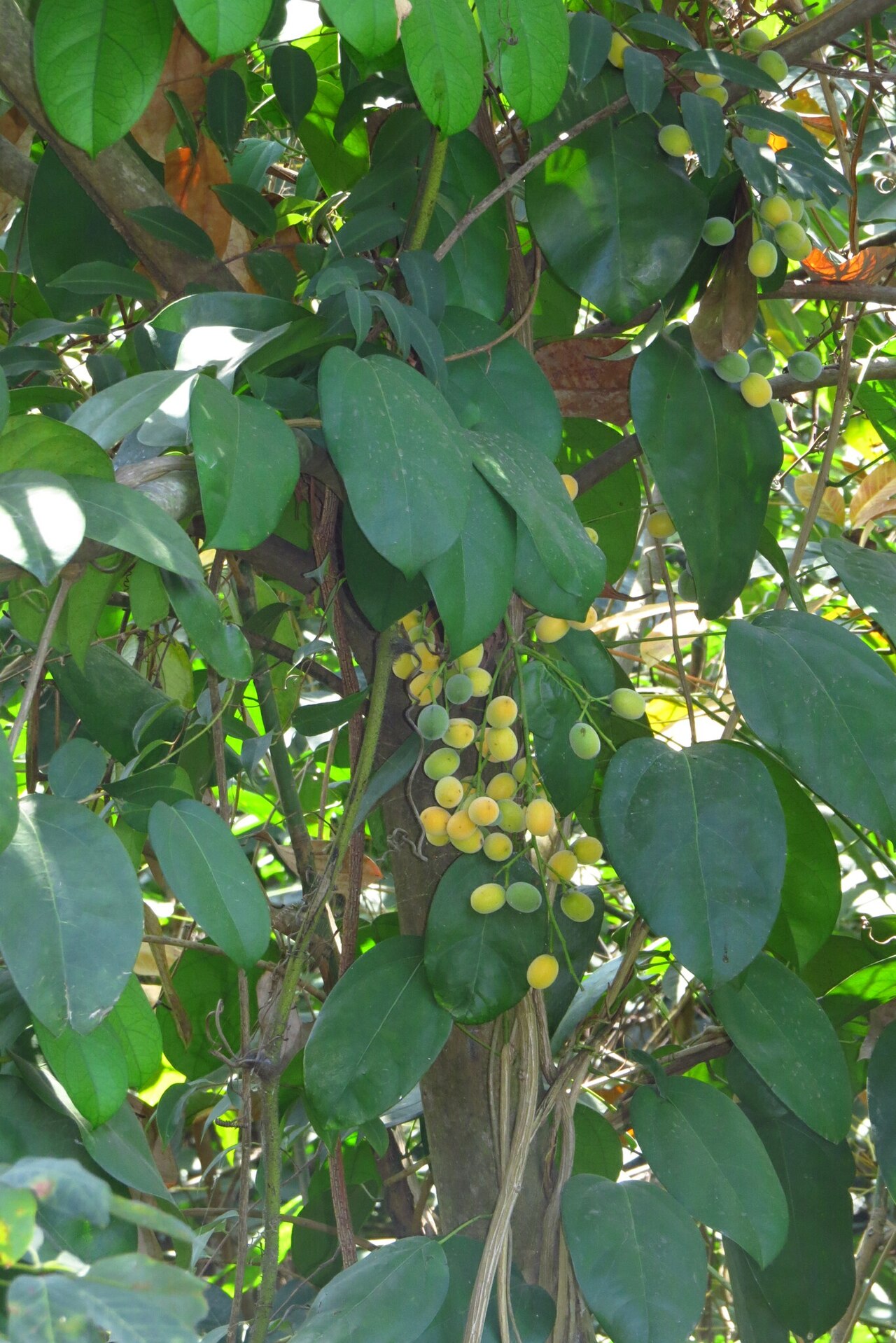
Rakus and the yellow-root liana
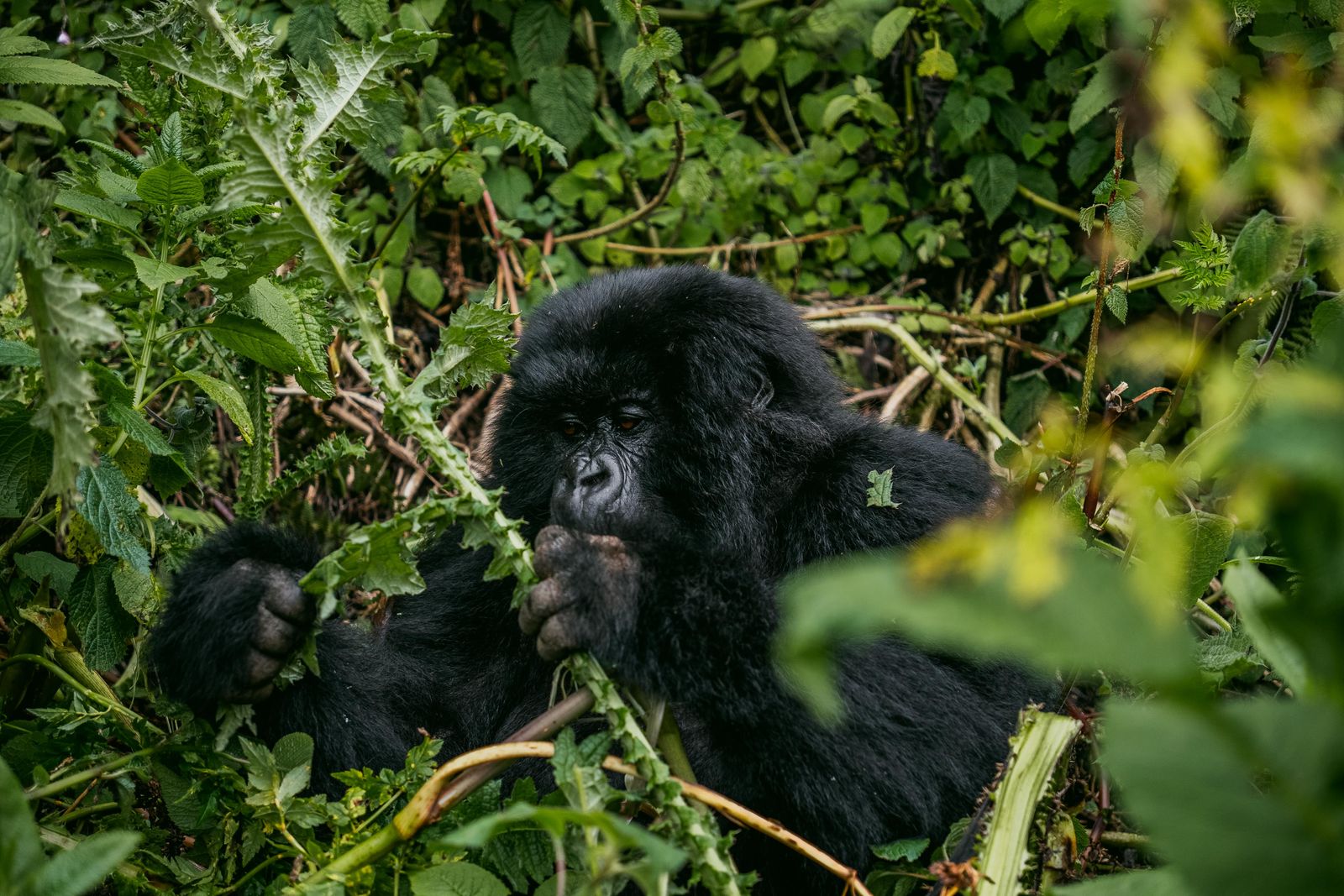
In June 2022, researchers following a male orangutan called Rakus noticed a fresh wound on his face, most likely from a fight with a neighboring male. Three days later he did something no one had recorded in a wild animal: he selectively tore leaves from a liana known locally as akar kuning, chewed them, and for several minutes dabbed the juice precisely onto the wound, then plastered the wound with the chewed leaf pulp. Orangutans at the site rarely eat this plant, and Rakus also rested more than usual while he healed. [1][2][3]
A plant with real pharmacology
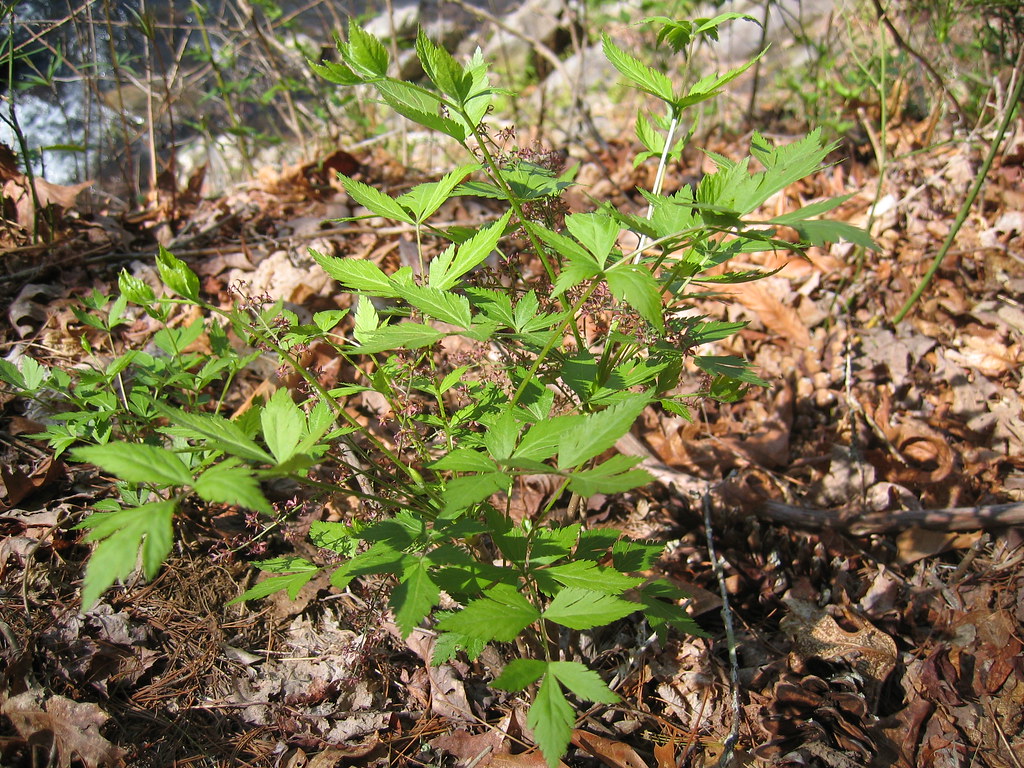
Fibraurea tinctoria is used in traditional medicine across Southeast Asia, and chemical analyses of the plant have found furanoditerpenoids and protoberberine alkaloids with antibacterial, anti-inflammatory, antifungal, and antioxidant activity relevant to wound healing. Whatever Rakus understood, the choice was not random: the wound showed no sign of infection, had closed within five days of the treatment, and had faded to a faint scar by late summer. [1][3][4]
Chimpanzee first aid
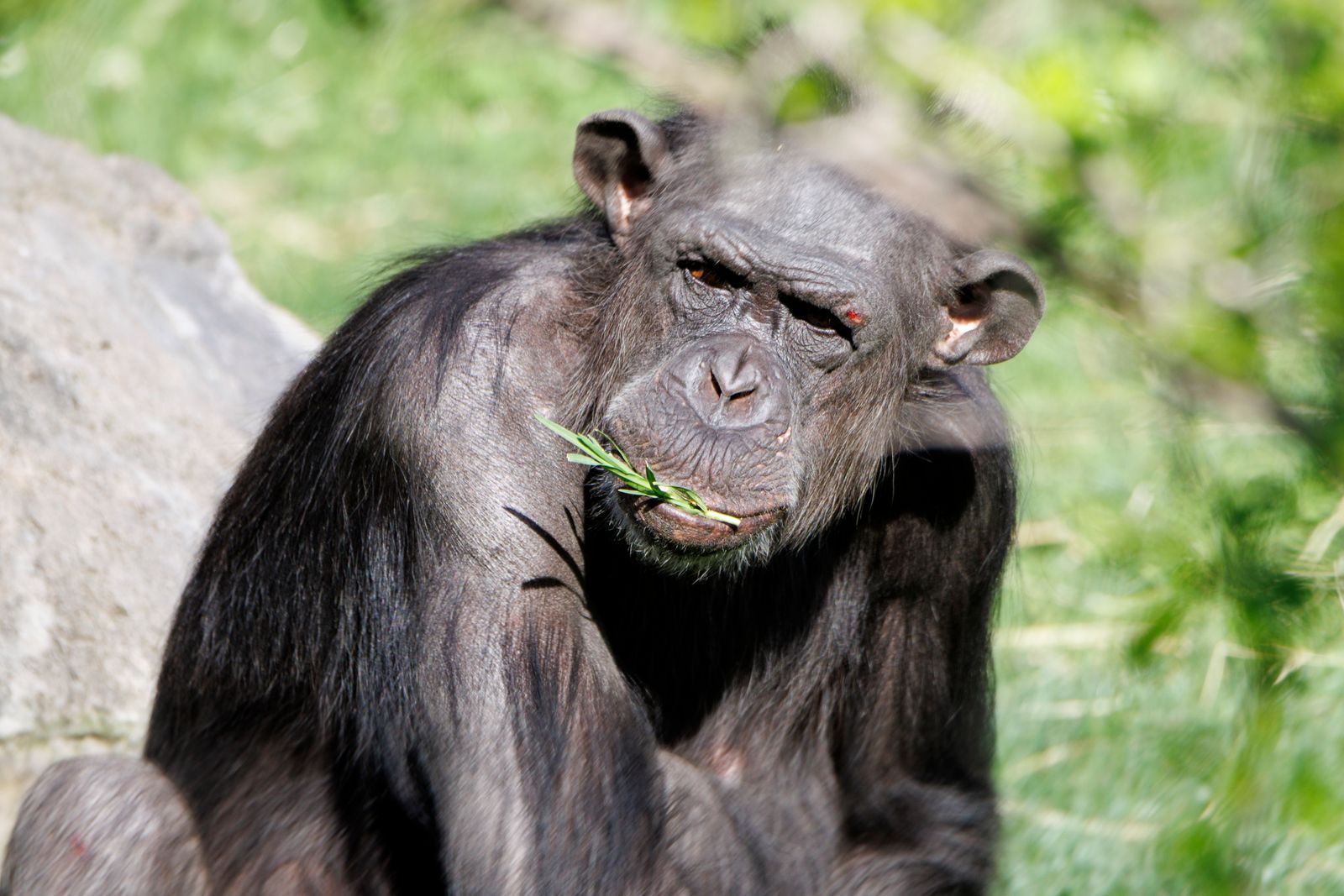
At Budongo in Uganda, an Oxford-led team spent eight months watching two chimpanzee communities and combed decades of field records. They documented wound licking, leaf dabbing, pressing fingers to injuries, and the application of chewed plant material, along with chimpanzees removing snares and cleaning themselves after mating and defecating. Seven cases involved one chimpanzee tending another, and in three the pair were unrelated. In earlier laboratory work by the same team, extracts of one plant chimpanzees use, the tree Alstonia boonei, inhibited bacteria including drug-resistant strains. [5][6]
What it means, and what it does not
The orangutan authors argue the treatment was intentional because it was selective, repeated, and took considerable time, and they suggest such habits may begin when an animal touches a wound with a plant by chance and feels relief. Together with the chimpanzee records, the observations point to self-medication having deep roots among our closest relatives. Two cautions apply: Rakus is a single case, and none of this makes these plants safe or effective for people. The lesson is about what the animals know, not a prescription. [1][3][6]
Related guides
Get Fauna and identify it in the field.
Where this guide comes from
Source-checked editorial guide. Last updated . This guide teaches identification and field skills; it is not a substitute for expert verification when it matters.
- Scientific Reports — Active self-treatment of a facial wound with a biologically active plant by a male Sumatran orangutan (Laumer et al., 2024) ↗
- PubMed Central — Active self-treatment of a facial wound with a biologically active plant by a male Sumatran orangutan ↗
- ScienceDaily / Max Planck Institute of Animal Behavior — Wild orangutan treats wound with pain-relieving plant ↗
- Natural History Museum — Orangutan spotted treating head wound with medicinal plant ↗
- Frontiers in Ecology and Evolution — Self-directed and prosocial wound care, snare removal, and hygiene behaviors amongst the Budongo chimpanzees (Freymann et al., 2025) ↗
- Frontiers Science News — Chimpanzees use medicinal leaves to perform first aid ↗