Do elephants have names?
Machine learning applied to hundreds of elephant rumbles recorded in Kenya could predict which elephant a call was meant for, and elephants perked up when they heard calls originally addressed to them. Because the callers do not seem to imitate the receiver's voice, the labels look more like human names than like dolphin whistles.
Last updated
Rumbles with a recipient
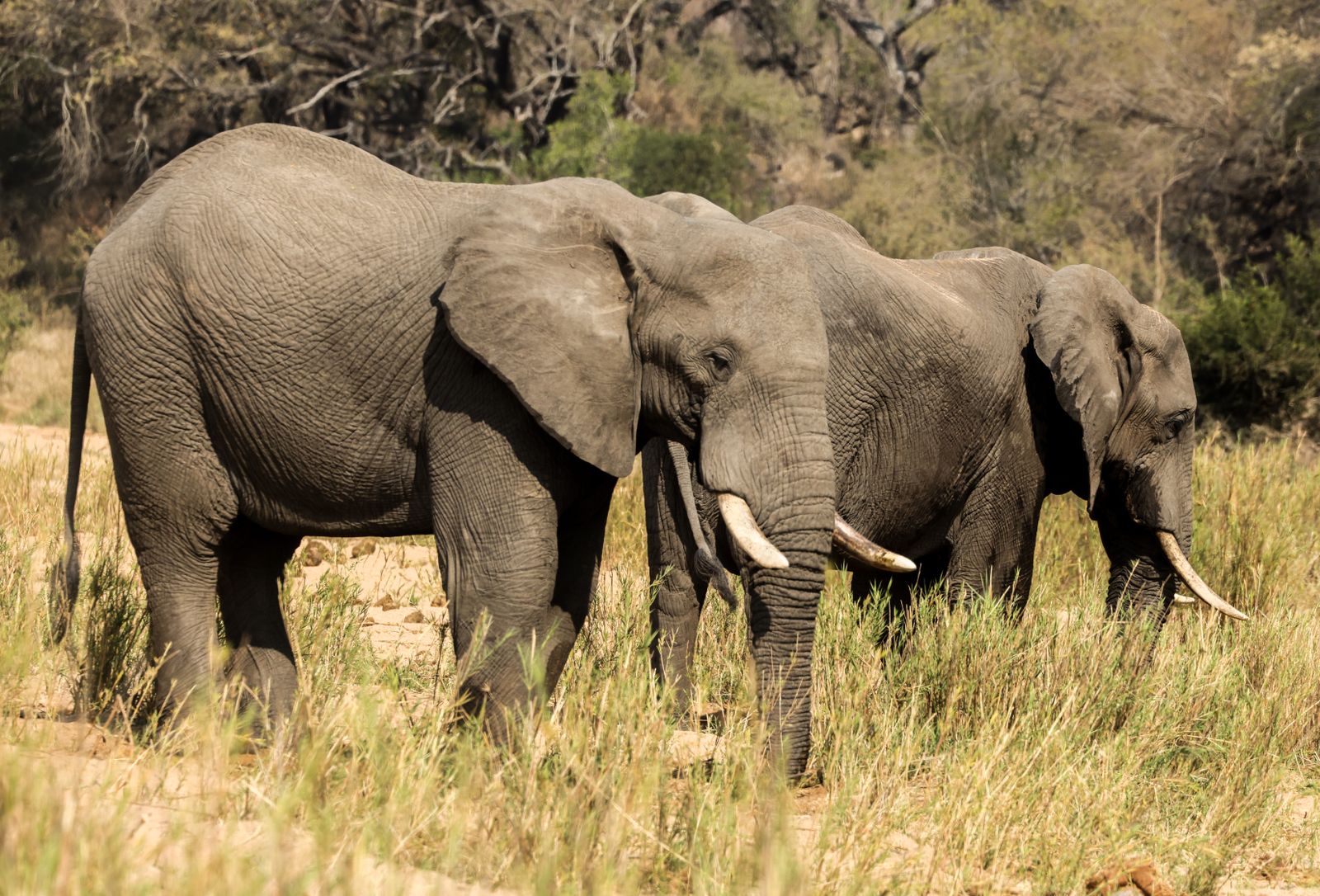
Elephant rumbles are low, rolling calls that carry across long distances, and a family group exchanges them constantly. Drawing on 14 months of intensive fieldwork spread over four years in Samburu and Amboseli, the team assembled about 470 calls from 101 callers directed at 117 receivers. A machine-learning model trained on the calls' acoustic structure identified the receiver at a rate well above chance, and it did so regardless of how similar a call was to the receiver's own voice. [1][2][3]
The playback test
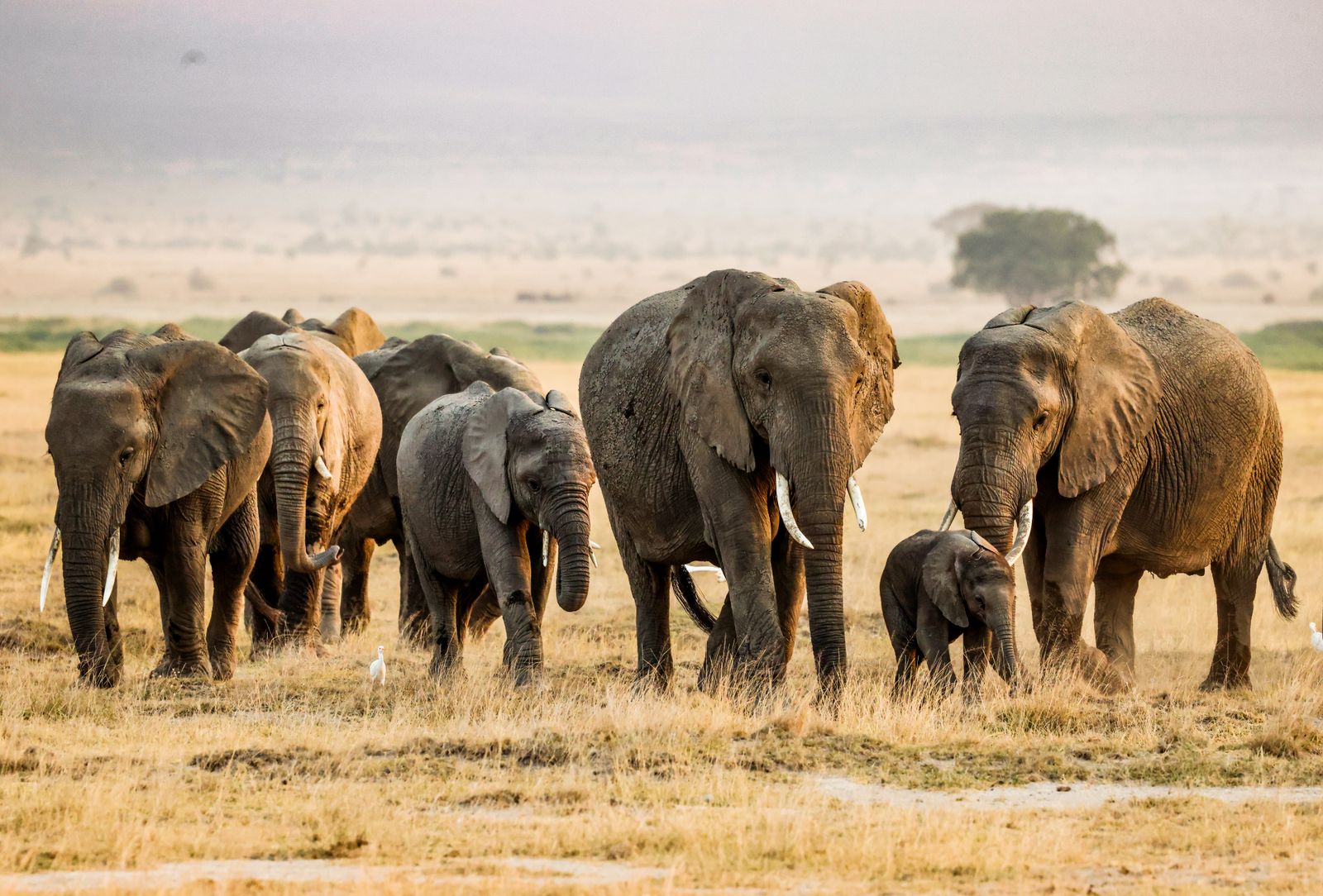
Statistics alone cannot show that an elephant hears its own label, so the researchers played recordings back to the animals. Elephants responded energetically to calls that had originally been addressed to them, calling back or approaching the speaker, while calls originally meant for another elephant drew a weaker response. That contrast is what turns a pattern in the data into evidence that the receivers themselves recognize the difference. [1][3][4]
Names without imitation
Bottlenose dolphins and parrots can address one another, but they do it by copying the receiver's signature sound. The elephant labels do not appear to be imitations, which is closer to how human names work: an arbitrary label attached to an individual. Name-like calls were more common over long distances and when adults addressed calves, which fits a system for getting a specific animal's attention. Labeling individuals without imitation is a step that greatly expands what a communication system can express. [1][3][4]
Marmosets, and the open questions
A separate 2024 study in Science recorded pairs of common marmosets and found that their loud phee calls carry labels for specific individuals; the monkeys could tell when a call was directed at them and answered more accurately when it was. Both teams are candid about limits. The elephant researchers note that far more data are needed to isolate the name inside a rumble and to learn whether elephants label things beyond each other, such as places or water. For now the claim is that the labels exist, not that anyone can translate them. [3][5][6]
Related guides
Get Fauna and identify it in the field.
Where this guide comes from
Source-checked editorial guide. Last updated . This guide teaches identification and field skills; it is not a substitute for expert verification when it matters.
- Nature Ecology & Evolution — African elephants address one another with individually specific name-like calls (Pardo et al., 2024) ↗
- PubMed — African elephants address one another with individually specific name-like calls ↗
- Colorado State University — Elephants have names for each other like people do, new study shows ↗
- ScienceDaily — Elephants have names for each other like people do ↗
- EurekAlert / Hebrew University of Jerusalem — Uncovering the secret communication of monkeys: they have names ↗
- Science — Vocal labeling of others by nonhuman primates (Oren et al., 2024) ↗