Clownfish that shrink to survive heatwaves
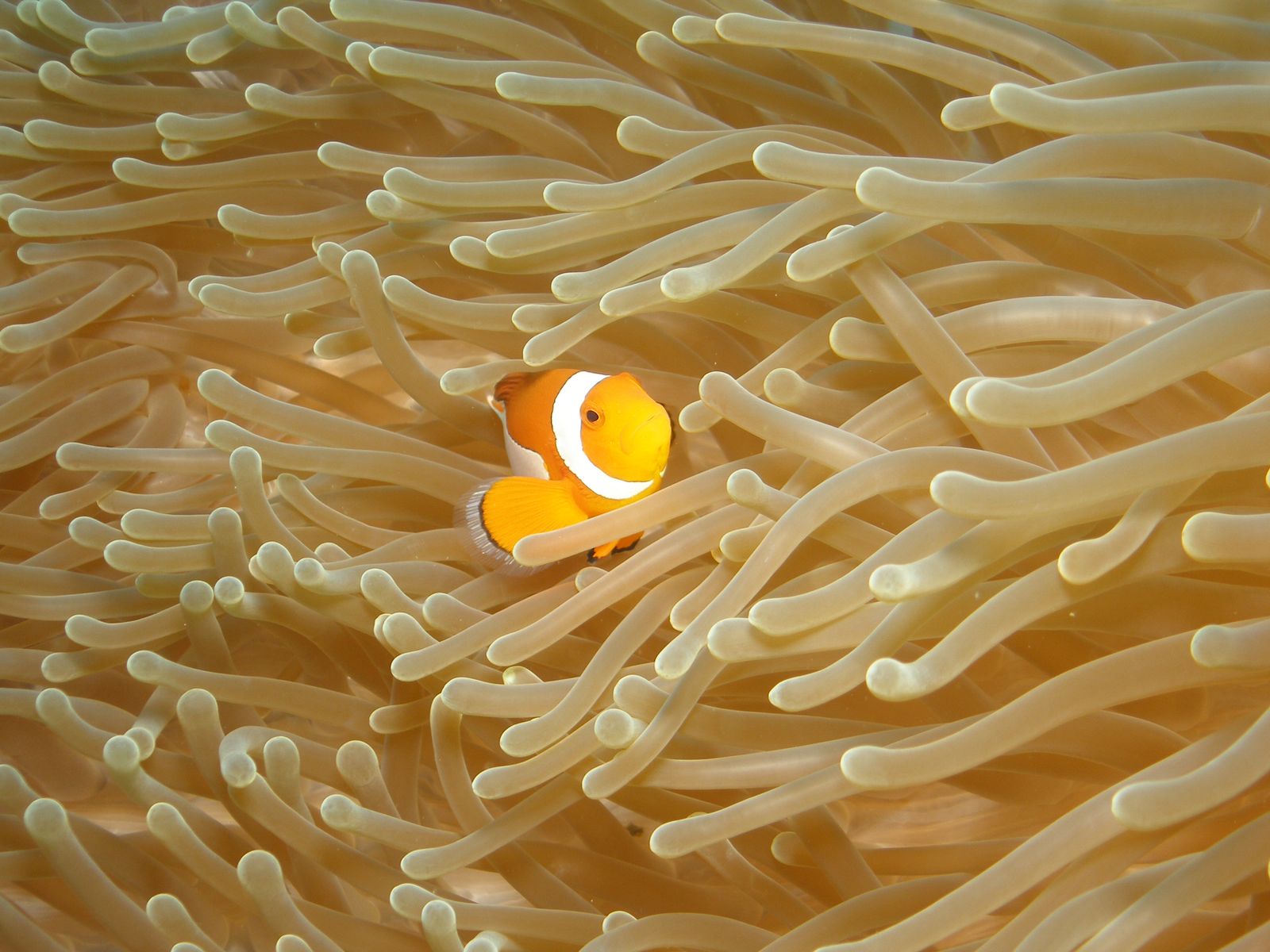
Fish usually grow or die; they do not get shorter. Yet when researchers measured 134 wild clown anemonefish monthly through a marine heatwave in Kimbe Bay, three-quarters of them shrank at least once, and shrinking raised their odds of surviving the heat by as much as 78 percent, especially when both members of a breeding pair shrank together.
Last updated
Measuring fish through a heatwave
Clown anemonefish live in small groups in a host anemone, with a dominant breeding female, a smaller breeding male, and non-breeders below them, which makes it possible to find and re-measure the same individuals month after month. Working with a local conservation and research centre, the team measured the same 134 fish month after month between February and August 2023 and logged water temperature every few days as the heatwave built and then eased. [1][2][3]
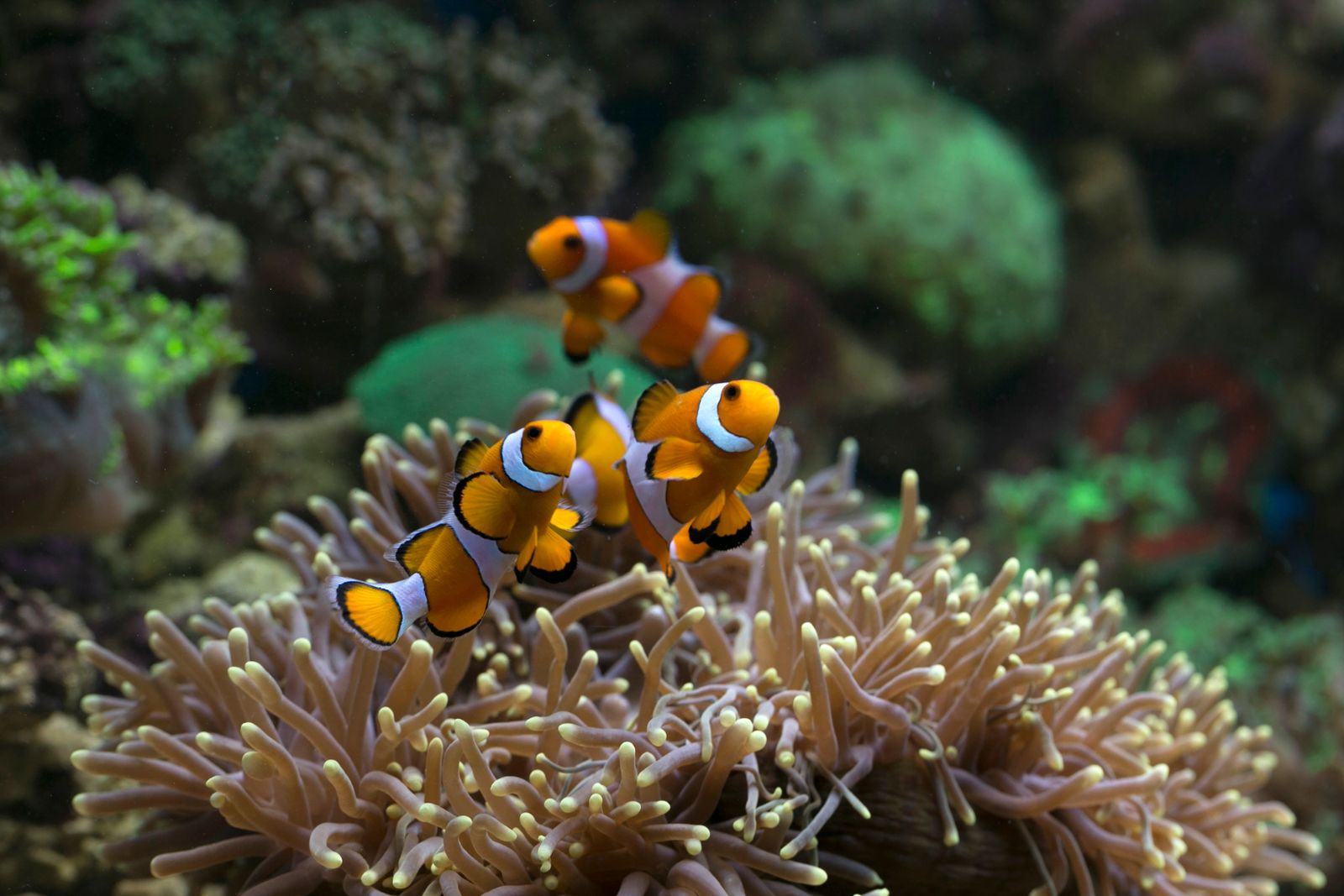
Shorter, not just thinner
The fish did not merely lose condition; their bodies became measurably shorter, and many did so more than once. Roughly three-quarters of the dominant females and breeding males shrank at least once during the study. Shrinking was tied to survival: fish that shrank were far more likely to make it through the hottest weeks than similar fish that did not, with the survival benefit estimated at up to 78 percent. [1][3][4]
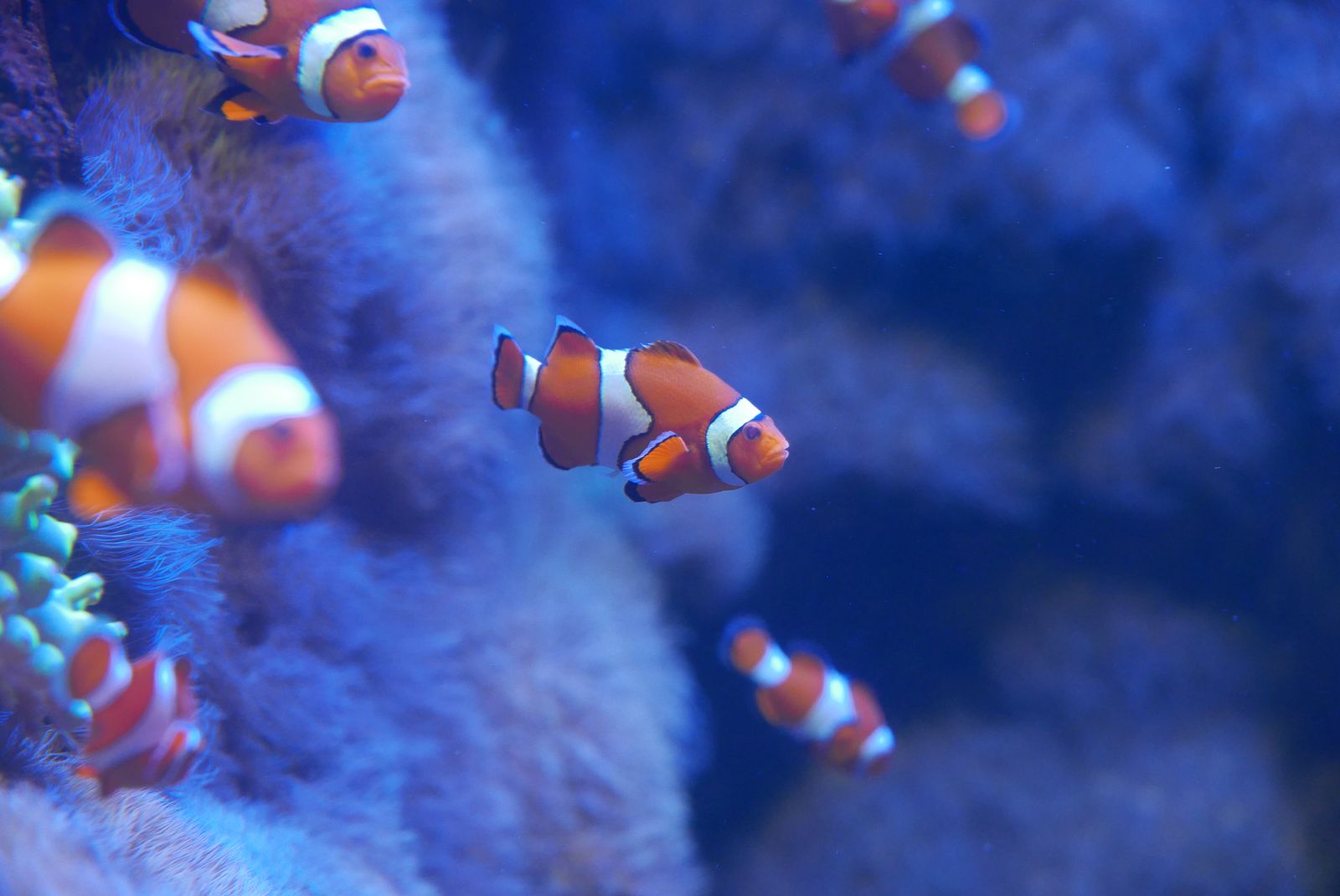
Why shrinking with a partner matters
Clownfish society runs on size. Each fish in a group stays a step smaller than the one above it, and a subordinate that grows too close in size risks eviction or a fight. When a breeding female shrank, her male partner often shrank too, keeping the ratio intact, and pairs that shrank together survived better than pairs that did not. The authors read this as social conflict and heat stress acting on the same lever. [1][2][4]
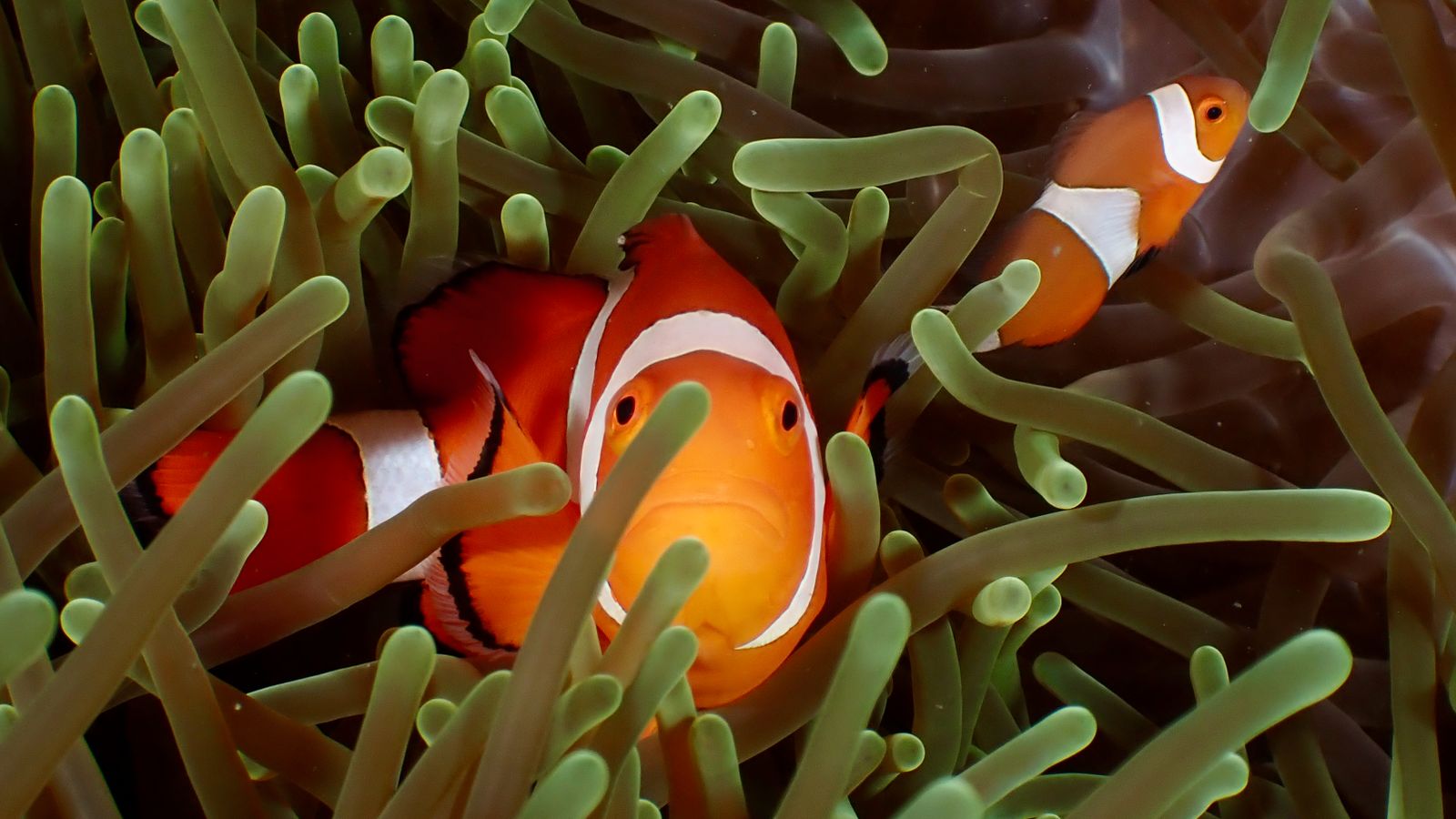
How a fish shrinks, and what it means
The mechanism is not yet known. Marine iguanas are known to reabsorb bone and shorten during lean years, and a smaller body needs less oxygen and food when warm water makes both harder to come by, so bone reabsorption and reduced metabolic demand are the leading ideas. If shrinking is widespread among reef fish, it could help explain why fish are getting smaller in warming seas, and it means a fish's length is not the reliable record of age that surveys often assume. [1][3][4]
Related guides
Get Fauna and identify it in the field.
Where this guide comes from
Source-checked editorial guide. Last updated . This guide teaches identification and field skills; it is not a substitute for expert verification when it matters.
- PubMed Central — Individual clown anemonefish shrink to survive heat stress and social conflict (Versteeg et al., 2025) ↗
- Science Advances — Individual clown anemonefish shrink to survive heat stress and social conflict ↗
- ScienceDaily / Newcastle University — Shrinking Nemo: clownfish survive heatwaves by shrinking ↗
- Smithsonian Magazine — Clownfish shrink down their bodies to survive ocean heat waves ↗