
Mammal · GBIF taxon 5218416
Aardvark
Orycteropus aferAlso known as African Ant Bear, Cape Antbear
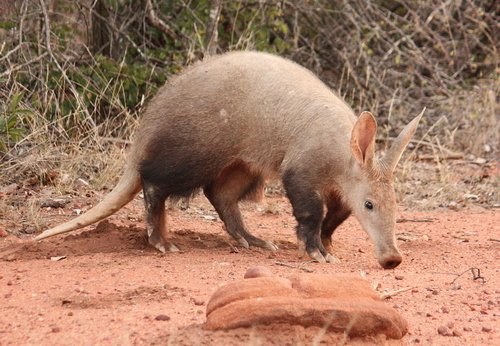
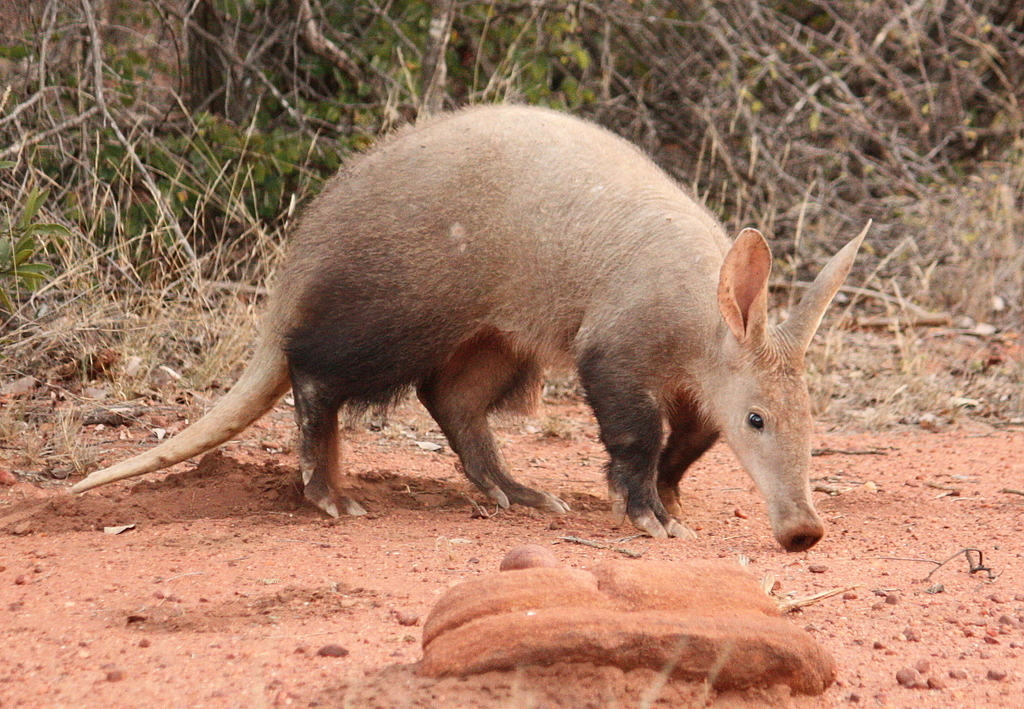
Aardvarks are solitary, nocturnal excavators equipped with robust, spade-like claws that can tear through rock-hard termite mounds in minutes. They navigate savannas using a keener sense of smell than almost any other mammal, sweeping their snouts along the ground to detect underground colonies before scooping up prey with a sticky, 30-centimeter tongue. Their extensive underground burrow networks earn them keystone status across sub-Saharan Africa, providing essential thermal refuges for dozens of other wildlife species.
NocturnalBurrowingInsectivore
—observations
—countries
—peak records
Least ConcernConservation statusIUCN Red List categoriesLCNTVUENCREWEXLeast ConcernRed List categories, explained →
Diet & prey
- Termites
- Ants
- Aardvark Cucumber
Predators
- Lion
- Leopard
- Spotted Hyena
ThreatsHabitat conversion to agriculture, hunting for meat and body parts, and persecution by landowners
HabitatsSavannas, open woodlands, scrublands, and grasslands across sub-Saharan Africa
Life span18–23 years
Size / weightNot available
Classification
- OrderTubulidentata
- FamilyOrycteropodidae
- GenusOrycteropus
- SpeciesOrycteropus afer
Range data is not available yet.
Interaction riskLow
- Low
- Moderate
- High
- Very high
- Why interaction risk is low
- Powerful claws can deliver severe scratches if cornered; observe quietly from a safe distance.
- Why it is dangerous
- Massive, chisel-like claws powered by muscular limbs can slash deeply and cause severe lacerations if the animal is restrained or cornered.
- How to recognize a risky encounter
- Look for a thickset body, arched back, long tubular snout, and large rabbit-like ears moving low along the ground at night.
- What to do
- Do not block burrow entrances or corner an active individual; give it a wide berth to retreat underground.
Responsible observation
- Night Drives: Watch for reflective eyeshine or low-slung, pig-like silhouettes foraging near termite mounds after sunset.
- Red Lighting: Use a red filter on spotlights during nocturnal safari viewings to avoid dazzling their light-sensitive eyes.
- Burrow Caution: Avoid stepping near fresh excavation openings, which can collapse under human foot traffic.
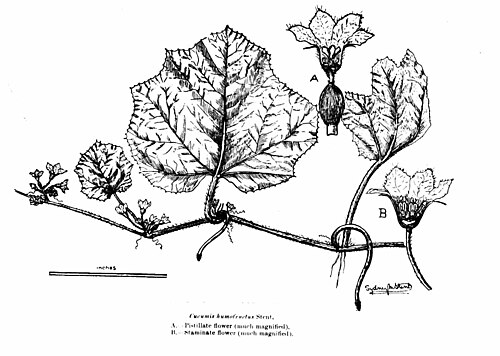
Symbiont Sydney M. Stent / Public domain · cc0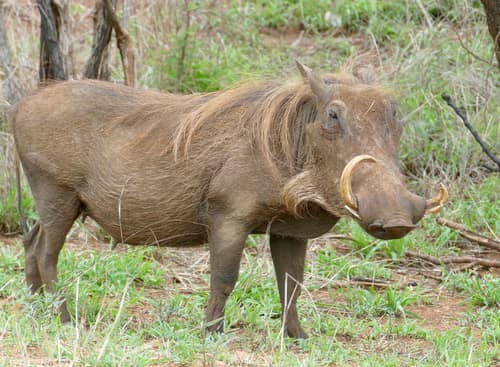
Commensal (c) Bernard DUPONT, some rights reserved (CC BY-SA) · cc-by-sa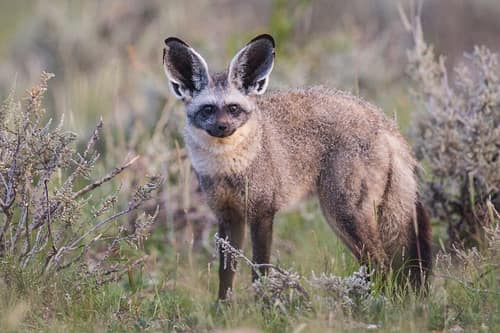
Den User Yathin S Krishnappa / CC BY-SA 3.0 · cc-by-sa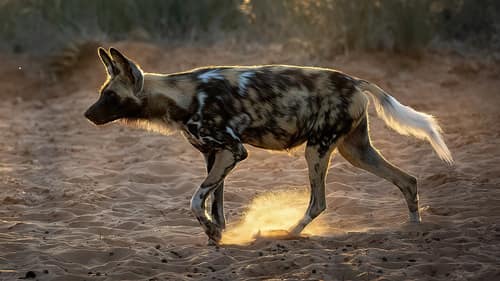
Den User AfricanConservation / CC BY-SA 4.0 · cc-by-sa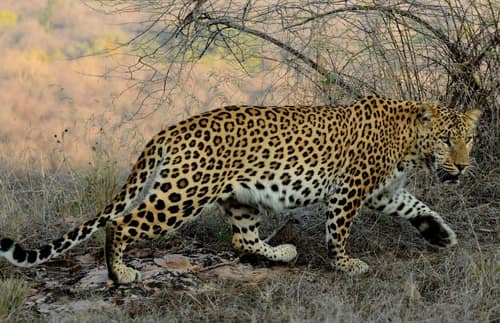
Predator (c) Raja bandi, some rights reserved (CC BY), uploaded by Raja bandi · cc-by
Help improve the field guideSomething wrong?
Checking your Fauna account…Report a name, category, or profile issue for review.