
Plant
Aardvark Cucumber
Cucumis humifructusAlso known as Aardvark Pumpkin
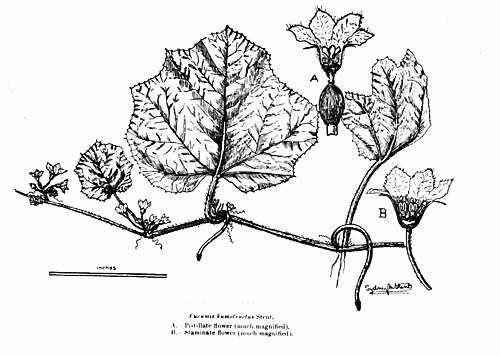
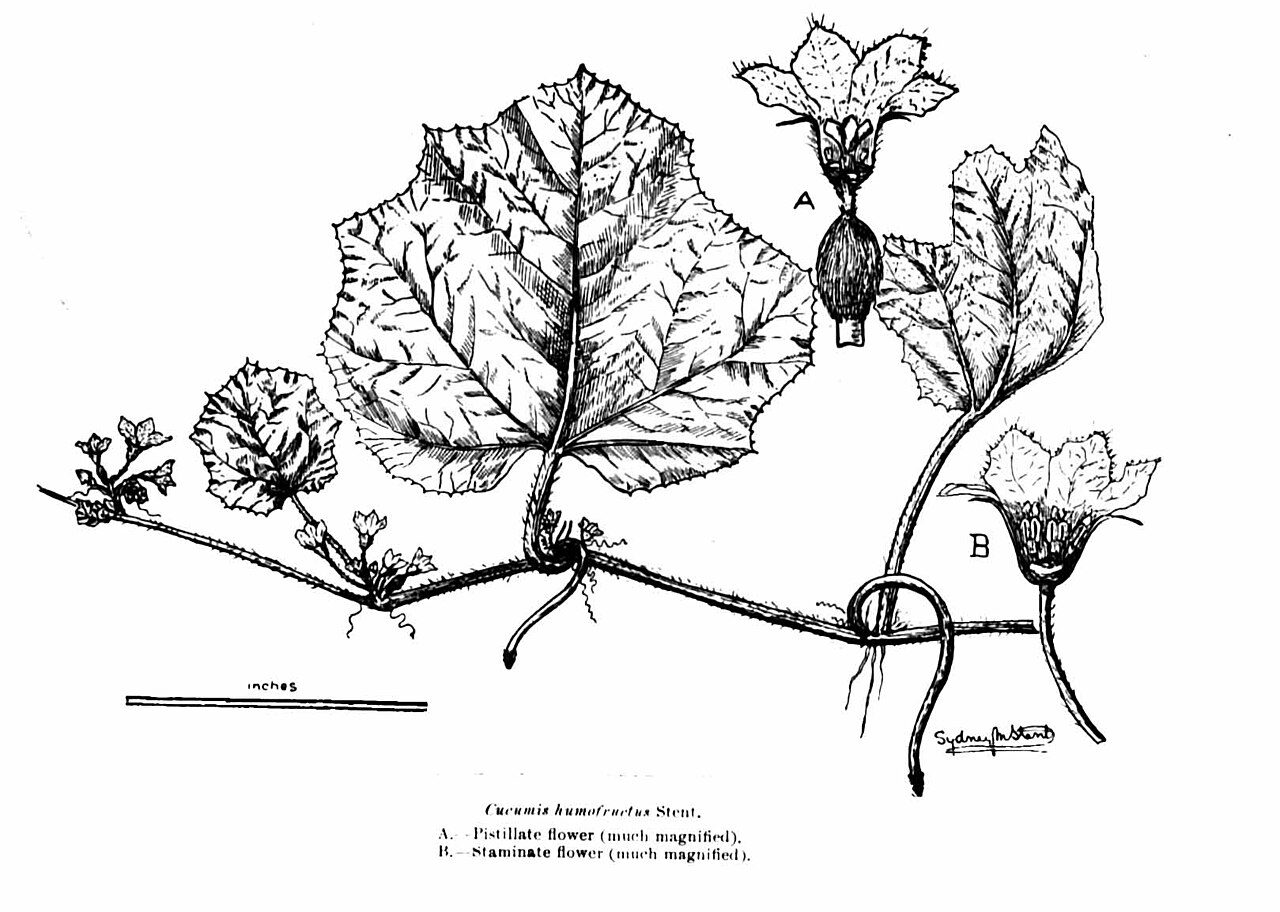
Aardvark cucumbers produce trailing vines that hug arid soils across southern and tropical Africa, flowering above ground before pushing pollinated female stems deep into the earth. The resulting subterranean melons develop completely underground, where they are protected from extreme heat, desiccation, and most surface herbivores. Survival hinges entirely on a remarkable mutualism with the aardvark, which digs up the water-rich melons and buries the seeds within nutrient-rich dung piles inside its excavations.
GeocarpicTrailing VineSymbiotic
—observations
—countries
—peak records
Not EvaluatedConservation statusIUCN Red List categoriesLCNTVUENCREWEXNot Evaluated — not placed on the risk ladderRed List categories, explained →
Diet & preyAutotrophic via photosynthesis
Predators
- Aardvark
- Cape Porcupine
ThreatsHabitat loss from agriculture, reduction in aardvark populations, and extended droughts
HabitatsArid savannah, semi-desert scrub, dry bushveld, and sandy open plains
Life span1–3 years (perennial rootstock with seasonal annual vines)
Classification
- FamilyCucurbitaceae
- SpeciesCucumis humifructus
Range data is not available yet.
Interaction riskLow
- Low
- Moderate
- High
- Very high
- Why interaction risk is low
- Wild fruits have toxic look-alikes; never eat based on app identification alone.
Responsible observation
- Locating Vines: Look for thin, bristly green vines trailing across sand near active or abandoned aardvark burrows.
- Excavation Awareness: Do not dig up roots or subsurface melons, as undisturbed plants support rare desert ecological chains.
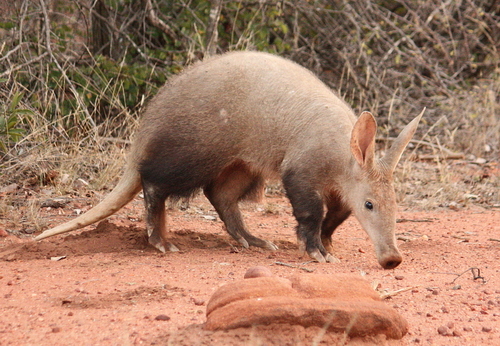
Seed Disperser no rights reserved, uploaded by Kelly Abram · cc0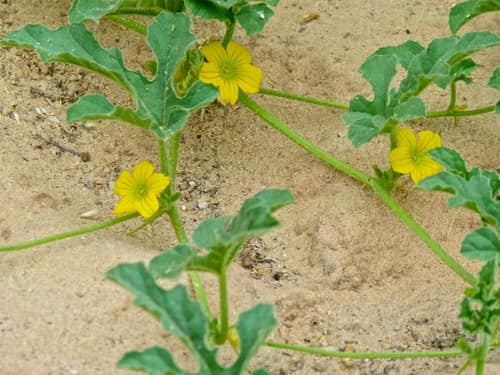
Same Family (c) Bernard DUPONT, some rights reserved (CC BY-SA) · cc-by-sa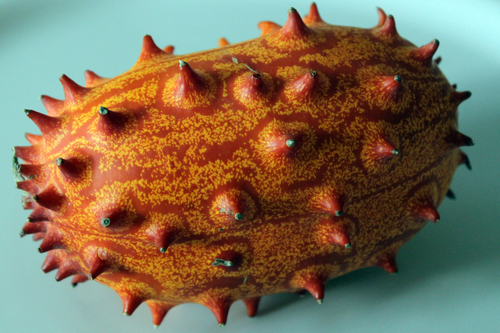
Close Relative (c) Anagoria, some rights reserved (CC BY) · cc-by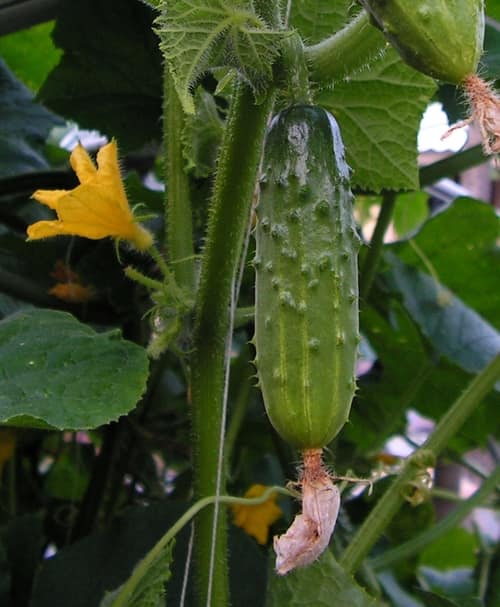
Close Relative (c) Bff, some rights reserved (CC BY-SA) · cc-by-sa
Help improve the field guideSomething wrong?
Checking your Fauna account…Report a name, category, or profile issue for review.