
Mammal · GBIF taxon 5219436
Leopard
Panthera pardusAlso known as African Leopard, Panther, Black Panther
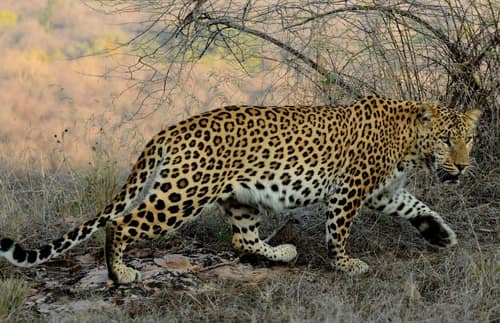
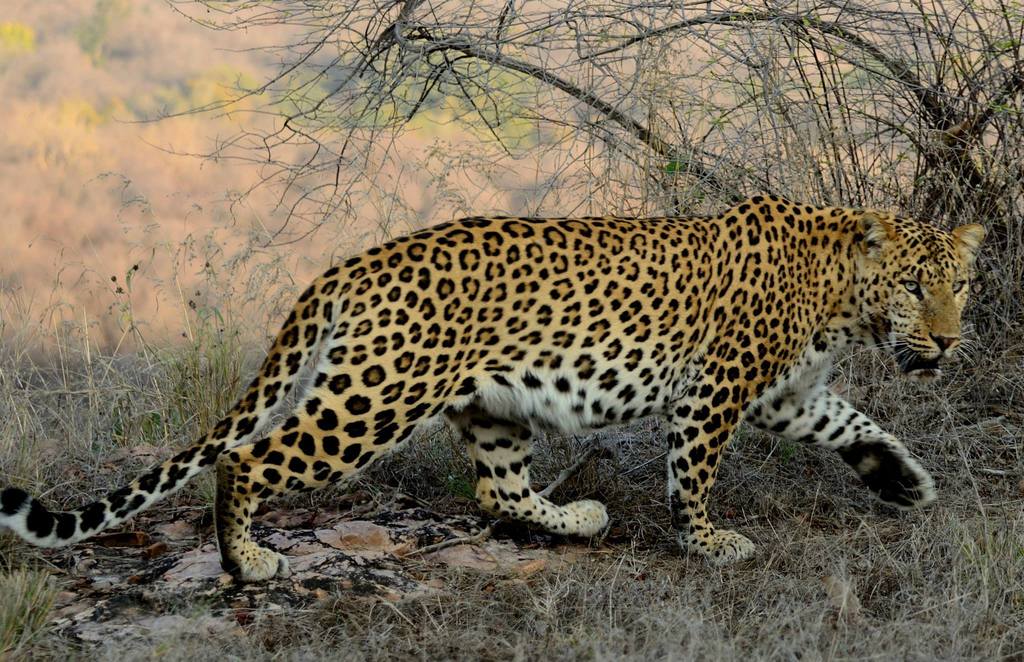
Leopards are highly adaptable predators renowned for their remarkable stealth, muscular build, and rosette-patterned coats. Capable of hauling prey heavier than themselves high into tree branches to evade scavengers, they thrive in habitats ranging from African savannas to Russian snows. Solitary and mostly nocturnal, they communicate through deep, raspy vocalizations that sound remarkably like sawing wood.
NocturnalPredatorSolitary
 1 / 7
1 / 7—observations
—countries
—peak records
VulnerableConservation statusIUCN Red List categoriesLCNTVUENCREWEXVulnerableRed List categories, explained →
Diet & prey
- Impala
- Baboon
- Bushbuck
Predators
- Lion
- Spotted Hyena
- Tiger
ThreatsHabitat loss, poaching, human-wildlife conflict, prey depletion
HabitatsSavannas, rainforests, woodlands, mountains, deserts
Life span12–17 years in the wild
Size / weightNot available
Classification
- OrderCarnivora
- FamilyFelidae
- GenusPanthera
- SpeciesPanthera pardus
Native
Interaction riskHigh
- Low
- Moderate
- High
- Very high
- Why interaction risk is high
- Large apex predator capable of severe harm; keep a safe distance and stay inside vehicles on safaris.
- Why it is dangerous
- Powerful apex predator with immense strength, powerful jaws, and sharp claws capable of causing fatal injuries.
- How to recognize a risky encounter
- Recognized by pale golden fur covered in rosette spots lacking central dots and a slender, muscular build.
- What to do
- Never approach on foot; keep a safe distance inside safari vehicles and avoid making eye contact if encountered.
- What to notice
- Spot patterns are unique to each individual, serving as a reliable natural ID card for researchers.
- Support conservation
- Avoid sharing precise real-time coordinates of sightings online to safeguard animals from illegal hunting.
Responsible observation
- Safari Etiquette: Remain inside open vehicles and avoid sudden movements or loud noises.
- Avoid Walking at Night: Refrain from walking unguided after dark in known leopard territory.
- Secure Livestock: Ranchers use fortified corrals and guard dogs to prevent livestock losses.
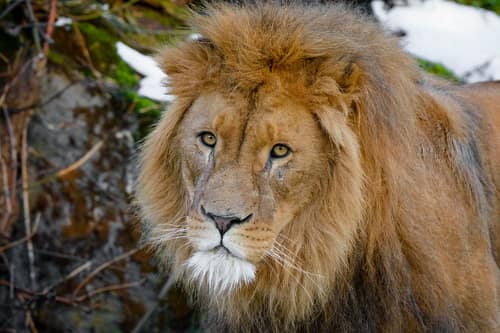
Competitor "African Lion" by Mathias Appel is marked with CC0 1.0. To view the terms, visit https://creativecommons.org/publicdomain/zero/1.0/. · cc0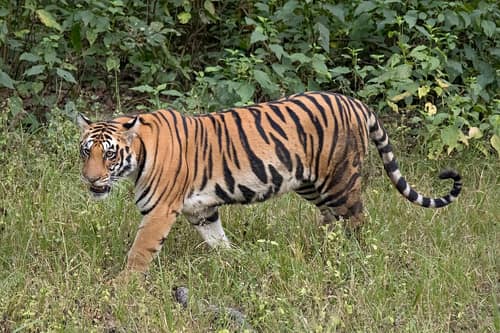
Competitor Charles J. Sharp / CC BY-SA 4.0 · cc-by-sa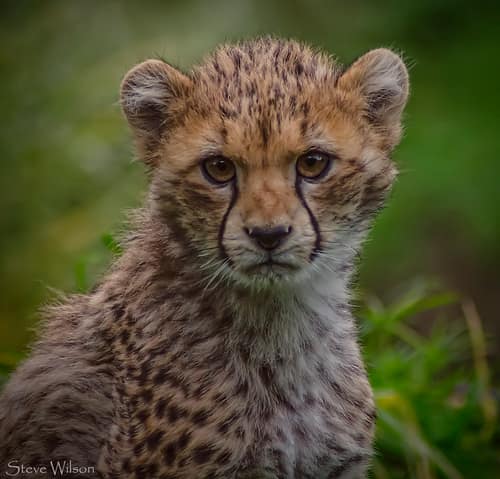
Co-Occurring Cat "Portrait of a Cheetah Cub" by Steve Wilson - over 10 million views Thanks !! is licensed under CC BY 2.0. To view a copy of this license, visit https://creativecommons.org/licenses/by/2.0/. · cc-by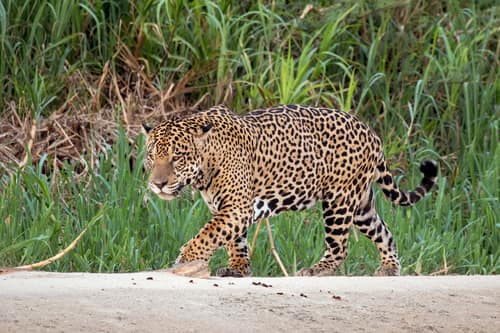
Close Relative (c) Charles J. Sharp , some rights reserved (CC BY-SA) · cc-by-sa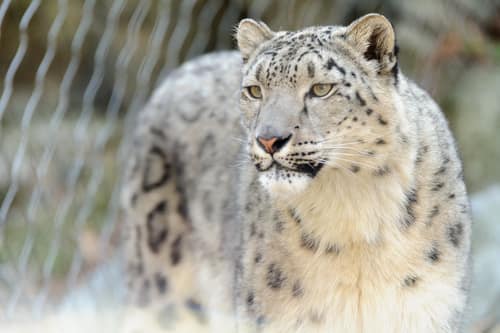
Close Relative "Snow Leopard from the Side" by Eric Kilby is licensed under CC BY-SA 2.0. To view a copy of this license, visit https://creativecommons.org/licenses/by-sa/2.0/. · cc-by-sa
Keep collecting in Fauna
Found in Collections
Species set Pro
Emerald Kingdom
Leopard is found in this collection. Identify it in Fauna to fill this slot and continue your progress.
Unlock to track progress
Help improve the field guideSomething wrong?
Checking your Fauna account…Report a name, category, or profile issue for review.