
Mammal
Bat-eared Fox
Otocyon megalotisAlso known as Big-eared Fox, Black-eared Fox, Delalande's Fox, Motlosi
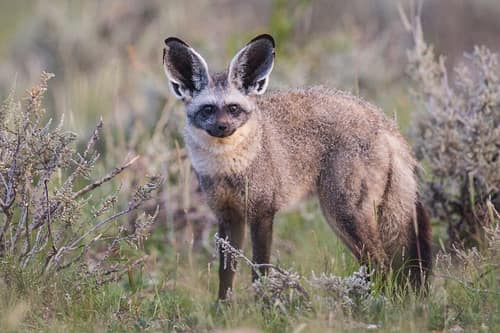
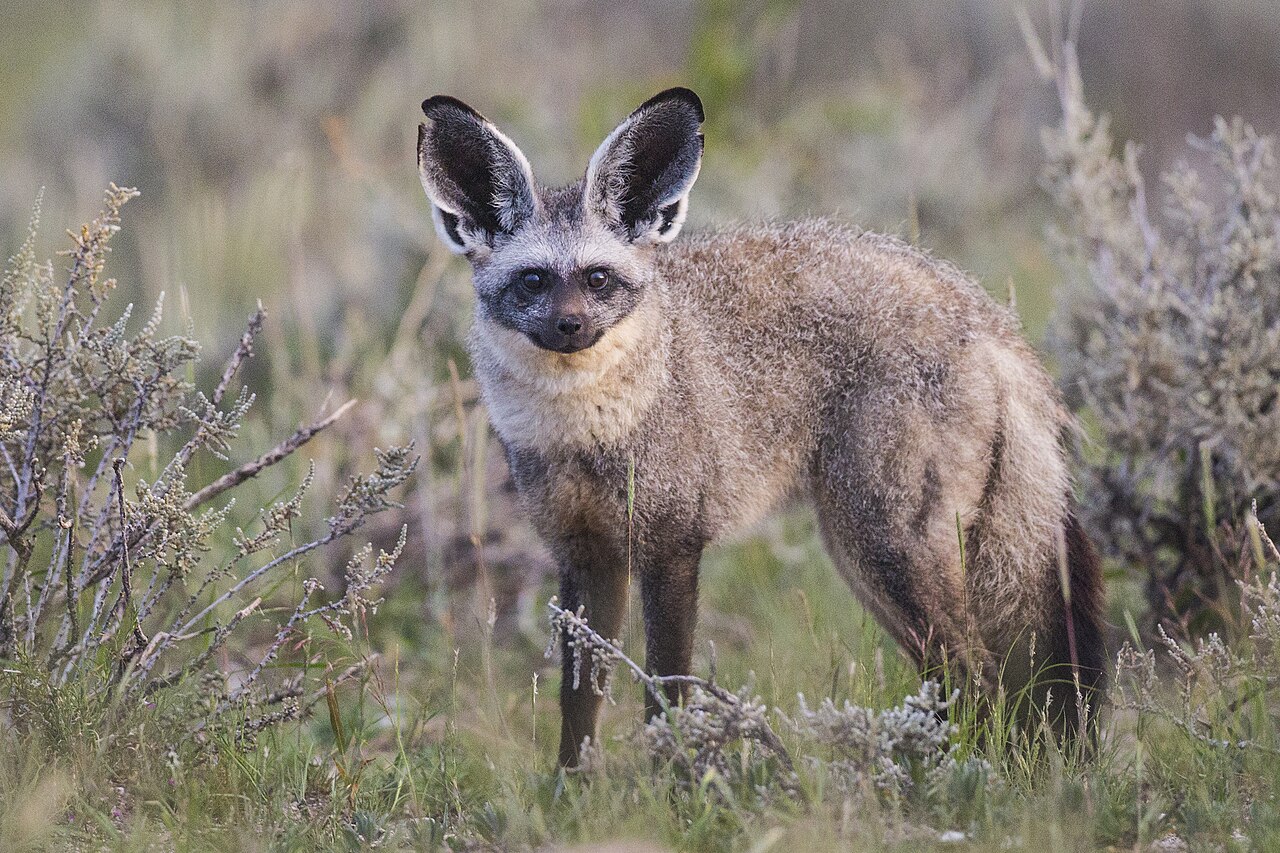
Bat-eared foxes patrol open arid plains in closely bonded family pairs, using enormous ears up to 13 centimeters tall to detect the faint underground rustling of termites. Their specialized dentition includes up to six extra molars and an agile lower jaw adapted to chew insect prey at remarkable speeds exceeding five bites per second. Adult pairs share mutual grooming duties and cooperate in digging extensive burrow systems, with males taking an unusually hands-on role in guarding and grooming kits while females forage.
InsectivoreNocturnalSocial
—observations
—countries
—peak records
Least ConcernConservation statusIUCN Red List categoriesLCNTVUENCREWEXLeast ConcernRed List categories, explained →
Diet & preyHarvester Termite, Dung Beetle, Grasshopper
Predators
- Black-backed Jackal
- Leopard
- Martial Eagle
ThreatsRabies and canine distemper outbreaks, habitat alteration through overgrazing, and road collisions
HabitatsShort-grass plains, arid savannas, and low shrublands of eastern and southern Africa
Life span6–9 years in the wild (up to 14 years in captivity)
Classification
- FamilyCanidae
- SpeciesOtocyon megalotis
Native
Interaction riskModerate
- Low
- Moderate
- High
- Very high
- Why interaction risk is moderate
- Known reservoir host for rabies virus; observe from vehicles and never approach disoriented individuals.
- Why it is dangerous
- Bat-eared foxes are major wildlife reservoirs for rabies in southern Africa, which can be transmitted through bites or saliva contact.
- How to recognize a risky encounter
- Recognizable by oversized, dish-shaped black ears, a bushy black-tipped tail, and a masked grayish-yellow coat.
- What to do
- View exclusively from safari vehicles, and alert reserve rangers immediately if you see an individual showing unprovoked aggression or tameness.
Responsible observation
- Night drives: Scan open plains with a red-filtered spotlight to catch their distinct golden eye-shine.
- Termite colonies: Watch short-grass patches around active termite mounds at dusk, where groups gather to feed.
- Den distance: Keep safari vehicles at least 30 meters back from active burrows to avoid alarming nursing families.

Prey (c) Nicola van Berkel, some rights reserved (CC BY-SA), uploaded by Nicola van Berkel · cc-by-sa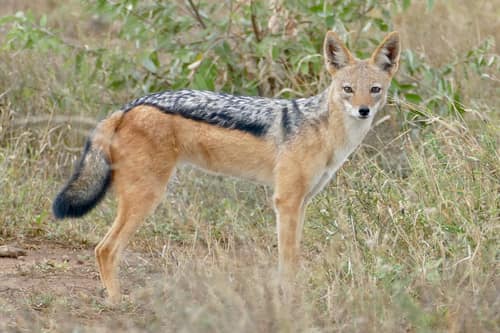
Competitor (c) Bernard DUPONT, some rights reserved (CC BY-SA) · cc-by-sa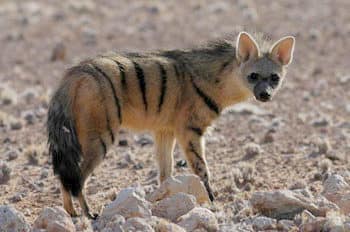
Competitor no rights reserved, uploaded by Dave Brown · cc0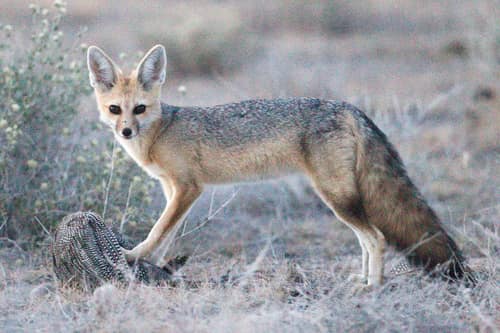
Neighbor (c) Yathin S Krishnappa, some rights reserved (CC BY-SA) · cc-by-sa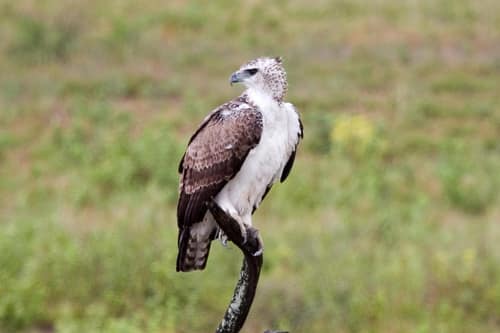
Predator (c) Dan Harville, some rights reserved (CC BY-SA), uploaded by Dan Harville · cc-by-sa
Help improve the field guideSomething wrong?
Checking your Fauna account…Report a name, category, or profile issue for review.