
Bird
Spotted Owl
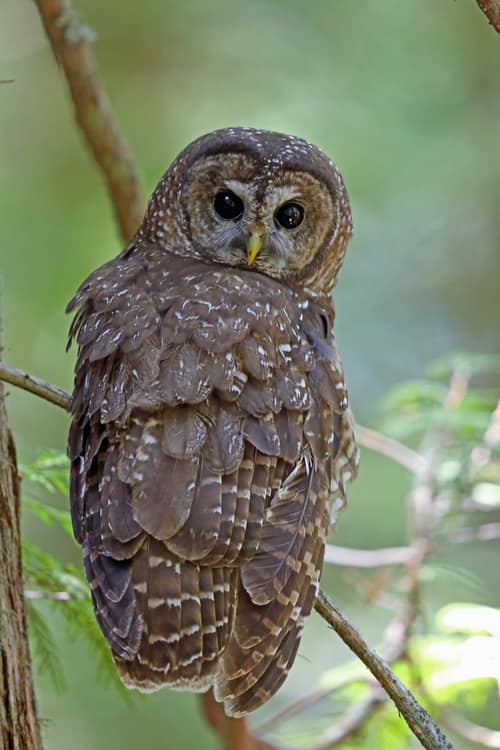
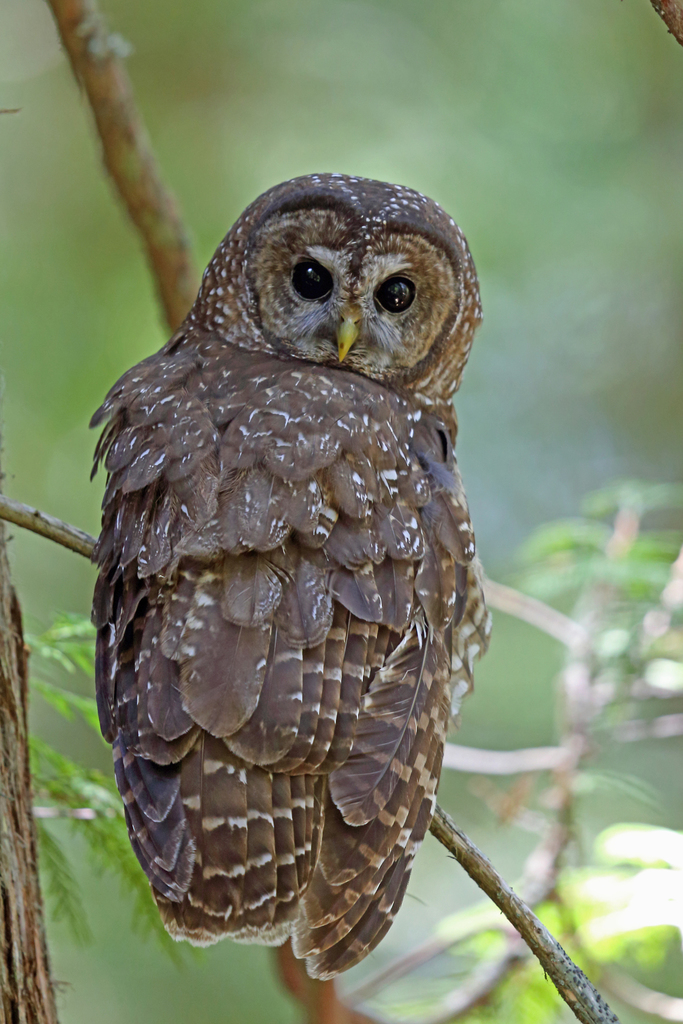
Strix occidentalisSpotted owls glide silently beneath dense, multi-layered forest canopies to ambush small arboreal mammals in the dead of night. Strongly monogamous pairs defend long-term territories across mature timberlands, relying on a distinctive four-note barking hoot to maintain contact across rugged canyons. Their acute reliance on decadent snags and large tree hollows makes them iconic ecological indicators for the health of western old-growth ecosystems.
NocturnalForest DwellerRaptor
—observations
—countries
—peak records
Near ThreatenedConservation statusIUCN Red List categoriesLCNTVUENCREWEXNear ThreatenedRed List categories, explained →
Diet & preyNorthern Flying Squirrel, Dusky-footed Woodrat, Red Tree Vole
Predators
- Great Horned Owl
- Northern Goshawk
- Red-tailed Hawk
ThreatsTimber harvesting, catastrophic wildfires, and competitive displacement by invasive barred owls
HabitatsOld-growth and mature coniferous or mixed forests, shaded ravines, and steep wooded canyons
Life span10–17 years in the wild
Classification
- FamilyStrigidae
- SpeciesStrix occidentalis
Range data is not available yet.
Interaction riskLow
- Low
- Moderate
- High
- Very high
- Why interaction risk is low
- Safe to observe at a normal distance.
- What to notice
- Recognize this medium-sized, earless owl by its dark brown plumage covered in white rounded spots and deep brown, near-black eyes.
- Support conservation
- Do not disclose nest locations publicly, minimize noise in known territories, and refrain from spotlighting resting owls at night.
Responsible observation
- Vocalizations: Listen at twilight or after dark for their classic four-hoot call echoing down canyon walls.
- Viewing distance: Keep a respectful distance of at least 50 meters to prevent flushing birds from daytime roosts.
- Playback caution: Never use recorded audio lures, which cause territorial stress and burn critical metabolic energy.
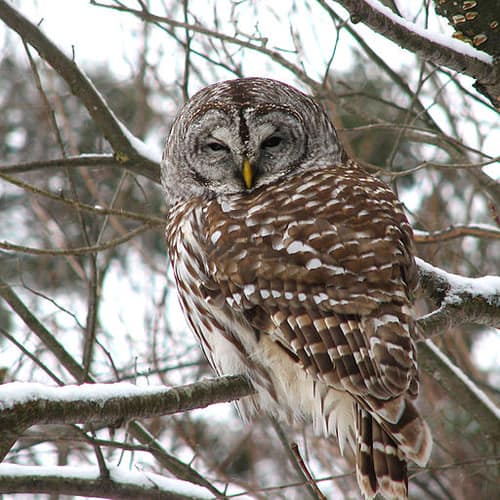
Competitor U.S. Fish and Wildlife Service Headquarters / Public domain · cc0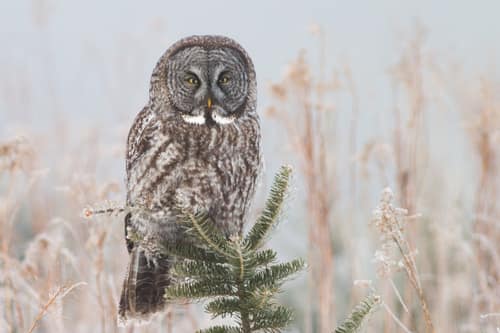
Same Genus (c) Fyn Kynd, some rights reserved (CC BY-SA), uploaded by Fyn Kynd · cc-by-sa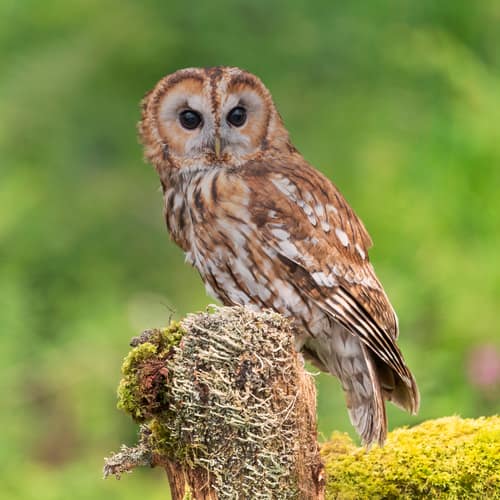
Same Genus (c) caroline legg, some rights reserved (CC BY) · cc-by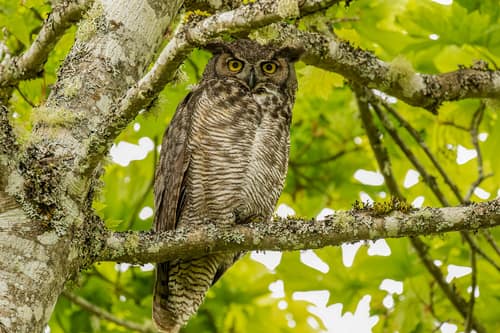
Predator "Great Horned Owl, the first I've seen in decent light this year. Didn't want to disturb it for too long so we continued along the trail" by island deborah- is licensed under CC BY-SA 2.0. To view a copy of this license, visit https://creativecommons.org/licenses/by-sa/2.0/. · cc-by-sa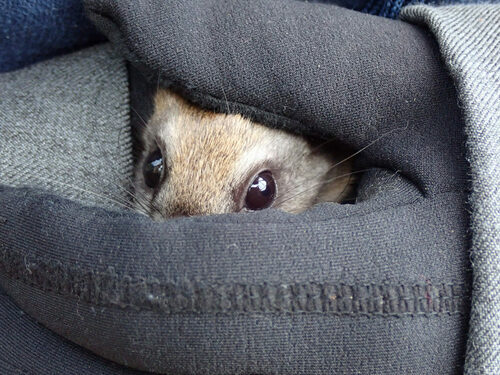
Prey (c) Evan M. Raskin, some rights reserved (CC BY) · cc-by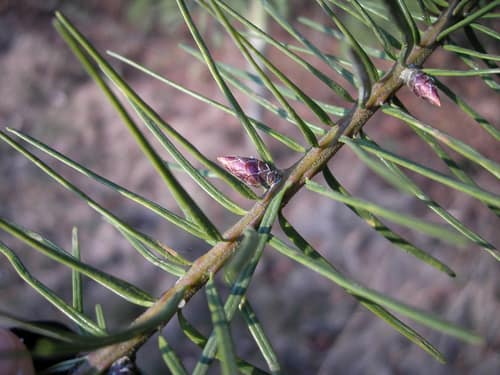
Host Plant (c) Danny Steaven, some rights reserved (CC BY-SA) · cc-by-sa
Help improve the field guideSomething wrong?
Checking your Fauna account…Report a name, category, or profile issue for review.