
Bird · GBIF taxon 9282206
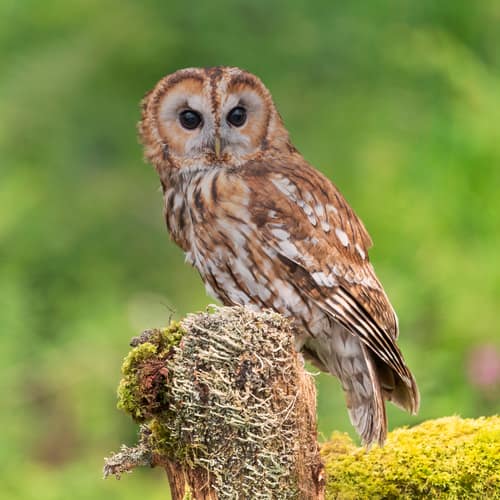
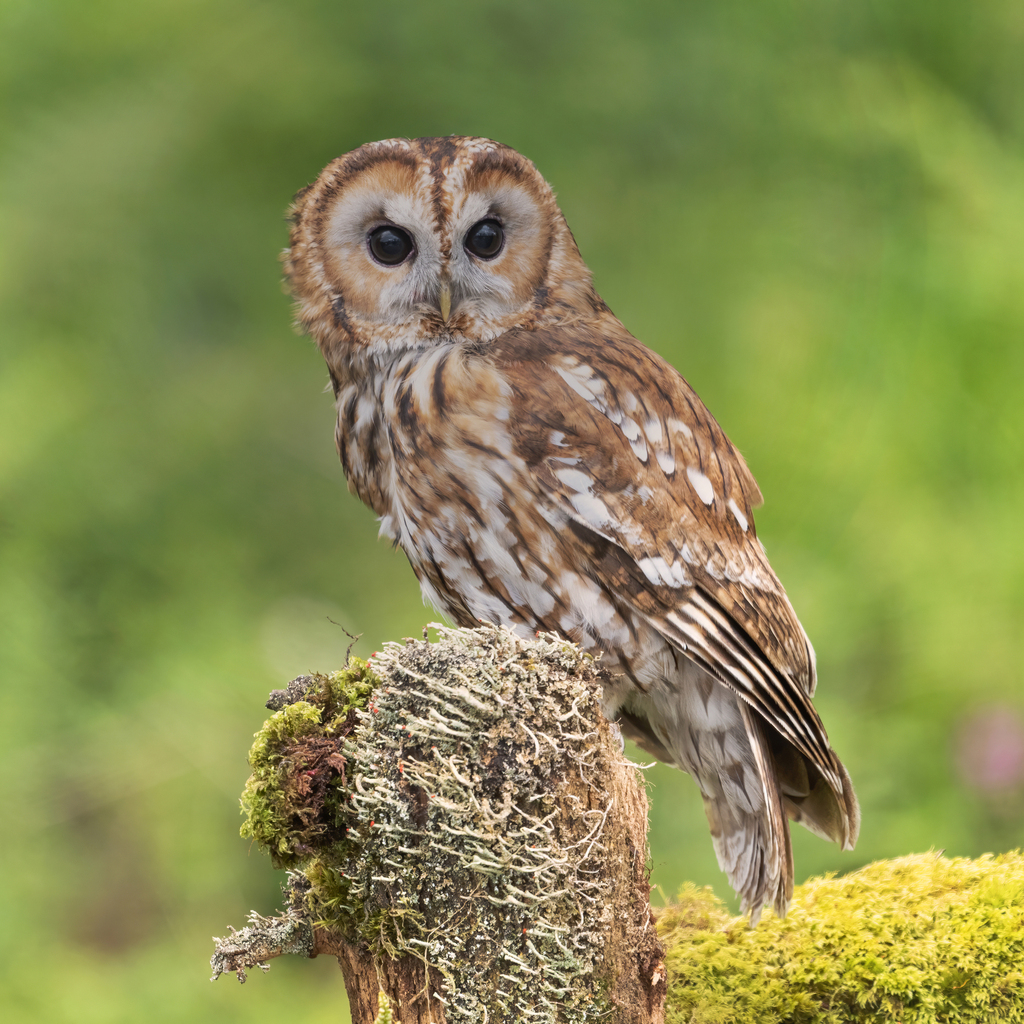
Tawny Owl
Strix alucoAlso known as Brown Owl, Beech Owl, Wood Owl
Tawny owls are highly nocturnal predators that rule mature European woodlands with silent flight and exceptional low-light vision. Their famous duet call consists of a sharp female contact call answered by the male's wavering, melancholic hoot. These territorial birds maintain the same woodland boundaries for life, fiercely defending their chosen tree hollows from intruders.
NocturnalForest DwellerVocal
—observations
—countries
—peak records
Least ConcernConservation statusIUCN Red List categoriesLCNTVUENCREWEXLeast ConcernRed List categories, explained →
Diet & prey
- Wood Mouse
- Bank Vole
- Earthworms
Predators
- Eurasian Eagle-Owl
- Northern Goshawk
- Pine Marten
ThreatsHabitat loss, secondary poisoning from rodenticides, and vehicle collisions
HabitatsDeciduous and mixed woodlands, mature parks, and large gardens
Life span4 to 5 years in the wild, though some reach over 18 years
Size / weightNot available
Classification
- FamilyStrigidae
- SpeciesStrix aluco
Range data is not available yet.
Interaction riskLow
- Low
- Moderate
- High
- Very high
- Why interaction risk is low
- Fiercely defends nests with sharp talons; keep a respectful distance during spring nesting season.
- Why it is dangerous
- Nesting adults will silently dive-bomb intruders, aiming their sharp talons at the head and eyes to protect their chicks.
- How to recognize a risky encounter
- Look for a stocky, medium-sized owl with a round head, dark eyes, and no ear tufts, often roosting close to tree trunks.
- What to do
- Avoid approaching active nest cavities between March and June, and wear a helmet or hood if you must pass nearby.
Responsible observation
- Listen at dusk: Listen for the male's long, wavering hoot echoing through mature woods just after sunset.
- Look for pellets: Search the base of large ivy-clad trees for grey, sausage-shaped pellets containing bones and fur.
- Respect nest sites: Keep your distance from tree hollows during spring to avoid disturbing nesting pairs.
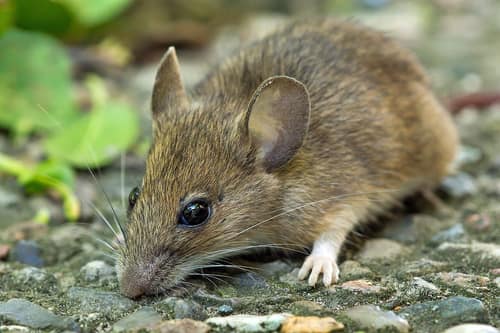
Prey Christian Fischer / CC BY-SA 4.0 · cc-by-sa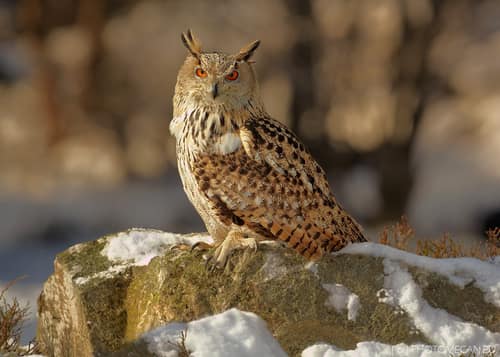
Predator Martin Mecnarowski (http://www.photomecan.eu/) / CC BY-SA 3.0 · cc-by-sa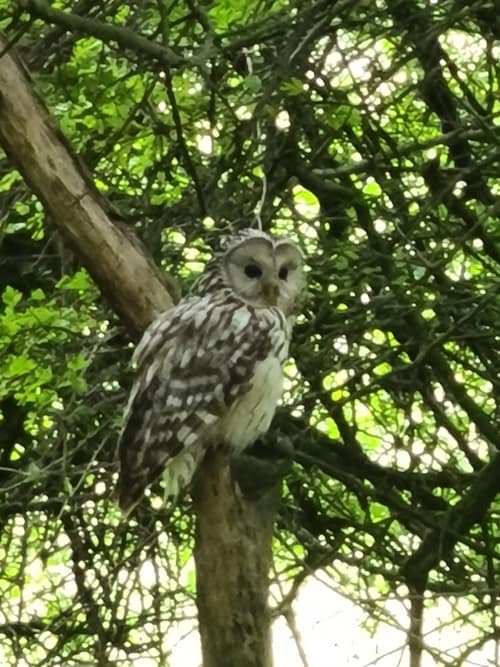
Close Relative (c) Jacek Pietruszewski, some rights reserved (CC BY) · cc-by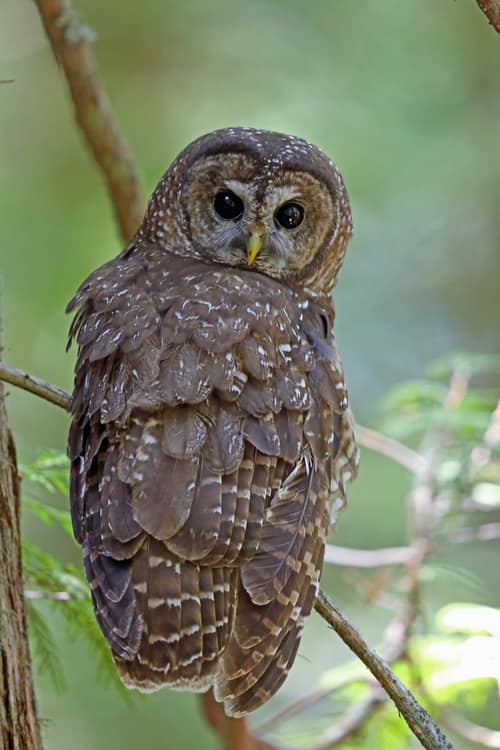
Close Relative (c) Nigel Voaden, some rights reserved (CC BY) · cc-by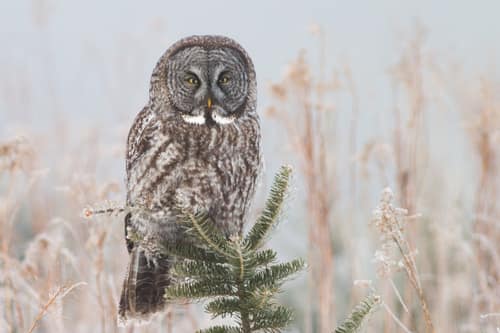
Close Relative (c) Fyn Kynd, some rights reserved (CC BY-SA), uploaded by Fyn Kynd · cc-by-sa
Help improve the field guideSomething wrong?
Checking your Fauna account…Report a name, category, or profile issue for review.