
Plant
Douglas-fir
Pseudotsuga menziesiiAlso known as Oregon Pine, Douglas Spruce, Columbian Pine, Red Fir
Douglas-firs dominate the coniferous forests of western North America, growing into monumental evergreens capable of living for over a millennium. Their deeply furrowed, corky bark helps mature trees survive low-intensity wildfires, while their distinct seed cones feature three-pointed bracts that resemble the tail and hind feet of a mouse hiding beneath each scale. As canopy giants, they support complex ecosystems, providing vital nesting structure for northern spotted owls and seeds for forest rodents.
ConiferEvergreenOld-Growth
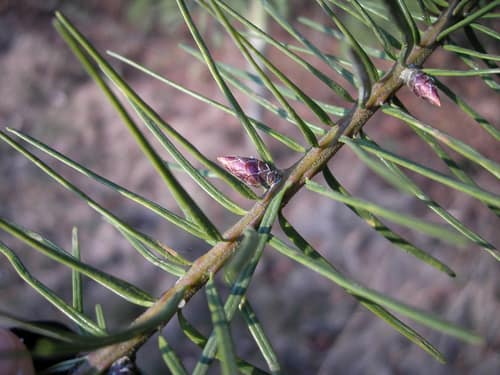
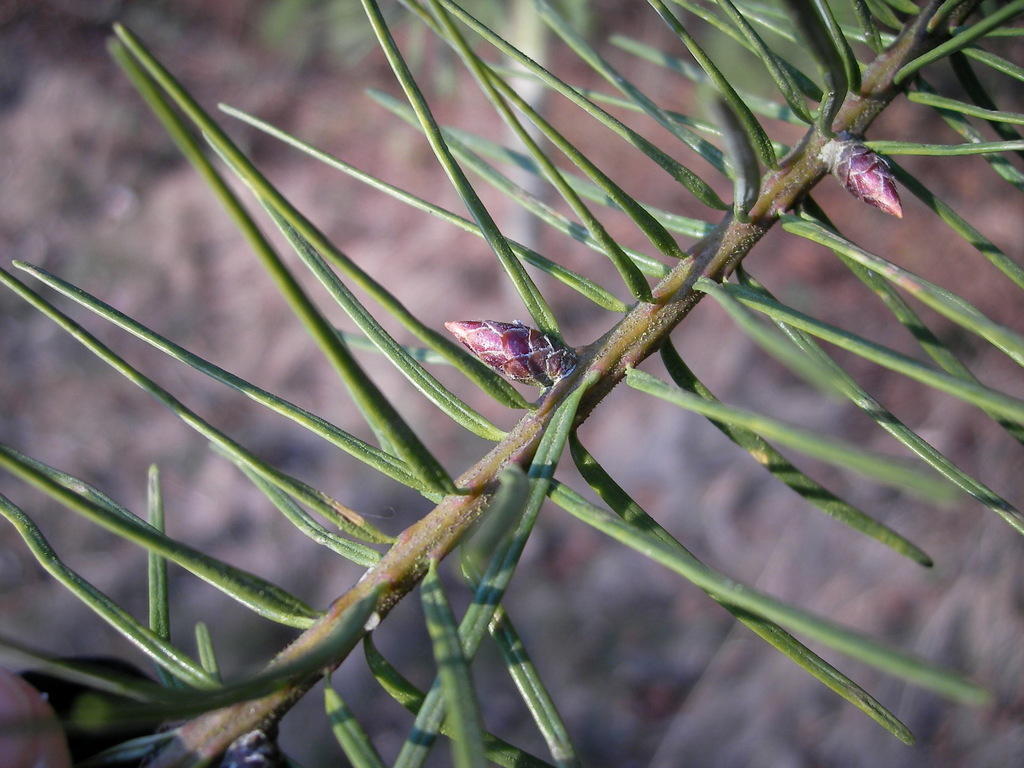
—observations
—countries
—peak records
Least ConcernConservation statusIUCN Red List categoriesLCNTVUENCREWEXLeast ConcernRed List categories, explained →
Diet & preyAutotrophic (Photosynthesis)
Predators
- Douglas-fir Beetle
- Spruce Budworm
- Porcupines
ThreatsWildfires, timber harvesting, severe drought, Douglas-fir beetle
HabitatsTemperate rainforests, montane coniferous forests, mixed woodlands
Life span500–1,000+ years
Classification
- OrderPinales
- FamilyPinaceae
- GenusPseudotsuga
- SpeciesPseudotsuga menziesii
Range data is not available yet.
Interaction riskLow
- Low
- Moderate
- High
- Very high
- Why interaction risk is low
- Safe to observe at a normal distance.
Responsible observation
- Cone Identification: Look for distinctive three-pronged bracts sticking out from under the cone scales.
- Bark Texture: Look for deep vertical furrows on mature trunks, which insulate the inner tree from fire.
- Scent Recognition: Gently crush fresh needles to detect a pleasant, sweet citrus and pine aroma.
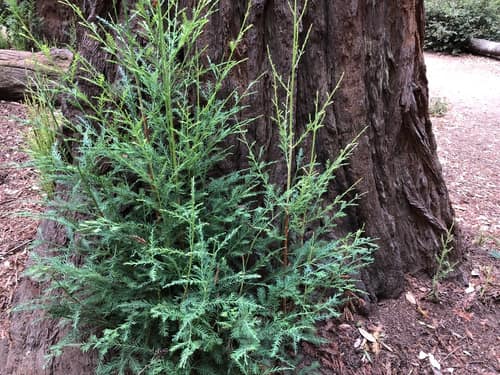
Forest Companion (c) Miguel Vieira, some rights reserved (CC BY), uploaded by Miguel Vieira · cc-by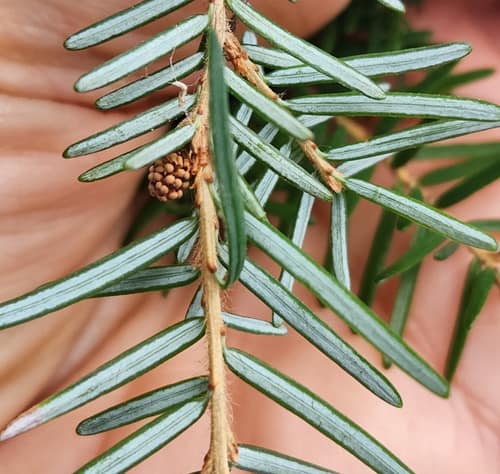
Successional Rival (c) Lyrae, some rights reserved (CC BY), uploaded by Lyrae · cc-by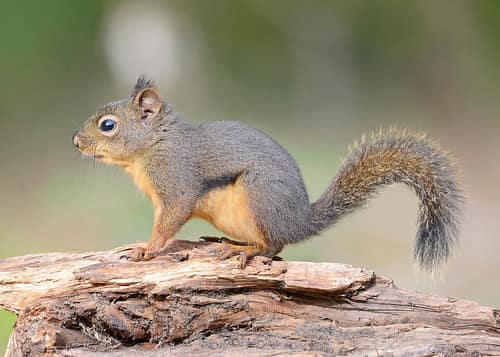
Seed Consumer VJAnderson / CC BY-SA 4.0 · cc-by-sa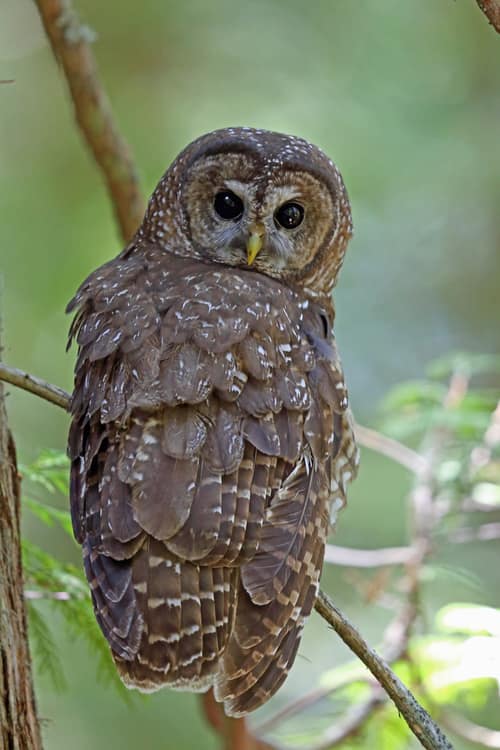
Canopy Resident (c) Nigel Voaden, some rights reserved (CC BY) · cc-by
Help improve the field guideSomething wrong?
Checking your Fauna account…Report a name, category, or profile issue for review.