Phenology: a year of noticing
The same patch of ground is a different place in April than in October. Phenology is the study of that timing, and keeping your own record is how the year stops blurring together.
Last updated
What phenology means
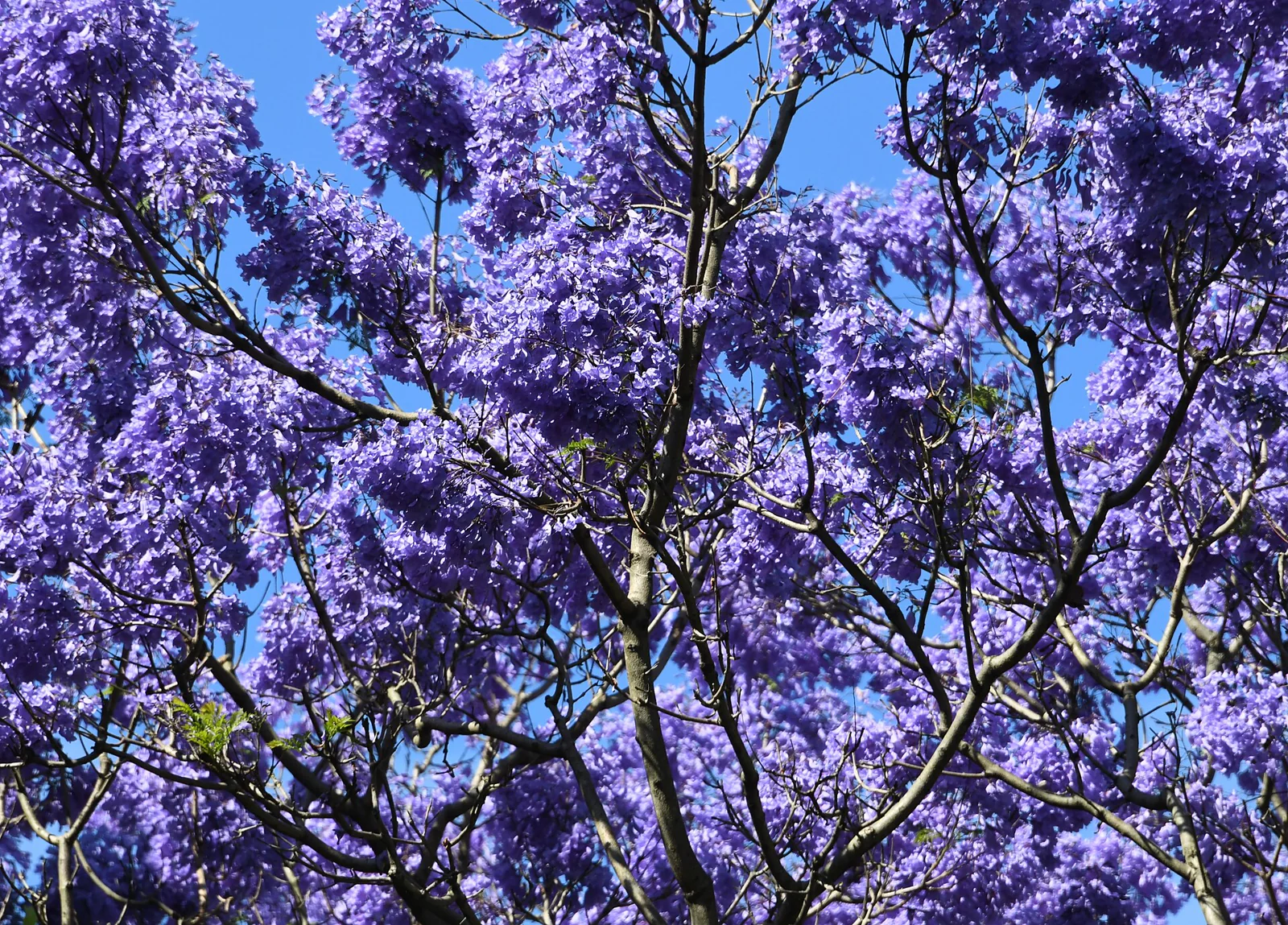
Phenology is the timing of recurring biological life events — leaf-out on oaks, willow bloom, amphibian breeding choruses, bird migration, autumn senescence — and how that timing shifts with seasonal day length, temperature accumulation, and rainfall. The USA National Phenology Network calls it nature's calendar, and tracking those linked pulses is the framework that turns scattered outdoor sightings into an ecological sequence you can anticipate. [1][2]
- Focus on observable life-stage transitions such as breaking leaf buds, open pollen, calling frogs, or carrying nest material
- Watch how consumer activity tracks food pulses, such as warbler arrivals coinciding with spring caterpillar emergence
- Record both the date a stage starts and when it peaks or ends
The shape of the year
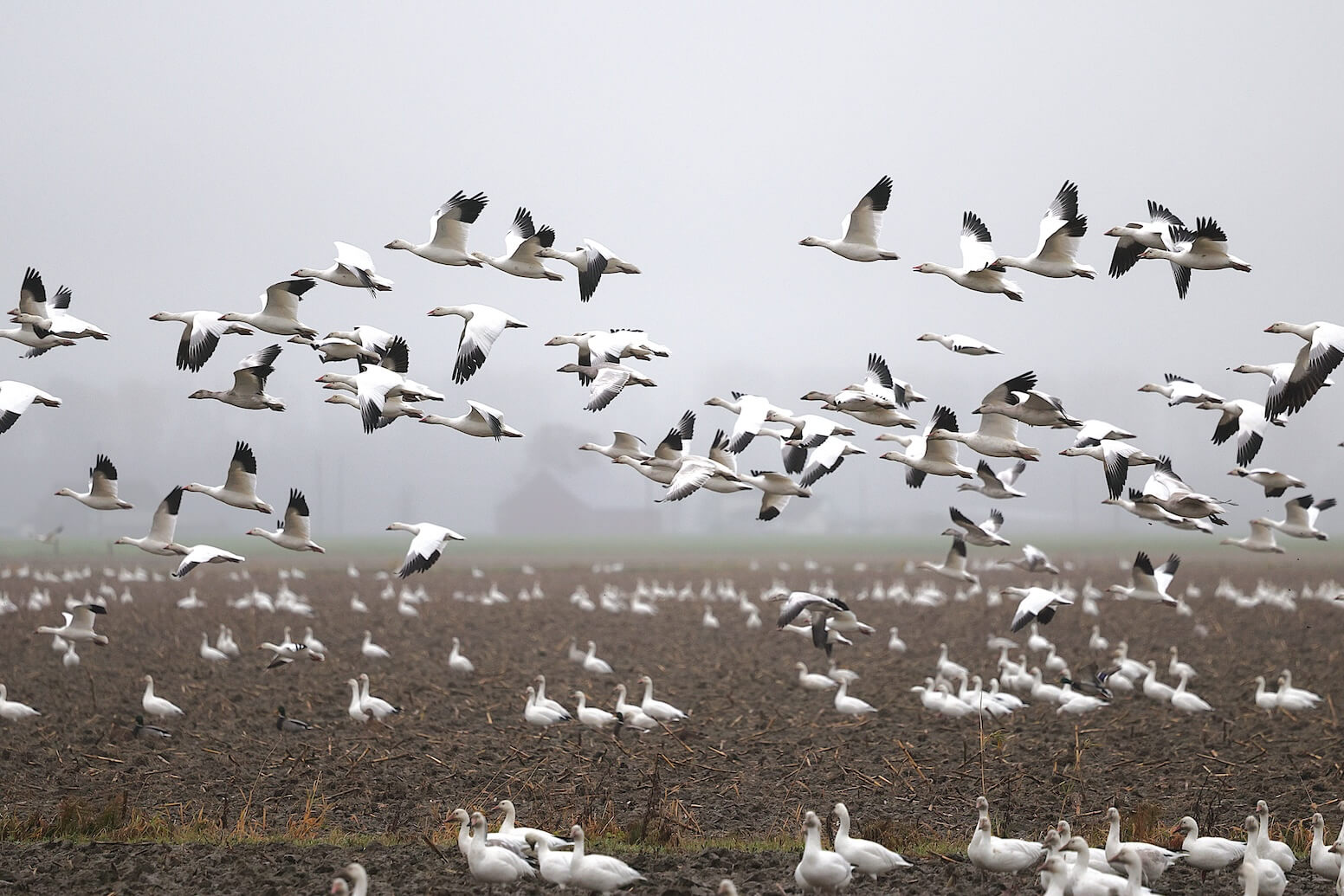
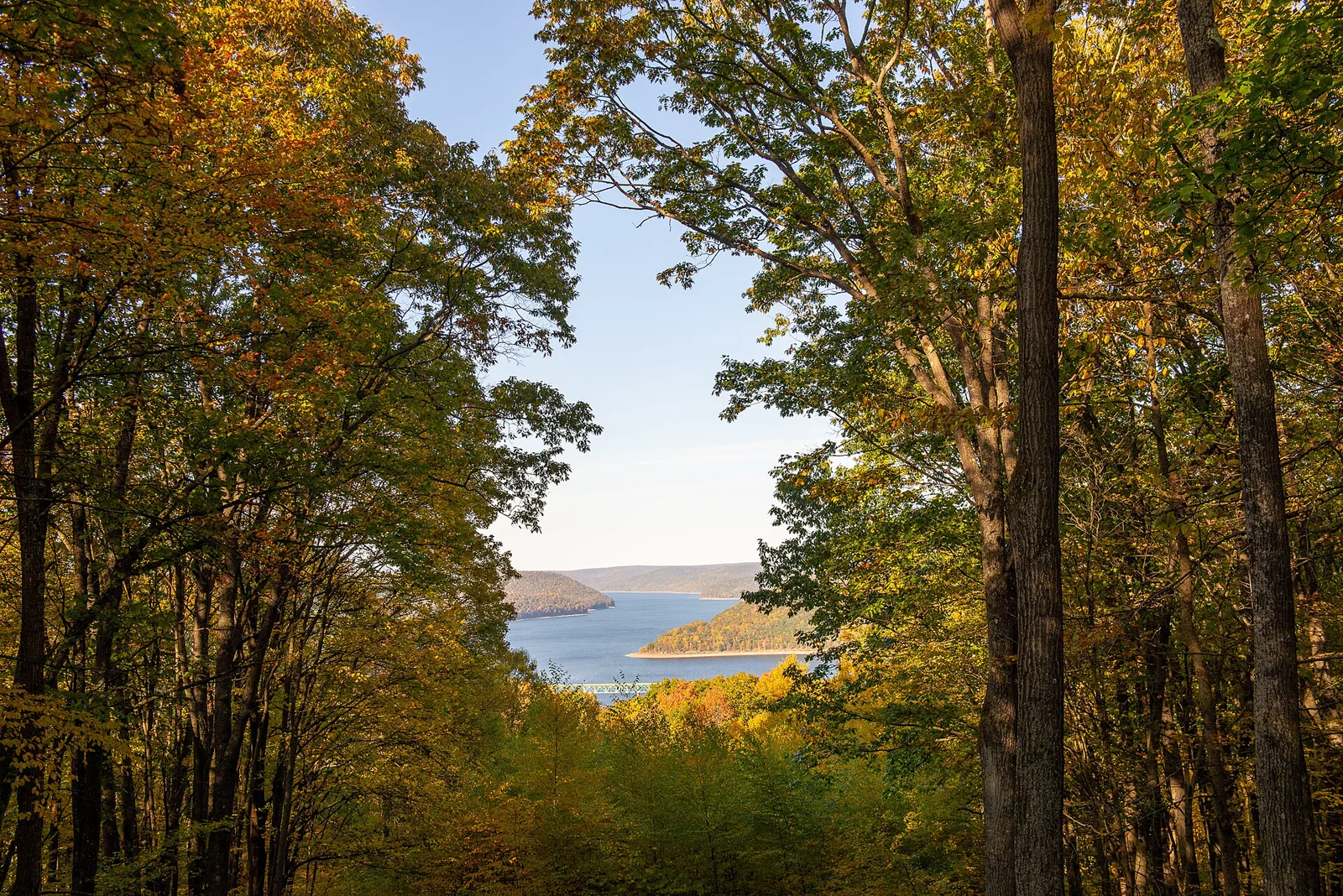
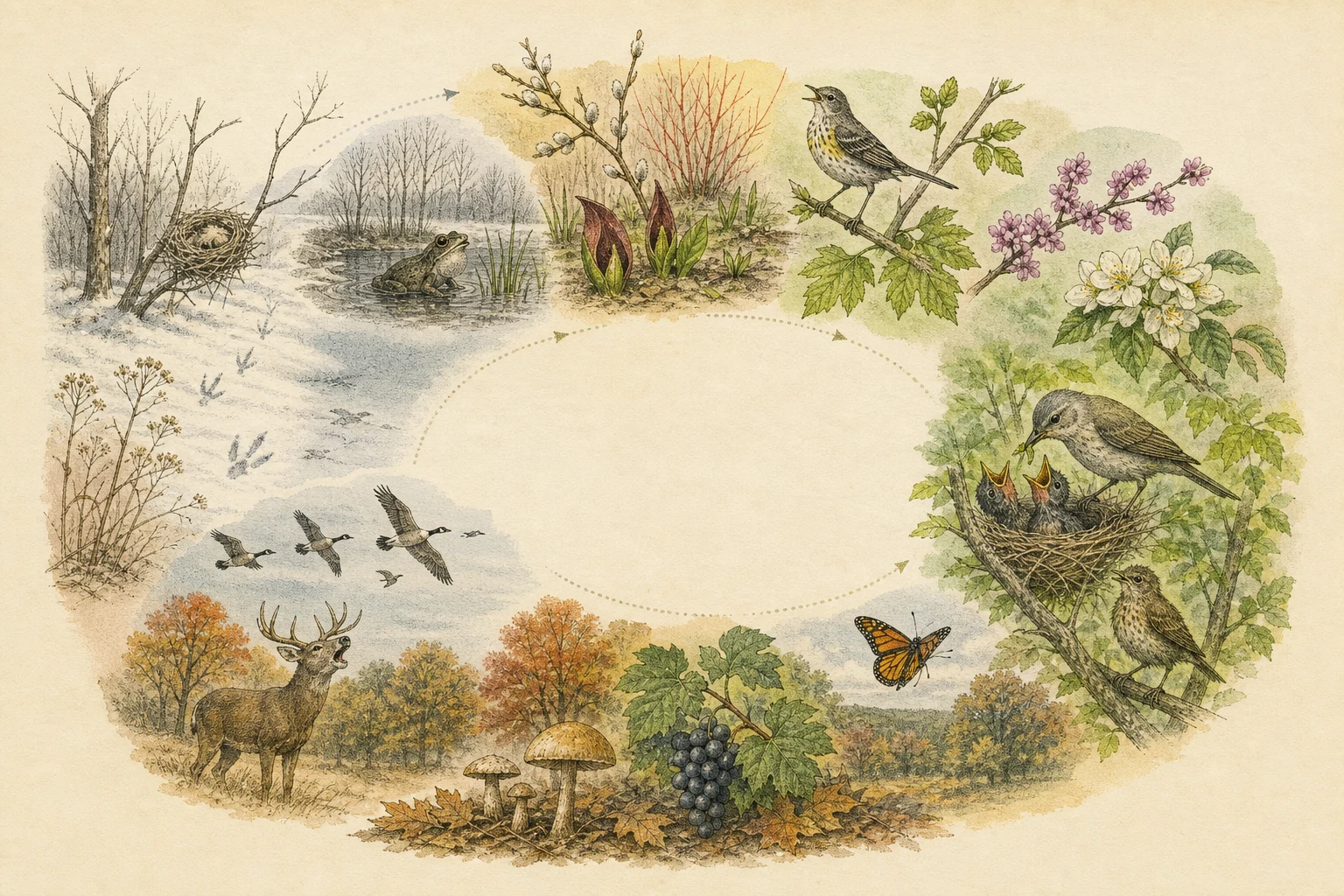
In northern temperate regions, late winter and spring often bring amphibian calls, leaf-out, flowering, and returning migrants; summer brings breeding and fledging; autumn brings fruiting, fungi, rut, and departures; winter can expose tracks and nests. This is only a template: latitude, elevation, rainfall, and hemisphere shift or reverse the sequence. Build your local calendar from repeated observations. [1][2][3]
- Northern temperate examples:
- Late winter / early spring: first calls, first leaves, first blooms
- Spring: arrivals, nesting, the dawn chorus at full volume
- Summer: fledglings, insects, flowering at its peak
- Autumn: departures, fruit and fungi, rutting mammals
- Winter: tracks in snow, visible nests, resident birds at feeders
Keep the record
The method matters less than the repetition. Nature's Notebook exists so observations follow a standard protocol, which makes them comparable across years and scientifically useful beyond your own notebook. Choose a few individual trees, shrubs, or animal species along a regular walk and note the date, the exact place, and whether each stage — breaking buds, first open flower, first heard, last seen — is present or absent. Meaningful comparisons begin after a full annual cycle and sharpen with every additional year. [1]
- Monitor the exact same individual trees or pond edge on each visit so microclimate stays constant
- Record 'no' (not yet leafed out or not heard) on early visits so the transition window is bracketed cleanly
- Pair dates with recent weather notes such as a warm rain or late frost
Compare notes
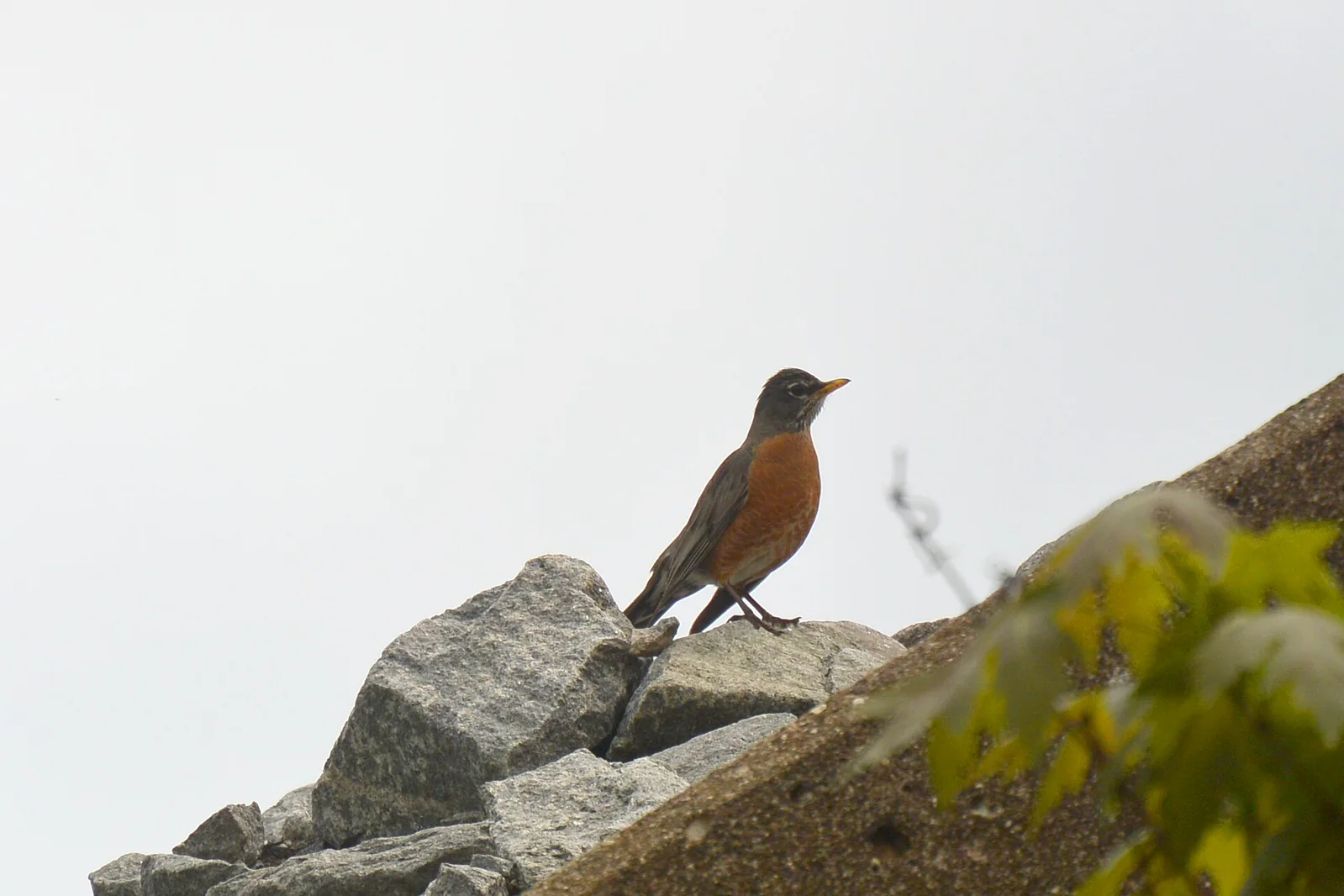
Use regional almanacs for local timing and citizen-science projects for broader comparisons. Journey North has tracked North American seasonal movements—including monarch butterflies, hummingbirds, and American robins—since 1994 and moved to Monarch Joint Venture in 2025; Mass Audubon's almanac is specifically Massachusetts. Outside North America, the Woodland Trust's Nature's Calendar collects the same kind of first-leaf, first-flower, and first-sighting dates across the UK, in a record reaching back to 1736. Prefer a source from your own region when one exists. [3][4][5]
- Check regional phenology networks like USA-NPN, Journey North, or the UK's Nature's Calendar to see when waves approach your latitude
- Remember that urban heat islands, elevation, and coastal proximity can shift local dates by weeks
- Contribute your own standardized dates so long-term climate and migration datasets stay complete
Related guides
Get Fauna and identify it in the field.
Where this guide comes from
Source-checked editorial guide. Last updated . This guide teaches identification and field skills; it is not a substitute for expert verification when it matters.