
Invertebrate · GBIF taxon 8909595
Spinycheek Crayfish
Faxonius limosusAlso known as Spiny-cheeked Crayfish, Kamberkrebs, Spiny Crayfish
Spinycheek crayfish thrive in murky streams, lakes, and slow-moving rivers where they hide under rocks and submerged logs during the day. Small sharp spines on the cheeks in front of the carapace groove and dark reddish-brown bands on the tail segments make them distinct. In Europe, where they were introduced in the late 19th century, they act as carriers for crayfish plague, severely impacting native European crayfish populations.
FreshwaterCrustaceanInvasive
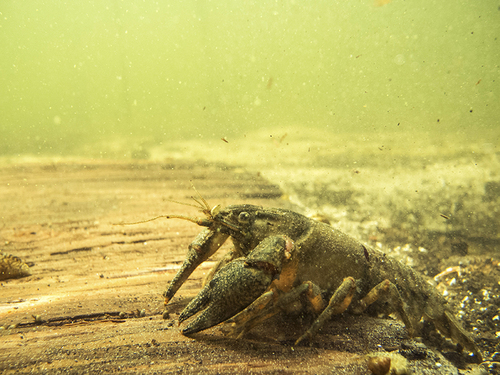
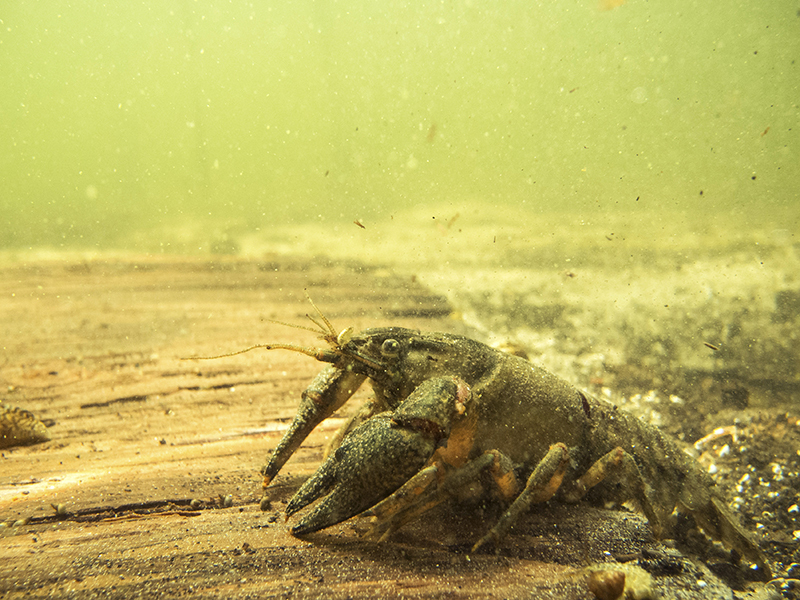
—observations
—countries
—peak records
Least ConcernConservation statusIUCN Red List categoriesLCNTVUENCREWEXLeast ConcernRed List categories, explained →
Diet & prey
- Aquatic plants
- Macroinvertebrates
- Detritus
Predators
- Predatory fish
- Herons
- Otters
ThreatsLocal water pollution in native range; active eradication in Europe
HabitatsRivers, streams, lakes, ponds, reservoirs
Life span3–5 years
Size / weightNot available
Classification
- OrderDecapoda
- FamilyCambaridae
- GenusFaxonius
- SpeciesFaxonius limosus
Range data is not available yet.
Interaction riskLow
- Low
- Moderate
- High
- Very high
- Why interaction risk is low
- Large claws can deliver a sharp pinch; grasp carefully behind the carapace if handling.
Responsible observation
- Spotting: Search shallow muddy margins and under flat stones after sunset.
- Handling: Hold firmly from behind the shell to stay clear of defensive claws.
- Biosecurity: Clean waders and equipment to prevent spreading aquatic disease.
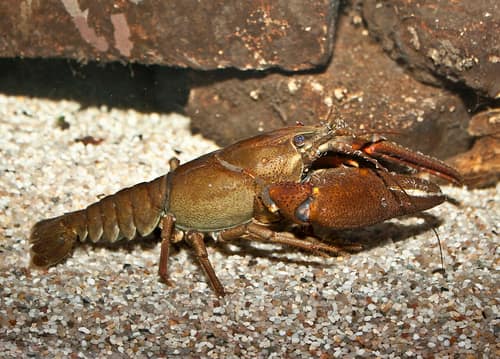
European Native Dragon187 / CC BY-SA 3.0 · cc-by-sa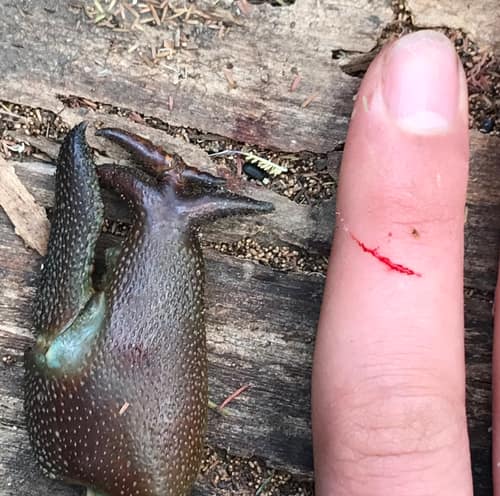
Invasive Competitor (c) Parsa Fard, some rights reserved (CC BY) · cc-by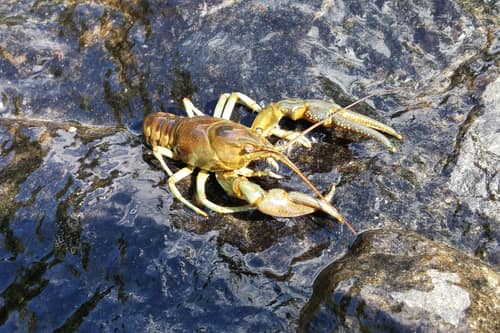
Close Relative (c) Kristof Zyskowski, some rights reserved (CC BY), uploaded by Kristof Zyskowski · cc-by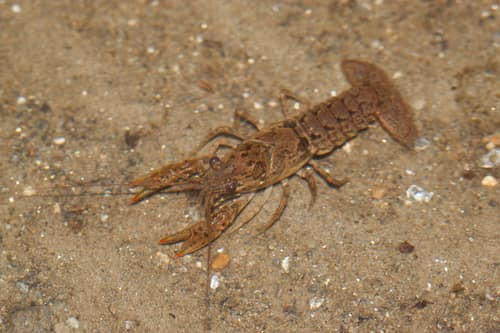
Close Relative no rights reserved, uploaded by Kent P. McFarland · cc0
Keep collecting in Fauna
Found in Collections
Species set Pro
Shore Life
Spinycheek Crayfish is found in this collection. Identify it in Fauna to fill this slot and continue your progress.
Unlock to track progress
Help improve the field guideSomething wrong?
Checking your Fauna account…Report a name, category, or profile issue for review.