
Invertebrate
Rusty Crayfish
Faxonius rusticusAlso known as Rusty Crawdad
Rusty crayfish are robust, highly combative freshwater decapod crustaceans renowned for their voracious appetites and fierce territorial defense. They actively clip aquatic macrophyte beds, stripping lake bottoms of protective cover and destabilizing native fish spawning grounds. Outside their native Ohio River basin, angler bait releases have fueled aggressive invasions across the Upper Midwest and Pacific Northwest, where they readily displace less aggressive native species.
FreshwaterInvasiveCrustacean
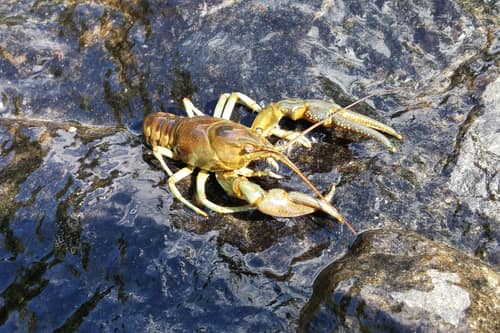
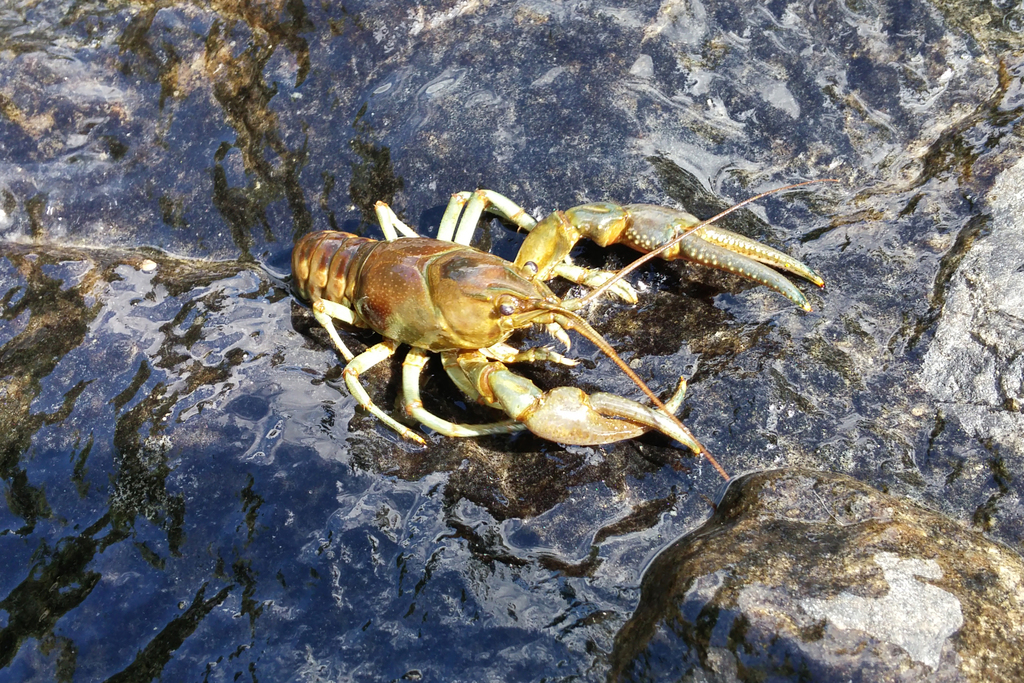
—observations
—countries
—peak records
Least ConcernConservation statusIUCN Red List categoriesLCNTVUENCREWEXLeast ConcernRed List categories, explained →
Diet & preyAquatic Snails, Mayfly Nymphs, Fish Eggs
Predators
- Smallmouth Bass
- River Otter
- Great Blue Heron
ThreatsPollution and siltation in native ranges, eradication efforts in invasive ranges
HabitatsRocky lakes, clear gravel-bottom streams, and rivers with abundant cover
Life span3–4 years
Classification
- OrderDecapoda
- FamilyCambaridae
- GenusFaxonius
- SpeciesFaxonius rusticus
Range data is not available yet.
Interaction riskLow
- Low
- Moderate
- High
- Very high
- Why interaction risk is low
- Pinchers can break skin when handled; pick up carefully behind the claws or observe without touching.
- Why it is dangerous
- Large chelae can pinch forcefully enough to break delicate skin and draw blood, though they carry no venom.
- How to recognize a risky encounter
- Look for distinctive rust-red patches on both sides of the carapace right where thumb and finger would grasp it.
- What to do
- If lifting out of the water, grip the mid-back carapace firmly from behind to stay clear of the raised claws.
Responsible observation
- Angler Disposal: Never release live bait crayfish into lakes or streams.
- Safe Grasping: Hold the carapace firmly right behind the claws to avoid painful pinches.
- Gear Inspection: Thoroughly wash and dry boats and live wells to stop transporting stowaways.
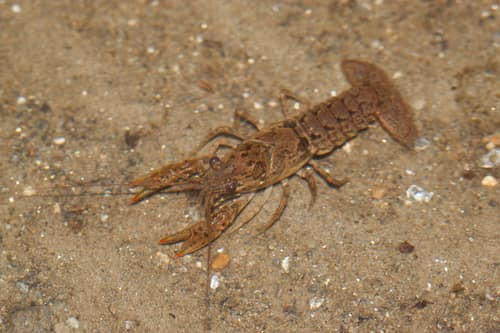
Competitor no rights reserved, uploaded by Kent P. McFarland · cc0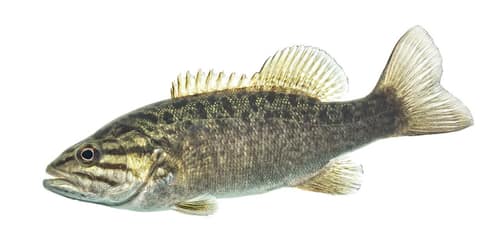
Predator USFWS Mountain Prairie / Public domain · cc0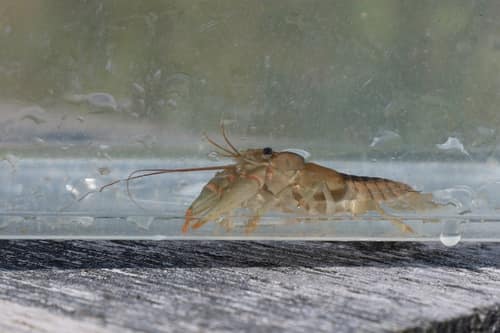
Close Relative (c) Cole Wolf, some rights reserved (CC BY) · cc-by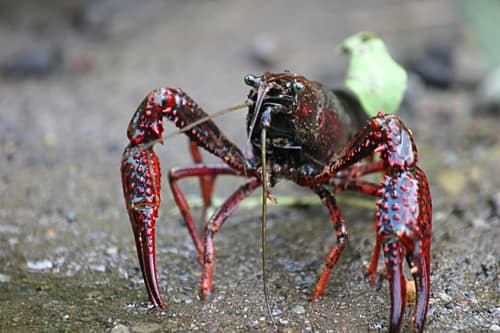
Same Family No machine-readable author provided. MikeMurphy assumed (based on copyright claims). / Public domain · cc0
Keep collecting in Fauna
Found in Collections
Species set Pro
Shore Life
Rusty Crayfish is found in this collection. Identify it in Fauna to fill this slot and continue your progress.
Unlock to track progress
Help improve the field guideSomething wrong?
Checking your Fauna account…Report a name, category, or profile issue for review.