
Invertebrate
Northern Crayfish
Faxonius virilisAlso known as Virile Crayfish, Eastern Crayfish, Lake Crayfish, Common Crawfish
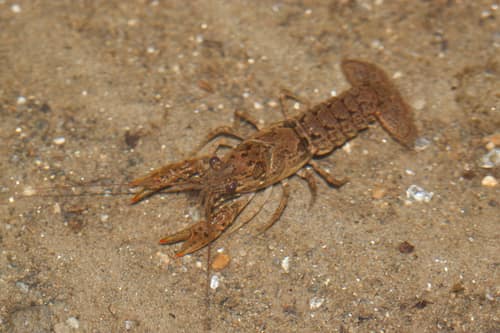
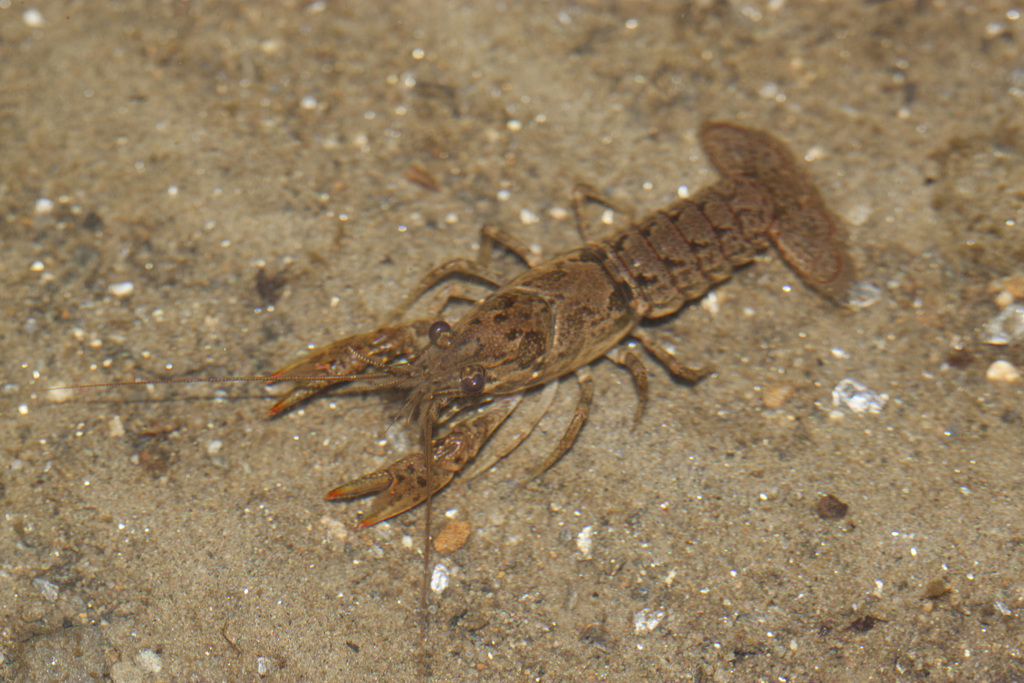
Northern crayfish are robust freshwater crustaceans recognizable by their olive-green to reddish-brown bodies and distinctively large, blue-tinged claws dotted with yellowish bumps. Active primarily at night, they seek refuge under flat stones and submerged timber during the day to evade predators and conserve energy. As opportunistic omnivores, they play a critical ecological role by shredding fallen leaves and controlling aquatic invertebrate populations.
AquaticCrustaceanFreshwater
—observations
—countries
—peak records
Least ConcernConservation statusIUCN Red List categoriesLCNTVUENCREWEXLeast ConcernRed List categories, explained →
Diet & preyAquatic Insects, Aquatic Plants, Detritus
Predators
- Smallmouth Bass
- Great Blue Heron
- Raccoon
ThreatsInvasive crayfish competition, water pollution, habitat alteration
HabitatsLakes, rivers, streams, and ponds with rocky or debris-strewn bottoms
Life span3–4 years
Classification
- OrderDecapoda
- FamilyCambaridae
- GenusFaxonius
- SpeciesFaxonius virilis
Range data is not available yet.
Interaction riskLow
- Low
- Moderate
- High
- Very high
- Why interaction risk is low
- Large claws can deliver a painful pinch if handled; observe safely in the water.
Responsible observation
- Observation: Search shallow water margins at night using a flashlight to spot active individuals.
- Identification: Look for large blue-tinted claws with prominent yellow bumps along the inner margins.
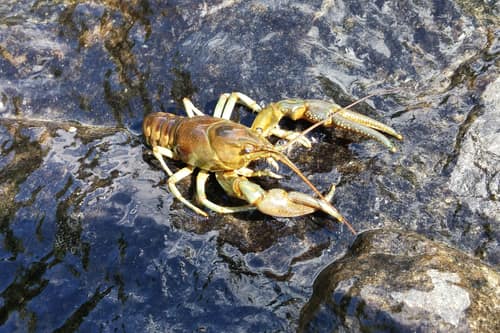
Competitor (c) Kristof Zyskowski, some rights reserved (CC BY), uploaded by Kristof Zyskowski · cc-by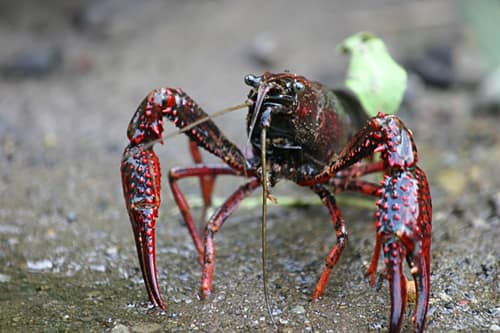
Competitor No machine-readable author provided. MikeMurphy assumed (based on copyright claims). / Public domain · cc0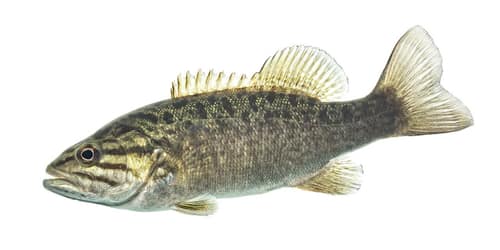
Predator USFWS Mountain Prairie / Public domain · cc0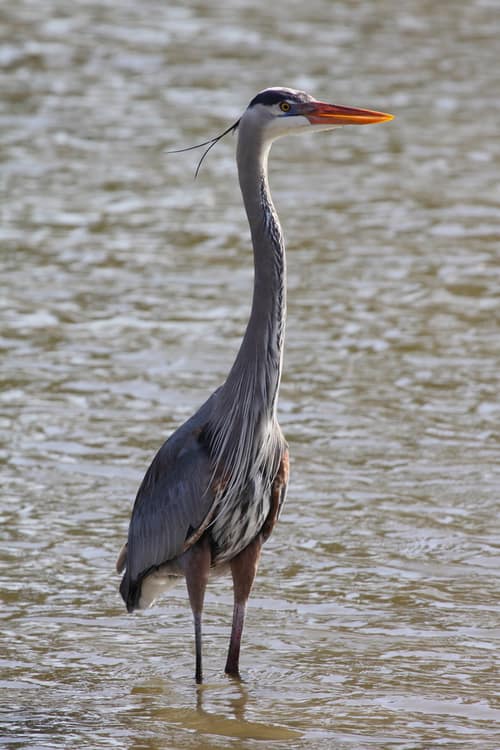
Predator (c) Basar, some rights reserved (CC BY-SA) · cc-by-sa
Keep collecting in Fauna
Found in Collections
Species set Pro
Shore Life
Northern Crayfish is found in this collection. Identify it in Fauna to fill this slot and continue your progress.
Unlock to track progress
Help improve the field guideSomething wrong?
Checking your Fauna account…Report a name, category, or profile issue for review.