
Invertebrate
Noble Crayfish
Astacus astacusAlso known as European Crayfish, Broad-fingered Crayfish
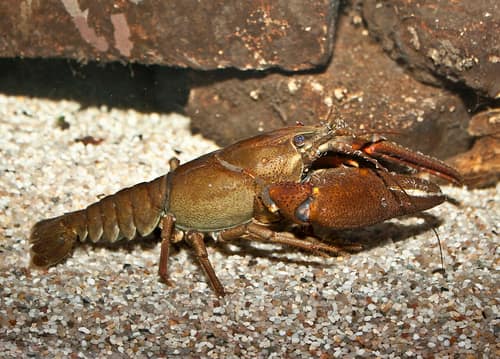
Noble crayfish inhabit clean, oxygen-rich rivers and lakes across Europe, digging shallow burrows along muddy banks or sheltering beneath submerged stones. Active primarily at night, they forage on detritus, water plants, and small invertebrates while playing a vital role in aquatic nutrient cycling. Severe declines have occurred over the past century due to habitat degradation and the introduced fungal crayfish plague.
AquaticFreshwaterNocturnal

—observations
—countries
—peak records
VulnerableConservation statusIUCN Red List categoriesLCNTVUENCREWEXVulnerableRed List categories, explained →
Diet & preyAquatic Insects, Water Plants, Detritus
Predators
- Eurasian Otter
- Northern Pike
- Grey Heron
ThreatsCrayfish plague pathogen, invasive alien crayfish species, aquatic pollution
HabitatsUnpolluted streams, rivers, ponds, and lakes
Life span15–20 years
Classification
- FamilyAstacidae
- SpeciesAstacus astacus
Range data is not available yet.
Interaction riskLow
- Low
- Moderate
- High
- Very high
- Why interaction risk is low
- Large pincers can pinch painfully if handled; observe carefully in water.
- What to notice
- Recognizable by its dark brown body and broad pincers with reddish undersides and a reddish hinge joint.
- Support conservation
- Never relocate crayfish between water bodies and avoid disturbing submerged rocks where burrows exist.
Responsible observation
- Night Viewing: Search clear stream margins at dusk with a low-intensity flashlight to spot foraging individuals.
- Biosecurity Caution: Thoroughly dry and disinfect boots and water gear before moving between river systems to avoid spreading fungal spores.
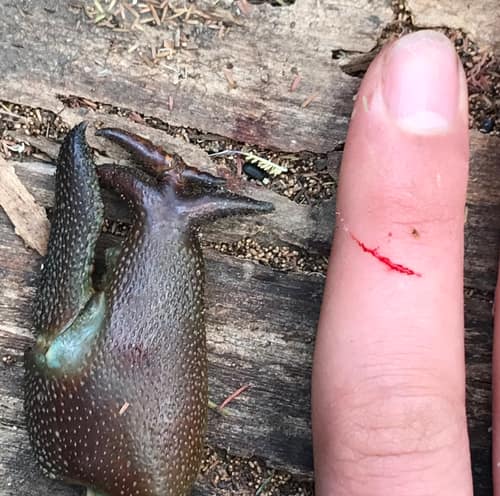
Invasive Competitor (c) Parsa Fard, some rights reserved (CC BY) · cc-by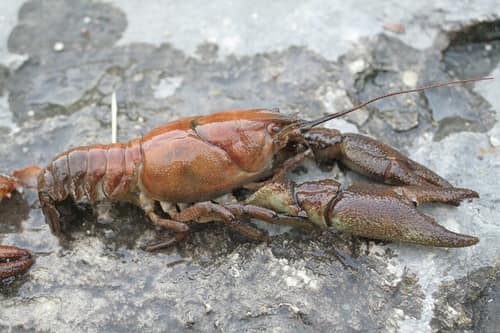
Close Relative David Gerke / CC BY-SA 3.0 · cc-by-sa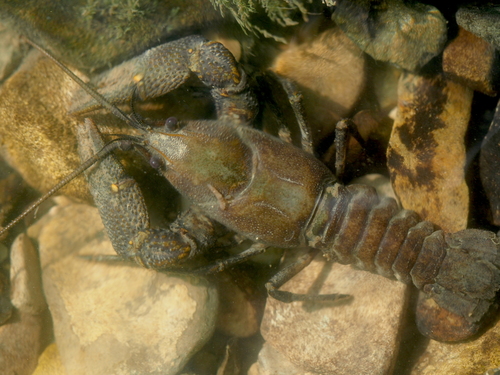
Close Relative (c) carnifex, some rights reserved (CC BY), uploaded by carnifex · cc-by
Help improve the field guideSomething wrong?
Checking your Fauna account…Report a name, category, or profile issue for review.