
Fungus · GBIF taxon 5240269
Caesar's Mushroom
Amanita caesareaAlso known as Caesar's Agaric, Royal Amanita
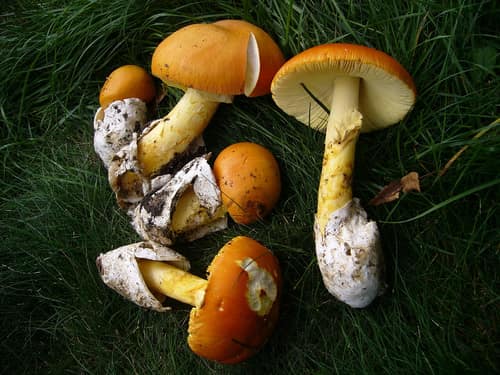
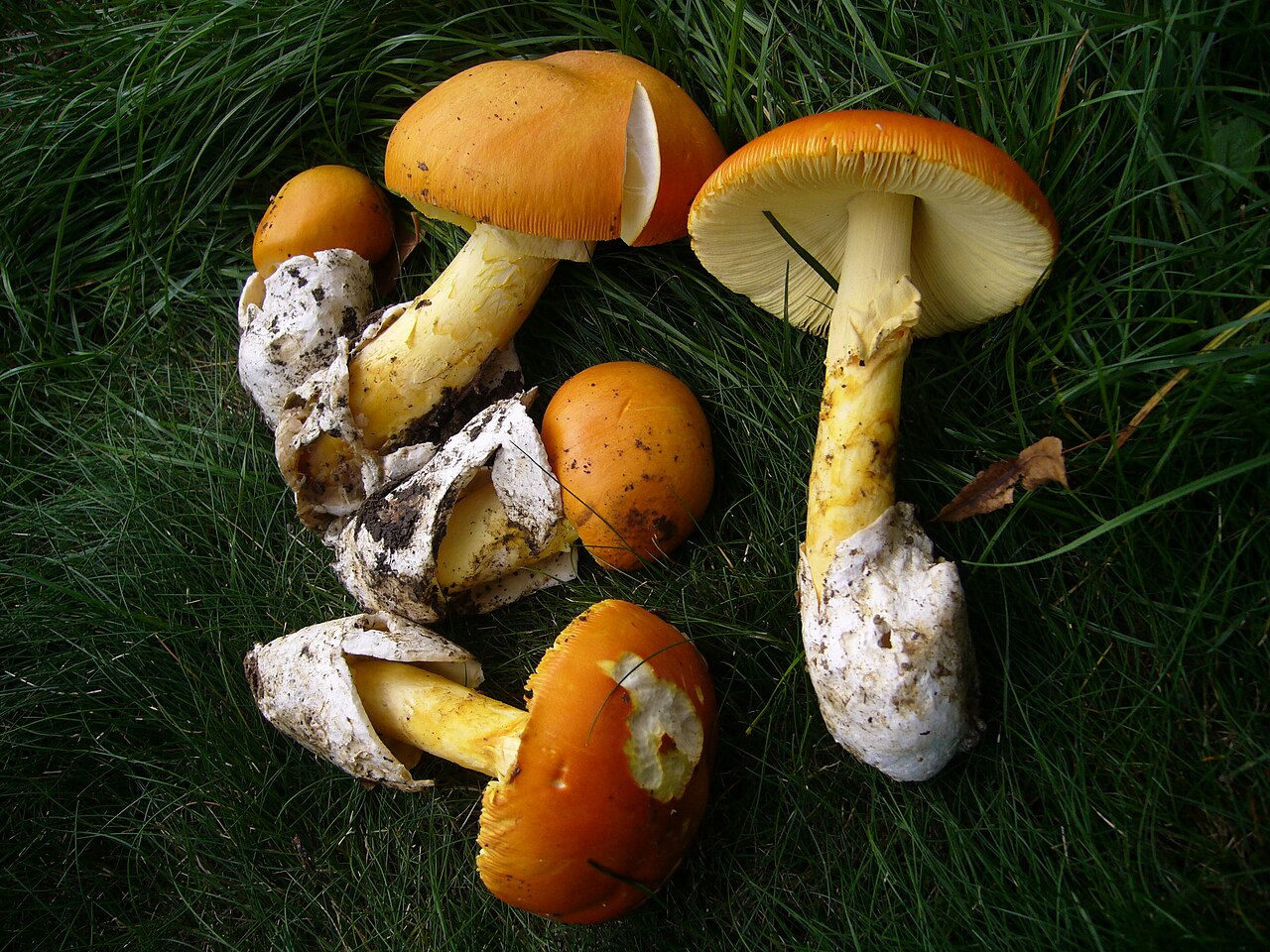
Caesar's mushroom emerges from a thick, egg-like white universal veil to reveal a brilliant orange cap with fine radial striations along its rim. Supported by a pale yellow stem adorned with a broad hanging ring and a sack-like volva at the base, it forms symbiotic relationships with broadleaf trees across warm southern European woodlands. Famed since antiquity, this fungus was frequently documented by ancient Roman writers for its striking appearance during late summer and autumn.
MycorrhizalForest DwellerOrange Cap
—observations
—countries
—peak records
Least ConcernConservation statusIUCN Red List categoriesLCNTVUENCREWEXLeast ConcernRed List categories, explained →
Diet & prey
- Mycorrhizal (symbiotic with broadleaf trees)
Predators
- Slugs
- Fungus Gnats
- Wild Boars
ThreatsHabitat destruction and soil compaction
HabitatsWarm oak, sweet chestnut, and pine woodlands
Life spanFruiting body lasts 1–2 weeks
Size / weightNot available
Classification
- FamilyAmanitaceae
- SpeciesAmanita caesarea
Range data is not available yet.
Interaction riskLow
- Low
- Moderate
- High
- Very high
- Why interaction risk is low
- Many edible mushrooms have toxic look-alikes; never eat wild fungi based on app identification alone.
Responsible observation
- Volva Inspection: Gently clear away soil around the stem base to inspect the white cup-like volva.
- Ring Check: Look for a prominent, hanging yellow ring below the cap on mature specimens.
- Habitat Notes: Seek out warm, sunlit open woodlands dominated by old oak or chestnut trees.
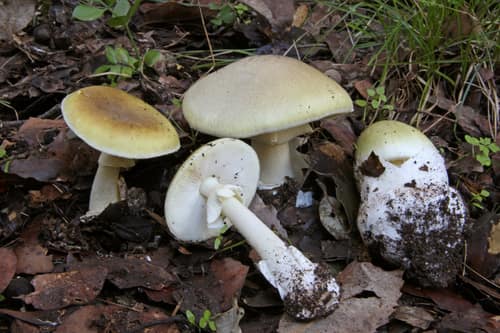
Toxic Look-Alike (c) Davide Puddu, some rights reserved (CC BY), uploaded by Davide Puddu · cc-by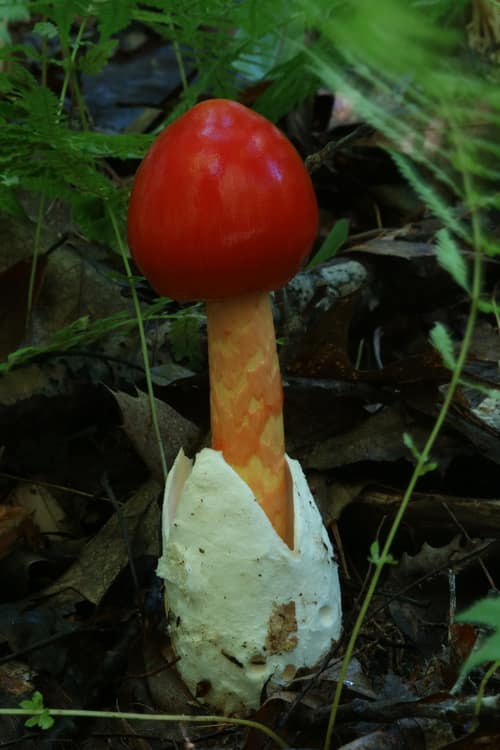
North American Counterpart no rights reserved, uploaded by Garrett Taylor · cc0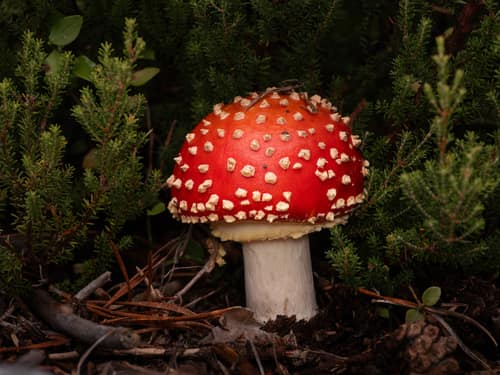
Close Relative (c) Borja Fierro, some rights reserved (CC BY), uploaded by Borja Fierro · cc-by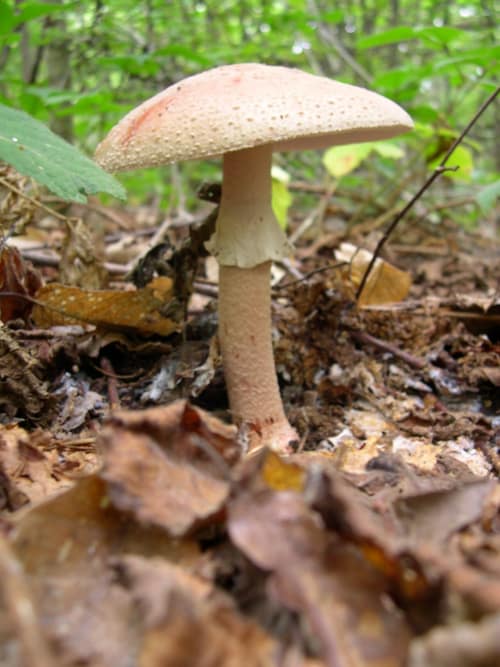
Genus Relative No machine-readable author provided. Archenzo assumed (based on copyright claims). / CC BY-SA 3.0 · cc-by-sa
Help improve the field guideSomething wrong?
Checking your Fauna account…Report a name, category, or profile issue for review.