
Fungus · GBIF taxon 5452395
Jackson's Slender Amanita
Amanita jacksoniiAlso known as American Slender Caesar, Eastern Caesar's Amanita, Jackson's Amanita
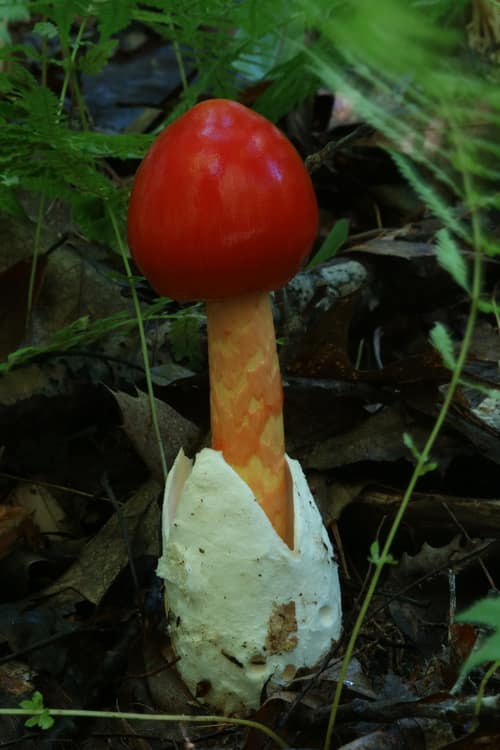
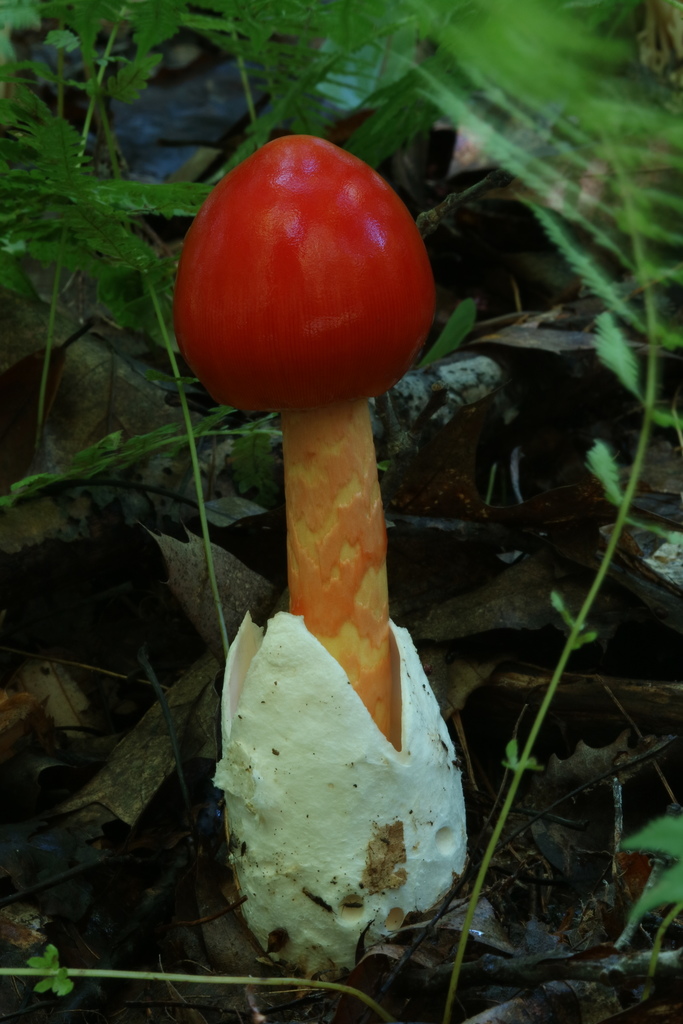
Jackson's slender amanita emerges from a prominent white cup-like volva as a bright red-orange oval cap before expanding into a flattened striate disk up to 12 centimeters across. The yellow gills underneath are free from the stem, which is adorned with yellow-orange fibrillose patches and a hanging ring. This mycorrhizal fungus forms vital subterranean associations with oaks and pines across eastern North America during warm, humid summer months.
FungusMycorrhizalForest Floor
—observations
—countries
—peak records
Not EvaluatedConservation statusIUCN Red List categoriesLCNTVUENCREWEXNot Evaluated — not placed on the risk ladderRed List categories, explained →
Diet & prey
- Mycorrhizal (absorbs nutrients via tree root symbiosis)
Predators
- Slugs
- Fungus Gnats
- Squirrels
ThreatsDeforestation, soil compaction, and host tree decline
HabitatsDeciduous and mixed oak-pine forests
Life spanPerennial mycelium; fruiting caps last 3–7 days
Size / weightNot available
Classification
- OrderAgaricales
- FamilyAmanitaceae
- GenusAmanita
- SpeciesAmanita jacksonii
Range data is not available yet.
Interaction riskHigh
- Low
- Moderate
- High
- Very high
- Why interaction risk is high
- Many edible mushrooms have toxic look-alikes; never eat wild fungi based on app identification alone.
Responsible observation
- Examine the Base: Look carefully for the sac-like white volva buried near the soil surface.
- Check the Cap Edges: Observe the distinct parallel grooves lining the rim of the cap.
- Photograph in Place: Capture the yellow gills, stem ring, and base without disturbing the buried mycelium.
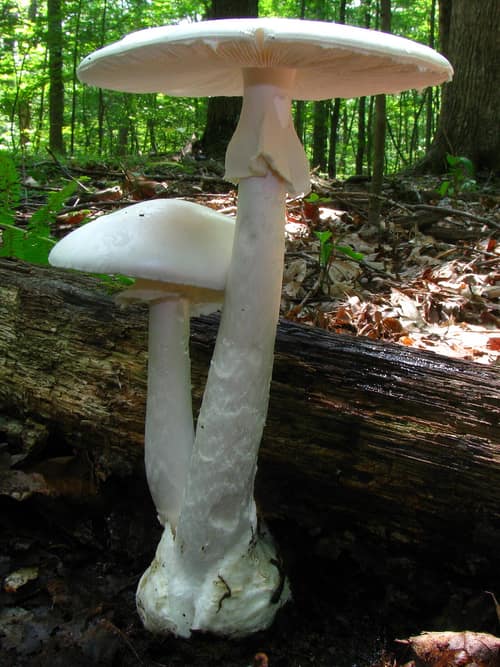
Lethal Look-Alike Dan Molter (shroomydan) / CC BY-SA 3.0 · cc-by-sa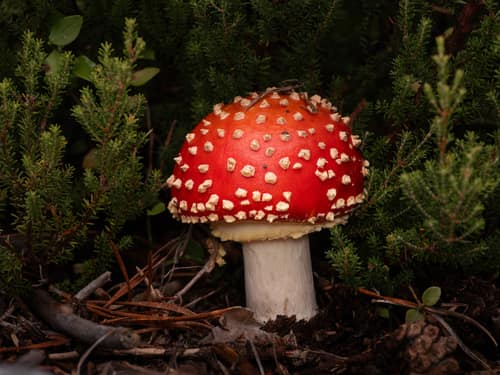
Genus Member (c) Borja Fierro, some rights reserved (CC BY), uploaded by Borja Fierro · cc-by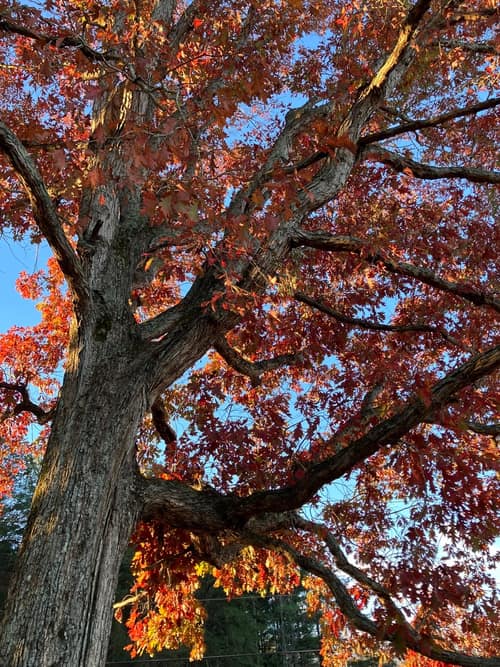
Mycorrhizal Host (c) Alicia Ballard, some rights reserved (CC BY) · cc-by
Keep collecting in Fauna
Found in Collections
Species set Pro
Fungi Forager
Jackson's Slender Amanita is found in this collection. Identify it in Fauna to fill this slot and continue your progress.
Unlock to track progress
Help improve the field guideSomething wrong?
Checking your Fauna account…Report a name, category, or profile issue for review.