
Fungus
Death Cap
Amanita phalloidesAlso known as Death Cap Mushroom, Green Death Cap
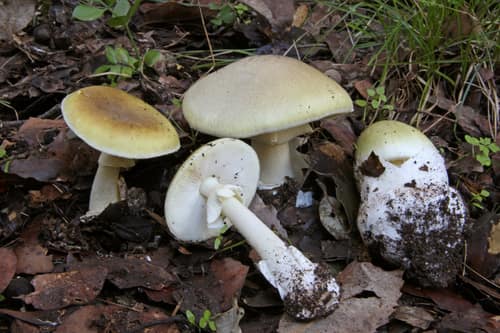
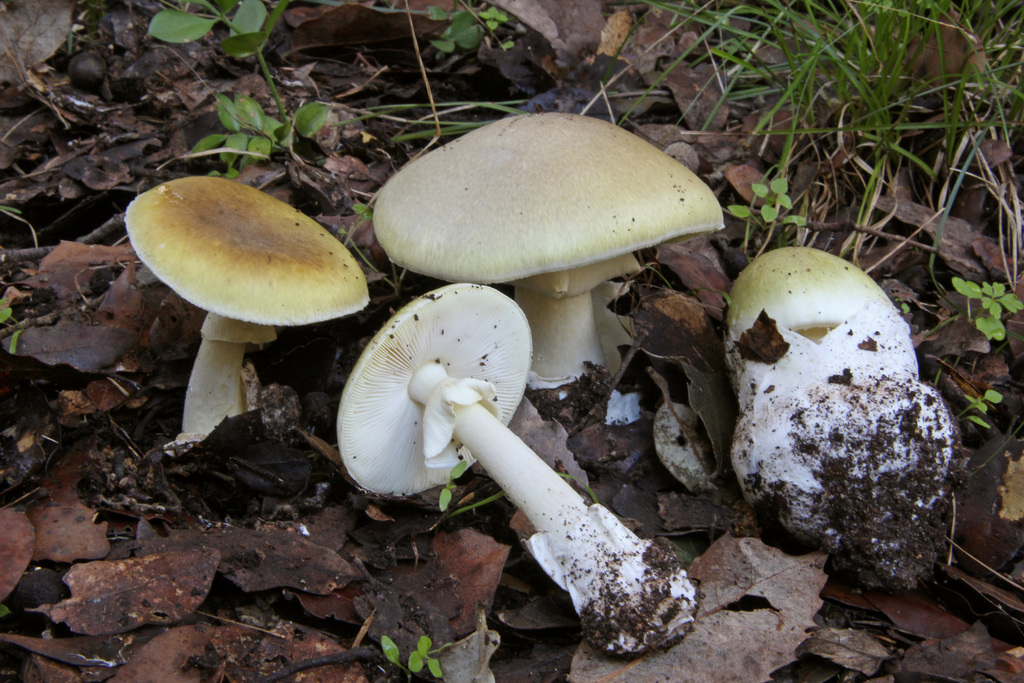
Death cap mushrooms emerge in late summer and autumn beneath broadleaved trees like oaks and chestnuts, forming vital underground mycorrhizal partnerships with their host roots. Smooth caps range from pale olive-green to yellowish brown, featuring broad white gills beneath and a distinctive cup-like volva hidden at the base of the stem. Responsible for the vast majority of fatal mushroom poisonings worldwide, this species synthesizes potent amatoxins that withstand both cooking and freezing.
ToxicFungusMycorrhizal
—observations
—countries
—peak records
Not EvaluatedConservation statusIUCN Red List categoriesLCNTVUENCREWEXNot Evaluated — not placed on the risk ladderRed List categories, explained →
Diet & preyMycorrhizal
Predators
- Slugs
- Fungus Gnats
- Squirrels
ThreatsHabitat clearing, host tree decline
HabitatsDeciduous woodlands, mixed forests, parks with host trees
Life spanPerennial mycelium; fruiting body lasts 1–2 weeks
Classification
- OrderAgaricales
- FamilyAmanitaceae
- GenusAmanita
- SpeciesAmanita phalloides
Range data is not available yet.
Interaction riskHigh
- Low
- Moderate
- High
- Very high
- Why interaction risk is high
- Extremely deadly if ingested and has toxic look-alikes; never eat wild fungi based on app identification alone.
- Why it is dangerous
- Contains deadly amatoxins that destroy liver and kidney tissue, often causing delayed organ failure days after ingestion.
- How to recognize a risky encounter
- Look for an olive to yellowish-green cap, white gills, a tissue-like skirt on the stem, and a broad cup-like volva at the base.
- What to do
- Do not ingest any portion of this fungus, and keep pets and children clear of foraging areas where it grows.
Responsible observation
- Visual ID: Examine the yellowish-green cap, white gills, and stem skirt without needing to consume or harvest.
- Expose the Base: Gently scrape away leaf litter to check for the telltale cup-like volva at the stem base.
- Hand Hygiene: Wash hands after handling specimens to prevent accidental ingestion of spores or tissue.
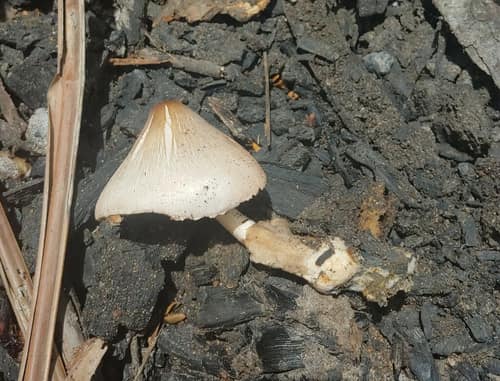
Look-Alike (c) Kurt Miller, some rights reserved (CC BY-SA) · cc-by-sa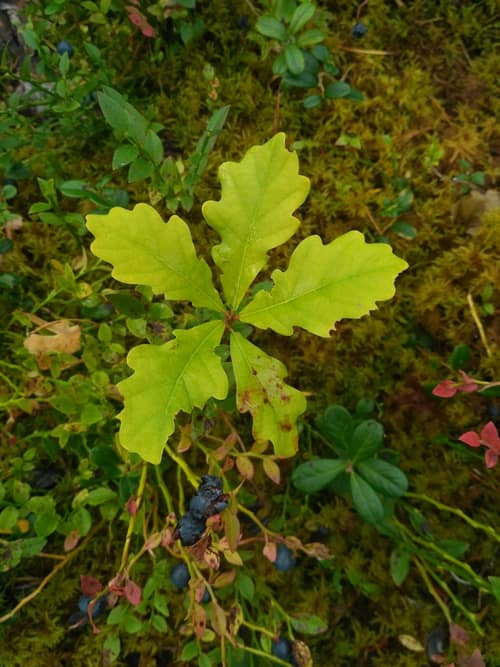
Host Tree (c) Natalya Ivanova, some rights reserved (CC BY) · cc-by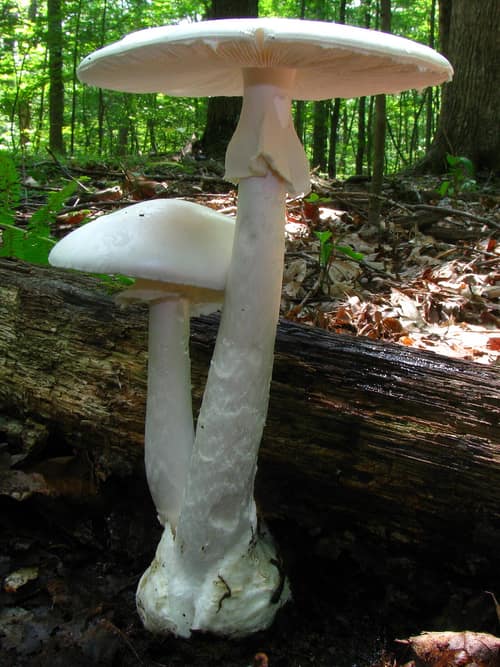
Close Relative Dan Molter (shroomydan) / CC BY-SA 3.0 · cc-by-sa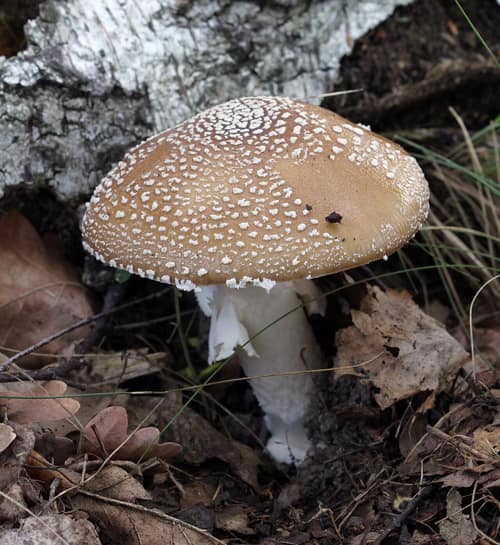
Close Relative George Chernilevsky / Public domain · cc0
Keep collecting in Fauna
Found in Collections
Species set Pro
Fungi Forager
Death Cap is found in this collection. Identify it in Fauna to fill this slot and continue your progress.
Unlock to track progress
Help improve the field guideSomething wrong?
Checking your Fauna account…Report a name, category, or profile issue for review.