
Insect
Florida Predatory Stink Bug
Euthyrhynchus floridanusFlorida predatory stink bugs use a sharp, piercing rostrum to inject paralyzing saliva into caterpillars, beetles, and other crop pests before drinking their fluids. Newly hatched red-and-black nymphs often hunt cooperatively in small packs, allowing them to subdue prey much larger than a single nymph. Females lay clusters of barrel-shaped eggs on leaves, and adults display metallic blue-black and orange-red warning colors backed by defensive scent glands.
PredatoryColorfulBeneficial
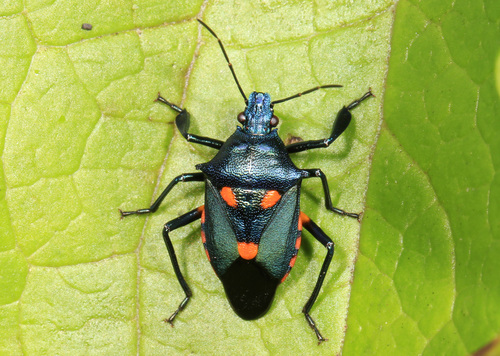
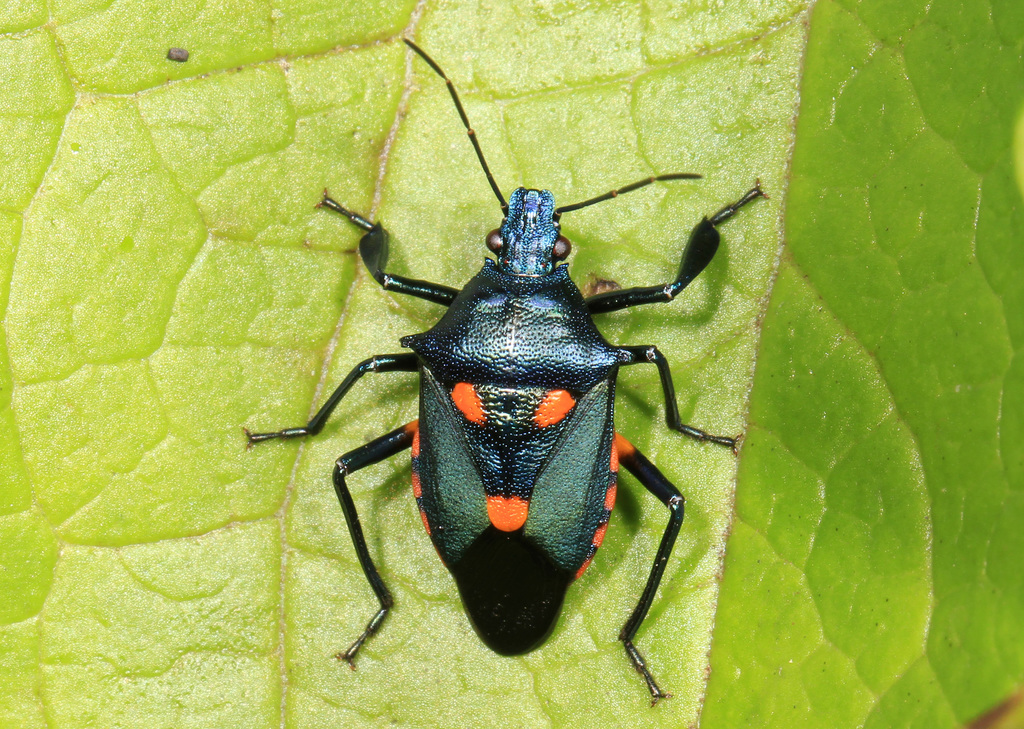
—observations
—countries
—peak records
Not EvaluatedConservation statusIUCN Red List categoriesLCNTVUENCREWEXNot Evaluated — not placed on the risk ladderRed List categories, explained →
Diet & preyCaterpillars, Leaf beetles, Weevils
Predators
- Birds
- Assassin bugs
- Spiders
ThreatsBroad-spectrum insecticides and habitat loss
HabitatsGardens, orchards, woodland edges, and shrubby fields in the southeastern United States
Life span2 to 4 months as an adult
Classification
- OrderHemiptera
- FamilyPentatomidae
- GenusEuthyrhynchus
- SpeciesEuthyrhynchus floridanus
Range data is not available yet.
Interaction riskLow
- Low
- Moderate
- High
- Very high
- Why interaction risk is low
- Safe to observe at a normal distance; may release a mild foul odor if handled.
Responsible observation
- Look on foliage: Search sunny garden plants, citrus trees, and shrubs where caterpillars gather.
- Spot the nymphs: Bright red and black young bugs often hunt together in groups on leaves.
- Avoid handling: Disturbing the bug triggers its scent glands, leaving a pungent odor on skin.
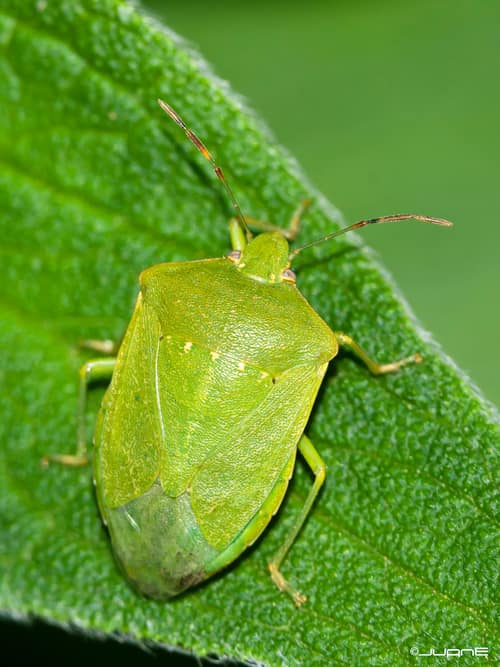
Prey (c) Juan Emilio, some rights reserved (CC BY-SA) · cc-by-sa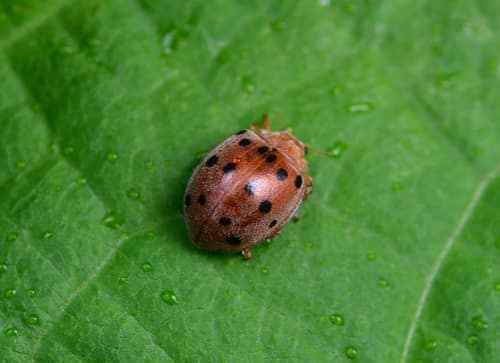
Prey (c) Neptalí Ramírez Marcial, some rights reserved (CC BY), uploaded by Neptalí Ramírez Marcial · cc-by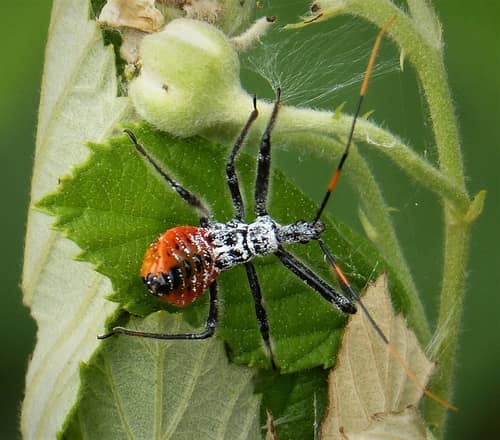
Competitor (c) gailhampshire, some rights reserved (CC BY) · cc-by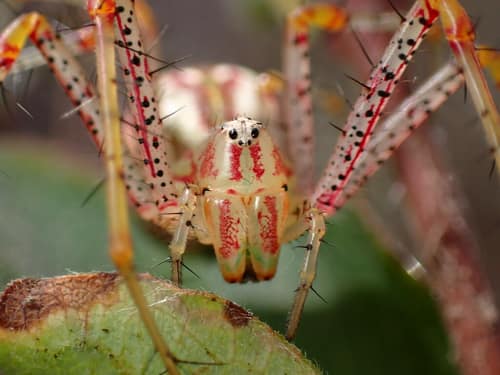
Predator (c) Cricket Raspet, some rights reserved (CC BY), uploaded by Cricket Raspet · cc-by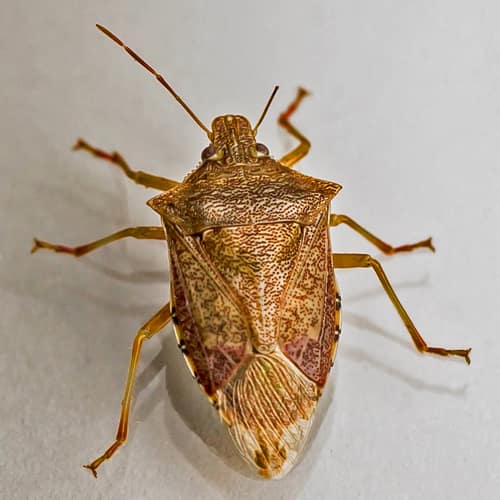
Same Family (c) Bill Keim, some rights reserved (CC BY) · cc-by
Help improve the field guideSomething wrong?
Checking your Fauna account…Report a name, category, or profile issue for review.