
Insect
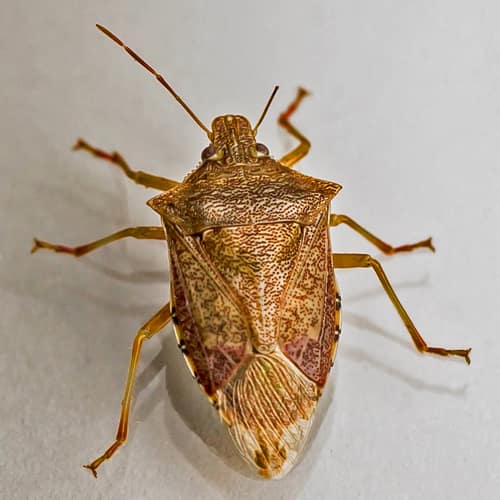
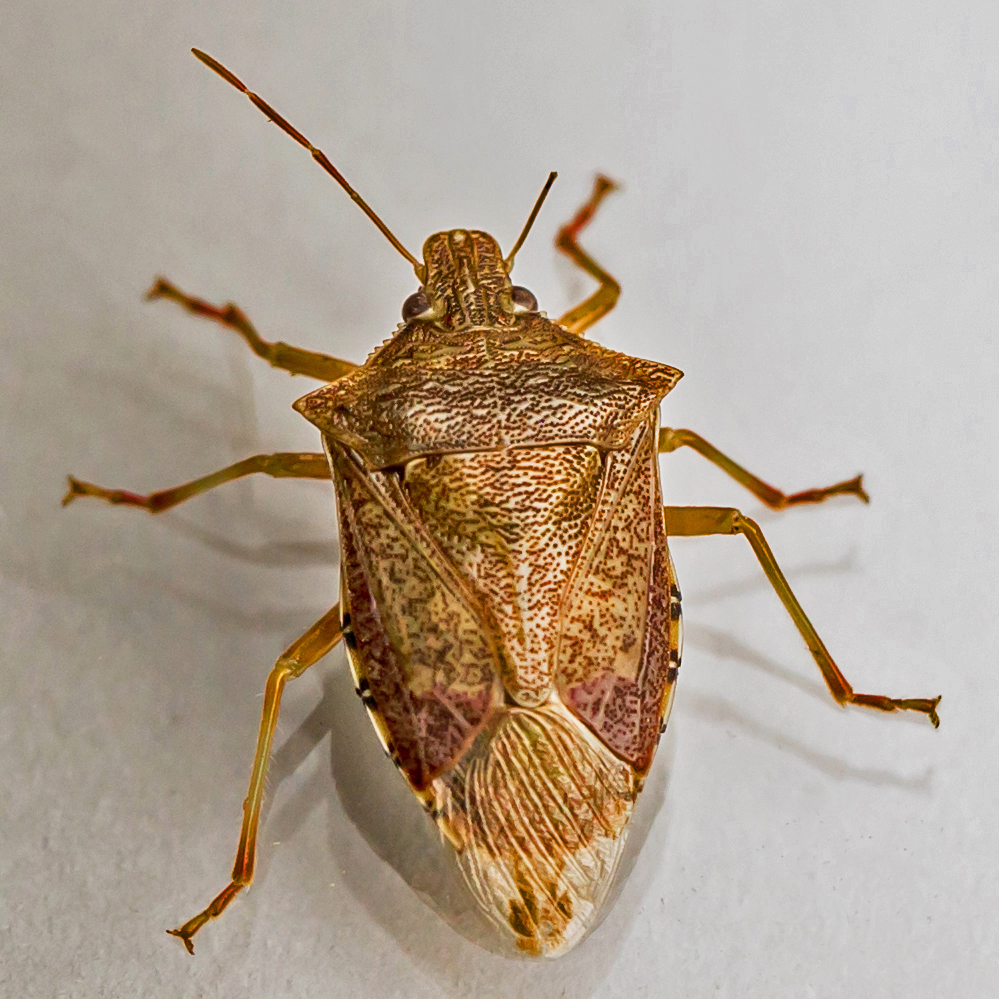
Spined Soldier Bug
Podisus maculiventrisAlso known as Predatory Stink Bug
Spined soldier bugs patrol foliage across North America in search of agricultural pests, paralyzing caterpillars and beetle larvae with a specialized sharp beak. Adults anchor themselves to leaves while injecting digestive enzymes into their prey, leaving behind hollowed-out insect shells. During winter, adults hibernate under leaf litter and loose bark before emerging in spring to lay clusters of golden-bronze eggs on crop leaves.
PredatoryBeneficial InsectGarden Ally
—observations
—countries
—peak records
Not EvaluatedConservation statusIUCN Red List categoriesLCNTVUENCREWEXNot Evaluated — not placed on the risk ladderRed List categories, explained →
Diet & preyCaterpillars, Beetle larvae, Sawfly larvae
Predators
- Songbirds
- Jumping spiders
- Toads
ThreatsBroad-spectrum chemical pesticide application
HabitatsGardens, agricultural fields, forest edges, meadows
Life span1 to 2 months (adult stage)
Classification
- OrderHemiptera
- FamilyPentatomidae
- GenusPodisus
- SpeciesPodisus maculiventris
Range data is not available yet.
Interaction riskLow
- Low
- Moderate
- High
- Very high
- Why interaction risk is low
- Safe to observe at a normal distance.
Responsible observation
- Garden Scouting: Check the undersides of leaves in vegetable patches to spot these beneficial hunters.
- Pesticide Avoidance: Avoid broad-spectrum insecticides to allow soldier bug populations to control pests naturally.
- Gentle Inspection: Allow them to crawl onto a leaf for close viewing rather than pinching them with fingers.
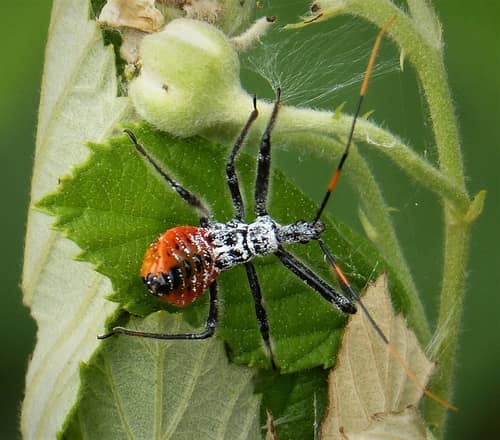
Co-Predator (c) gailhampshire, some rights reserved (CC BY) · cc-by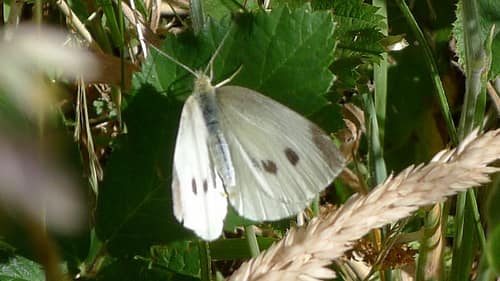
Prey John Tann from Sydney, Australia / CC BY 2.0 · cc-by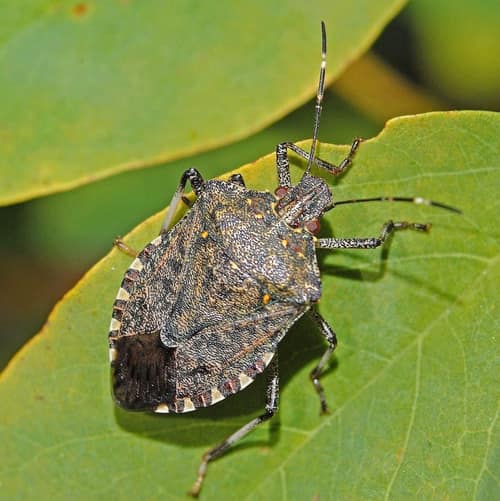
Pest Relative (c) Kimberly, some rights reserved (CC BY), uploaded by Kimberly · cc-by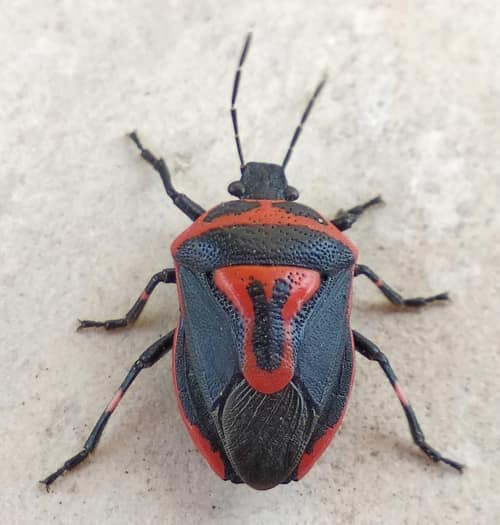
Close Relative (c) katunchik, some rights reserved (CC BY), uploaded by katunchik · cc-by
Help improve the field guideSomething wrong?
Checking your Fauna account…Report a name, category, or profile issue for review.