
Insect
Western Conifer Seed Bug
Leptoglossus occidentalisAlso known as Pine Seed Bug
Western conifer seed bugs feed on the sap and embryonic seeds of pines, firs, and spruces using piercing-sucking mouthparts. In autumn, adults frequently seek warm overwintering shelters, clustering on exterior walls and wandering into homes where their buzzing flight and leaf-like hind legs cause alarm. When threatened or crushed, they release a pungent pine-scented chemical defense from thoracic glands to deter predators.
HerbivorousForest DwellerIntroduced
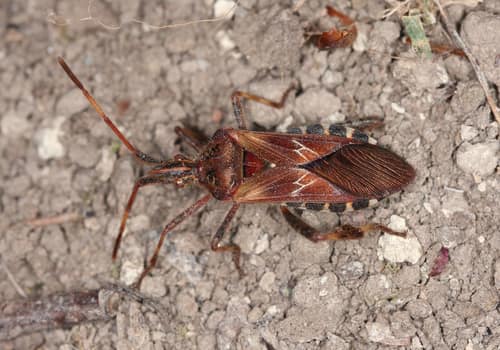
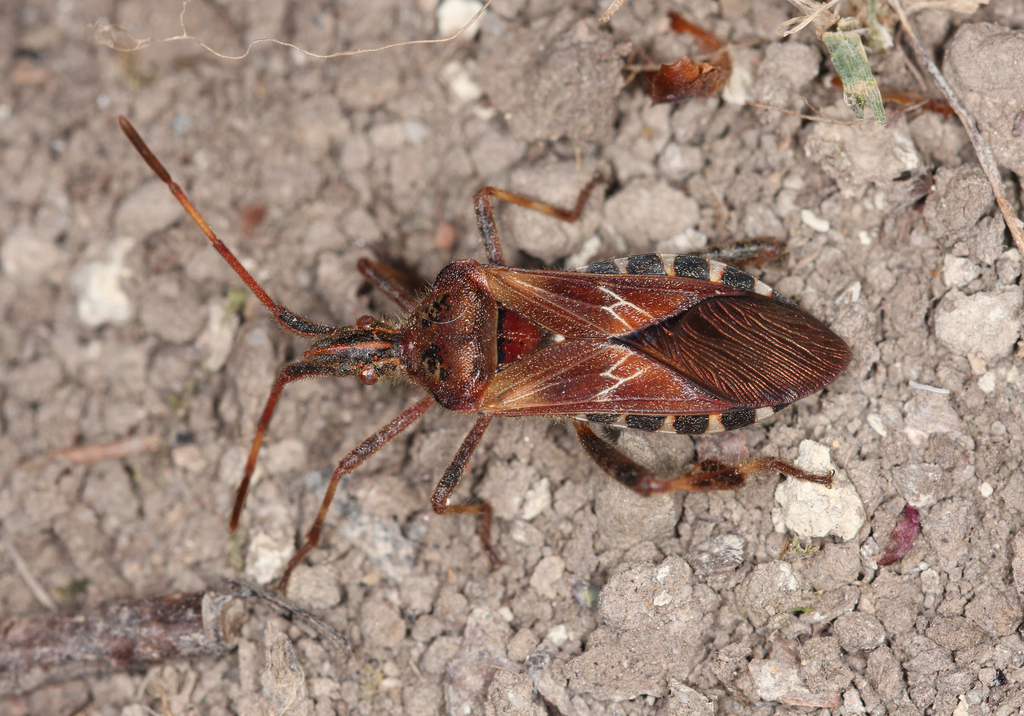
—observations
—countries
—peak records
Not EvaluatedConservation statusIUCN Red List categoriesLCNTVUENCREWEXNot Evaluated — not placed on the risk ladderRed List categories, explained →
Diet & preyPine seed pulp, Douglas-fir cones, Spruce seed sap
Predators
- Insectivorous birds
- Spiders
- Assassin bugs
ThreatsSevere winter freezes, targeted insecticide application, and predation
HabitatsConiferous forests, mixed woodlands, parks, suburban gardens, and buildings
Life span9–12 months
Classification
- OrderHemiptera
- FamilyCoreidae
- GenusLeptoglossus
- SpeciesLeptoglossus occidentalis
Range data is not available yet.
Interaction riskLow
- Low
- Moderate
- High
- Very high
- Why interaction risk is low
- Harmless to humans; safe to observe at a normal distance.
Responsible observation
- Indoor Removal: Gently trap indoors with a cup and cardboard to release outside without triggering their scent defense.
- Identification Check: Look for distinct flattened leaf-like expansions on the hind legs to separate it from stink bugs.
- Cone Inspection: Examine immature pine or Douglas-fir cones in midsummer to spot developing reddish-brown nymphs.
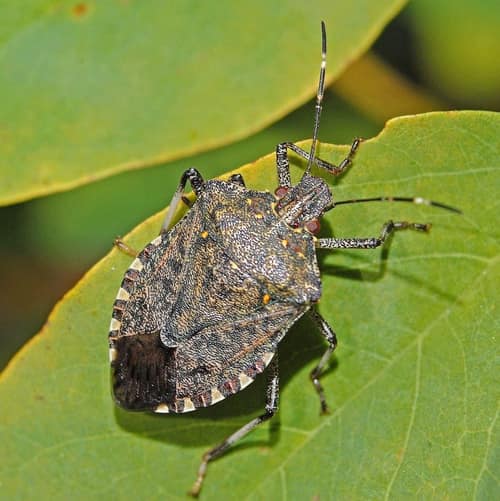
Ecological Look-Alike (c) Kimberly, some rights reserved (CC BY), uploaded by Kimberly · cc-by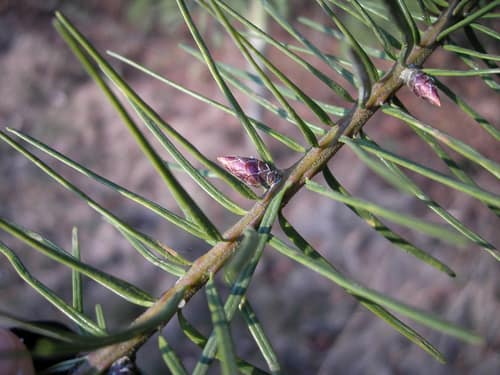
Host Plant (c) Danny Steaven, some rights reserved (CC BY-SA) · cc-by-sa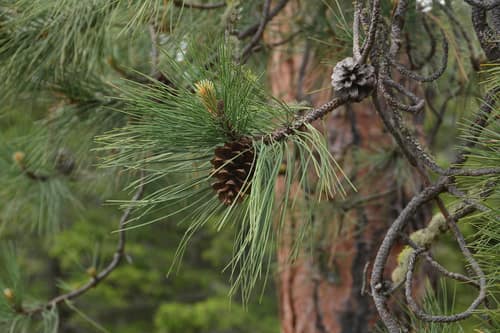
Host Plant no rights reserved, uploaded by Julia Carr · cc0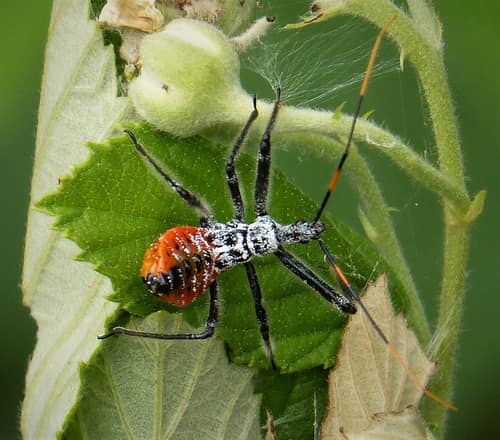
Predator (c) gailhampshire, some rights reserved (CC BY) · cc-by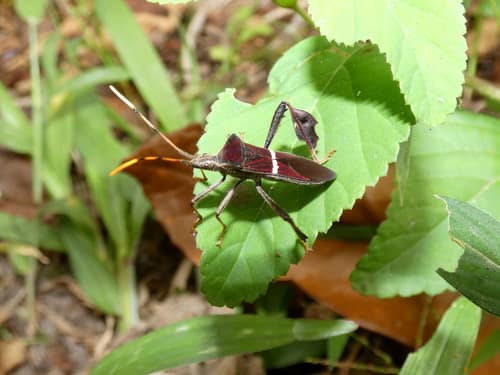
Close Relative (c) Kai Squires, some rights reserved (CC BY), uploaded by Kai Squires · cc-by
Help improve the field guideSomething wrong?
Checking your Fauna account…Report a name, category, or profile issue for review.