
Plant · GBIF taxon 5285053
Ponderosa Pine
Pinus ponderosaAlso known as Western Yellow Pine, Bull Pine, Blackjack Pine
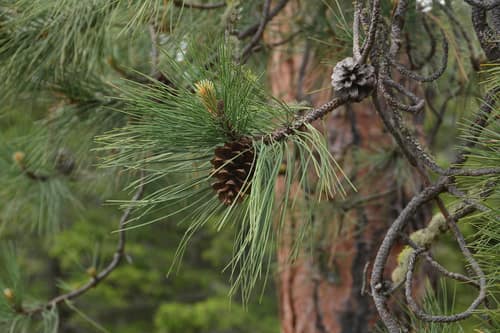
Ponderosa pines dominate dry western mountain slopes, easily recognized by their tall straight trunks covered in cinnamon-red bark with puzzle-piece plates. The thick bark emits a distinct vanilla or butterscotch fragrance when warmed by the sun. Adapted to frequent low-intensity ground fires, mature trees naturally drop lower branches to prevent flame ascension and protect their inner bark.
EvergreenTall TreeConifer

—observations
—countries
—peak records
Least ConcernConservation statusIUCN Red List categoriesLCNTVUENCREWEXLeast ConcernRed List categories, explained →
Diet & prey
- Sunlight
- Water
- Soil Minerals
Predators
- Mountain Pine Beetle
- Pine Engraver Beetle
- Porcupine
ThreatsBark beetle infestations, catastrophic high-severity wildfires, and severe drought
HabitatsMontane forests, dry slopes, foothills, and plateau woodlands
Life span300–600 years
Size / weightNot available
Classification
- OrderPinales
- FamilyPinaceae
- GenusPinus
- SpeciesPinus ponderosa
Range data is not available yet.
Interaction riskLow
- Low
- Moderate
- High
- Very high
- Why interaction risk is low
- Safe to observe at a normal distance.
Responsible observation
- Bark Inspection: Look for deep puzzle-like orange plates that smell like vanilla or butterscotch in warm sunlight.
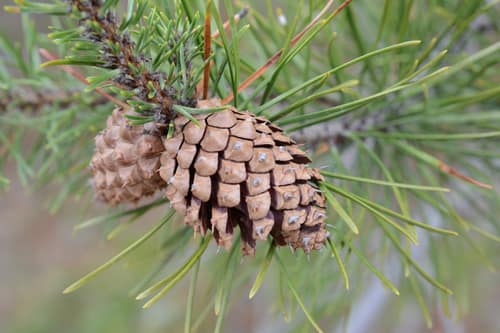
- Cone Identification: Handle fallen cones carefully, noticing the sharp, outward-curving prickles on each scale.
- Needle Bundles: Examine the needle clusters, which typically grow in bundles of three long evergreen needles.
Frequent Companion (c) Alison Northup, some rights reserved (CC BY), uploaded by Alison Northup · cc-by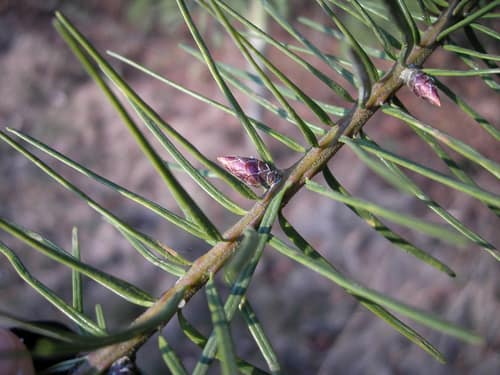
Frequent Companion (c) Danny Steaven, some rights reserved (CC BY-SA) · cc-by-sa
Symbiont Polinova / CC BY-SA 4.0 · cc-by-sa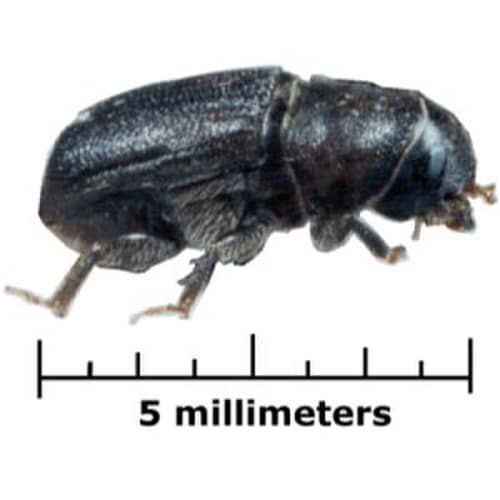
Parasite Wikimedia Commons / Public domain · cc0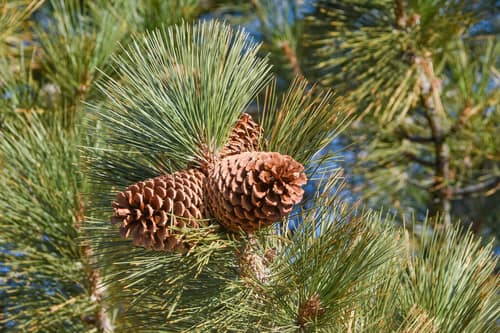
Close Relative (c) Jay Pruett, some rights reserved (CC BY), uploaded by Jay Pruett · cc-by
Help improve the field guideSomething wrong?
Checking your Fauna account…Report a name, category, or profile issue for review.