
Insect
Viceroy
Limenitis archippusAlso known as Viceroy Butterfly
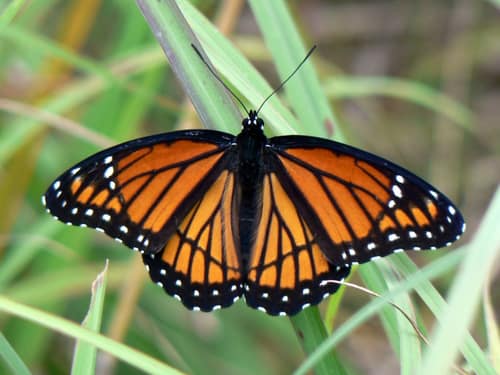
Viceroys are striking orange-and-black butterflies famous for their uncanny resemblance to monarchs. Unlike monarchs, they display a distinct black line traversing the veins on their hindwings and fly with a faster flap-and-glide wingbeat. Caterpillars resemble bird droppings and feed on willows and poplars, accumulating salicylic acid that makes both larvae and adults bitter to predators.
MimicryDay-flyingPollinator

—observations
—countries
—peak records
Least ConcernConservation statusIUCN Red List categoriesLCNTVUENCREWEXLeast ConcernRed List categories, explained →
Diet & preyFlower nectar, Tree sap, Rotting fruit
Predators
- Insectivorous birds
- Spiders
- Preying mantises
ThreatsHabitat loss, pesticide exposure, removal of willow host trees
HabitatsWetlands, riverbanks, meadows, moist thickets, roadsides
Life span1–2 weeks as adult
Classification
- OrderLepidoptera
- FamilyNymphalidae
- GenusLimenitis
- SpeciesLimenitis archippus
Range data is not available yet.
Interaction riskLow
- Low
- Moderate
- High
- Very high
- Why interaction risk is low
- Safe to observe at a normal distance.
Responsible observation
- Identification: Look for a continuous black line arched across the hindwing veins to distinguish it from a monarch.
- Habitat Spotting: Scan sunny willow thickets near water sources where territorial males regularly patrol.
- Garden Attraction: Leave overripe fruit out in sunny spots to entice feeding adults.
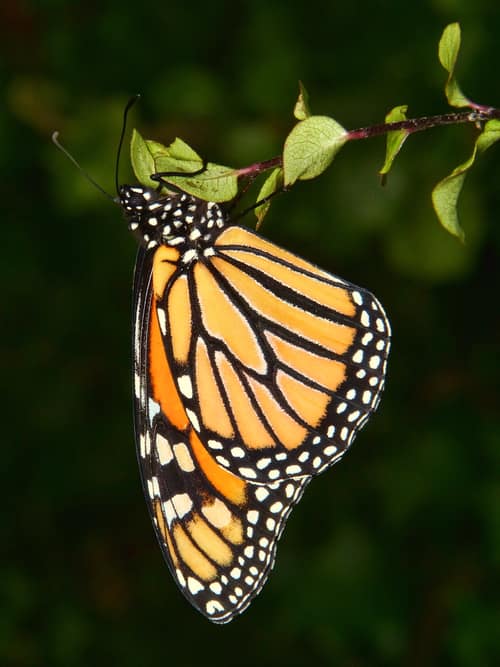
Müllerian Mimic Sid Mosdell from New Zealand / CC BY 2.0 · cc-by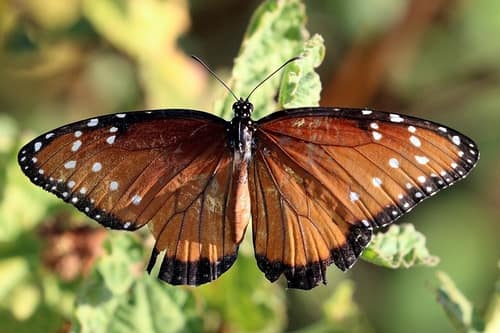
Mimicry Model Charles J. Sharp / CC BY-SA 4.0 · cc-by-sa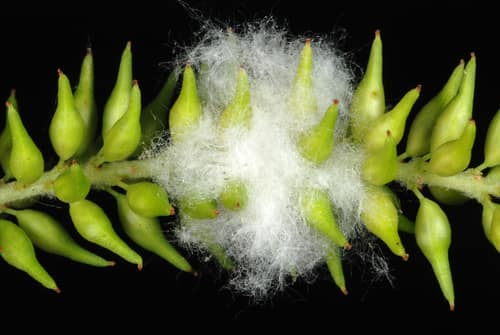
Host Plant (c) Douglas Goldman, some rights reserved (CC BY-SA), uploaded by Douglas Goldman · cc-by-sa
Close Relative (c) northerly, some rights reserved (CC BY) · cc-by
Keep collecting in Fauna
Found in Collections
Ecosystem chain Pro
Mystic Meadows
Viceroy is found in this collection. Identify it in Fauna to fill this slot and continue your progress.
Unlock to track progress
Help improve the field guideSomething wrong?
Checking your Fauna account…Report a name, category, or profile issue for review.