
Insect
Queen
Danaus gilippusAlso known as Tropical Queen
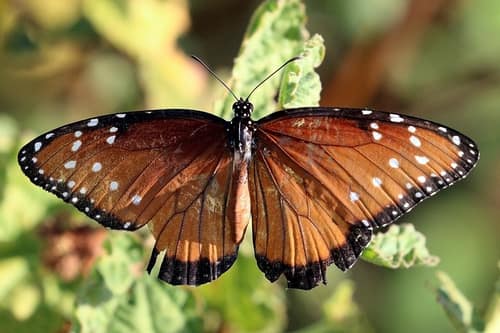
Queen butterflies browse sunny fields and desert washes, laying eggs on milkweeds to sequester toxic cardenolides that render themselves unpalatable to predators. Males perform elaborate courtship flights, extending specialized brush-like hairpencils from their abdomens to dust females with enticing chemical pheromones. Their rich chestnut wings framed in black and white warning spots serve as a bright signal to potential predators.
DiurnalPollinatorPatterned

—observations
—countries
—peak records
Least ConcernConservation statusIUCN Red List categoriesLCNTVUENCREWEXLeast ConcernRed List categories, explained →
Diet & preyMilkweed leaves, Flower nectar
Predators
- Praying mantises
- Spiders
- Invertebrate predators
ThreatsHabitat destruction, pesticide spraying, extreme weather events
HabitatsMeadows, fields, deserts, marshes, sunny forest edges
Life span6–8 weeks as adult
Classification
- OrderLepidoptera
- FamilyNymphalidae
- GenusDanaus
- SpeciesDanaus gilippus
Range data is not available yet.
Interaction riskHigh
- Low
- Moderate
- High
- Very high
- Why interaction risk is high
- Safe to observe at a normal distance.
Responsible observation
- Plant Native Milkweed: Grow local milkweed varieties to attract egg-laying females to your garden.
- Observe Sunny Patches: Watch open flower beds during warm afternoons when adults actively feed.
- Avoid Garden Chemicals: Refrain from using broad-spectrum insecticides near host plants.
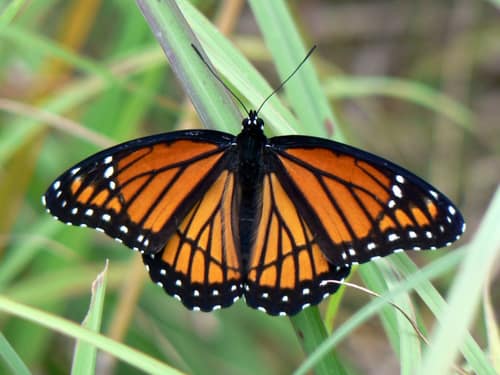
Müllerian Mimic (c) Benny Mazur, some rights reserved (CC BY) · cc-by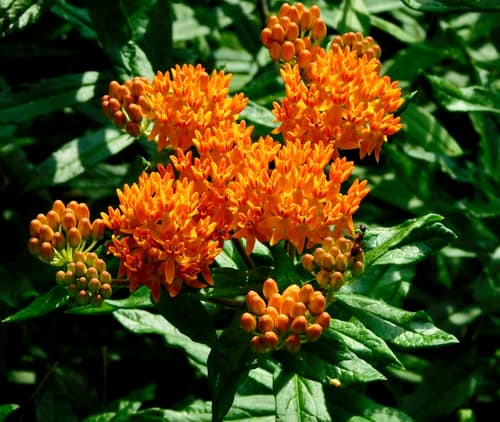
Host Plant (c) Michael J. Papay, some rights reserved (CC BY), uploaded by Michael J. Papay · cc-by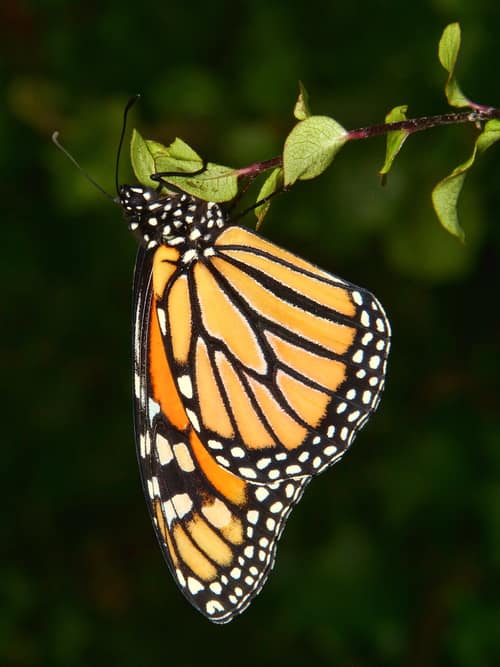
Close Relative Sid Mosdell from New Zealand / CC BY 2.0 · cc-by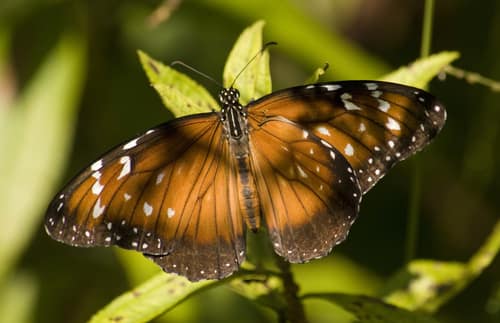
Close Relative (c) Nicolas Olejnik, some rights reserved (CC BY), uploaded by Nicolas Olejnik · cc-by
Keep collecting in Fauna
Found in Collections
Ecosystem chain Pro
Mystic Meadows
Queen is found in this collection. Identify it in Fauna to fill this slot and continue your progress.
Unlock to track progress
Help improve the field guideSomething wrong?
Checking your Fauna account…Report a name, category, or profile issue for review.