Fauna
Insect

Red-spotted Admiral

Limenitis arthemis

Also known as Red-spotted Purple, White Admiral, Banded Purple

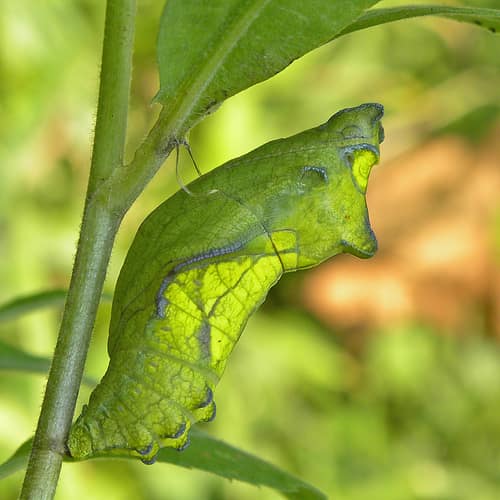
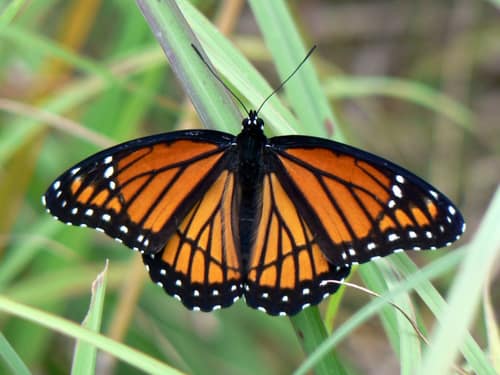
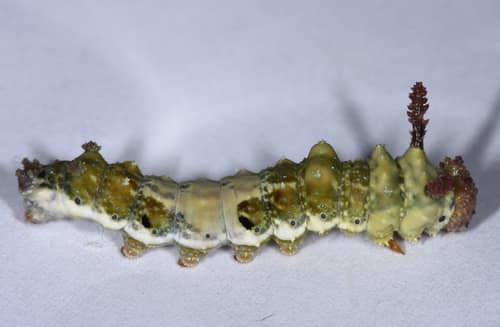
Red-spotted Admirals exhibit one of the most famous examples of wing-pattern polymorphism in North American butterflies, split between northern white-banded forms and southern iridescent blue forms that mimic toxic pipevine swallowtails. Adults spend their days gliding gracefully along forest edges, frequently settling on tree bark or damp soil rather than visiting flowers. Caterpillars disguise themselves as unappetizing bird droppings while feeding on the foliage of birches, cherries, and willows.

PolymorphicWoodlandButterfly
—observations
—countries
—peak records
Least ConcernConservation statusIUCN Red List categoriesLCNTVUENCREWEXLeast ConcernRed List categories, explained →
Diet & preyTree sap, Rotting fruit, Mineral moisture
Predators
  • Birds
  • Spiders
  • Mantises
ThreatsHabitat destruction, heavy pesticide runoff, and severe storm events
HabitatsDeciduous forests, woodland borders, damp roadsides, and orchards
Life span1–2 weeks as adult
  1. OrderLepidoptera
  2. FamilyNymphalidae
  3. GenusLimenitis
  4. SpeciesLimenitis arthemis
Range data is not available yet.
Interaction riskLow
  1. Low
  2. Moderate
  3. High
  4. Very high
Why interaction risk is low
Safe to observe at a normal distance.
Responsible observation
  • Puddling Spots: Look for males gathering on damp gravel roads or muddy riverbanks to sip essential soil minerals.
  • Fruit Baiting: Set out overripe bananas or peaches in shady forest clearings to attract hungry adults.
Keep collecting in Fauna

Found in Collections

Ecosystem chain Pro

Mystic Meadows

Red-spotted Admiral is found in this collection. Identify it in Fauna to fill this slot and continue your progress.

Unlock to track progress

Continue in the app
Help improve the field guideSomething wrong?

Report a name, category, or profile issue for review.

Checking your Fauna account…