
Plant · GBIF taxon 5372854
Black Willow
Salix nigraAlso known as Swamp Willow, Gulf Black Willow, Dudley Willow
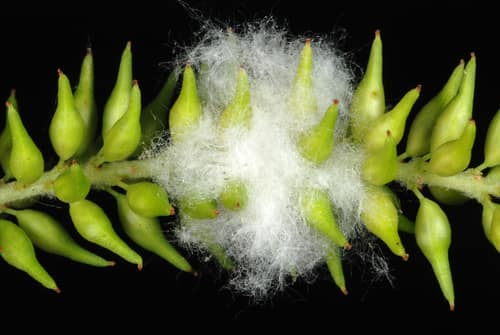
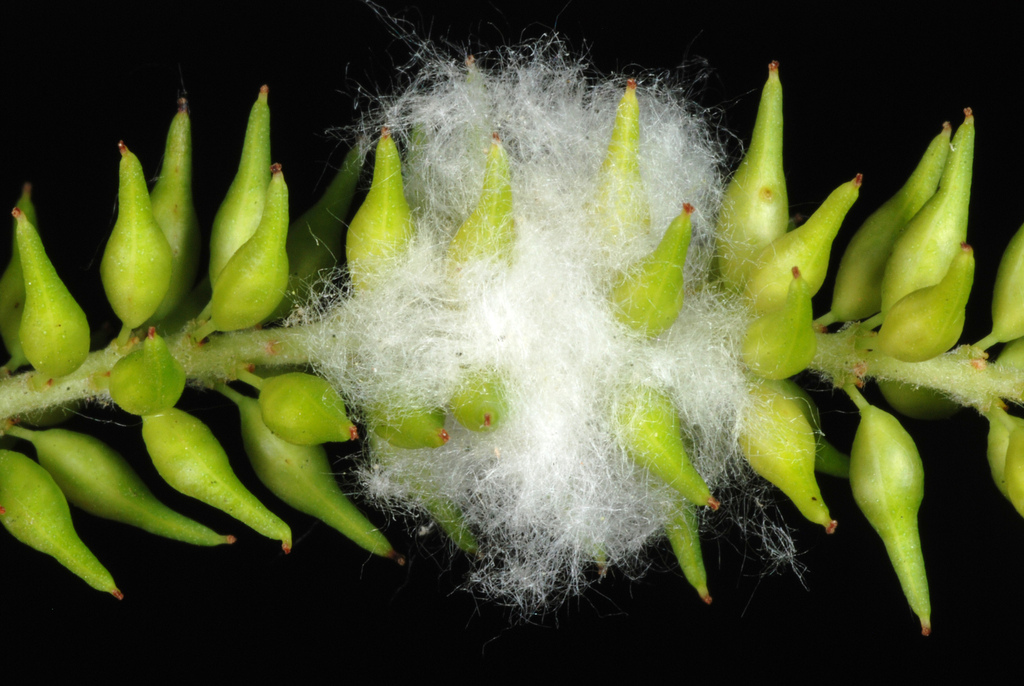
Black willows anchor riverbanks across North America, using deep fibrous roots to stabilize floodplains against erosion while providing vital early-spring nectar for emerging pollinators. Dark, deeply furrowed bark and long, slender leaves give mature trees a craggy profile along sunny wetlands. Though rapid growers in saturated soil, these moisture-loving hardwoods rarely live beyond a century.
TreeRiparianDeciduous
 1 / 7
1 / 7—observations
—countries
—peak records
Least ConcernConservation statusIUCN Red List categoriesLCNTVUENCREWEXLeast ConcernRed List categories, explained →
Diet & prey
- Autotrophic (Photosynthesis)
Predators
- American Beaver
- White-Tailed Deer
- Willow Leaf Beetle
ThreatsWetland drainage, prolonged drought, invasive species competition
HabitatsRiverbanks, floodplains, lake margins, wet meadows
Life span60–100 years
Size / weightNot available
Classification
- OrderMalpighiales
- FamilySalicaceae
- GenusSalix
- SpeciesSalix nigra
Range data is not available yet.
Interaction riskLow
- Low
- Moderate
- High
- Very high
- Why interaction risk is low
- Safe to observe at a normal distance.
Responsible observation
- Habitat Spotting: Look along sunny riverbanks, lake shorelines, and wet ditches where moisture is constant.
- Bark Identification: Distinguish mature trees by their dark brown to blackish, deeply fissured bark.
- Spring Observations: Watch early spring branches for soft, fuzzy male and female catkins before leaves emerge.
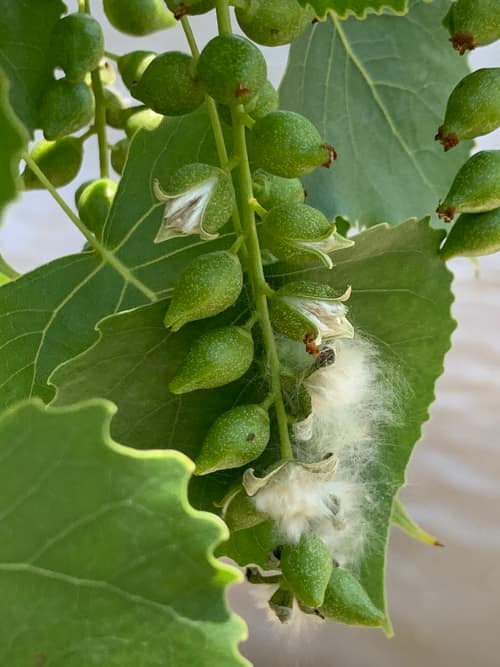
Riparian Companion (c) Sandy Wolkenberg, some rights reserved (CC BY), uploaded by Sandy Wolkenberg · cc-by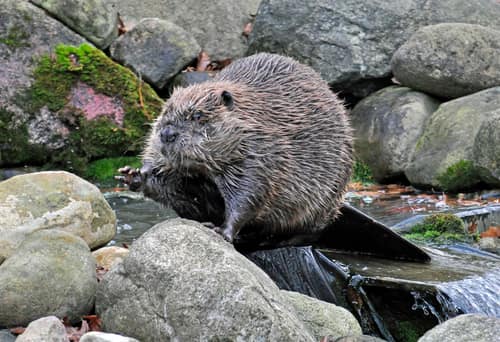
Herbivore (c) Rodney Campbell, some rights reserved (CC BY) · cc-by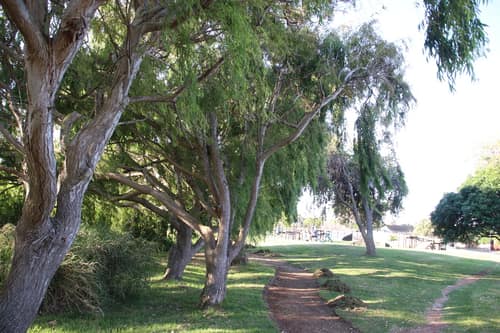
Close Relative (c) Tony Rebelo, some rights reserved (CC BY-SA), uploaded by Tony Rebelo · cc-by-sa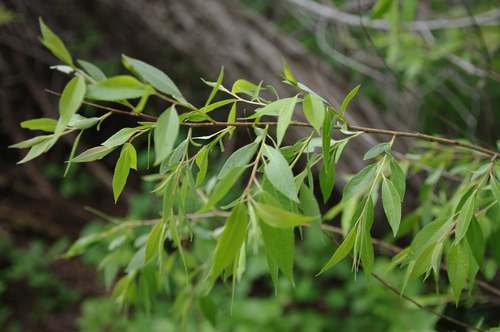
Close Relative (c) Colin Croft, some rights reserved (CC BY), uploaded by Colin Croft · cc-by
Help improve the field guideSomething wrong?
Checking your Fauna account…Report a name, category, or profile issue for review.