
Plant · GBIF taxon 3087184
Prairie Coneflower
Ratibida pinnataAlso known as Pinnate Prairie Coneflower, Gray-head Coneflower, Yellow Coneflower, Gray-headed Coneflower
Prairie coneflowers brighten central North American grasslands with drooping yellow ray petals surrounding a distinctive gray central disc that turns brown as seeds mature. Their deeply lobed, pinnate leaves reduce moisture loss during intense prairie summers, while deep taproots allow them to withstand drought. Crushing the central seed head releases a mild anise aroma, attracting native bees, butterflies, and seed-eating birds throughout the season.
PerennialPrairie NativePollinator Magnet
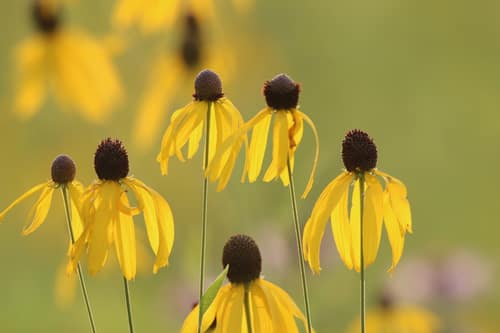

—observations
—countries
—peak records
Least ConcernConservation statusIUCN Red List categoriesLCNTVUENCREWEXLeast ConcernRed List categories, explained →
Diet & prey
- Sunlight
- Water
- Soil Minerals
Predators
- White-tailed Deer
- Eastern Cottontail
- American Goldfinch
ThreatsHabitat destruction, invasive species, lack of periodic fire
HabitatsTallgrass prairies, dry meadows, savannas, roadsides
Life spanPerennial (5–15+ years)
Size / weightNot available
Classification
- OrderAsterales
- FamilyAsteraceae
- GenusRatibida
- SpeciesRatibida pinnata
Range data is not available yet.
Interaction riskLow
- Low
- Moderate
- High
- Very high
- Why interaction risk is low
- Safe to observe at a normal distance.
Responsible observation
- Observation Timing: Look for blooming yellow rays drooping around gray central cones from July through September.
- Anise Fragrance: Gently rub the central cone to notice a faint smell of anise or licorice.
- Gardening Uses: Establish in sunny restoration sites or native gardens with dry to medium soil.
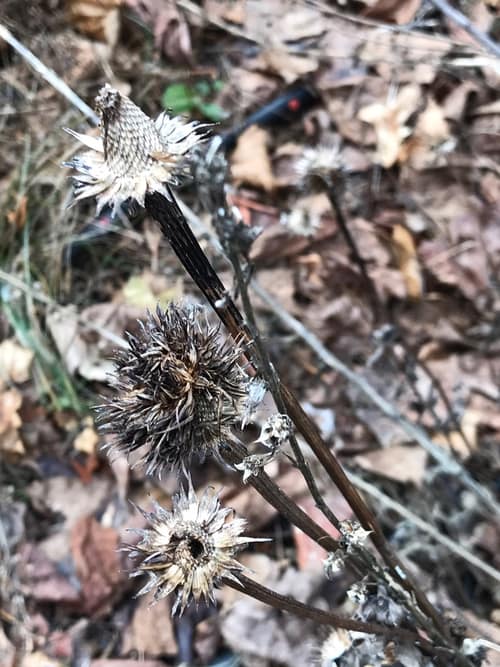
Frequent Companion (c) Sandy Wolkenberg, some rights reserved (CC BY), uploaded by Sandy Wolkenberg · cc-by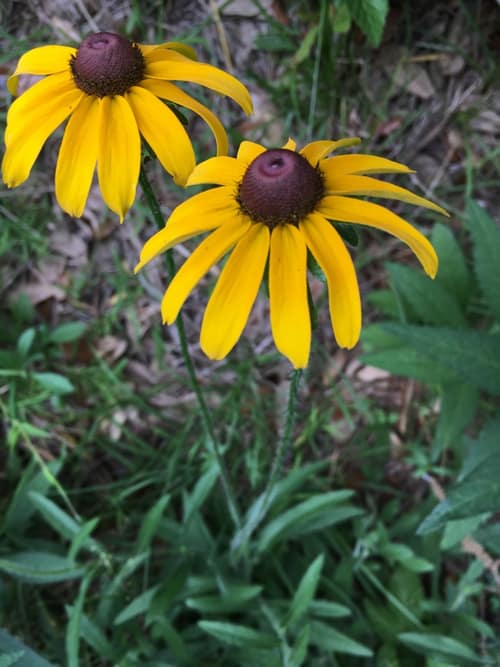
Frequent Companion no rights reserved, uploaded by Brady Reed · cc0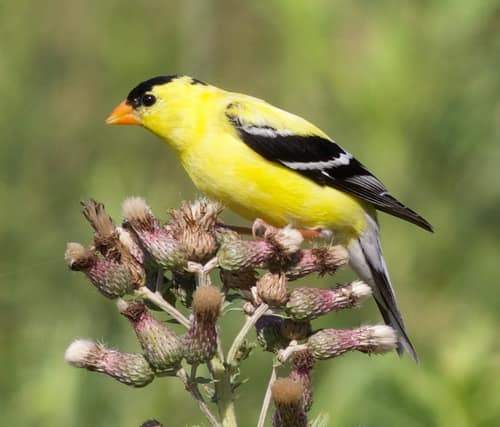
Seed Predator no rights reserved, uploaded by Glenn Berry · cc0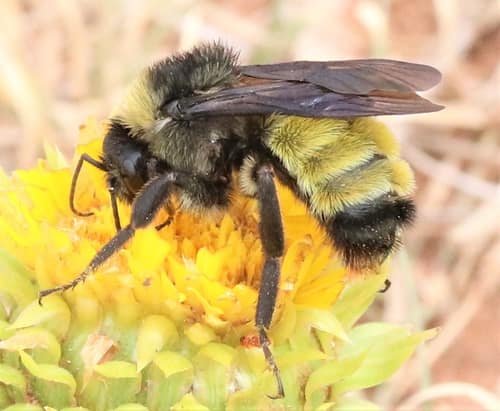
Pollinator (c) crseaquist, some rights reserved (CC BY), uploaded by crseaquist · cc-by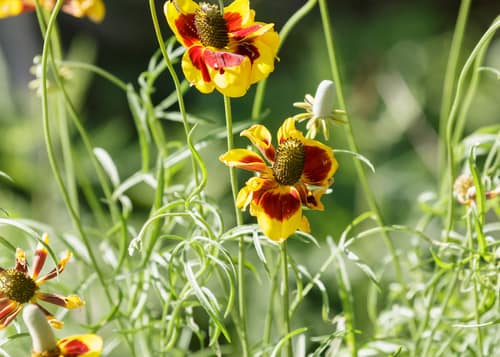
Close Relative (c) Meghan Cassidy, some rights reserved (CC BY-SA), uploaded by Meghan Cassidy · cc-by-sa
Help improve the field guideSomething wrong?
Checking your Fauna account…Report a name, category, or profile issue for review.