
Plant
Black-eyed Susan
Rudbeckia hirtaAlso known as Yellow Coneflower, Gloriosa Daisy, Brown-eyed Susan, Golden Jerusalem
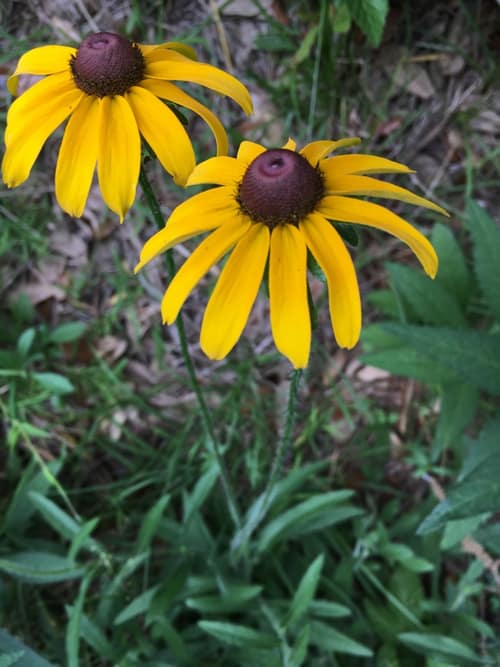
Black-eyed Susans brighten North American prairies, fields, and roadsides with golden-yellow ray florets encircling a dark brown central cone. Stiff, coarse hairs cover the stems and leaves, providing natural protection against water loss and grazing animals. As a pioneer wildflower, this short-lived perennial quickly establishes in disturbed soil and supplies vital nectar to late-summer pollinators.
WildflowerPollinator MagnetSun-Loving

—observations
—countries
—peak records
Least ConcernConservation statusIUCN Red List categoriesLCNTVUENCREWEXLeast ConcernRed List categories, explained →
Diet & preySunlight, Soil Nutrients, Water
Predators
- White-Tailed Deer
- Rabbits
ThreatsHabitat loss, invasive weed competition, frequent mowing
HabitatsPrairies, meadows, roadsides, open woodlands, pastures
Life span1–3 years (annual, biennial, or short-lived perennial)
Classification
- OrderAsterales
- FamilyAsteraceae
- GenusRudbeckia
- SpeciesRudbeckia hirta
Range data is not available yet.
Interaction riskLow
- Low
- Moderate
- High
- Very high
- Why interaction risk is low
- Safe to observe at a normal distance.
Responsible observation
- Observation: Look for native bees, syrphid flies, and butterflies feeding on the central disk florets.
- Garden Care: Plant in full sun and well-drained soil, avoiding overwatering once established.
- Winter Seed Source: Leave dried flower heads standing through autumn to feed goldfinches and other birds.
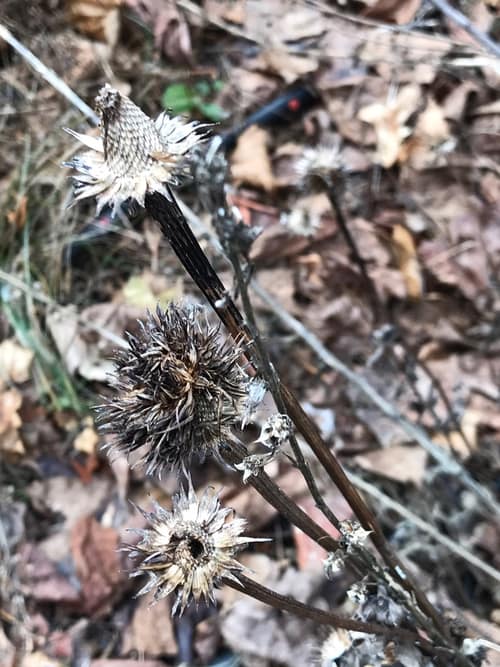
Co-Occurring Native (c) Sandy Wolkenberg, some rights reserved (CC BY), uploaded by Sandy Wolkenberg · cc-by
Herbivore (c) Ken-ichi Ueda, some rights reserved (CC BY), uploaded by Ken-ichi Ueda · cc-by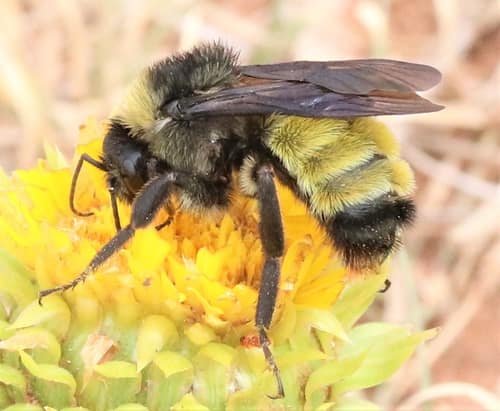
Pollinator (c) crseaquist, some rights reserved (CC BY), uploaded by crseaquist · cc-by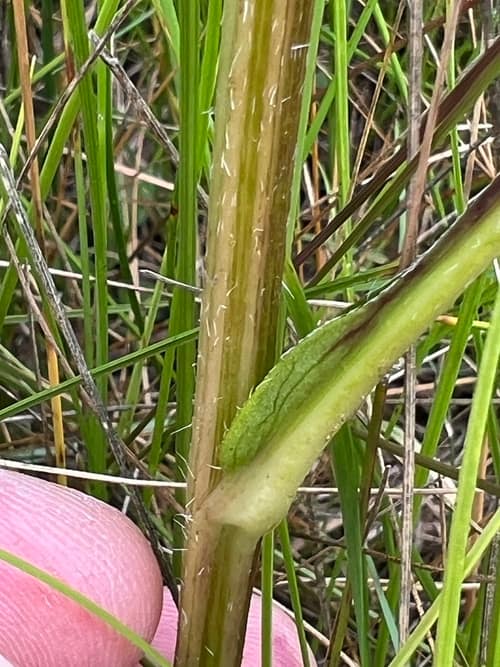
Close Relative (c) Mark Pollock, some rights reserved (CC BY), uploaded by Mark Pollock · cc-by
Close Relative (c) Andrew Skotnicki, some rights reserved (CC BY), uploaded by Andrew Skotnicki · cc-by
Help improve the field guideSomething wrong?
Checking your Fauna account…Report a name, category, or profile issue for review.