
Plant
Purple Coneflower
Echinacea purpureaAlso known as Eastern Purple Coneflower, Hedgehog Coneflower
Purple coneflowers dominate eastern prairies and open woodlands with their prominent spiky orange-brown central cones and drooping magenta ray petals. These sturdy perennials attract a bustling community of native bees, butterflies, and skippers throughout midsummer before setting seed for overwintering songbirds. Deep taproots allow established plants to endure intense heat and prolonged droughts across their native range.
PerennialAttracts PollinatorsNative Wildflower

—observations
—countries
—peak records
Least ConcernConservation statusIUCN Red List categoriesLCNTVUENCREWEXLeast ConcernRed List categories, explained →
Diet & preySunlight, Water, Soil Nutrients
Predators
- American Goldfinch
- White-tailed Deer
- Eastern Cottontail
ThreatsHabitat loss, land development, and wild collection
HabitatsPrairies, dry open woods, barrens, and meadows
Life span15–40 years
Classification
- OrderAsterales
- FamilyAsteraceae
- GenusEchinacea
- SpeciesEchinacea purpurea
Range data is not available yet.
Interaction riskLow
- Low
- Moderate
- High
- Very high
- Why interaction risk is low
- Safe to observe at a normal distance.
Responsible observation
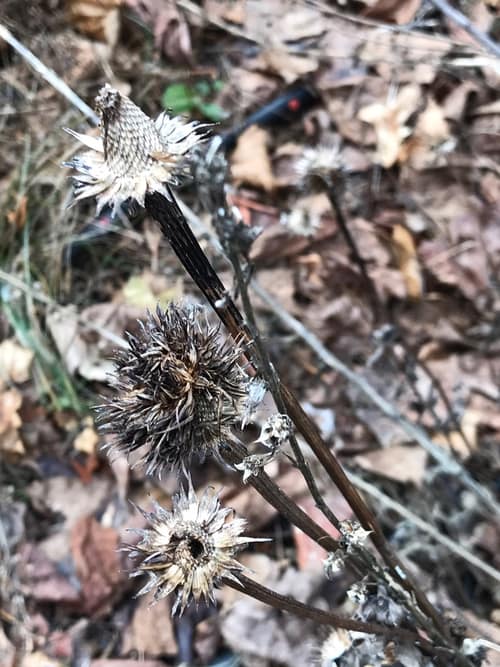
- Leave Seedheads Intact: Keep dried flower heads standing through winter to provide critical food for foraging songbirds.
- Pollinator Watching: Observe flower heads on warm afternoons when native bumblebees, butterflies, and skippers actively feed.
- Garden Placement: Position in full sun with well-draining soil to promote sturdy stem growth and abundant summer blooms.
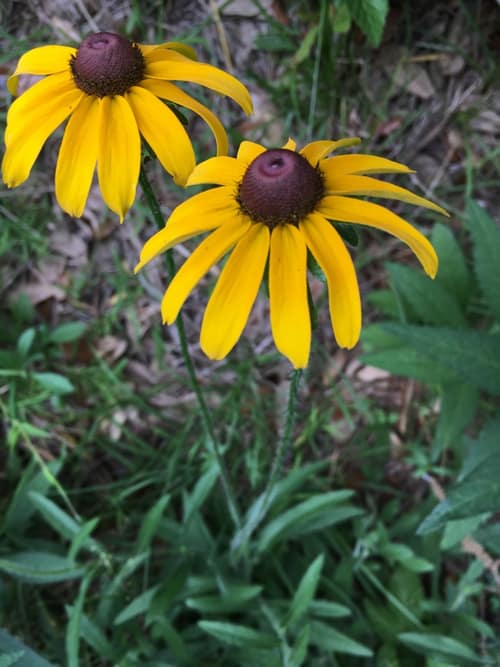
Frequent Companion no rights reserved, uploaded by Brady Reed · cc0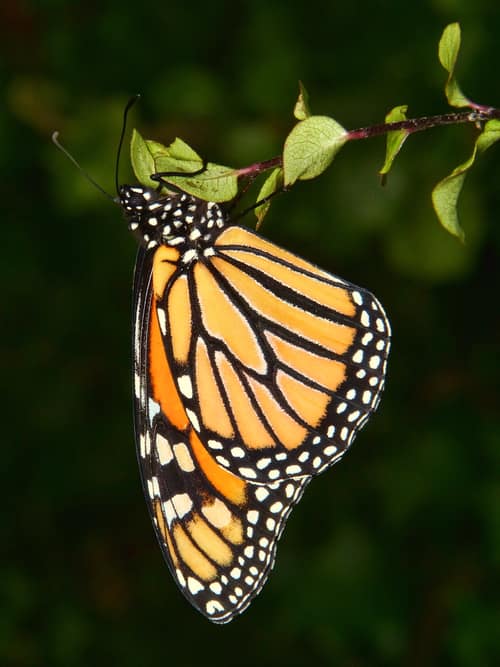
Pollinator Sid Mosdell from New Zealand / CC BY 2.0 · cc-by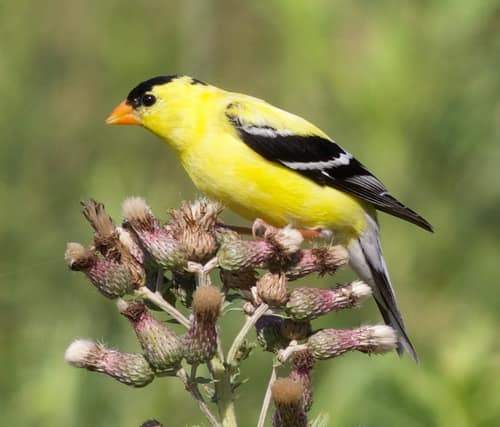
Seed Predator no rights reserved, uploaded by Glenn Berry · cc0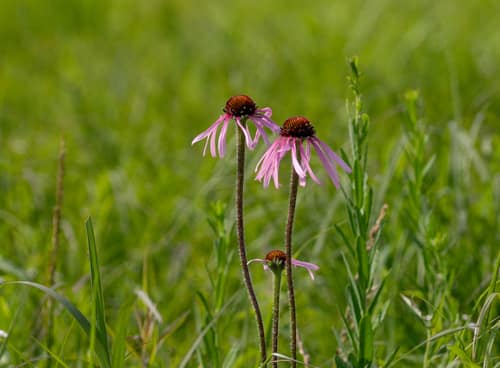
Close Relative (c) threelark, some rights reserved (CC BY), uploaded by threelark · cc-by
Close Relative (c) Nathan Aaron, some rights reserved (CC BY), uploaded by Nathan Aaron · cc-by
Help improve the field guideSomething wrong?
Checking your Fauna account…Report a name, category, or profile issue for review.