
Plant
Chinese Arborvitae
Platycladus orientalisAlso known as Oriental Arborvitae, Chinese Thuja, Biota, Oriental Thuja
Chinese arborvitae forms a dense, pyramidal canopy of vertical, flattened sprays of scale-like leaves that show the same bright green shade on both sides. Young female cones emerge fleshy and glaucous blue with prominent recurved hooks before ripening into brown, woody seed pods. Long prized in East Asian temple gardens and traditional medicine, wild stands persist on rocky cliffs and sunny mountain slopes across China.
EvergreenConiferOrnamental
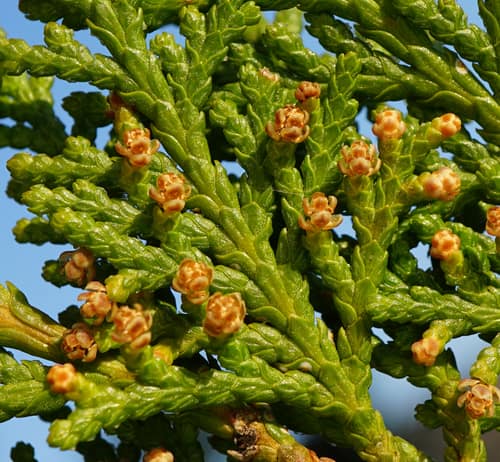
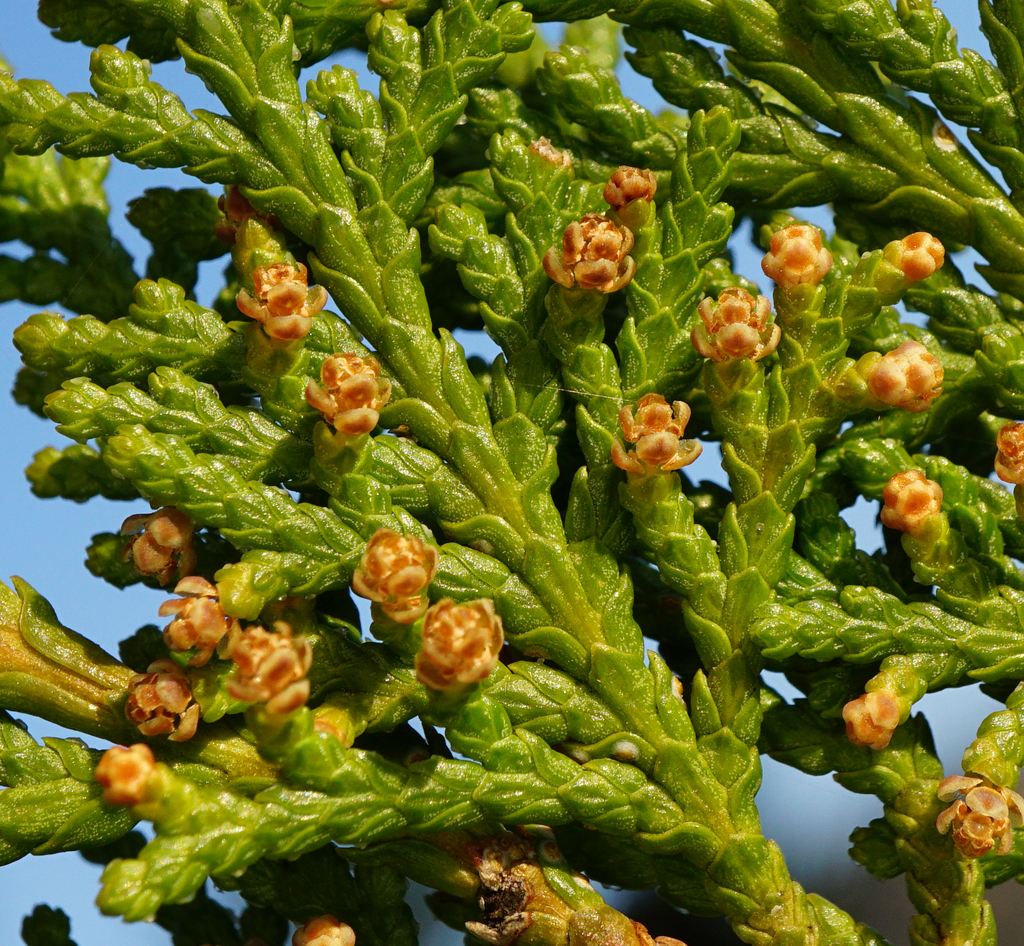
—observations
—countries
—peak records
Near ThreatenedConservation statusIUCN Red List categoriesLCNTVUENCREWEXNear ThreatenedRed List categories, explained →
Diet & preyAutotrophic (Photosynthesis)
Predators
- Bagworms
- Spider Mites
- Cypress Bark Beetles
ThreatsHistorical habitat destruction, overexploitation, and land clearing
HabitatsTemperate forests, dry rocky slopes, cliffs, parks, and gardens
Life span100–1,000+ years
Classification
- OrderPinales
- FamilyCupressaceae
- GenusPlatycladus
- SpeciesPlatycladus orientalis
Range data is not available yet.
Interaction riskLow
- Low
- Moderate
- High
- Very high
- Why interaction risk is low
- Safe to observe at a normal distance.
- What to notice
- Look for distinct vertical, fan-like leaf sprays and horned, bluish young cones on rocky ridges.
- Support conservation
- Observe from established trails and refrain from breaking branches or collecting wild cones.
Responsible observation
- Foliage Inspection: Examine the branchlets to notice how the sprays align vertically rather than horizontally.
- Cone Observation: Search for immature bluish cones in spring to see their unusual horn-like recurved hooks.
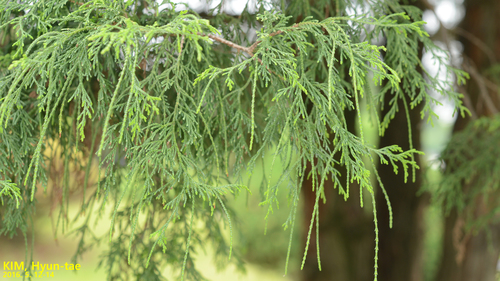
Cypress Kin (c) Kim, Hyun-tae, some rights reserved (CC BY), uploaded by Kim, Hyun-tae · cc-by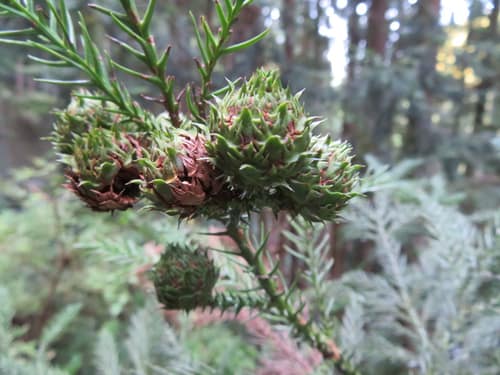
Cypress Kin (c) Marco Mussita, some rights reserved (CC BY), uploaded by Marco Mussita · cc-by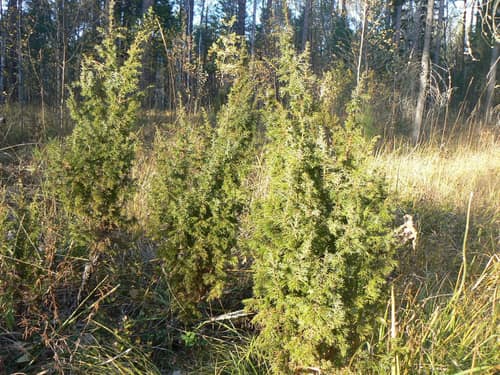
Cypress Kin (c) Andrew Bazdyrev, some rights reserved (CC BY), uploaded by Andrew Bazdyrev · cc-by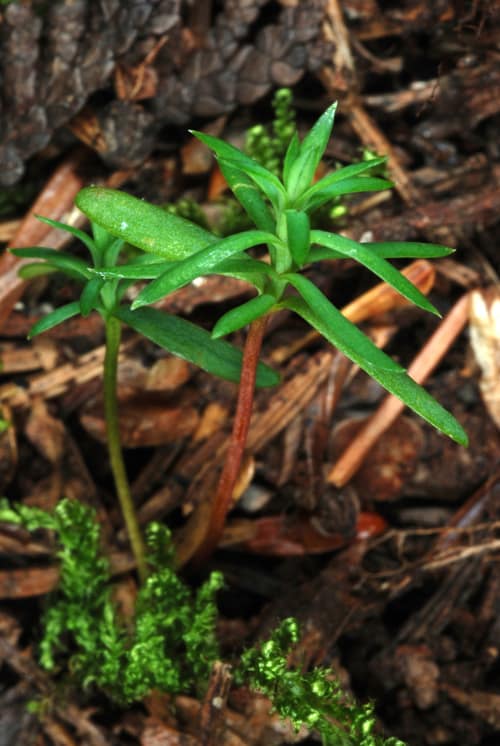
Close Relative (c) Douglas Goldman, some rights reserved (CC BY-SA), uploaded by Douglas Goldman · cc-by-sa
Help improve the field guideSomething wrong?
Checking your Fauna account…Report a name, category, or profile issue for review.