
Plant · GBIF taxon 2684709
Common Juniper
Juniperus communisAlso known as Ground Juniper, Dwarf Juniper, Mountain Juniper
Common junipers thrive as low spreading shrubs or small erect trees across wind-swept moorlands, rocky crags, and open woodlands throughout the Northern Hemisphere. Their needle-like leaves grow in whorls of three, each featuring a single broad white stomatal band on the upper surface. The seed cones resemble fleshy berries, taking up to three years to mature from green to dark purple-blue before providing essential winter food for foraging birds.
EvergreenConiferWidespread
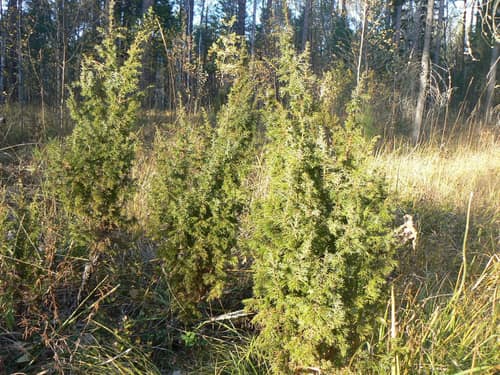
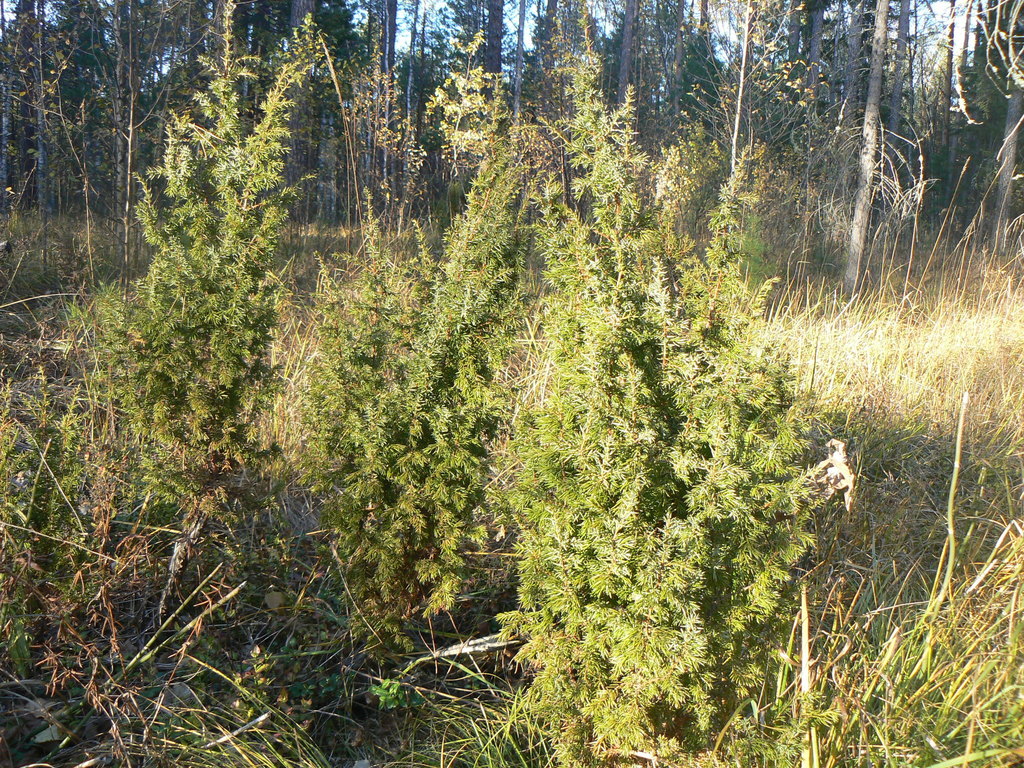 1 / 7
1 / 7—observations
—countries
—peak records
Least ConcernConservation statusIUCN Red List categoriesLCNTVUENCREWEXLeast ConcernRed List categories, explained →
Diet & prey
- Autotrophic
Predators
- Roe Deer
- Mountain Hare
- Cattle
ThreatsFungal pathogens, overgrazing, habitat fragmentation
HabitatsHeathlands, moorlands, rocky slopes, open pine woodlands, tundra
Life span100–200 years
Size / weightNot available
Classification
- FamilyCupressaceae
- SpeciesJuniperus communis
Range data is not available yet.
Interaction riskLow
- Low
- Moderate
- High
- Very high
- Why interaction risk is low
- Wild berries and cones have toxic look-alikes; never eat wild plants based on app identification alone.
Responsible observation
- Identification: Look for sharp, prickly needles arranged in whorls of three with a single broad white stripe on top.
- Observation: Check mature purple cones in late autumn to spot foraging winter songbirds.
- Habitat Care: Avoid stepping on prostrate alpine forms, which grow extremely slowly in cold environments.
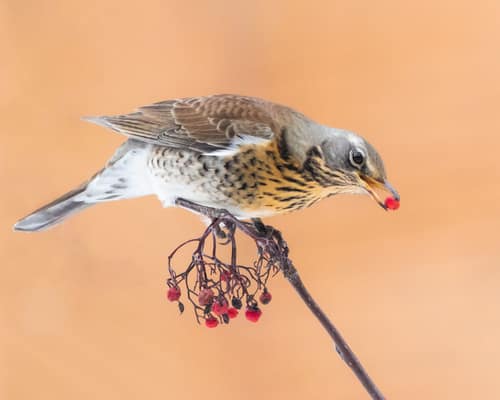
Seed Disperser (c) Михаил Голомысов, some rights reserved (CC BY), uploaded by Михаил Голомысов · cc-by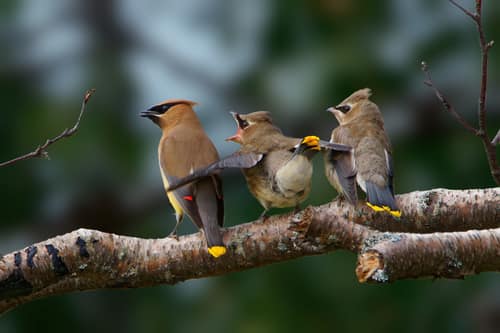
Seed Disperser (c) Christian Back, some rights reserved (CC BY), uploaded by Christian Back · cc-by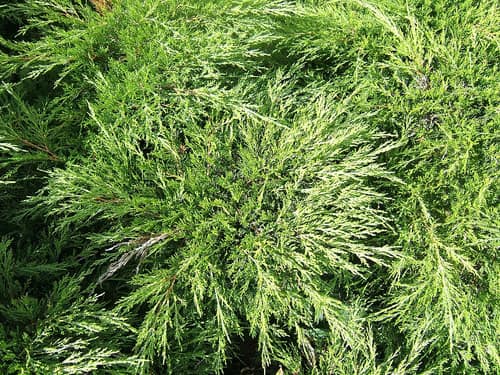
Toxic Look-Alike MPF / CC BY 2.5 · cc-by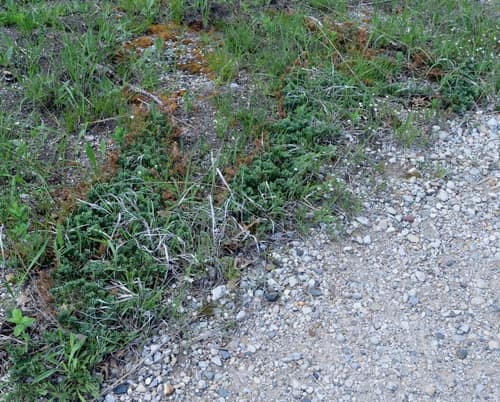
Close Relative no rights reserved, uploaded by Evan Barker · cc0
Help improve the field guideSomething wrong?
Checking your Fauna account…Report a name, category, or profile issue for review.